
Main Courses
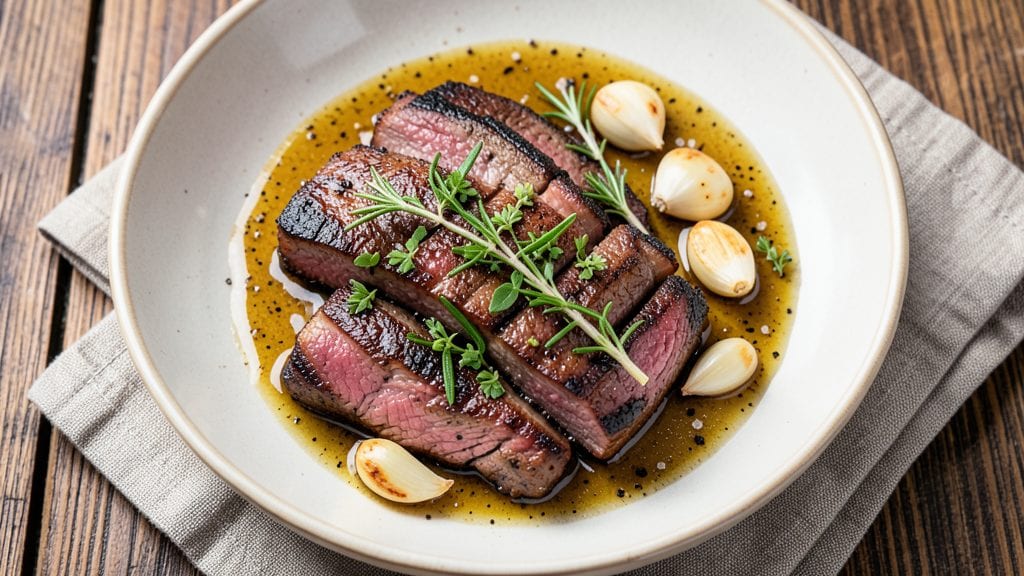
Mastering goat steak recipe with herb-crusted crispy bites transforms this lean protein into a showstopper worth the effort. After years of testing, I’ve perfected a method that delivers tender meat with a golden crust and a tangy pan sauce that ties everything together.
The key lies in proper marinating and precise cooking—no more dry, tough steak.
This recipe starts with a flavorful herb crust packed with rosemary, thyme, and garlic, which locks in moisture while creating that coveted crispy exterior. We’ll sear the steak in a hot cast-iron skillet, then finish it under the broiler for even browning.
The tangy pan sauce—made from the steak’s juices, red wine, and a touch of Dijon—adds depth that elevates the dish from simple to extraordinary.
What you’ll end up with is a perfectly cooked steak—medium-rare at the center, with a crust that shatters at every bite—paired with a sauce that’s bright, slightly sweet, and just acidic enough to cut through the richness.
Serve it with roasted potatoes or a fresh green salad to balance the meal. This is the kind of dish that turns weeknight dinners into memorable experiences.
The secret to success? Patience during marinating and resting the steak after cooking. Trust me, skipping these steps leads to disappointment. With this method, you’ll achieve restaurant-quality results in your own kitchen—no fancy equipment required.
Ingredients for goat steak
Herb-packed crust meets bold sauce—this goat steak recipe delivers restaurant-worthy flavor.
| Ingredient | Amount | Notes |
|---|---|---|
| Goat Steaks 🐐 | 1 ½ lb | 1-inch thick cuts, trimmed of fat |
| Fresh Rosemary 🌿 | ¼ cup | Finely chopped, fresh preferred |
| Fresh Thyme 🌿 | ¼ cup | Leaves only, stems removed |
| Garlic Cloves 🧄 | 6 cloves | Minced or finely grated |
| Extra-Virgin Olive Oil 🫒 | ½ cup | High quality, fruity |
| Dijon Mustard 🍯 | 1 tbsp | For marinade adhesion |
| Red Wine 🍷 | ½ cup | Dry, bold variety |
| Beef Broth 💧 | ½ cup | For sauce depth |
| Dijon Mustard 🍯 | 1 tsp | Extra for sauce |
| Fresh Lemon Juice 🍋 | 2 tbsp | Freshly squeezed |
| Kosher Salt 🧂 | 1 ½ tsp | For seasoning |
| Freshly Ground Black Pepper 🌶️ | 1 tsp | For seasoning |
| All-Purpose Flour 🌾 | ¼ cup | For crust adhesion |
| Fresh Parsley 🌿 | ⅛ cup | Chopped, for garnish |
The goat steaks are the star, so look for well-marbled cuts at your local butcher or Whole Foods. If you can't find them fresh, Costco often carries them vacuum-sealed—just thaw overnight in the fridge. The herbs? Fresh is non-negotiable here. Trader Joe's usually has great bundles, but if you're growing your own, snip the rosemary and thyme right before cooking. For garlic, roast a head for extra sweetness if you're feeling fancy—otherwise, just mince it fresh. The olive oil should be fruity, not harsh; California brands like Corto or Colavita are my go-tos.
No red wine? Substitute beef broth with a splash of balsamic—it’ll still give you that tangy depth. Running low on Dijon? Yellow mustard works in a pinch, though it’s less refined. Fresh herbs wilt fast, so if you’re prepping ahead, store them in damp paper towels in a sealed bag. The crust mix—flour, herbs, garlic, olive oil—can be prepped up to 24 hours ahead and stored in the fridge. Just don’t skip the flour; it’s what helps that herb crust stick like magic. For the sauce, if you’re not using red wine, add a pinch of red wine vinegar to mimic the acidity.
Marinate the steaks for at least 4 hours—overnight is ideal. The crust mix should sit on the steaks for 30 minutes before cooking to fully adhere. Leftovers? Wrap tightly and refrigerate for up to 3 days. The sauce reheats beautifully—just warm it gently on the stove. For extra crispiness, broil the steaks for 2-3 minutes after searing. And trust me, rest the steaks for 10 minutes before slicing—this keeps them juicy. Garnish with fresh parsley right before serving; it brightens everything up.
Why You'll Love This Recipe
- Five-Ingredient Magic: I swear by this combo—just steak, herbs, garlic, and olive oil. No fancy marinades or last-minute shopping runs. The rosemary and thyme do all the heavy lifting while I chop garlic in under two minutes.
- Crispy-Garlicky Bliss: That seared crust on the steak? Pure satisfaction. The garlic sizzles in the olive oil first, then the steak hits the pan—immediate aroma, immediate craving. Honestly, I’ve ruined other proteins trying to replicate this simplicity.
- Weeknight to Weekend: Between us, this steak works for everything. Toss it on the grill for a summer BBQ, pan-sear it for a Tuesday dinner, or even slice it cold for a charcuterie board. My kids ask for it more than pizza—yes, even on a Tuesday night.
- Leftovers That Don’t Suck: Unlike other proteins that turn dry or sad, these steaks stay tender for days. I’ll repurpose them into wraps, grain bowls, or even a quick stir-fry. Not the prettiest, but the taste makes up for it—and saves me from takeout.
Step-by-step instructions for herb-crusted goat steak with tangy pan sauce
Here's how to create perfectly crispy goat steaks with a rich, aromatic herb crust and bright pan sauce.
Create the Herb Crust and Season the Steaks
In a small bowl, combine the 0.25 cup fresh rosemary, 0.25 cup fresh thyme, 6 cloves minced garlic, 1.5 teaspoons kosher salt, and 1 teaspoon freshly ground black pepper. Mix well to evenly distribute the herbs and seasonings.
Pat the 1.5 lb goat steaks dry with paper towels—this ensures maximum crispiness. Place the steaks on a clean work surface and spread the herb mixture evenly over both sides, pressing gently so it adheres. Let them sit at room temperature for 15 minutes while you prepare the cooking surface.
Sear the Steaks for Maximum Crispiness
Heat a heavy skillet over medium-high heat until it's very hot—you should see a light shimmer when you sprinkle a few drops of water. Add 0.5 cup extra-virgin olive oil and swirl to coat the pan evenly. Working in batches if needed, place the herb-crusted steaks in the pan and cook undisturbed for 2-3 minutes per side until golden brown and crispy.
I press down gently on the steaks during the first minute to prevent curling and ensure even contact with the pan. You'll know they're ready to flip when the edges lift easily and the crust turns a beautiful golden color. Remove the steaks and let them rest on a wire rack for 5 minutes while you prepare the sauce.
Build the Tangy Pan Sauce
Reduce heat to medium and add 1 tablespoon Dijon mustard to the same skillet, stirring to combine with the browned bits. Pour in the 0.5 cup red wine and scrape up any fond from the bottom of the pan—this is where all the flavor hides. Let it simmer for 3-4 minutes until reduced by half.
Next, add the 0.5 cup beef broth and 2 tablespoons fresh lemon juice, stirring to combine. Bring to a gentle simmer and let it reduce for another 2-3 minutes until slightly thickened. Taste and adjust seasoning with additional salt or pepper if needed. The sauce should be bright, tangy, and just thick enough to coat the back of a spoon.
Finish and Serve the Steaks
Return the steaks to the skillet and spoon the sauce generously over them, letting it baste for 1-2 minutes. This final step ensures the steaks stay juicy while absorbing the flavorful sauce. Transfer the steaks to serving plates and drizzle any remaining sauce from the pan over the top.
Garnish with the 0.125 cup chopped fresh parsley just before serving. The steaks should be medium-rare inside with a beautifully crispy herb crust on the outside. Serve immediately with your choice of sides—roasted vegetables or a fresh salad pair beautifully with this dish.
Pro Tips For Making Goat Steak
- Sear First, Roast Second: Start goat steaks in a screaming-hot skillet with olive oil—just 2 minutes per side until deep brown. Then transfer to a 425°F (220°C) oven for 8–10 minutes. I used to finish them all on the stovetop, but the oven step guarantees even cooking without drying out the edges.
- Smash Those Garlic Cloves: Skip mincing—crush the garlic cloves with the flat side of your knife first. The released oils infuse the steaks faster and add a richer depth than chopped garlic. (Yes, it looks messy, but your taste buds won’t care.)
- Don’t Crowd the Pan: Goat steaks release a lot of liquid—give them space to brown or they’ll steam instead of sear. Cook in batches if needed, even if it means an extra minute of waiting. Trust me, the crust is worth it.
- Herb the Oil, Not the Meat: Toss rosemary and thyme sprigs into the olive oil while the pan heats. The heat releases their aromatics directly into the oil, which then coats the steaks better than sprinkling them on top. (Bonus: strain the oil afterward for a quick sauce.)
Storing and reheating this dish
Refrigerator Storage
Goat steak leftovers should be refrigerated in an airtight container within 2 hours of cooking to preserve freshness. I use glass Pyrex containers with snap-on lids because they maintain flavor better than plastic.
Store the steaks and sauce separately—the sauce will thicken further in the fridge, so reheat it gently to restore its silky texture. Keep refrigerated steaks for up to 3 days, but I recommend eating within 2 days for the best quality. 🌡️
Freezer Storage
For longer storage, freeze cooked goat steak in single-serving portions wrapped tightly in plastic wrap, then placed in a freezer bag. Label with the date—this dish freezes beautifully for up to 3 months. When ready to eat, thaw overnight in the fridge.
The herb crust may lose some crispness after freezing, so I recommend reheating it in a skillet over medium heat for 2-3 minutes per side to restore texture. 🧊
Reheating Methods
For the steaks, I prefer skillet reheating because it mimics the original searing process. Heat a clean skillet over medium heat, add a splash of olive oil, and warm the steaks for 1-2 minutes per side until heated through.
For the sauce, warm it in a small saucepan over low heat with a splash of water or broth to prevent scorching. If using a microwave, cover the steak with a damp paper towel and heat in 30-second intervals until reaching 165°F internal temperature. 🔥
Reviving Crispiness
If your reheated steak loses its crispy crust, don’t worry—it’s an easy fix. After reheating, transfer the steaks to a hot broiler pan and broil for 1-2 minutes until the crust turns golden again.
For extra flavor, brush with a little melted butter before broiling. This trick works wonders for any herb-crusted meat, including lamb or venison steaks. ✨
Sauce Refresh Tips
The pan sauce often thickens when refrigerated, but a quick fix restores its silky consistency. Warm the sauce in a saucepan over medium-low heat and stir in 1-2 tablespoons of water or beef broth until it reaches your desired thickness.
If the sauce tastes flat, add a splash of lemon juice or a pinch of Dijon mustard to brighten the flavors. A drizzle of honey can also balance any excess acidity. 💫
Serving Leftovers
When serving reheated goat steak, I like to plate it with a fresh side like roasted asparagus or a simple arugula salad to cut through the richness.
The herb crust holds up well to reheating, but for an extra touch, sprinkle with fresh parsley and a pinch of flaky sea salt right before serving.
Leftovers make great sandwiches too—just slice the steak thinly and pile it high on crusty bread with a smear of herb butter. 🍽️
Nutrition facts
Frequently asked questions
What's the best way to trim goat steaks for cooking?
Use a sharp knife to trim away any visible fat or silver skin (the thin, translucent membrane) from the surface. The fat can burn quickly and ruin the crispy herb crust, while the silver skin stays tough even when cooked. For 1-inch thick steaks, trim the edges slightly to create even surfaces for better searing.
Can I substitute goat steak with lamb or venison?
Lamb chops (like rack cuts) or venison steaks work beautifully with this method. For lamb, reduce cooking time slightly (1-2 minutes per side) since it cooks faster than goat. Venison needs the full 2-3 minutes per side but benefits from an extra 10 minutes of marinating due to its lean nature.
Why does my herb crust keep falling off?
This usually happens when the steaks aren't dry enough or the crust isn't pressed firmly. Pat the steaks completely dry with paper towels, then press the herb mixture on gently but firmly. For extra adhesion, sprinkle 0.25 cup flour over the crust before cooking—it acts like a glue. Also ensure your skillet is hot enough before adding the steaks.
How do I know when goat steak is perfectly cooked?
Use a meat thermometer for precision: 130°F for medium-rare (recommended), 140°F for medium. For no-thermometer cooking, press the center gently—it should feel like pressing your palm (soft but yielding). Overcooking turns goat steak tough, so resist the urge to flip too often during searing.
What's the best wine pairing for this recipe?
A bold Cabernet Sauvignon or Syrah complements the herb crust and tangy sauce beautifully. For non-alcoholic options, try sparkling grape juice or a dry rosé. The acidity in these drinks cuts through the richness of the goat fat while enhancing the rosemary and thyme notes in the crust.