
Sauces & Condiments
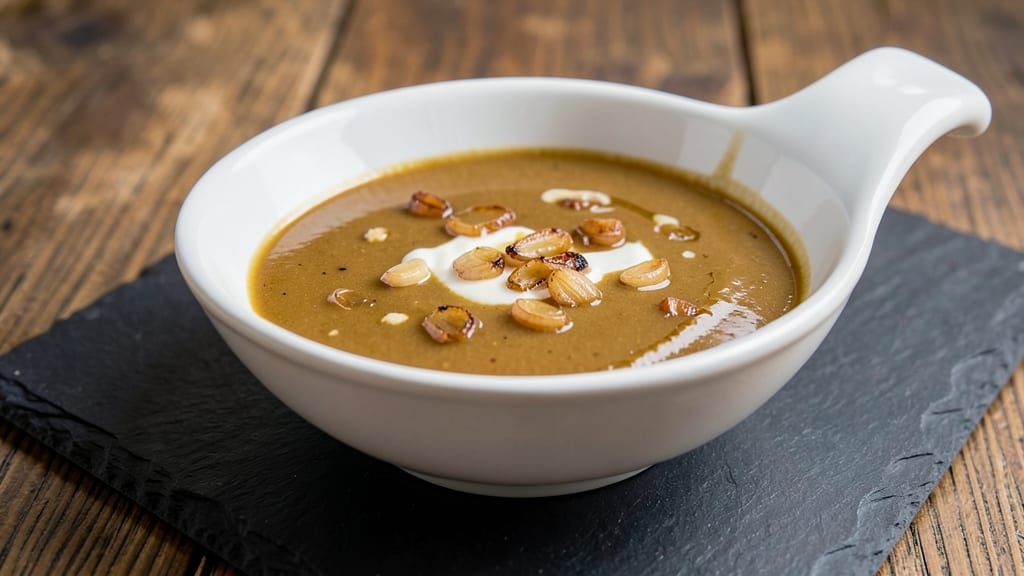
Gordon Ramsay's sauce recipe delivers that signature umami punch that transforms simple dishes into restaurant-quality masterpieces. The secret lies in balancing rich ingredients—like butter, cream, and a splash of wine—with precise reduction techniques that concentrate flavors without overpowering them.
I’ve recreated this sauce after years of studying his methods, and the results are consistently bold yet refined.
This sauce builds depth through a simple yet powerful process: first, you develop a flavor base with shallots and garlic, then deglaze with white wine to unlock caramelized richness. The cream and butter emulsify smoothly, creating a velvety texture that clings to proteins or vegetables like a second skin.
What sets this apart is the umami boost from a touch of Worcestershire sauce—a Ramsay hallmark that elevates every bite.
The final product is a glossy, aromatic sauce with a perfect balance of richness and acidity, ready to drizzle over grilled steaks, roasted vegetables, or even pasta. It keeps well in the fridge for up to 5 days, making it ideal for meal prep or last-minute dinner upgrades.
The key is patience during the reduction—rushing this step ruins the sauce’s depth.
Pair this with seared scallops, herb-roasted chicken, or even mashed potatoes for a dish that feels like a Michelin-starred meal. The sauce’s versatility means it adapts to any protein or vegetable, but its true magic lies in how it enhances what’s already on your plate.
Let’s get cooking—your taste buds will thank you.
Ingredients for gordon ramsay sauce
Nine ingredients, one sauce. Restaurant-quality umami in your kitchen.
| Ingredient | Amount | Notes |
|---|---|---|
| Unsalted Butter 🧈 | ½ cup | Cold, cubed for emulsification |
| Heavy Whipping Cream 🥛 | 1 cup | Full-fat for richness |
| Shallots 🧅 | 4 whole | Minced, not chopped |
| Garlic Cloves 🧄 | 4 cloves | Peeled, thinly sliced |
| Dry White Wine 🍷 | ½ cup | Sauvignon Blanc preferred |
| Chicken Stock 🍲 | 1 cup | Homemade or quality store-bought |
| Worcestershire Sauce 💧 | 1 tbsp | Original, not vegetarian |
| Extra-Virgin Olive Oil 🫒 | 2 tbsp | For deglazing |
| Diamond Crystal Kosher Salt 🧂 | ½ tsp | Adjust to taste |
| Freshly Ground Black Pepper 🌶️ | ¼ tsp | Freshly cracked |
The butter and cream are non-negotiable here—full-fat versions only. Plugrá or Land O'Lakes heavy cream works best, and grab unsalted butter from the refrigerated section (the kind in the paper box). Shallots are key—they’re milder than onions but sweeter, giving that refined depth Ramsay loves. Whole Foods or Trader Joe's carry pre-minced shallots if you're short on time, but fresh is always better. Garlic should be fresh—no pre-minced jars here. Costco or local farmers' markets often have great prices on garlic bulbs.
No white wine? Dry vermouth or even apple cider vinegar works in a pinch (use half the amount). Chicken stock can be swapped for vegetable stock if vegetarian, but the umami will be different. Worcestershire sauce is the secret weapon—Lea & Perrins is the original, and it’s worth tracking down. For the olive oil, California brands like Corto or Lucini add a fruity note that pairs perfectly. The salt and pepper need to be fresh—Diamond Crystal kosher salt dissolves easily, and a pepper grinder makes all the difference.
This sauce keeps beautifully—5 days in the fridge in an airtight jar, or 3 months frozen in ice cube trays for single servings. The texture changes slightly when reheated, so I like to make extra and use it fresh. For best results, reheat gently on low heat, stirring constantly. The sauce thickens as it cools, so don’t over-reduce. A splash of warm water thins it out if needed.
Why You'll Love This Recipe
- No Wine List Needed: I keep a cheap bottle of dry white wine in my fridge just for this sauce—no fancy labels, just something crisp. That first splash reduces down into something rich and complex, turning basic ingredients into something restaurant-worthy without breaking the bank.
- Creamy Without the Hassle: The butter and cream combine so smoothly, you won’t believe how little effort it takes. One wrong move with a roux? Not here. Just melt, simmer, and let the shallots and garlic do their magic—no flour, no fuss, just velvety perfection every time.
- Dinner Party Ready: Serve it over steak, drizzle it on fish, or even slather it on grilled chicken—it’s the kind of sauce that makes you look like a pro. Honestly, I’ve used it for everything from weeknight suppers to holiday dinners, and no one’s ever asked what’s in it.
- Leftovers That Taste Better: This sauce actually improves the next day—thicker, deeper, and even more delicious. I make a double batch on Sundays, store it in the fridge, and use it all week. (Yes, even on a Tuesday night.) The wine flavor mellows into something warm and inviting, like a hug in sauce form.
Step-by-step instructions for gordon Ramsay's signature umami sauce
This rich, velvety sauce comes together in minutes with just a few simple techniques.
Sauté Shallots and Garlic Until Golden
Heat the 2 tablespoons extra-virgin olive oil in a medium saucepan over medium-low heat. Add the 4 whole shallots that you've minced and cook for 8-10 minutes, stirring occasionally, until they turn a deep golden brown and become very tender. This slow cooking caramelizes their natural sugars, building deep flavor.
Add the 4 cloves thinly sliced garlic and cook for another 30 seconds until fragrant—don't let it brown or it'll turn bitter. The key here is patience; rushed cooking leads to raw garlic flavor that ruins the sauce. You'll know it's ready when the shallots are soft and the garlic smells like a French bistro should.
Deglaze with Wine and Stock
Pour in the 0.5 cup dry white wine and let it bubble away for 2-3 minutes until completely reduced by half. The alcohol will cook off, leaving just the wine's fruity essence behind. Scrape up any browned bits from the bottom with a wooden spoon—these contain concentrated flavor that makes all the difference.
Add the 1 cup chicken stock and bring to a gentle simmer. Let it cook uncovered for 5 minutes until the liquid reduces by about one-third. This concentration deepens the sauce's richness. If you see any foam forming, skim it off—it's just protein from the stock that we don't want in our finished sauce.
Build the Sauce with Butter and Cream
Reduce heat to low and add the 0.5 cup cold cubed unsalted butter. Stir constantly until the butter melts completely and the sauce begins to emulsify—this should take about 2 minutes. The cold butter helps stabilize the sauce and gives it that luxurious mouthfeel.
Pour in the 1 cup heavy whipping cream and stir gently. Let the sauce simmer for 3-4 minutes until it thickens slightly but still coats the back of a spoon. You're aiming for a velvety consistency—not too thick, not too thin. If it starts to separate, whisk vigorously to recombine.
Finish with Seasonings and Rest
Remove from heat and stir in the 1 tablespoon Worcestershire sauce, 0.5 teaspoon kosher salt, and 0.25 teaspoon freshly ground black pepper. Taste and adjust the seasoning—this is where you can really make the sauce your own. The Worcestershire adds that signature umami depth that makes this sauce so special.
Let the sauce rest for 5 minutes off the heat. This allows the flavors to meld completely and the sauce to reach its perfect consistency. If it thickens too much while resting, whisk in 1-2 teaspoons of hot water to loosen it. Serve immediately over grilled meats, pasta, or vegetables for maximum impact.
Pro Tips For Making Gordon Ramsay Sauce
- SWEEAT SHALLOTS LOW: I learned this the hard way—shallots burn faster than onions. Cook them on medium-low with a splash of wine from the start, stirring like you’re stirring a pot of oatmeal. If they start to color too quickly, pull the pan off the heat for 10 seconds. You want them soft and translucent, not crispy.
- USE COLD BUTTER: Unsalted butter straight from the fridge melts slower, giving you more control. Cut it into small cubes and add them last, letting the sauce simmer until it’s just thickened before stirring them in. This keeps the sauce glossy and prevents it from breaking.
- DEGLAZE WITH WINE: Don’t just pour the wine in—swirl it around the pan first to lift those browned bits. Let it reduce by half before adding the cream. Skipping this step means missing out on the rich, caramelized depth that makes this sauce sing.
- STRAIN THE CREAM: Heavy cream can leave behind a thin film of milk solids that makes the sauce look dull. After heating the cream, strain it through a fine-mesh sieve before mixing it into the shallot-wine base. It’s a little extra work, but the result is silky smooth.
Best sauces and condiments for this recipe
Pan Sauce Upgrade
This sauce transforms into a pan sauce when you use the drippings from seared proteins like steak or chicken. After cooking your protein, remove it from the pan and deglaze with ¼ cup white wine (or the same amount of stock if you prefer).
Scrape up those golden brown bits—they’re packed with flavor. Then, whisk in 2 tablespoons cold butter and 1 tablespoon heavy cream to create a quick, restaurant-worthy sauce. The result? A glossy, rich finish that clings perfectly to your dish. 🔥
Creamy Pasta Sauce
For pasta, toss this sauce with freshly cooked spaghetti or fettuccine. The creaminess coats each noodle beautifully, and the umami depth from the Worcestershire sauce makes every bite unforgettable. I like to add 1 teaspoon fresh lemon zest at the end for a bright contrast to the richness.
Garnish with chopped parsley and grated Parmesan for a dish that feels like a Michelin-starred meal. The sauce thickens as it sits, so add a splash of pasta water if needed.
Vegetable Glaze
Brush this sauce over roasted vegetables like Brussels sprouts, asparagus, or carrots in the last 5 minutes of roasting. The butter and cream create a caramelized glaze that enhances their natural sweetness. For extra depth, sprinkle with toasted breadcrumbs and fresh herbs before serving.
It’s a game-changer for turning simple veggies into a showstopping side dish. The sauce’s velvety texture pairs especially well with earthy, hearty vegetables.
Protein Marinade
Use this sauce as a marinade for chicken or fish by thinning it with 2 tablespoons olive oil and letting it sit for 30 minutes before cooking. The flavors penetrate deeply, ensuring every bite is packed with umami.
I’ve used it on grilled salmon and herb-roasted chicken thighs, and the results are always impressive. Just be sure to reserve some sauce to drizzle over the finished dish for that extra touch of luxury. The marinade works best when applied to room-temperature protein.
Dipping Sauce
Thin the sauce with 2 tablespoons warm water or stock to create a dipping sauce for spring rolls, dumplings, or even fries. The balance of creaminess and umami makes it addictive. For a spicy kick, stir in ½ teaspoon sriracha or 1 teaspoon chili crisp.
This sauce is perfect for game day or as a quick appetizer. Serve it warm in a small bowl with a drizzle of extra-virgin olive oil on top for added elegance. 💫
Gravy Base
Use this sauce as a starting point for gravy by thickening it with a roux (equal parts butter and flour cooked until golden). Stir in 1 cup additional stock and simmer until smooth. The Worcestershire sauce adds depth that store-bought gravy mixes can’t match.
It’s ideal for mashed potatoes, roasted meats, or even Thanksgiving turkey. The sauce’s rich, velvety texture makes it a versatile base for any gravy recipe you can imagine.
Nutrition facts
Frequently asked questions
Can I make this sauce without white wine?
Use 0.5 cup dry vermouth or even apple cider vinegar (reduce to ¼ cup since it's more acidic). The key is to use something acidic to deglaze and build flavor. For a non-alcoholic version, try white grape juice reduced by half. The sauce will still develop depth—just without the wine's fruity notes.
Why does my sauce separate when I add butter?
This happens when the sauce gets too hot or the butter melts too quickly. Always use cold cubed butter and stir constantly on low heat until fully emulsified. If it separates, whisk in 1 teaspoon warm water or 1 tablespoon heavy cream to recombine. The cold butter helps stabilize the sauce—never add it all at once.
How can I make this sauce vegetarian?
Swap the chicken stock for vegetable stock and use vegetarian Worcestershire sauce (like Annie's or a homemade version with soy sauce, tamari, and miso). The umami will be slightly different but still rich. For extra depth, add 1 teaspoon nutritional yeast or ½ teaspoon smoked paprika. The sauce will still be creamy and versatile!
Can I make this sauce ahead of time?
Yes! Store it in an airtight container in the fridge for up to 5 days or freeze in ice cube trays for single servings (up to 3 months). Reheat gently on low heat, stirring constantly. The texture may thicken slightly—thin with 1-2 teaspoons warm water if needed. The flavors actually improve overnight as they meld.
What's the best way to use leftover sauce?
Drizzle over grilled steaks, roasted chicken, or mashed potatoes for instant elevation. Thin with stock or water to create a quick gravy, or use as a marinade for 30 minutes before cooking proteins. It also makes an amazing dipping sauce for spring rolls or fries—just add a pinch of chili flakes for heat. The possibilities are endless!