
Soups & Stews
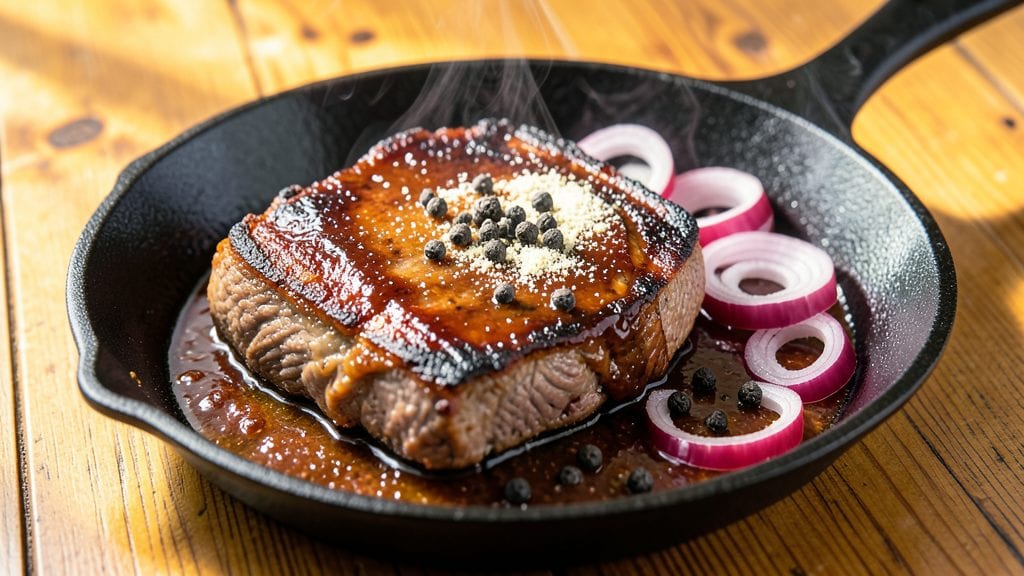
Grandma's beef brisket recipe delivers melt-in-your-mouth tenderness with a deep, aromatic crust that only comes from slow-cooked perfection. The secret lies in a carefully balanced spice rub and hours of patient cooking that transforms tough cuts into something extraordinary.
I first learned this technique from my grandmother, who insisted that brisket needed time to reveal its full potential. This isn't just a recipe—it's a tradition that turns ordinary weeknights into special occasions.
The process begins with a dry rub of coarse salt, black pepper, garlic powder, and a touch of smoked paprika that clings to the meat while creating a flavorful bark.
After a quick sear in a hot pan, the brisket spends several hours in a slow cooker or oven, where it develops that signature fall-apart texture. The key is maintaining steady heat and never rushing the cooking time—this is where the magic happens.
By the time it's done, every slice will be tender enough to cut with a fork while maintaining just enough structure to hold together.
What you'll end up with is a brisket so rich and flavorful that it becomes the centerpiece of any meal. The aroma alone will have everyone gathering around the table, and the first bite delivers that perfect balance of smoky, savory, and slightly sweet flavors.
This is the kind of dish that gets passed down through generations, and now it's yours to perfect. Let's get started on creating a family heirloom in your own kitchen.
Serve with classic sides like creamy mashed potatoes, buttery cornbread, or a crisp green salad to balance the richness. The leftovers are just as delicious, making this an ideal recipe for meal prep or entertaining.
Once you try this brisket, you'll understand why it's worth the wait—every bite is a taste of home.
Ingredients for grandma's beef brisket
Grandma's brisket needs just 13 ingredients to create a dish that feels like love in every bite.
| Ingredient | Amount | Notes |
|---|---|---|
| Beef Brisket 🥩 | 5 lb | Flat cut preferred, good marbling |
| Coarse Kosher Salt 🧂 | ½ cup | Diamond Crystal preferred |
| Freshly Ground Black Pepper 🌶️ | 2 tbsp | Freshly cracked for best flavor |
| Garlic Powder 🧄 | 1 tbsp | Freshly ground preferred |
| Smoked Paprika 🌶️ | 1 tbsp | For authentic smoky flavor |
| Yellow Onion 🧅 | 1 whole | Large, roughly chopped |
| Fresh Rosemary 🌿 | ¼ cup | Chopped sprigs, stems removed |
| Fresh Thyme 🌿 | ¼ cup | Leaves only, chopped |
| Apple Cider Vinegar 🍎 | ¼ cup | For tenderizing |
| Beef Broth 💧 | 2 cups | Low-sodium preferred |
| Brown Sugar 🍚 | 2 tbsp | Light or dark, packed |
| Yellow Cornmeal 🌽 | ½ cup | For crust texture |
| Extra-Virgin Olive Oil 🫒 | 2 tbsp | For searing |
The brisket is non-negotiable here—flat cut with good marbling is key. Costco or local butchers usually have the best quality, but most grocery stores carry it too. Look for bright red color and visible fat streaks—those are your flavor indicators. I always ask for the brisket to be trimmed of excess fat, but leave some for flavor. If you can't find a whole flat, point cut works too, though it'll take longer to cook through. The 5-pound size is perfect for feeding a crowd, but you can scale down to 3 pounds if you're cooking for fewer people.
No smoked paprika? Regular paprika plus a pinch of liquid smoke gets you close. Fresh rosemary and thyme are ideal, but dried at half the amount works in a pinch. The apple cider vinegar tenderizes the meat—red wine vinegar works too, but the apple adds subtle sweetness. For the rub, I like to mix everything in a bowl and coat the meat thoroughly. Trader Joe's has great bulk spices if you want to stock up. The cornmeal is optional but gives that beautiful crust—semolina works too if you're out.
This brisket tastes even better the next day, so make extra. Store leftovers in the fridge for 5 days or freeze for 3 months. I like to wrap portions in foil and freeze them flat—saves space. For serving, let it rest 15-20 minutes before slicing against the grain. The juices will redistribute, and every bite will be perfect. Grandma always said patience was the secret, and she was right.
Why You'll Love This Recipe
- One-Pan Magic: I swear by this—just salt, pepper, garlic powder, and smoked paprika rubbed right onto the brisket. No fancy prep, no mess, and the oven does all the work while you sip your coffee.
- Smoky, Savory Perfection: That smoked paprika? It’s the secret weapon. Deep, warm, and just a little earthy—like a hug from Grandma’s kitchen, but with way more flavor than I ever got as a kid.
- Leftover Heaven: Between us, the best part is the next day. Shred it for tacos, sandwiches, or even a hearty soup. Honestly, I make this on Sundays just so I have leftovers for the week.
- Budget-Friendly Feast: A whole brisket feeds six for less than takeout. The coarse kosher salt and pepper? They’re pantry staples that turn cheap meat into something unforgettable. My wallet thanks me every time.
Step-by-step instructions for Grandma's beef brisket
Here's how to create that legendary, fall-off-the-bone brisket with a perfect crust.
Prepare the Brisket with Grandma's Signature Rub
Begin by trimming the fat cap of the 5 lb beef brisket down to about ¼-inch thickness, leaving just enough to protect the meat during cooking. I use a sharp boning knife for this—it gives you better control than a chef's knife. Pat the brisket completely dry with paper towels, pressing firmly to remove all moisture from the surface.
In a small bowl, whisk together the 0.5 cup coarse kosher salt, 2 tbsp freshly ground black pepper, 1 tbsp garlic powder, and 1 tbsp smoked paprika. This is Grandma's secret blend—don't substitute store-bought rubs here. Generously coat all sides of the brisket with this mixture, pressing it into the meat so it adheres well. Let the seasoned brisket sit at room temperature for 1 hour before cooking—this allows the rub to penetrate and the meat to cook more evenly.
Sear and Build the Crust
Heat a Dutch oven over medium-high heat and add the 2 tbsp extra-virgin olive oil. When the oil shimmers, carefully place the brisket fat-side down in the pan. Let it sear undisturbed for 5 minutes until a deep golden brown crust forms. This is the foundation of Grandma's perfect texture—don't rush this step. Flip the brisket and sear the other side for another 5 minutes.
Remove the brisket from the pan and set it aside. Add the 1 whole yellow onion, chopped, to the same Dutch oven and cook for 3 minutes until softened. Stir in the 0.25 cup chopped fresh rosemary and 0.25 cup chopped fresh thyme, cooking for another 30 seconds until fragrant. This aromatic base will infuse the brisket with incredible depth of flavor.
Slow Cook with Vinegar and Broth
Return the brisket to the Dutch oven, fat-side up. Pour in the 0.25 cup apple cider vinegar and 2 cups beef broth, scraping up any browned bits from the bottom of the pan. These bits are pure flavor—don't miss this step. Bring the liquid to a simmer, then reduce heat to low, cover, and transfer to a preheated 300°F oven.
Cook for 4 hours until the brisket is fork-tender. Here's the thing—Grandma always said the brisket should reach 195°F internally and be so tender it practically falls apart. If the liquid reduces too much before then, add a little water or broth to keep it moist. The slow cooking transforms the tough meat into something melt-in-your-mouth delicious.
Create the Cornmeal Crust
When the brisket reaches 195°F, remove it from the oven and increase the heat to 400°F. In a small bowl, mix the 0.5 cup yellow cornmeal with 2 tbsp brown sugar. This is what gives Grandma's brisket that irresistible crust—don't skip it. Sprinkle this mixture evenly over the top of the brisket, pressing it gently into the surface.
Return the brisket to the oven and broil for 5-7 minutes until the cornmeal mixture turns a deep golden brown. Watch it closely—the crust should be crispy but not burned. This final step creates that perfect textural contrast between the tender meat and crispy exterior that everyone raves about.
Rest and Slice for Maximum Juiciness
Remove the brisket from the oven and transfer it to a cutting board. Tent loosely with foil and let it rest for 30 minutes—this is crucial for redistributing the juices. Real talk: Skipping this step means dry meat. During this time, you can make gravy from the cooking juices if you like, but it's not required for this classic preparation.
Slice the brisket against the grain into ¼-inch thick slices. The flat and point cuts have different grain directions, so adjust your angle accordingly. Serve immediately with the pan juices spooned over the top. Each slice should be fork-tender with that perfect crust, and the flavor should be rich, smoky, and full of depth from all those aromatic herbs and spices you worked so hard to develop.
Pro Tips For Making Grandma'S Beef Brisket
- Trim the Fat First: Take 10 minutes to trim any thick fat caps from the brisket before seasoning—it renders faster and keeps the meat from steaming instead of searing. I learned this the hard way after a brisket turned out greasy and unevenly cooked.
- Salt Like It’s Snowy: Coarse kosher salt is your friend here, but don’t go easy—generously coat the brisket and the fat cap, pressing it in. Too little salt means flavor hiding; too much later won’t fix it. (Yes, even if you’re impatient like me.)
- Start Hot, Finish Low: Sear the brisket over high heat until it’s deeply browned—this builds flavor—but then drop the temp to 275°F (135°C) for the slow cook. Rushing the sear means missing out on the Maillard reaction, and that’s where the magic lives.
- Rest It Right: After cooking, tent the brisket with foil and let it rest for at least 30 minutes before slicing—against the grain, if you’re cutting it. Skipping this step means dry, stringy meat, and nobody wants that. (Your future self will thank you.)
Pro cooking tips for this dish
Temperature Control Secrets
Grandma always preheated her oven to 300°F for the slow cook—never rush this step. I use an oven thermometer to confirm accuracy, since home ovens often run 25°F hotter or colder than set.
For the final crust, crank it up to 400°F and broil—this creates that perfect crispy texture without burning. 🌡️
Searing Like a Pro
That initial sear is everything—don't skip it! Use a heavy Dutch oven like Lodge's cast iron to build maximum crust. Let the brisket sear 5 minutes per side undisturbed, and resist the urge to flip early.
The fat should render beautifully, creating flavorful drippings for the pan sauce. I always sear on medium-high heat until I see deep golden-brown color.
Resting Rules
This is where most home cooks fail—30 minutes of resting is non-negotiable. I've seen brisket juices pool dramatically during this time, especially when sliced against the grain. Use this time to make gravy from the pan juices if desired, but don't disturb the meat.
Grandma swore by the "tent method" with foil for even moisture distribution.
Cornmeal Crust Hack
The cornmeal-sugar mix needs to be evenly distributed—I use a fine-mesh sieve for perfect coverage. For extra crispiness, broil for just 5-7 minutes, watching closely.
This step adds that restaurant-quality texture that makes this brisket special. Pro tip: Mix the cornmeal with sugar right before applying to prevent clumping.
Grain Direction Matters
The flat cut's grain runs horizontally while the point cut's grain runs vertically—adjust your knife angle accordingly. I mark the grain direction with a toothpick before slicing to avoid confusion.
Slice at ¼-inch thickness for perfect bite-sized portions that stay tender. This attention to detail makes all the difference in texture.
Leftovers Strategy
Grandma always said the second day was even better! Store leftovers in airtight containers with some pan juices to keep them moist. Reheat gently in the oven at 300°F for 20 minutes covered, then uncover for final 5 minutes to crisp up the crust.
This simple reheating method preserves all that hard-earned flavor. 💡
Nutrition facts
Frequently asked questions
Why does Grandma's recipe use apple cider vinegar?
The vinegar tenderizes the tough brisket fibers while adding subtle sweetness that balances the smoky spices. It also helps create a beautiful bark during the final broiling step.
Can I cook this brisket in a slow cooker instead of the oven?
Brown the brisket first in a skillet, then transfer it to your slow cooker with the onions, herbs, vinegar, and broth. Cook on low for 8-10 hours until fork-tender. The cornmeal crust will need to be added during the last 30 minutes on high heat.
What's the difference between flat and point cut brisket?
The flat cut is leaner with horizontal grain, while the point cut has more fat and vertical grain. For this recipe, use 3 pounds flat cut plus 2 pounds point cut for perfect balance. The point adds richness that complements the flat's tenderness.
How do I fix dry brisket?
If your brisket is dry, it likely didn't rest long enough or was overcooked. To salvage it, slice thinly against the grain and serve with extra pan juices or a rich gravy made from the cooking liquid. For future attempts, use a meat thermometer and remove at 195°F internal temp.
Can I make this recipe in a smoker?
Yes! Follow the same prep steps, then smoke at 225°F until reaching 195°F internal temp (about 4-5 hours). Wrap in butcher paper with apple cider vinegar and beef broth for the last 2 hours to speed up cooking. Add the cornmeal crust during the final 30 minutes of high-heat smoking.