
Desserts
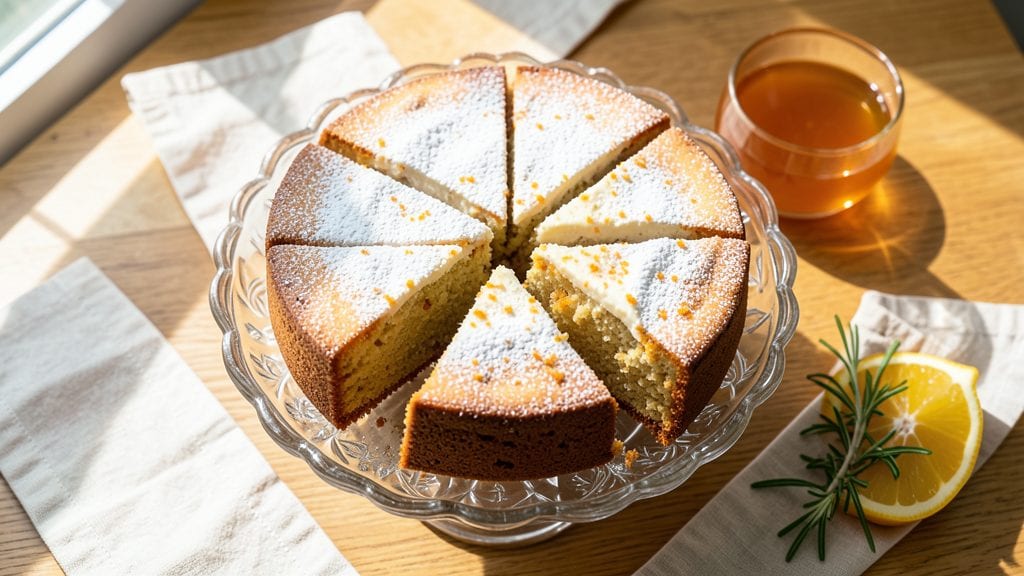
Grandma’s orange cake recipe brings back the warm, citrusy aroma of Sunday afternoons—when the kitchen smelled like vanilla and sunshine. The secret lies in balancing bright orange zest with tender vanilla cake layers, creating a dessert that’s both nostalgic and impossibly moist.
I’ve baked this version dozens of times, and it never fails to deliver that perfect harmony of flavors.
This recipe combines classic techniques with a few professional tricks: folding in orange juice for extra moisture, using buttermilk for tenderness, and finishing with a simple orange glaze that ties everything together.
The cake bakes in just 35 minutes at 350°F, yielding layers that stay soft for days, while the glaze adds a glossy, sweet-tart finish that makes every slice feel special.
What you’ll end up with is a cake that’s light enough to eat with a spoon but sturdy enough to slice neatly—golden layers with a hint of citrus in every bite. The glaze isn’t overly sweet; it’s just enough to enhance the natural orange flavor without overpowering the vanilla.
This is the kind of dessert that tastes like home, no matter how many times you make it.
Perfect for birthdays, holidays, or just because—this cake pairs beautifully with whipped cream or a dollop of vanilla ice cream. Let’s get baking!
Ingredients for grandma's orange cake
Classic pantry staples plus a few bright citrus touches—this is where the magic happens.
| Ingredient | Amount | Notes |
|---|---|---|
| All-Purpose Flour 🌾 | 2 ½ cups | Sifted for light texture |
| Granulated Sugar 🍚 | 2 cups | White or light brown |
| Orange Zest 🍊 | 2 tbsp | Fresh, finely grated |
| Orange Juice 🍊 | ¾ cup | Freshly squeezed, no pulp |
| Unsalted Butter 🧈 | 1 cup | Room temperature, full-fat |
| Buttermilk 🥛 | 1 cup | Full-fat preferred |
| Large Eggs 🥚 | 2 whole | Room temperature |
| Vanilla Extract 🌿 | 2 tsp | Pure, high-quality |
| Baking Powder 🧂 | 2 tsp | Double-acting preferred |
| Salt 🧂 | ½ tsp | Fine sea salt |
| Powdered Sugar 🍚 | 1 cup | For glaze |
| Orange Juice 🍊 | ¼ cup | Fresh, for glaze |
| Orange Zest 🍊 | 1 tbsp | Extra for glaze |
The orange juice and zest are non-negotiable here—fresh is a must. Trader Joe's has the best organic oranges year-round, but any juicy variety works. For zest, use a microplane to get fine, fragrant strips. The buttermilk? Don't substitute with regular milk—it changes the texture completely. I always buy Land O'Lakes buttermilk because it's consistent, but any brand works. The eggs should be room temperature—just take them out 30 minutes before baking.
No buttermilk? Mix 1 cup milk with 1 tbsp lemon juice or vinegar, let sit 5 minutes. Short on orange juice? Substitute with grapefruit juice at half the amount, but the flavor will be different. The powdered sugar for the glaze can be swapped for confectioners' sugar from Domino—just make sure it's lumpy-free. For extra richness, add a pinch of cream cheese to the glaze. The vanilla extract? Pure Madagascar bourbon vanilla makes a world of difference, but imitation works in a pinch.
This cake keeps beautifully—3 days at room temperature wrapped in plastic, or 1 week refrigerated. For the glaze, mix it up right before serving—it sets fast. I like to slice and serve immediately so the layers stay moist. Freeze portions for up to 3 months—just thaw overnight in the fridge. The glaze can be made ahead too, stored in the fridge for 1 week.
Why You'll Love This Recipe
- No-Zest Wasted: I’ll use every last bit of that orange—zest goes in the cake, juice in the glaze, and the scraps? Toss them in a pitcher of iced tea. Zero food waste, all sunshine flavor.
- Buttercream Magic: That rich buttercream—just sugar, butter, and a splash of orange juice—melts in your mouth like a hug. Honestly, I’ve tried store-bought frosting, but this? It’s the real deal.
- Birthday Crowd-Pleaser: Slice it for a kid’s party, pack it for a potluck, or just eat the whole thing yourself. The bright orange flavor feels festive, but it’s simple enough for a Tuesday night (yes, even on a Tuesday night).
- Lasts All Week: One cake feeds my family for days—morning toast, afternoon snack, or late-night craving. And the glaze keeps it moist? My secret weapon for lazy mornings.
Step-by-step instructions for Grandma's orange cake recipe
Here's how to bake a moist, citrusy orange cake with that signature glaze.
Cream Butter and Sugar Together
In a large mixing bowl, combine the 1 cup unsalted butter and 2 cups granulated sugar. Using an electric mixer on medium speed, beat for about 3-5 minutes until light and fluffy. You'll know it's ready when the mixture turns pale and nearly doubles in volume. This step is crucial because it incorporates air, which helps create that tender cake texture.
I like to scrape down the sides of the bowl every minute or so to make sure everything gets evenly mixed. If your butter isn't quite room temperature, don't worry—just let it sit at room temperature for another 10 minutes and try again. The goal is to get that smooth, creamy consistency before moving on to the next ingredients.
Add Eggs and Orange Juice
Add the 2 whole large eggs, one at a time, mixing well after each addition. Then stir in the 2 teaspoons vanilla extract and 0.75 cup orange juice. Mix on low speed just until everything is combined. You don't want to overmix here—just until you see no streaks of egg or vanilla remaining.
This is the moment that matters: the orange juice adds natural sweetness and moisture, while the vanilla extract brings depth of flavor. Don't skip this step—it's what makes this cake taste like Grandma's. If your mixture looks curdled, don't panic. It'll smooth out once you add the dry ingredients.
Combine Wet and Dry Ingredients
In a separate bowl, sift together the 2.5 cups all-purpose flour, 2 teaspoons baking powder, and 0.5 teaspoon salt. With the mixer on low speed, gradually add the dry ingredients to the wet mixture. Mix just until combined—about 30 seconds to 1 minute. You should still see some flour streaks, which means you haven't overmixed the batter.
Next, fold in the 2 tablespoons orange zest using a spatula. Be gentle here—you want to keep as much air in the batter as possible. The orange zest is what gives this cake its signature citrusy aroma and flavor. If you don't have fresh orange zest, you can use dried zest, but it won't have the same bright flavor.
Bake to Golden Perfection
Preheat your oven to 350°F. Pour the batter into two greased and floured 8-inch round cake pans. Smooth the tops with a spatula. Bake for 25-30 minutes, or until a toothpick inserted into the center comes out clean. The edges should be golden brown, but the top might still look slightly underdone—that's normal.
Don't open the oven door during the first 20 minutes of baking. This helps the cake rise properly and prevents it from sinking. Once the cake is done, let it cool in the pans for 10 minutes, then transfer to a wire rack to cool completely. This resting period is important—it allows the cake to set and makes slicing easier.
Prepare the Orange Glaze
While the cake is cooling, prepare the glaze by whisking together 1 cup powdered sugar, 0.25 cup orange juice, and 1 tablespoon orange zest in a small bowl. The glaze should be smooth and slightly thick, but not too runny. If it's too thick, add a splash more orange juice, 1 teaspoon at a time, until you reach the right consistency.
Once the cake is completely cool, drizzle the glaze evenly over the top and sides. Let the glaze set for 10 minutes before slicing. This step adds that signature shine and extra citrus flavor that makes this cake special. Serve it warm or at room temperature—either way, it's a crowd-pleaser!
Pro Tips For Making Grandma'S Orange Cake
- Whisk Butter Slowly: If you dump cold butter into sugar and start beating like you’re mad at it, you’ll end up with a greasy mess instead of fluffy peaks. Let the butter soften first (room temp, not warm—just press your finger in and it should dent slightly), then beat it with the sugar on medium-low for a solid 3-4 minutes. That’s when the butter starts to look pale and actually creamy, not just lumpy.
- Zest Fresh, Juice Strain: The zest from a grocery-store orange is fine, but if you’ve got a few minutes, use a microplane and scrape the outer layer of a ripe, organic orange—skip the white pith, or your cake will taste bitter. For the juice, strain it through a fine-mesh sieve or cheesecloth to remove pulp; thick pulp makes the batter gummy and the cake dense. (Yes, even if you’re in a hurry.)
- Avoid Overmixing Dry Ingredients: Once you add the flour to the wet mixture, fold it in just until combined—not until you’re tired of stirring. Overmixing develops gluten, and your cake will turn out tough instead of tender. Use a spatula and give it 12-15 gentle folds max. (I learned this after making a cake so dense it could’ve been a doorstop.)
- Check Oven Temp Early: Preheat your oven to 350°F, but slide a toothpick in the center of the cake 10 minutes before the recipe’s suggested baking time. If it comes out with wet batter clinging to it, crank the heat up 25°F and bake 5 more minutes. Ovens lie—especially if they’re old or you live in a drafty kitchen. Trust the toothpick, not the clock.
Wine and beer pairings for these flavors
Citrus-Forward Whites
This cake’s bright orange notes pair beautifully with crisp, aromatic whites that complement—not overpower—the citrus. I reach for a Sauvignon Blanc from New Zealand, like Kim Crawford’s “Cuvée”, with its zesty lime and grapefruit undertones that mirror the cake’s zest.
The acidity cuts through the richness, making each bite feel refreshing. 🍷
For a lighter option, try a Pinot Grigio from Italy—Santa Margherita’s “La Giara” is my go-to—its delicate almond and pear notes balance the orange’s tang without competing. Serve slightly chilled to enhance the citrus flavors and keep the cake’s moisture intact.
Sweet Dessert Reds
If you prefer red wine, opt for a light-bodied, fruity option like Brachetto d’Acqui from Piedmont, Italy. This sparkling red wine has natural sweetness and strawberry notes that harmonize with the orange glaze. It’s slightly fizzy, which cleanses the palate between bites. 🍇
For a more traditional pairing, a Lambrusco (dry or semi-dry) adds a touch of earthiness that contrasts the cake’s brightness. Look for Cleto Chiarli’s “Riserva”—its cherry and vanilla flavors echo the cake’s spices while keeping the citrus front and center.
Beer Pairings
A Belgian witbier like Stella Artois or Hoegaarden is my top beer choice—its coriander and citrus notes amplify the orange’s natural sweetness. The effervescence also helps reset your palate between slices. Serve slightly chilled for the best experience. 🍺
For a richer option, try a honey wheat ale like Allagash White. The caramel and floral notes complement the cake’s vanilla and orange zest, creating a cozy, dessert-like pairing. Avoid heavy stouts or IPAs—they’ll overpower the delicate citrus flavors.
Non-Alcoholic Options
For a refreshing non-alcoholic match, serve the cake with sparkling blood orange soda like San Pellegrino Aranciata. The bubbles and citrus notes enhance the cake’s natural flavors without distraction. 🍊
Alternatively, a vanilla chai latte from Starbucks (made with oat milk) adds warmth and creaminess that contrasts the cake’s tangy glaze. The spices in the chai—cinnamon and cardamom—tie back to the cake’s vanilla and orange undertones.
Nutrition facts
Frequently asked questions
Can I use bottled orange juice instead of fresh?
The recipe calls for fresh orange juice because it adds natural sweetness and brightness that bottled juice can't match. If you must use bottled, look for 100% orange juice with no added sugars. Reduce the amount by 1 tablespoon since bottled juice tends to be sweeter, and add 1 teaspoon extra zest to compensate for the lost flavor.
Why does my cake turn out dry?
Overmixing the batter or baking too long are the most common causes. Mix just until combined (about 1 minute after adding dry ingredients), and check for doneness at 25 minutes—the cake should pull away from the pan edges but still be slightly springy in the center. For extra moisture, brush warm layers with simple syrup (equal parts sugar and water) before adding glaze.
How do I make this cake gluten-free?
Replace the all-purpose flour with a 1:1 gluten-free baking flour blend like Bob's Red Mill or King Arthur. Add ½ teaspoon xanthan gum to help bind the cake. You may need to increase the orange juice by 2 tablespoons since gluten-free flours absorb more liquid. Bake at 325°F for 30-35 minutes to prevent over-browning.
Can I make this cake in a single layer instead of two?
Use one 9-inch round pan or 8-inch square pan and reduce baking time by 5-7 minutes. The glaze will spread more easily, so double the amount to fully coat. For a taller cake, bake in a 6-inch round pan for 25-30 minutes—just check for doneness early since smaller pans bake faster.
What's the best way to store leftovers?
Wrap the cake tightly in plastic wrap and store at room temperature for up to 3 days. For longer storage, refrigerate for 1 week or freeze slices for 3 months. To refresh, rewarm slices in a 300°F oven for 5 minutes with a damp paper towel over them. The glaze may soften slightly when frozen, so add a little extra powdered sugar when reheating.