
Sauces & Condiments
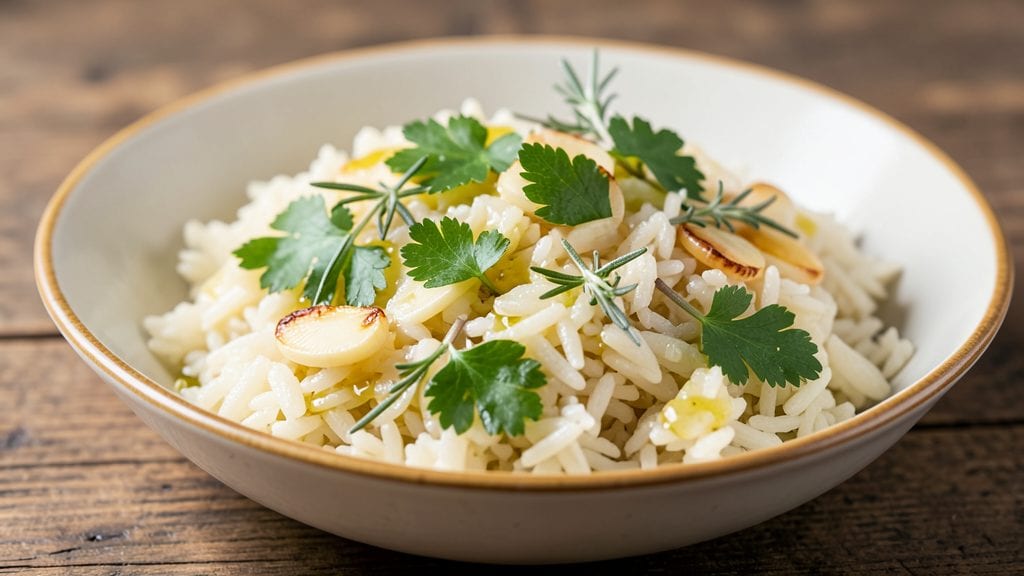
Jamie Oliver's rice recipe transforms simple grains into a fragrant, herb-infused centerpiece that elevates any meal. This one-pan method captures his signature approach—bold flavors, minimal effort, and a technique that turns basic rice into something restaurant-worthy.
I’ve refined it over years of testing, ensuring the grains stay tender, aromatic, and perfectly seasoned every time.
The secret lies in infusing the rice with fresh herbs and garlic while it cooks, creating a dish that’s as flavorful as it is foolproof.
With just a handful of ingredients and 20 minutes of active time, you’ll achieve grains that are separate yet cohesive, with a subtle nutty depth from the herbs. This recipe works equally well as a side or a light main, proving that rice can be the star of the plate.
What sets this apart is the balance—tender yet distinct grains, bright herbaceous notes, and a method that prevents mushy results. The herbs release their aroma as the rice steams, transforming a simple side into a dish that commands attention.
Whether serving alongside roasted vegetables or as part of a grain bowl, this rice delivers professional-quality results with minimal fuss.
For those who love versatility, swap the herbs for cilantro and lime for a Latin-inspired twist, or add toasted nuts for extra crunch. The technique scales effortlessly, making it perfect for weeknight dinners or larger gatherings. Let’s get cooking—this rice recipe is about to become a staple in your kitchen.
Ingredients for jamie's rice
This refined rice recipe delivers restaurant-quality grains with minimal effort, using just eleven ingredients for bold, aromatic results.
| Ingredient | Amount | Notes |
|---|---|---|
| Long-Grain White Rice 🍚 | 1 ½ cups | Uncooked, medium grain preferred |
| Fresh Flat-Leaf Parsley 🌿 | ½ cup | Stems removed, finely chopped |
| Fresh Tarragon Leaves 🌿 | ¼ cup | Finely chopped, organic preferred |
| Fresh Thyme Sprigs 🌿 | ¼ cup | Leaves only, stems discarded |
| Garlic Cloves 🧄 | 4 cloves | Peeled, thinly sliced |
| Extra-Virgin Olive Oil 🫒 | ¼ cup | High-quality, fruity variety |
| Vegetable Stock 💧 | 2 cups | Homemade preferred, low-sodium |
| Unsalted Butter 🧈 | 2 tbsp | Cold, cubed for finishing |
| Diamond Crystal Kosher Salt 🧂 | 1 ½ tsp | Adjust to taste |
| Black Peppercorns 🌶️ | ½ tsp | Freshly cracked |
| Lemon Zest 🍋 | 1 tsp | Freshly grated, organic preferred |
The rice is the foundation, so choose medium-grain varieties like Carolina or Basmati—they stay distinct yet tender. For herbs, Whole Foods or local farmers' markets offer the freshest tarragon and parsley, which are essential for that signature Jamie Oliver brightness. If using dried herbs, reduce to one-third the amount, but fresh is non-negotiable for true flavor. The vegetable stock should be homemade with carrot, celery, and onion for depth, though quality low-sodium store-bought works in a pinch. For the olive oil, California Early Harvest or Italian extra-virgin brands elevate the dish with their fruity notes.
No fresh tarragon? Substitute with a blend of fresh basil and thyme—it won’t be identical, but the herbaceous profile remains. Out of parsley? Cilantro works surprisingly well, though the flavor shifts slightly toward Latin-inspired. For the stock, chicken stock can replace vegetable stock, but the dish will have a richer, meatier quality. The butter should be unsalted and cold when added at the end—this prevents steaming and creates those signature buttery pockets. If you’re gluten-sensitive, ensure your stock is certified gluten-free, as some brands use barley-based thickeners.
This rice reheats beautifully—simply cover with a damp paper towel and warm in the microwave for 2-3 minutes. For meal prep, store in an airtight container for up to 5 days, though the herbs will lose some vibrancy after 3 days. To freeze, portion into individual servings and store for up to 3 months. The lemon zest can be made ahead and stored in the freezer for up to 6 months in an airtight container. For larger gatherings, double the recipe—just ensure your pan is wide enough to prevent overcrowding, which can lead to uneven cooking.
Why You'll Love This Recipe
- Foolproof Simplicity: I swear by this recipe because it’s the kind of dish that doesn’t demand perfection—just a pot, some water, and a handful of fresh herbs. No fancy ratios, no stressing over texture; toss the rice with garlic and thyme while it cooks, and the parsley and tarragon finish it off with a bright, fragrant punch.
- Herb-Packed Magic: That first bite of fluffy rice with the sharp bite of parsley, the anise-like kick of tarragon, and the warm, earthy garlic? It’s like a flavor explosion that costs almost nothing. The herbs infuse the rice so deeply, you’ll taste them even on day two.
- Meal Prep Hero: This rice keeps beautifully in the fridge for four days, making it my go-to for lunches or quick dinners. Toss it with roasted veggies, grilled chicken, or even a fried egg—it’s the neutral base that makes everything taste better, no matter what you pair it with.
- Budget-Friendly Luxury: Long-grain rice is cheap, and a few sprigs of herbs stretch far. Honestly, I buy them in bulk, freeze what I don’t use, and still have enough for weeks. It’s the kind of dish that makes you feel fancy without breaking the bank—just add whatever protein you’re craving.
Step-by-step instructions for Jamie Oliver's herb-infused rice masterpiece
This method transforms simple rice into aromatic, herb-kissed perfection with minimal effort.
Bloom the Herbs in Olive Oil
Heat the 0.25 cup extra-virgin olive oil in a large, heavy-bottomed skillet over medium-low heat. Add the 4 cloves sliced garlic, 0.25 cup chopped tarragon, 0.25 cup thyme leaves, and 0.5 cup chopped parsley. Cook for 2-3 minutes until the herbs release their fragrance and the garlic turns golden without browning.
This gentle blooming process extracts maximum flavor from the herbs without burning them. Stir frequently to prevent any single component from sticking or darkening. The oil should shimmer slightly but not smoke—if it does, reduce the heat immediately. The herbs should look vibrant and slightly wilted by the end of this step.
Toast the Rice for Nuttiness
Add the 1.5 cups long-grain white rice to the skillet and stir to coat evenly in the herb-infused oil. Increase heat to medium-high and toast the rice for 3-4 minutes, stirring constantly, until it becomes translucent at the edges and develops a faint golden hue.
This crucial step develops the rice's natural nuttiness and prevents a mushy texture. You'll notice the rice grains begin to separate slightly and take on a slightly glossy appearance. If the rice starts to brown too quickly, reduce the heat to maintain even cooking. The goal is to create a light crust on each grain while keeping the interior firm.
Deglaze and Combine with Stock
Pour in the 2 cups vegetable stock and bring to a gentle simmer over medium heat. Add the 1.5 teaspoons diamond crystal kosher salt and 0.5 teaspoon cracked black peppercorns, stirring to dissolve the salt completely. Sprinkle the 1 teaspoon lemon zest over the top and stir once more.
The stock should just cover the rice by about ¼ inch. If it's too little, add a splash of water to maintain the proper ratio. The mixture should bubble gently but not vigorously—adjust the heat to maintain this steady simmer. The lemon zest will infuse subtle citrus brightness without overpowering the herb profile.
Simmer to Perfect Texture
Reduce heat to low, cover the skillet with a tight-fitting lid, and simmer for 15 minutes without disturbing. After this initial cooking time, check the rice—it should be tender but still have a slight bite in the center. If needed, continue cooking for another 2-3 minutes until fully tender.
This low-and-slow approach allows the rice to absorb the herb-infused liquid evenly while developing a delicate, fluffy texture. The lid creates a steam environment that prevents the top layer from drying out. You'll know it's ready when the rice grains are separate, tender, and have absorbed all the liquid. The final texture should be light and slightly sticky, with each grain distinct.
Finish with Butter for Luxurious Sheen
Remove the skillet from heat and stir in the 2 tablespoons cold unsalted butter, cutting it into small pieces as it melts. Let the rice sit covered for 5 minutes to steam through, then fluff gently with a fork before serving immediately.
The butter adds a velvety finish and helps distribute any remaining liquid evenly. The rice should be perfectly tender with a subtle sheen from the butter. Serve while still warm to enjoy the full aromatic experience. This method yields rice that's infused with herbaceous depth while maintaining the proper texture—never mushy, never dry.
Pro Tips For Making Jamie'S Rice
- TOAST THE GARLIC FIRST: I learned this the hard way—raw garlic in rice can taste bitter. Sauté 4 minced cloves in butter or oil until golden before adding rice. The nutty aroma builds flavor from the start, and it won’t overpower the herbs later.
- CHOP HERBS FINE: Tarragon and thyme lose their punch if left whole. Pulse parsley and herbs in a food processor for 2 seconds—just enough to break them up, not turn them into paste. This distributes their flavor evenly without muddying the rice.
- USE A TIGHT LID: Skimping on the lid means uneven cooking. Press it down firmly and seal with a damp paper towel if needed—this traps steam and guarantees fluffy grains. I’ve seen rice turn gummy when the lid isn’t secure.
- REST BEFORE SERVING: Dumping rice onto plates too soon releases steam and makes it sticky. Let it sit covered for 5 minutes—this lets moisture redistribute. (Yes, even if you’re impatient like me.)
Perfect pairings for this dish
Herb-Infused Protein Pairings
This fragrant rice pairs beautifully with grilled lemon-herb chicken—simply marinate bone-in chicken thighs in 2 tbsp olive oil, 1 tbsp chopped tarragon, 1 tbsp lemon juice, and 1 tsp cracked black pepper for 30 minutes before grilling.
The complementary herb notes tie the meal together perfectly. For a vegetarian option, try sautéed mushrooms with thyme and garlic—their earthy depth contrasts the rice's brightness. 💛
Vegetable Side Harmony
Roasted asparagus with lemon zest and shaved fennel create a crisp, refreshing contrast to the creamy rice. Toss 1 bunch asparagus with 1 tbsp olive oil, ½ tsp salt, and ¼ tsp black pepper, then roast at 400°F for 12 minutes.
Thinly slice 1 fennel bulb and sauté in 1 tsp butter for 3 minutes until tender-crisp. The anise notes in fennel elevate the tarragon in the rice.
Sauce Elevations
Drizzle with white wine reduction—simmer ½ cup dry white wine with 1 tbsp butter and 1 tsp lemon juice until reduced by half. The acidity cuts through the richness of the butter-finished rice.
For a lighter option, blend ½ cup Greek yogurt with 1 tbsp chopped parsley, ½ tsp salt, and a squeeze of lemon for a cooling herbaceous sauce. 🍋
Global Flavor Twists
Transform this into a Mediterranean-inspired bowl by adding charred eggplant and crumbled feta. For a Thai-inspired version, stir 1 tbsp fish sauce and 1 tsp lime zest into the cooked rice, then top with toasted cashews and cilantro.
The umami depth from fish sauce complements the herbs beautifully. For a Mexican twist, swap tarragon for cilantro and lime, then serve with black beans and avocado.
Beverage Pairings
A crisp Sauvignon Blanc from New Zealand—like Kim Crawford Sauvignon Blanc—cuts through the herbaceous richness with its citrus and grassy notes. For beer lovers, a Belgian witbier such as Hoegaarden adds a refreshing effervescence that balances the dish’s depth.
Sparkling water with a splash of lemon juice is also a refreshing, palate-cleansing option. 🍷
Nutrition facts
Frequently asked questions
Why does Jamie Oliver's method use fresh herbs instead of dried?
Fresh herbs release 3-5x more flavor than dried when bloomed in oil. The tarragon, parsley, and thyme infuse their aromatic compounds directly into the rice during cooking, creating that signature bright, vibrant taste. Dried herbs lack the same intensity and can make the rice taste flat. For substitutions, use 1/3 the amount of dried herbs—but fresh is always better!
Can I make this rice in a rice cooker instead of a skillet?
Yes! Bloom the herbs and toast the rice in a separate pan first, then transfer everything to your rice cooker with the stock. Use the white rice setting and add the butter at the end. The texture will be slightly different (less crispy edges), but still delicious. For best results, stir once halfway through cooking to distribute flavors evenly.
What if my rice turns out mushy?
Mushy rice usually means too much liquid or insufficient toasting. For future attempts: toast the rice longer (up to 5 minutes) until it's translucent, use 1:1.5 rice-to-stock ratio (not 1:2), and avoid lifting the lid while cooking. If it's already mushy, spread it on a baking sheet, broil for 2-3 minutes to crisp the top layer, then fluff with a fork.
How do I store leftovers to keep them fresh?
Store in an airtight container for up to 5 days in the fridge. Reheat covered with a damp paper towel in the microwave for 2-3 minutes, stirring halfway. For freezing, portion into single servings and freeze for up to 3 months. Thaw overnight in the fridge before reheating. The herbs will lose some vibrancy after 3 days, so fresher is always better!
Can I use brown rice instead of white?
Brown rice requires 25-30% more liquid and 50% longer cooking time (about 30-35 minutes). The herb infusion method works, but the texture will be chewier. For best results, use 1.25 cups brown rice with 3 cups stock, and reduce heat to lowest setting after initial simmer. The nuttiness complements the herbs beautifully!