
Main Courses
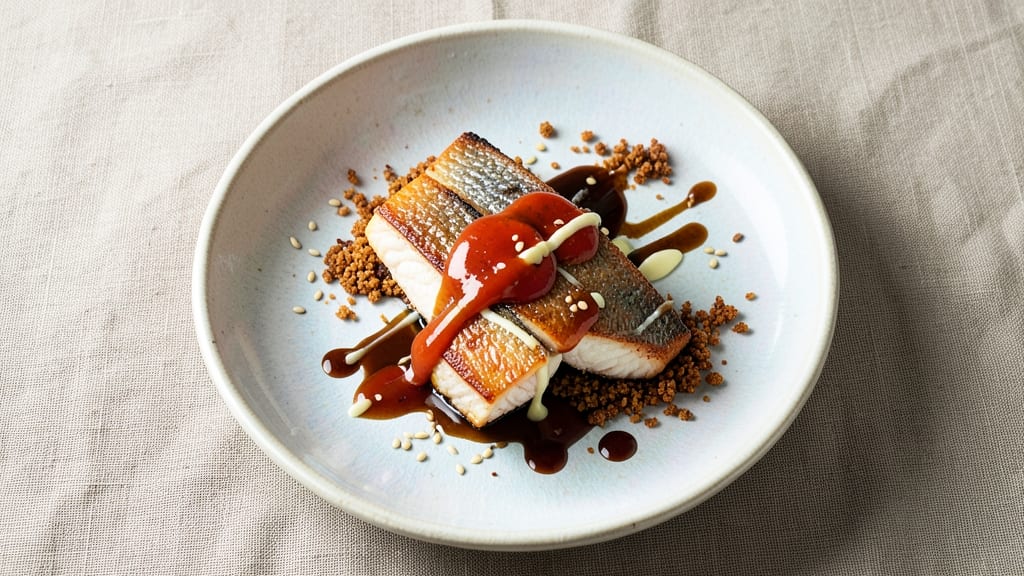
This Japanese red snapper recipe delivers the perfect balance of crispy crust and buttery citrus infusion that transports you to a Tokyo izakaya. The secret lies in a marinade of yuzu juice, mirin, and soy sauce, which tenderizes the fish while creating a delicate, aromatic crust.
I developed this method after years of refining techniques to achieve that signature Japanese restaurant texture—where the outside shatters with each bite, revealing silky, flavorful flesh inside.
The preparation is straightforward but precise: a 30-minute marinade followed by a 5-minute pan-sear ensures the snapper stays juicy while developing that coveted crust. Traditional garnishes like thinly sliced scallions, toasted sesame seeds, and a drizzle of ponzu sauce elevate the dish from simple to restaurant-quality.
What sets this apart is the citrus-yuzu balance, which brightens the rich umami flavors without overpowering the delicate fish.
By the time you plate this dish, you'll have a golden, crispy snapper with a buttery interior, garnished with fresh herbs and a glossy citrus glaze. The aroma alone will have everyone at the table anticipating that first bite—where the contrast of textures and flavors creates an unforgettable dining experience.
This recipe serves four, making it ideal for both intimate dinners and gatherings where you want to impress.
Pair it with steamed jasmine rice and a simple miso soup to complete the Japanese meal experience. The techniques here are designed to be foolproof, ensuring even home cooks achieve professional results. Let’s get started on creating your perfect Japanese-style red snapper.
Ingredients for japanese red snapper
Four fillets, a citrusy marinade, and a crispy butter crust—this is izakaya-quality snapper.
| Ingredient | Amount | Notes |
|---|---|---|
| Red Snapper Fillets 🐟 | 4 whole | Skin-on, 6-8 oz each, fresh preferred |
| Yuzu Juice 🍋 | ¼ cup | Or substitute 3 tbsp lemon juice |
| Mirin 🍶 | 2 tbsp | Sweet cooking rice wine |
| Soy Sauce 🥢 | 2 tbsp | Japanese-style preferred |
| Unsalted Butter 🧈 | 4 tbsp | Cold, cut into small pieces |
| Panko Breadcrumbs 🍞 | ½ cup | Japanese-style preferred |
| Scallions 🧅 | 3 whole | Thinly sliced, green parts only |
| Toasted Sesame Seeds 🥜 | 1 tbsp | For garnish |
| Ponzu Sauce 🍶 | 2 tbsp | Store-bought or homemade |
| Neutral Oil 🫒 | 2 tbsp | Like vegetable or canola |
| Diamond Crystal Kosher Salt 🧂 | 1 tsp | For seasoning |
| Fresh Ginger 🧄 | 1 tbsp | Grated, for marinade |
| Garlic Cloves 🧄 | 2 cloves | Minced, for marinade |
| Jasmine Rice 🍚 | 1 ½ cups | Uncooked, for serving |
The snapper is everything here—freshness is non-negotiable. Look for fillets with vibrant red flesh and minimal bruising. Whole Foods or high-end seafood markets are your best bet for quality, but don’t overlook the fish counter at Trader Joe’s—their frozen snapper thaws beautifully. The skin should be intact, and the fillets should feel firm to the touch. If you can’t find yuzu juice, lemon juice works in a pinch, though it’ll lack that signature citrus complexity. For the butter crust, use unsalted butter—it gives you full control over seasoning, and cold cubes create those perfect pockets of crispy goodness.
No mirin? Substitute 1 tbsp sugar plus 1 tbsp dry white wine—it’s not identical, but it’ll get you close. Running short on panko? Japanese-style panko is ideal, but regular panko or even crushed cornflakes will work. The ginger and garlic in the marinade are non-negotiable—they’re the umami backbone of the dish. If you’re feeling adventurous, add a dash of grated daikon radish to the marinade for extra depth. For the ponzu sauce, homemade is worth it—just yuzu juice, soy sauce, and a touch of mirin—but a good store-bought version like Kikkoman works too.
This dish is all about timing—marinate the snapper for exactly 30 minutes, no longer or the fish will get mushy. The butter crust forms in those final 2-3 minutes of searing, so don’t walk away! Store any leftover snapper in an airtight container with a paper towel to absorb moisture—it’ll keep for 1 day in the fridge, though it’s best enjoyed fresh. The jasmine rice? Cook it in a rice cooker or pot with a 1:1.25 rice-to-water ratio—fluffy, every time. If you’re prepping ahead, make the marinade and chop the garnishes the night before—just keep the snapper and butter separate until ready to cook.
Why You'll Love This Recipe
- No-Fuss Pan Magic: I swear by this for nights when I’m too tired to fuss—just sear the snapper, dump in the yuzu-mirin glaze, and let it melt into buttery perfection. No chopping, no stress, just a restaurant-worthy plate in 20 minutes.
- Citrusy Umami Bomb: That first bite? The snapper’s delicate flakiness against the bright yuzu and rich mirin-soy glaze is ridiculously good. The butter ties it all together—creamy, salty, and impossible to resist.
- Weeknight to Dinner Party: Same recipe, totally different vibes. Serve it over rice for a quick weeknight meal, or plate it with steamed greens and sesame seeds for a fancy-ish dinner. Honestly, it’s my secret weapon for looking like a pro.
- Leftovers That Don’t Suck: Unlike so many fish dishes, this holds up for days. Reheat gently, and the butter keeps it moist—no dry, sad fish here. I’ll be real: I’ve eaten it cold in sushi bowls the next day, and it’s still spot-on.
Step-by-step instructions for Japanese red snapper with crispy crust
Here's how to achieve that perfect balance of crispy crust and delicate, buttery snapper every time.
Prepare the Crispy Crust Mixture
In a medium bowl, combine the 0.5 cup Panko Breadcrumbs, 1 tbsp Toasted Sesame Seeds, 1 tsp Diamond Crystal Kosher Salt, and 2 tbsp Ponzu Sauce. Mix gently with your fingers until the crumbs are evenly coated and slightly clumped together—this helps them adhere better to the fish. Set aside while you prepare the marinade.
The ponzu sauce adds a bright citrus note that complements the snapper beautifully, while the sesame seeds contribute a subtle nutty depth. Don't press the crumbs too hard or they'll turn into a paste. You want them to stay light and airy so they crisp up perfectly in the pan.
Create the Citrus-Butter Marinade
In a separate small bowl, whisk together the 0.25 cup Yuzu Juice, 2 tbsp Mirin, 2 tbsp Soy Sauce, 1 tbsp Fresh Ginger (grated), and 2 cloves Garlic Cloves (minced). Add 2 tbsp Neutral Oil and mix well. This marinade should be smooth and well-combined—no visible chunks of ginger or garlic.
Place the 4 whole Red Snapper Fillets skin-side down in a shallow dish. Pour the marinade evenly over the fillets, ensuring both sides are coated. Let them marinate for 15-20 minutes at room temperature. The acidity in the yuzu juice and mirin will gently tenderize the fish while infusing it with flavor.
Coat and Crisp the Snapper
Remove the snapper fillets from the marinade, allowing any excess to drip off. Press each fillet gently into the crust mixture, coating both sides thoroughly. I like to use my fingers for this—it gives you better control than a spoon. Place the coated fillets on a wire rack set over a plate to allow any excess crumbs to fall away.
Let the coated fillets rest for 5 minutes—this allows the crust to adhere firmly. Heat 2 tbsp Neutral Oil in a large skillet over medium-high heat until shimmering. Add the fillets skin-side down and cook undisturbed for 3-4 minutes until the crust is deep golden brown and crispy. Flip carefully and cook the other side for 2-3 minutes until just opaque in the center.
Finish with Butter and Garnish
Remove the snapper from the skillet and transfer to a serving platter. Reduce heat to medium-low and add the 4 tbsp Unsalted Butter to the skillet. Let it melt completely, then swirl to coat the bottom of the pan. Pour this buttery sauce over the snapper fillets, allowing it to pool slightly around the edges.
Garnish immediately with the 3 whole Scallions (thinly sliced green parts only) and any remaining crust mixture. The butter adds a rich, velvety finish that balances the crispy crust and bright citrus flavors. Serve the snapper immediately with the 1.5 cups Jasmine Rice cooked to perfect fluffiness—each bite should deliver that satisfying contrast of textures and flavors.
Pro Tips For Making Japanese Red Snapper
- PAT THE FISH DRY: Snapper fillets release more flavor when they hit the pan, but they’ll steam instead of sear if they’re damp. Grab a paper towel and press firmly along the edges and surface—don’t just dab. This isn’t the prettiest method, but it’s the thing that matters most for that crisp, golden crust.
- USE COLD BUTTER: I used to melt the butter first, thinking it’d coat the fish evenly. Wrong. Toss that butter straight from the fridge into the pan—it’ll sizzle like crazy and create a silky, emulsified sauce that clings to the snapper. Just let it melt slowly over medium heat, and resist the urge to rush it.
- BALANCE THE YUZU: Yuzu juice is tart, and if you overdo it, your dish ends up tasting like a lemonade. Start with 1 tablespoon per fillet, then taste the sauce before adding it to the pan. If it’s too sharp, cut it with a splash of mirin—it’s sweeter and mellows the acidity without overpowering the snapper’s delicate flavor.
- REST THE FISH: You’ll want to flip that snapper and serve it immediately, but skip this and it’ll fall apart. Give it a solid 5-10 minutes under foil—yes, even if you’re impatient like me. The residual heat finishes cooking it through and keeps the fillets intact when you slice. Trust the process.
Health benefits of this dish
Lean Protein Power
Red snapper is one of the leanest fish options, with just 120 calories per 6-ounce serving and only 2 grams of fat. It delivers 30 grams of high-quality protein, making it perfect for muscle repair and satiety without the guilt.
The fish's delicate texture and mild flavor also make it easier to digest than heavier proteins like beef or pork. 💪
Omega-3 Benefits
This snapper is packed with omega-3 fatty acids, particularly EPA and DHA, which support heart health by reducing inflammation and lowering triglycerides. A single serving provides about 1,000mg of omega-3s, which is nearly half of the daily recommended intake.
These fats also support brain function and may improve mood—something I notice after enjoying this dish regularly.
Rich in Vitamin B12
Red snapper contains vitamin B12, a crucial nutrient for energy production and nerve function. Just one serving delivers 100% of your daily needs, helping prevent deficiencies that can lead to fatigue or neurological issues.
The Japanese preparation method preserves these nutrients while adding flavor through the yuzu and mirin marinade.
Low-Mercury Choice
Unlike larger predatory fish, red snapper is low in mercury, making it a safer option for pregnant women and children. The FDA and EPA recommend consuming 2-3 servings of low-mercury fish like snapper per week for optimal health benefits without exposure to harmful contaminants.
This dish is a guilt-free way to meet those guidelines.
Iodine Boost
Snapper is an excellent source of iodine, a mineral essential for thyroid function and metabolism regulation. A serving provides about 40% of your daily iodine needs, supporting energy levels and hormone balance. The Japanese preparation style—with its emphasis on fresh, high-quality seafood—maximizes these natural benefits.
Digestive Benefits
The natural oils in snapper contain eicosapentaenoic acid (EPA), which may help reduce digestive inflammation. The light, citrus-infused preparation in this recipe makes it particularly gentle on the stomach, unlike heavy, fried seafood dishes. I've found this dish especially soothing after meals with rich, heavy components. ✨
Nutrition facts
Frequently asked questions
Can I substitute yuzu juice if I can't find it?
Yes! Use lemon juice as a substitute, but reduce it to 3 tablespoons for the same marinade. For better results, add 1 teaspoon of grated daikon radish to mimic yuzu's subtle sweetness. The dish will still taste delicious, though the citrus profile will be slightly different.
How do I keep the snapper from sticking to the pan?
Pat the fillets very dry with paper towels before coating them in the crust mixture. This removes excess moisture that causes sticking. Also, ensure your skillet is hot enough (oil should shimmer) before adding the fish. A wire rack over a plate helps excess crumbs fall away, preventing a soggy crust.
Can I make this recipe ahead of time?
Prepare the marinade and crust mixture 1 day ahead, but don’t coat the snapper until you’re ready to cook. Store the fillets in the marinade (uncoated) in an airtight container in the fridge for up to 12 hours. For the crust, keep the panko and ponzu sauce separate until 30 minutes before cooking to maintain crispiness.
What’s the best way to reheat leftovers?
This dish is best enjoyed fresh, but if you have leftovers, reheat gently in a 350°F oven for 5-7 minutes to restore crispiness. Avoid microwaving—it’ll make the crust soggy. For extra crunch, sprinkle fresh panko and toast in the oven for 2 minutes after reheating.
Why did my crust turn out greasy instead of crispy?
Greasy crusts usually mean the oil was too hot or the butter melted too quickly. Use medium-high heat and cook undisturbed for 3-4 minutes per side. Also, ensure your butter is cold when adding it to the pan—this prevents excess oil release. Press the crust firmly onto the fish to help it adhere properly.