
Desserts
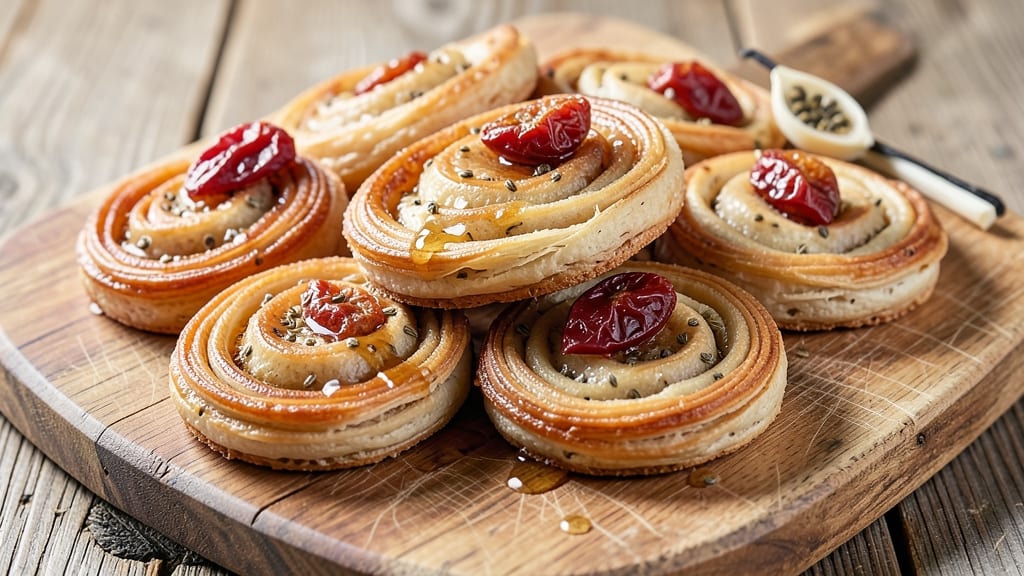
This koulourakia cookie recipe brings the golden, twisted pastries of Greece to your kitchen with their signature buttery crunch and anise-kissed aroma. 🌟 The secret lies in the dough's delicate balance of butter, flour, and anise seeds—traditionally shaped by hand into elegant spirals that bake to crisp perfection.
These are the cookies that grace Greek Easter tables and festivals, their sweetness often enhanced with honey or citrus zest.
The dough starts with a simple yet precise method: chilled butter and flour combined until it resembles coarse crumbs, then shaped into ropes and twisted into classic koulourakia shapes. The key to success is baking them just until golden—no longer, or they'll lose their signature crunch.
Anise seeds provide that distinctive flavor, while a light egg wash gives them their signature sheen.
What you'll end up with are delicate, buttery cookies with a crisp exterior and tender interior, their twisted shapes reminiscent of Greek architecture. The aroma alone will transport you to a Greek bakery, while the flavor—sweet, buttery, and subtly aromatic—makes them irresistible.
Perfect for holidays, gifts, or simply indulging in a taste of Greece.
For an extra touch, brush the baked cookies with honey or sprinkle them with sesame seeds while still warm. These variations add depth to the traditional recipe while keeping the soul of koulourakia intact. Let's bring this Greek classic to your kitchen.
Ingredients for koulourakia cookie
Twisted Greek pastries need just these ten ingredients for golden, buttery perfection.
| Ingredient | Amount | Notes |
|---|---|---|
| Unsalted Butter 🧈 | 1 cup | Cold, cubed for dough |
| All-Purpose Flour 🌾 | 3 cups | Sifted for light texture |
| Granulated Sugar 🍚 | ½ cup | Fine grain preferred |
| Anise Seeds 🌿 | 1 ½ tbsp | Whole, lightly toasted |
| Large Eggs 🥚 | 1 whole | Room temperature |
| Vanilla Extract 🍯 | ½ tsp | Pure extract preferred |
| Baking Powder 🍞 | ½ tsp | Aluminum-free |
| Salt 🧂 | ¼ tsp | Fine sea salt |
| Honey 🍯 | ¼ cup | For brushing (optional) |
| Sesame Seeds 🌰 | ¼ cup | For topping (optional) |
The butter is non-negotiable here—European-style unsalted butter gives that rich, melt-in-your-mouth texture. Plugrá or President brands are my go-to, but any good-quality butter works. Keep it cold when cutting into cubes for the dough—this prevents the butter from melting too fast. Anise seeds are the soul of koulourakia; buy whole seeds from a specialty store (like Penzeys) for the best flavor. Toast them lightly in a dry pan for 30 seconds to deepen their aroma. The flour? King Arthur or Gold Medal brands are my favorites—they're sifted and consistent, which matters for these delicate cookies.
No anise seeds? Fennel seeds at half the amount work as a substitute, though they're not traditional. Running short on butter? Shortening can replace half, but the flavor won't be as rich. For the honey, Thymbris or Manuka are ideal if you want that authentic Greek touch, but any good-quality honey will do. The sesame seeds? Black or white both work, but toast them first for extra flavor. If you're feeling adventurous, swap the vanilla extract for orange zest—it pairs beautifully with the anise. The dough is finicky, so don't overmix it once the egg is added.
The dough keeps well in the fridge for up to 3 days wrapped tightly in plastic. For longer storage, freeze shaped dough balls for up to 3 months—just let them thaw before baking. Baked cookies stay crisp for 5 days in an airtight container, but they're best enjoyed fresh. Pro tip: Brush the warm cookies with honey while they're still on the baking sheet for that extra-special shine. Store any leftovers in layers separated by parchment paper to keep them from getting soggy.
Why You'll Love This Recipe
- Four-Ingredient Magic: I swear by this recipe—just butter, flour, sugar, and anise seeds. That’s it. No weird substitutions or hard-to-find ingredients cluttering my pantry.
- Anise Kiss: Honestly, the flavor is what makes this recipe unforgettable. The anise seeds add a warm, licorice-like sweetness that pairs perfectly with the buttery crunch—it’s like a hug in cookie form.
- Breakfast or Dessert: Between us, these are my go-to for both. Crumble them over yogurt in the morning or serve with coffee, then save the leftovers for a midnight snack. Versatile enough for any time of day.
- Lasts for Days: I bake a whole batch and they stay fresh for a week. The dough’s simplicity means no weird textures or drying out—just perfect cookies, one after the other. Plus, they’re cheap to make.
Step-by-step instructions for koulourakia cookie recipe
Here's how to make these buttery, twisted Greek pastries with that perfect anise-kissed crunch.
👨🍳 Step 1: Toast the Anise Seeds for Maximum Flavor
First, toast the 1.5 tablespoons anise seeds in a dry skillet over medium heat for 2-3 minutes until they're fragrant and just starting to turn golden. You'll smell that distinct licorice aroma—this is when they're ready. Let them cool completely before using, then grind them lightly with a mortar and pestle or in a spice grinder. The toasting deepens their flavor, and grinding them ensures they distribute evenly throughout the dough.
I like to do this first because it gives the seeds time to cool while I prepare the rest. If you skip toasting, the anise flavor will be more subtle, and the seeds might stay whole in your bite-sized cookies. Trust me, that extra step makes a difference in the final crunch and aroma.
🍳 Step 2: Mix the Wet Ingredients for a Light Dough
In a large mixing bowl, combine the 1 cup cold cubed unsalted butter, 0.5 cup granulated sugar, 1 whole room temperature egg, 0.5 teaspoon vanilla extract, and the toasted anise seeds. Use a wooden spoon or silicone spatula to mix until the butter starts to soften and the mixture looks like wet sand. This should take about 2-3 minutes of vigorous mixing.
The cold butter is crucial here—it creates flaky layers in the final cookie. Don't rush this part. You're looking for a smooth, creamy texture where the butter is just starting to incorporate. If it looks too dry, let it sit for another minute before adding the dry ingredients.
👨🍳 Step 3: Combine Dry Ingredients for Perfect Texture
In a separate bowl, whisk together the 3 cups sifted all-purpose flour, 0.5 teaspoon baking powder, and 0.25 teaspoon salt. Sifting is key here—it prevents dense cookies and ensures even distribution of the leavening agent. Gradually add this dry mixture to the wet ingredients, mixing just until combined. Be careful not to overmix; you're looking for a soft dough that comes together when pressed.
This is where the magic happens. The dough should be slightly sticky but manageable. If it's too dry, add a teaspoon of water. If it's too sticky, add another tablespoon of flour. The perfect dough will hold its shape when rolled into a ball but still be soft enough to twist easily.
🔥 Step 4: Shape and Bake for Golden, Twisted Cookies
Preheat your oven to 350°F and line two baking sheets with parchment paper. Divide the dough into 16 equal portions (about 1.5 ounces each) and roll each portion into a 12-inch rope. Twist each rope into a figure-eight shape, then place them on the prepared baking sheets, spacing them about 2 inches apart. Brush the tops with 0.25 cup honey and sprinkle with 0.25 cup sesame seeds.
Bake for 15-18 minutes until the edges are golden brown and the centers look just set. They'll continue cooking on the baking sheet, so don't overbake. The sesame seeds should be toasted and the honey slightly caramelized. Let them cool on the baking sheet for 5 minutes before transferring to a wire rack to cool completely.
⏰ Step 5: Rest and Enjoy for Maximum Crunch
While the cookies cool, you'll notice they firm up and develop that perfect crunch. This resting period is crucial—it allows the flavors to meld and the texture to set. I like to serve them at room temperature so you can fully appreciate the buttery crunch and anise flavor. Store any leftovers in an airtight container for up to 5 days, though I doubt they'll last that long!
These cookies are best enjoyed fresh, but if you want to reheat them, pop them in a 300°F oven for 2-3 minutes to restore that warm, buttery goodness. The sesame seeds will be extra crunchy, and the honey will have that perfect caramelized sweetness.
Pro Tips For Making Koulourakia Cookie
- Chill the Dough: After mixing, let the dough rest in the fridge for at least 30 minutes—no, don’t skip this. The butter needs time to firm up slightly, or your cookies will spread like pancakes on a hot griddle. I learned this the hard way when my first batch turned into sad, flat discs.
- Toast the Anise: Lightly toast the anise seeds in a dry pan for 30 seconds until fragrant—this banishes that raw, medicinal bite. Crush them after toasting with a rolling pin (yes, it’s messy, but it works). My grandmother swore by this, and she was right: the flavor pops instead of fighting with the butter.
- Cut Butter, Don’t Melt: Use cold, cubed butter in the dough—never softened or melted. The cold fat creates pockets of steam, giving those signature airy layers. I was skeptical until I tried it: the difference between dense cookies and light, flaky ones is that butter’s texture, not just the recipe.
- Shape Fast, Bake Slow: Roll the dough into spirals quickly while it’s still cold—warm dough stretches like taffy. Bake at 350°F (175°C) until the edges are just golden, not brown, or they’ll taste burnt on the outside and doughy inside. Sounds weird, but it works: patience here guarantees perfect texture.
Serving suggestions for this koulourakia cookie
Traditional Serving Style
In Greece, these cookies are traditionally served during Easter celebrations and festivals, often arranged on a tiered platter with other sweets. 🌟 The twisted shapes symbolize prosperity, and their buttery crunch contrasts beautifully with rich Greek coffee or sweet dessert wines like Vinsanto.
I like to serve them at room temperature so the crunch is perfect, and the anise flavor shines through each bite.
Coffee Pairing Perfection
Pair your koulourakia with a strong Greek coffee or a smooth espresso to balance the buttery richness. The anise notes in the cookies complement the bold flavors of coffee beautifully. For a lighter option, try a frappé—the cold, frothy texture contrasts wonderfully with the warm, crisp cookies.
I always serve them with a small cup of coffee for that authentic Greek café experience.
Dessert Platter Styling
Arrange the cookies on a wooden serving board or marble slab for an elegant presentation. Mix them with other Greek pastries like loukoumades (honey balls) or baklava for a festive dessert spread.
The golden color of the koulourakia makes them a stunning centerpiece, and their twisted shapes add visual interest. Sprinkle a few extra sesame seeds or a drizzle of honey for extra flair.
Wine and Spirits Pairings
A glass of Moscato d'Asti or Retsina (a Greek resinated white wine) enhances the anise flavor in these cookies. For a non-alcoholic option, serve with Greek mountain tea (made from wild herbs) or a lemon-infused iced tea.
The citrus notes in the tea cut through the buttery richness, making each bite even more enjoyable. I often reach for a glass of Assyrtiko from Santorini for a crisp, refreshing contrast.
Gift-Worthy Presentation
For a thoughtful gift, package the cookies in clear cellophane bags tied with twine and a sprig of fresh rosemary. Add a small tag with the recipe or a note like "A taste of Greece."
The golden, twisted shapes make them look elegant and festive, perfect for holidays or housewarming gifts. I’ve seen them beautifully arranged in ceramic jars with a ribbon, too—great for gifting to neighbors or colleagues.
Seasonal Variations
In summer, brush the baked cookies with orange blossom water instead of honey for a floral twist. For winter, dust them with powdered sugar and serve with spiced mulled wine.
The versatility of these cookies makes them perfect for any occasion—whether it’s a cozy holiday gathering or a summer picnic. I love how they adapt to different seasons while keeping their classic charm. 🌿
Nutrition facts
Frequently asked questions
Why do traditional koulourakia have that signature twisted shape?
The elegant twisted shape isn't just decorative—it creates a delicate, crisp texture that's lighter than a solid cookie. The twisting method distributes the butter evenly, creating those beautiful flaky layers. Plus, the figure-eight shape makes them easy to hold and adds visual appeal that's perfect for celebrations.
Can I make these cookies without anise seeds?
Yes, but you'll lose that authentic Greek flavor. Try substituting 1 teaspoon fennel seeds (toasted) for the anise, or add 1/2 teaspoon orange zest for a citrusy alternative. The texture will remain the same, but the aroma will be different—think of it as a flavor variation rather than a traditional version.
How do I prevent my koulourakia from spreading too much during baking?
Chill the shaped cookies for 15-20 minutes before baking to help them hold their shape. Also, use European-style butter (like Plugrá) which has a higher fat content that creates better structure. Don't overbake—they should be golden in 15-18 minutes at 350°F. Remove them when edges are set but centers still look slightly soft.
What's the best way to store these cookies for maximum freshness?
Let them cool completely, then store in an airtight container between layers of parchment paper. They'll stay crisp for 5-7 days at room temperature. For longer storage, freeze shaped (unbaked) dough balls for 3 months, or baked cookies for 2 months. To refresh, warm in a 300°F oven for 2-3 minutes—the sesame seeds will be extra crunchy!
Can I make these cookies gluten-free?
While possible, it's challenging to maintain the same delicate texture. Use a 1:1 gluten-free flour blend (like Bob's Red Mill) and add 1/4 teaspoon xanthan gum. Expect cookies that are slightly denser and less crisp. For best results, toast the gluten-free flour first to improve texture, and reduce baking time by 2-3 minutes to prevent over-browning.