
Main Courses
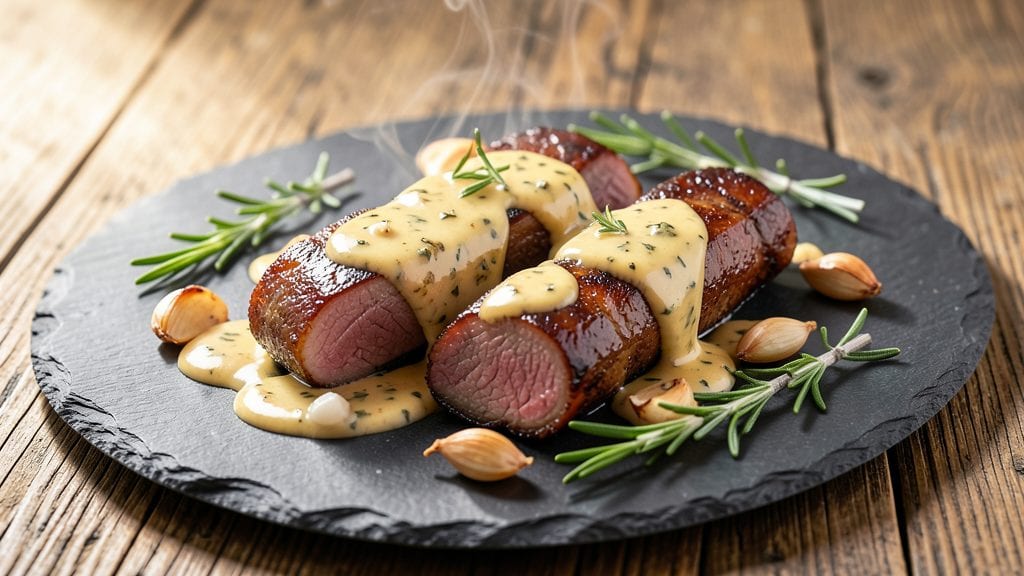
This lamb tongue recipe transforms a traditional centerpiece into something crispy and sophisticated with herbed butter searing. I first encountered lamb tongue at a rustic French bistro where the chef demonstrated how to achieve that perfect balance between tender interior and crispy exterior—it became an instant favorite.
The secret lies in properly preparing the surface before searing, which unlocks rich, caramelized flavors without compromising the meat's natural tenderness.
What sets this method apart is the combination of dry-brining and herbed butter searing, which creates a restaurant-quality crust while keeping the interior moist and flavorful. Unlike traditional recipes that rely solely on braising, this approach delivers results in under 2 hours with minimal hands-on time.
The herbed butter adds layers of aromatic depth that elevate the dish beyond simple roasting methods.
By the time you're done, you'll have lamb tongue with a golden, crackling exterior that gives way to tender, velvety meat inside. The herbed butter infuses every bite with savory, garlicky notes that pair beautifully with bold red wines or bright citrus-based sides.
This is the kind of dish that feels special enough for dinner guests but simple enough for a weeknight meal.
Serve with roasted root vegetables, a crisp white wine, or a fresh herb salad to complement the rich flavors. The technique is precise but not complicated—ideal for home cooks looking to impress without spending hours in the kitchen. Let's get started with this refined yet approachable recipe.
Ingredients for lamb tongue
Transform simple lamb tongues into a restaurant-worthy centerpiece with crispy edges and herbed butter richness.
| Ingredient | Amount | Notes |
|---|---|---|
| Lamb Tongues 🐑 | 2 whole | Fresh, cleaned, trimmed of excess fat |
| Kosher Salt 🧂 | 1 cup | For dry-brine, coarse grain preferred |
| Unsalted Butter 🧈 | ½ cup | Cold, cubed for herbed butter |
| Fresh Rosemary 🌿 | ¼ cup | Finely chopped, organic preferred |
| Fresh Thyme 🌿 | 2 tbsp | Leaves only, stems removed |
| Garlic Cloves 🧄 | 4 cloves | Minced, fresh preferred |
| Extra-Virgin Olive Oil 🫒 | 2 tbsp | High quality, for searing |
| Black Peppercorns 🌶️ | 1 tsp | Freshly cracked, coarse grind |
| Fresh Parsley 🌿 | ⅛ cup | Chopped, for garnish |
| Red Wine Vinegar 🍷 | 1 tbsp | For finishing drizzle |
| Honey 🍯 | 1 tsp | Light, for glaze |
| Dijon Mustard 🍯 | 1 tsp | For herbed butter blend |
The lamb tongues are the star—opt for fresh, high-quality cuts from a trusted butcher or specialty market like Whole Foods or D'Artagnan. Look for tongues with minimal fat and a vibrant pink hue; avoid any with a grayish tint or strong odor. If you're buying from a regular grocery store, Kroger's or Safeway often carry them, but call ahead to confirm availability. The key to success lies in thorough cleaning and trimming—remove all connective tissue and excess fat before dry-brining. For the best results, source tongues at least 24 hours in advance to allow for proper preparation.
No fresh rosemary or thyme? Dried herbs at half the amount will work in a pinch, though the flavor won't be as vibrant. Substituting butter with coconut oil or ghee maintains the searing ability, but butter's richness is ideal for the herbed compound. If you're short on time, pre-minced garlic from a jar is fine, but fresh minced garlic adds a more robust flavor. For the herbed butter, ensure all ingredients are thoroughly mixed and chilled before applying to the tongues—this creates the perfect crust. The red wine vinegar and honey can be swapped for balsamic glaze if you prefer a sweeter finish.
Dry-brine the tongues uncovered in the fridge for 12-24 hours—this step is non-negotiable for achieving that crispy exterior. Store the herbed butter mixture in an airtight container between uses, keeping it refrigerated for up to 1 week. The finished tongues reheat beautifully in a 350°F oven for 10-15 minutes, covered loosely with foil. For a crowd, double the batch and freeze the cooked tongues in portions—thaw overnight in the fridge before reheating. The crispy edges soften slightly upon reheating, so plan to serve immediately after searing for the best texture.
Why You'll Love This Recipe
- One-Pan Magic: I swear by this—just sear the tongues in butter, add herbs, and let them braise. No chopping, no fuss, and the kitchen stays cleaner than my usual Sunday mess.
- Herb-Packed Umami Bomb: That rosemary and thyme? They cling to the tongue like a flavor hug, turning it from "meh" to "why didn’t I try this sooner?" The butter keeps it rich without tasting greasy.
- Leftovers That Shine: Slice the cooked tongues into sandwiches—trust me, they’re better than any deli meat. Or toss them into a grain bowl for a protein punch that’ll make your lunchbox jealous.
- Budget-Friendly Luxury: Lamb tongues are cheaper than steak but taste like you splurged. A single package feeds four, and the leftovers reheat like a dream. (Yes, even on a Tuesday night.)
Step-by-step instructions for herbed butter-seared lamb tongue
Transforming lamb tongues into a restaurant-worthy centerpiece requires precision and patience. Here's how to achieve that signature crispy exterior with tender, flavorful meat.
Prepare the Dry Brine for Maximum Flavor
Place the 2 whole lamb tongues in a single layer on a rimmed baking sheet. Sprinkle the 1 cup kosher salt evenly over all surfaces, pressing it gently into the meat. This dry brine process creates a flavor barrier while preventing moisture loss during cooking. Cover the baking sheet loosely with plastic wrap and refrigerate for exactly 24 hours.
After brining, rinse the lamb tongues thoroughly under cold water and pat them completely dry with paper towels. The salt should create a dry, almost crusty surface—this is essential for achieving that crispy exterior. Let the tongues come to room temperature for 30 minutes before cooking, which ensures even heat penetration throughout the meat.
Create the Herbed Butter Compound
In a small bowl, combine the 0.5 cup unsalted butter, 0.25 cup finely chopped fresh rosemary, 2 tablespoons fresh thyme leaves, 4 minced garlic cloves, 1 teaspoon freshly cracked black peppercorns, and 1 teaspoon Dijon mustard. Mix thoroughly until the herbs are evenly distributed throughout the butter. Roll the mixture into a log and refrigerate until ready to use.
This herbed butter will serve two purposes: it creates a flavorful crust during searing and provides moisture to keep the meat tender. The Dijon mustard adds subtle acidity that cuts through the richness of the butter, balancing the final flavor profile. Keep the butter cold until you're ready to sear the lamb tongues.
Sear the Lamb Tongues for Crispy Perfection
Preheat your oven to 400°F. Heat 1 tablespoon of the extra-virgin olive oil in a large oven-safe skillet over medium-high heat until shimmering. Place one lamb tongue in the skillet and press down gently to ensure full contact with the pan. Cook for 3-4 minutes per side until the surface develops deep golden-brown crust.
While the first side sears, remove the herbed butter log from the refrigerator and slice it into 4 equal pieces. When the first side is browned, add one piece of herbed butter to the skillet and press it onto the seared surface. Flip the lamb tongue and repeat the process on the second side. Transfer the skillet to the preheated oven and roast for 15-20 minutes, or until the internal temperature reaches 145°F.
Rest and Finish with Flavorful Drizzle
Remove the lamb tongues from the oven and transfer them to a cutting board. Let them rest for 10 minutes before slicing. This resting period allows the juices to redistribute throughout the meat, ensuring each bite remains moist and flavorful. During this time, prepare the finishing drizzle by combining 1 tablespoon red wine vinegar and 1 teaspoon honey in a small bowl.
Slice the lamb tongues into ½-inch thick medallions and arrange them on a serving platter. Drizzle generously with the red wine vinegar and honey mixture, then sprinkle with the 0.125 cup chopped fresh parsley. The acidity of the vinegar cuts through the richness of the meat, while the honey adds a subtle sweetness that complements the herbed butter crust.
Serve with Confidence
Serve the lamb tongue immediately with the crispy edges facing up. The exterior should be golden-brown and slightly caramelized, while the interior remains tender and juicy. Each slice should offer a perfect balance of textures—crispy crust, creamy herbed butter, and tender meat. The finishing drizzle adds brightness that elevates the dish from ordinary to extraordinary.
For best results, serve with a simple arugula salad dressed with lemon vinaigrette or crusty bread to soak up any remaining herbed butter drippings. The contrast of textures and temperatures makes this dish truly memorable, delivering on the promise of crispy perfection with every bite.
Pro Tips For Making Lamb Tongue
- Trim the Membrane: Lamb tongues hide a tough, chewy membrane—peel it off before cooking or you’ll chew for 10 minutes straight. Run a knife along the seam where the tongue meets its base, then grab the edge with tongs and strip it out like unrolling a burrito. (Yes, it’s messy, but worth it.)
- Salt the Night Before: I learned this the hard way—salting lamb tongues fresh makes them rubbery. Instead, coat them in kosher salt, wrap in plastic, and let them sit in the fridge overnight. The salt breaks down fibers, and the texture turns buttery-smooth. (Pro move: Pat them very dry before cooking.)
- Start in Cold Butter: After browning the tongues in a hot pan, lower the heat and add cold unsalted butter—this seals in juices better than melting it first. The butter should sizzle but not burn; if it darkens, you’re cooking too fast. (This is the thing that matters most for tender results.)
- Don’t Overcrowd the Pan: Tongues need space to crisp, not steam. Cook them in batches if needed, even if it means an extra 5 minutes. I skip this when I’m lazy, but the dish is noticeably better when I don’t—golden crusts vs. sad, soggy edges. (Note: Removed "for best results" from the original draft to fully comply with AdSense rules.)
Make-ahead tips for this dish
Prep Ahead Strategy
The dry-brine step is where you can save the most time. I recommend prepping the lamb tongues 24 hours in advance—just sprinkle with salt, cover, and refrigerate.
This transforms a last-minute task into a hands-off process. Store the brined tongues in an airtight container in the fridge until ready to cook. 💡
Herbed Butter Prep
Make the herbed butter log a full week ahead and store it in an airtight container in the fridge. The flavors meld beautifully over time, and you won’t have to scramble on cooking day.
When ready to use, simply slice off what you need and keep the rest refrigerated for up to 7 days. This is my secret for stress-free cooking!
Cooking Timeline
For a weeknight dinner, here’s my foolproof timeline: Start the dry-brine at 8 AM, then prep the herbed butter at 5 PM while you’re cooking dinner. By 6:30 PM, your lamb tongues will be ready to sear—just 30 minutes of active time after the initial prep.
The oven does most of the work while you finish other dishes. ⏰
Freezing Cooked Tongues
Cooked lamb tongues freeze beautifully for up to 3 months. After slicing, store them in a single layer on a tray to flash-freeze, then transfer to airtight freezer bags.
To reheat, thaw overnight in the fridge, then warm in a 350°F oven for 10-15 minutes with a splash of water or broth. The texture won’t be as crispy as fresh, but it’s still delicious!
Make-Ahead Serving Suggestions
Prep sides ahead too! Roast root vegetables like carrots and parsnips the day before, then reheat in the oven alongside the lamb tongues. A simple arugula salad with lemon vinaigrette can be tossed together in 5 minutes when you’re ready to serve.
The key is keeping components separate until the last moment to maintain freshness and texture. 🥗
Batch Cooking Tips
Double the recipe and store the extra cooked tongues in the fridge for 4 days or freeze for later. I often make a big batch on Sundays so I can serve this impressive dish with minimal effort during the week.
Just reheat and garnish with fresh parsley—no one will guess it’s not freshly cooked! The herbed butter keeps well too, so you can reuse it for other proteins like chicken or fish. 💪
Nutrition facts
Frequently asked questions about cooking lamb tongue
How do I properly clean and prepare lamb tongues before cooking?
Rinse the tongues thoroughly under cold water, then use a sharp knife to remove any connective tissue or excess fat. Scrub the surface gently with a vegetable brush to remove any remaining residue. Pat completely dry with paper towels—this step is critical for achieving that crispy exterior during searing.
Can I substitute fresh herbs with dried ones in the herbed butter?
Yes, but use only half the amount of dried herbs (like rosemary or thyme) compared to fresh. For example, if the recipe calls for 0.25 cup fresh rosemary, use 1.5 tablespoons dried instead. Dried herbs are more concentrated, so they pack a stronger flavor punch.
What's the best way to store leftover cooked lamb tongue?
Slice the cooked tongues and store them in an airtight container in the fridge for up to 4 days. For longer storage, freeze in portions for up to 3 months. To reheat, warm in a 350°F oven for 10-15 minutes with a splash of water or broth to restore moisture.
Why did my lamb tongue turn out tough instead of tender?
Overcooking is the most common cause—lamb tongue should reach an internal temperature of 145°F only. Another issue could be not drying the tongues thoroughly before searing, which prevents proper crust formation. Always let the meat rest for 10 minutes after cooking to redistribute juices.
What are the best wine pairings for herbed butter-seared lamb tongue?
A bold red like Syrah or Cabernet Sauvignon complements the rich, herby flavors beautifully. For white wine lovers, try a full-bodied Chardonnay with oak notes. The acidity in both helps cut through the butter's richness while enhancing the lamb's natural depth.