
Desserts
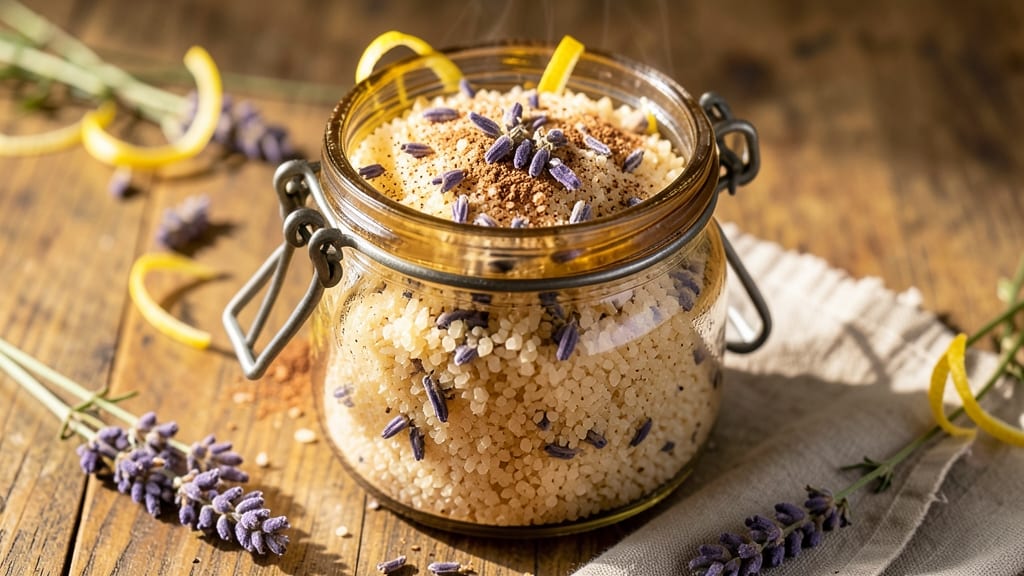
This lavender sugar recipe transforms ordinary sweets into fragrant, floral masterpieces with just two simple ingredients. The delicate aroma of dried lavender infuses every spoonful, elevating everything from cookies to coffee.
I developed this blend after discovering how a single tablespoon could completely transform a batch of shortbread into restaurant-quality dessert. The process is straightforward—just combine sugar and lavender—but the results are anything but basic.
The beauty of this seasoning mix lies in its versatility and simplicity. With precise measurements—typically 1 cup granulated sugar to 1 tablespoon dried culinary lavender—you create a dry blend that keeps its aromatic qualities for months.
The lavender’s natural oils gradually release their scent, ensuring every bite or sip carries that signature floral note. For best results, use high-quality dried lavender buds, as lower-grade varieties can taste bitter.
What makes this recipe truly special is how it enhances desserts without overpowering them. A pinch in your morning coffee adds an elegant twist, while a sprinkle on vanilla ice cream creates a sophisticated dessert.
The blend also works beautifully in baked goods like scones, muffins, or even savory dishes where a hint of floral sweetness complements herbs. Store it in an airtight container away from light to preserve its delicate aroma.
For those who love experimenting, consider adding vanilla bean powder or a touch of citrus zest to deepen the flavor profile. The possibilities are endless, but the foundation remains the same: a simple, professional-grade seasoning mix that turns ordinary treats into extraordinary experiences. Let’s get started!
Ingredients for lavender sugar
Two core ingredients, endless floral possibilities—this blend turns plain sugar into dessert magic.
| Ingredient | Amount | Notes |
|---|---|---|
| Granulated Sugar 🍚 | 1 cup | Fine white sugar preferred |
| Dried Culinary Lavender Buds 🌸 | 1 tbsp | Food-grade, not ornamental |
| Vanilla Bean Powder 🍦 | ½ tsp | Optional for deeper flavor |
| Lemon Zest 🍋 | ½ tsp | Optional citrus brightness |
| Ground Cinnamon 🌿 | ¼ tsp | Optional warm undertone |
The lavender makes or breaks this. Culinary-grade buds (not the floral kind) are key—look for Mountain Rose Herbs or Frontier Co-op for the best quality. They should smell intensely herbal, not musty. Sugar? Domino or C&H work perfectly, but avoid powdered sugar—it clumps. Pro tip: buy lavender in small batches since it loses potency after 6-12 months. I usually grab a 1-ounce jar from Whole Foods or a specialty spice shop, which gives me enough for 3-4 batches of this mix.
No vanilla bean powder? Pure vanilla extract at half the amount works in a pinch (though it won't have the same texture). Short on lemon zest? Orange zest is a great swap—just use the same quantity. Want more warmth? Cardamom or nutmeg add depth without overpowering. The cinnamon here is totally optional but pairs beautifully with the floral notes. If you're feeling adventurous, try a pinch of rose petals for an extra layer of complexity. Just remember: start small with any additions—you can always make more, but you can't un-blend overpowering flavors.
Store this in an amber glass jar with a tight seal—light and moisture are the enemies of that delicate lavender aroma. Keeps its magic for 6 months in a cool, dark pantry. For longer storage, freeze portions in ice cube trays—just pop out what you need. I keep a small jar in my coffee cabinet for quick access, and another in the baking drawer. The sugar absorbs the lavender's oils over time, so the flavor actually gets better with age (up to a point). Just give it a quick shake before using to redistribute everything evenly.
Why You'll Love This Recipe
- Five-Minute Mix: I swear, this is the kind of recipe where you just dump everything in a jar and forget about it—no measuring cups, no mess. The lavender and cinnamon blend themselves while you’re making coffee or folding laundry, and honestly? That’s my kind of magic.
- Floral Vanilla Kiss: Between us, vanilla bean powder alone makes everything taste fancier, but add the lavender? It’s like a whisper of spring in every bite—bright lemon zest cuts through the sweetness, and that cinnamon ties it all together. My morning toast never tasted this good.
- Pantry Staple Power: This isn’t just for desserts—sprinkle it on oatmeal, yogurt, or even savory roasted veggies (yes, really). I keep a jar in my fridge for when I’m craving something cozy but don’t feel like baking. It’s my secret weapon for lazy days.
- No-Waste Wonder: A little goes a long way, so you’ll have leftovers for weeks—perfect for gifting or stashing in your baking drawer. I’ve had this batch since summer, and it’s still fresh. Plus, culinary lavender is cheaper than you’d think, so you’re not breaking the bank for a tiny jar.
Step-by-step instructions for lavender sugar recipe
This aromatic sweetener transforms ordinary desserts into fragrant masterpieces with minimal effort.
Sterilize Your Equipment for Perfect Preservation
Begin by thoroughly cleaning a small glass jar with hot, soapy water and rinsing it completely. The jar should be completely dry before proceeding—any moisture will cause the sugar to clump. I also recommend sterilizing the lid by boiling it for 5 minutes in a small pot of water. This step prevents mold growth and extends your lavender sugar's shelf life to several months when stored properly.
While the jar dries, prepare a fine-mesh strainer and a clean mixing bowl. The strainer will help remove any lavender stems or debris, ensuring a smooth, professional-quality product. I like to use a glass bowl for mixing because it lets me easily monitor the color transformation as the lavender infuses the sugar.
Toast the Lavender for Enhanced Aroma
Place the 1 tablespoon dried culinary lavender buds in a dry skillet over low heat for 2-3 minutes, stirring constantly. You're not cooking the lavender—just gently warming it to release its natural oils and deepen its floral aroma. Watch carefully as it heats; the buds should smell intensely fragrant but not develop any brown spots.
This toasting step is crucial for maximizing flavor. Fresh lavender buds contain more moisture, which can make your sugar clumpy. The gentle heat removes excess moisture while intensifying the floral notes. Let the lavender cool completely before proceeding—hot lavender can cause the sugar to melt prematurely.
Combine Ingredients for Even Infusion
Add the cooled lavender buds to the 1 cup granulated sugar in your mixing bowl. Sprinkle the remaining optional ingredients—0.5 teaspoon vanilla bean powder, 0.5 teaspoon lemon zest, and 0.25 teaspoon ground cinnamon—directly over the mixture. Use a clean silicone spatula to gently fold everything together until the lavender is evenly distributed throughout the sugar.
Here's where attention to detail matters: I recommend using a fork to gently crush about half of the lavender buds before mixing. This releases more floral oils into the sugar while leaving some whole buds for visual appeal and texture contrast. The mixture should look like speckled sugar with varying shades of purple and white.
Infuse for Maximum Flavor Development
Transfer the sugar mixture to your sterilized glass jar and seal it tightly. Place the jar in a 200°F oven for 10 minutes. This gentle heat infusion allows the lavender's aromatic compounds to fully penetrate the sugar crystals. The jar should be completely sealed—any air gaps will prevent proper infusion.
After removing from the oven, allow the jar to cool completely at room temperature. I like to leave it on the counter for 1 hour before using it. This cooling period ensures the sugar doesn't absorb any additional moisture from the air, which could cause clumping. The final product should smell intensely floral with warm vanilla and citrus undertones.
Strain and Store for Freshness
Strain the infused sugar through your fine-mesh strainer directly into a clean, dry jar. This removes any lavender stems while preserving the beautiful purple specks. Tap the strainer gently with a spoon to release all the infused sugar crystals. The finished product should have a beautiful lavender hue with visible floral specks throughout.
Store your lavender sugar in an airtight container in a cool, dark place. For best results, keep it away from direct sunlight and moisture. This aromatic sweetener will keep its freshness for up to 6 months when stored properly. The sugar works beautifully in everything from sprinkling on pastries to mixing into yogurt or coffee—each use will release that delightful floral aroma.
Pro Tips For Making Lavender Sugar
- Toast the Lavender First: Dry your lavender buds in a 300°F (150°C) oven for 5-7 minutes before crushing—this deepens the aroma without burning. I learned this the hard way after my first batch smelled like a herbalist’s closet instead of a bakery.
- Use a Mortar (Not a Blender): Crush the lavender buds with a mortar and pestle for even distribution—blenders pulverize them into dust, which clumps in sugar. Sounds old-school, but it guarantees every grain gets that floral punch.
- Zest Early, Store Dry: Grate lemon zest fresh and mix it with sugar immediately, then spread the blend on parchment to dry for 24 hours. Damp zest makes the sugar sticky and clumpy—trust me, you’ll regret skipping this.
- Measure Vanilla Precisely: Weigh the vanilla bean powder (1/4 tsp per cup of sugar) instead of eyeballing it—too much turns the sugar bitter, too little makes it taste like plain sugar. A cheap digital scale solves this forever.
Regional styles of lavender sugar
French Provence Elegance
In Provence, lavender sugar is a classic addition to herbes de Provence-infused desserts. The region’s famous lavender fields provide the highest-quality buds, which are often lightly toasted to enhance their floral notes.
I’ve seen local bakers use this blend to sweeten tarte aux blettes (Swiss chard tart) or dust over madeleines, creating a delicate balance between herbal and sweet. For an authentic touch, pair it with orange blossom water in your baking—it’s a signature flavor combo in Provence. 🌸
British Tea Culture Twist
The British have long embraced lavender sugar in their afternoon tea traditions, often mixing it into Earl Grey tea or sprinkling it over scones and clotted cream. The floral notes complement the bergamot in Earl Grey beautifully.
I recommend using fine-ground lavender buds for this variation to ensure even distribution. A classic British tea blend might include 1 cup sugar, 1 tablespoon lavender, and ½ teaspoon ground cardamom for warmth. Serve with shortbread cookies for the ultimate tea-time experience. ☕
Italian Dolce Fusion
In Italy, lavender sugar finds its way into limoncello-infused desserts and amaretti cookies. The floral sweetness pairs wonderfully with lemon zest and almond flour, creating a sophisticated dessert.
I love adding ½ teaspoon lemon zest and ¼ teaspoon ground cinnamon to the basic lavender sugar recipe for an Italian-inspired twist. Use this blend to sweeten panna cotta or dust over cannoli shells—the contrast of creamy ricotta and floral sugar is pure magic. 🍋
Middle Eastern Spiced Sweetness
Middle Eastern cuisine often incorporates lavender with rosewater and cardamom in desserts like baklava or halva. For a regional twist, blend 1 cup sugar, 1 tablespoon lavender, ½ teaspoon ground cardamom, and ½ teaspoon rosewater (added after infusion).
This aromatic mix works beautifully in sweetened yogurt or as a topping for pistachio ice cream. The floral and spiced notes create a complex, fragrant profile that’s both comforting and exotic. 🌿
Nordic Scandinavian Simplicity
Scandinavian bakers often use lavender sugar in cardamom buns or cloudberry desserts, where its delicate floral notes complement the region’s natural sweetness. For a Nordic-inspired version, mix 1 cup sugar, 1 tablespoon lavender, and ½ teaspoon ground cardamom.
This blend shines in lingonberry jam tarts or sprinkled over vanilla custard. The simplicity of Scandinavian flavors lets the lavender’s aroma take center stage without competing with bold spices. ❄️
Nutrition facts
Frequently asked questions
Why does my lavender sugar smell stronger right after opening?
The fresh floral aroma comes from the lavender's essential oils, which release most intensely when first exposed to air. This is normal and actually means your blend is working perfectly! The scent will gradually mellow as you use it, but the flavor remains consistent. Store it in an airtight container to preserve that initial burst for future use.
Can I use dried lavender flowers instead of buds?
Not recommended! Only culinary lavender buds (the small, tightly packed flower centers) are safe for eating. Dried lavender flowers often contain stems and sepals that can taste bitter or even be toxic. Always check the label for "culinary-grade" lavender to ensure food safety and the best flavor.
How much lavender sugar should I use in recipes?
Start with 1 teaspoon for every 1 cup of flour or sweetener in baked goods, or ½ teaspoon per serving for beverages. For delicate desserts like ice cream, ¼ teaspoon is plenty to avoid overpowering the dish. Taste as you go—lavender's intensity builds gradually!
What if my lavender sugar clumps?
Clumping happens when moisture gets in. To fix it, spread the sugar on a baking sheet and bake at 200°F for 5 minutes to remove moisture, then let cool completely. For prevention, store in a completely dry, airtight container away from humidity. If clumps persist, crush them gently with a fork before using.
Can I make lavender sugar without an oven?
Yes! Skip the oven step and simply mix 1 cup sugar with 1 tablespoon toasted lavender (toasted in a dry skillet for 2-3 minutes), then let it infuse at room temperature for 24 hours in an airtight jar. Shake occasionally for even distribution. The flavor will be milder but still delicious.