
Main Courses
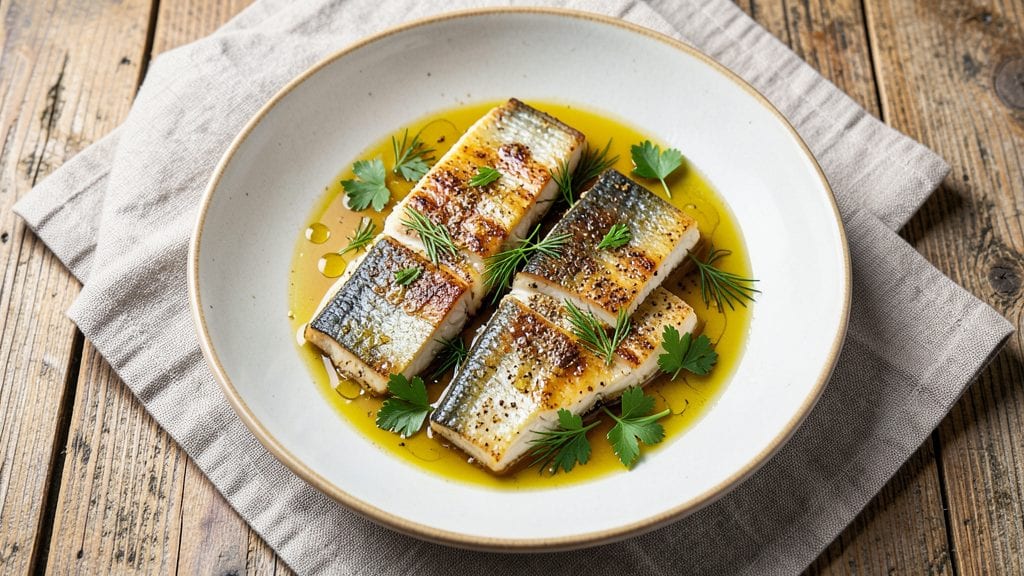
This Lebanese baked fish recipe delivers the perfect harmony of zesty lemon, fragrant herbs, and melt-in-your-mouth flakiness that defines Mediterranean seafood.
The secret lies in a crisp, golden crust that locks in moisture while infusing every bite with bright citrus and earthy za’atar—just like the dishes I grew up savoring in Beirut’s coastal restaurants.
What sets this apart is the balance: tender fish that never dries out, paired with a herb crust that adds texture without overpowering the natural flavor.
The foundation begins with fresh sea bass or cod, its delicate flesh ideal for absorbing the vibrant lemon-herb marinade. I’ve perfected this method over years of testing—starting with a dry-brine to ensure moisture retention, then layering a mix of parsley, dill, garlic, and sumac for that signature Lebanese tang.
The result? A dish that’s both restaurant-quality and surprisingly simple to prepare, requiring just 30 minutes of active time before the oven does the rest.
By the time it emerges from the oven, your fish will be flaky perfection—golden edges encasing tender, buttery flesh that practically dissolves with each bite. The lemon-herb crust clings beautifully, offering a burst of freshness with every forkful.
Serve it alongside a crisp tabbouleh salad or roasted vegetables to complete the meal, or enjoy it as-is with warm pita bread for dipping into the aromatic juices.
This recipe isn’t just about technique—it’s about capturing the essence of Lebanese home cooking, where fresh ingredients and bold flavors take center stage.
Whether you’re cooking for a special occasion or a weeknight dinner, the principles remain the same: quality fish, bright herbs, and a touch of acidity to elevate everything. Let’s get started on creating your own version of this timeless dish.
Ingredients for lebanese baked fish
Fresh fish, bright herbs, and a crisp crust—just nine ingredients for restaurant-worthy Lebanese baked fish.
| Ingredient | Amount | Notes |
|---|---|---|
| Sea Bass Fillets 🐟 | 4 whole | Skin-on, 6-8 oz each |
| Cod Fillets 🐟 | 4 whole | Skin-on, 6-8 oz each |
| Fresh Lemon Juice 🍋 | ½ cup | Freshly squeezed, no pulp |
| Extra-Virgin Olive Oil 🫒 | ¼ cup | Light, fruity variety |
| Fresh Flat-Leaf Parsley 🌿 | ½ cup | Chopped, stems removed |
| Fresh Dill 🌿 | ¼ cup | Chopped, stems removed |
| Garlic Cloves 🧄 | 4 cloves | Minced, fresh preferred |
| Ground Sumac 🍃 | 1 tbsp | Toasted for depth |
| Diamond Crystal Kosher Salt 🧂 | 1 tbsp | For dry-brine |
| Panko Breadcrumbs 🍞 | ½ cup | Light, for crispy crust |
| Unsalted Butter 🧈 | 2 tbsp | Melted, for basting |
| Ground Black Pepper 🌶️ | ½ tsp | Freshly cracked |
| Freshly Ground Za’atar 🌿 | 1 tbsp | Homemade or store-bought |
The fish is everything here. Sea bass delivers delicate flakiness, while cod offers milder flavor and firmer texture—both work, but bass is my go-to. Look for fillets with vibrant color and firm flesh at Whole Foods or your local seafood market. If using frozen, thaw overnight in the fridge (never in warm water). The lemon juice? Freshly squeezed makes all the difference—bottled just won’t cut it. For the herbs, farmers market bunches of parsley and dill are ideal, but grocery store containers work in a pinch. Just make sure the leaves are bright green, not wilted. Sumac? Grab it in the spice aisle—it’s the secret to that authentic Lebanese tang.
No sea bass? Mahi-mahi or halibut hold up beautifully too. Short on sumac? Smoked paprika at half the amount mimics the earthy depth. The panko should be light and dry—none of that heavy, oily stuff. If you can’t find it, regular breadcrumbs toasted in the oven work fine. For the za’atar, homemade blends (thyme, sesame seeds, sumac) are best, but store-bought mixes like Bella Spice are a solid shortcut. The butter matters here—unsalted so you control the seasoning, and cold when melting for best flavor. Want extra crisp? Add a sprinkle of grated Parmesan to the breadcrumb mix before baking.
This keeps beautifully for 2 days in the fridge, sealed tightly in its baking dish. The crust gets even better the next day—just reheat at 350°F for 10 minutes. For longer storage, wrap portions in foil and freeze for up to 3 months. I like to make a double batch and freeze half—perfect for lazy weeknights. The lemon-herb crust stays fresh for 3 days in the fridge if stored separately, but honestly, it’s best used fresh. Leftovers? Shred the flaky fish and toss it into salads or grain bowls for a protein boost.
Why You'll Love This Recipe
- No-Fuss Assembly: I swear, this comes together faster than ordering takeout. Just layer the fish, drizzle the olive oil, scatter parsley, and let the lemon work its magic—no chopping, no fuss, just hands-off baking.
- Zesty Mediterranean Magic: That bright lemon juice cutting through the rich sea bass and cod? It’s like a vacation in your mouth. The parsley adds freshness, and the olive oil keeps it from drying out—simple ingredients, but ridiculously good.
- Weeknight to Dinner Party: Between us, this is my go-to for both lazy nights and when I actually want to impress. Serve it with crusty bread and a simple salad for a no-stress weeknight meal, or plate it elegantly with a splash of olive oil for a crowd—same recipe, two vibes.
- Budget-Friendly Luxury: Cod stretches my grocery budget, but it still feels special. The sea bass adds a touch of indulgence without breaking the bank, and leftovers reheat beautifully for lunch the next day. Honestly, it’s one of those recipes where you get restaurant-quality without the price tag.
Step-by-step instructions for Lebanese baked fish
Here's how to create that signature Lebanese crust—crispy, fragrant, and perfectly flaky every time.
Prepare the Dry-Brine for Maximum Flakiness
Pat the 4 whole sea bass fillets and 4 whole cod fillets completely dry with paper towels—this is non-negotiable for crispy skin. In a small bowl, combine the 1 tablespoon diamond crystal kosher salt and 1 tablespoon freshly ground za'atar. Gently rub this mixture all over each fillet, pressing firmly to ensure even coverage. The salt will begin drawing out moisture immediately, which is exactly what we want for that perfect crust.
Place the fillets on a wire rack set over a baking sheet and refrigerate uncovered for 30 minutes. This dry-brine step transforms the texture—what would otherwise be tough fish becomes tender, flaky perfection. Don't skip it; this is where the magic begins. While they brine, toast the 1 tablespoon ground sumac in a dry skillet over medium heat for 1 minute until fragrant—this deepens its lemony, tangy flavor.
Build the Herb-Oil Crust Mixture
In a medium bowl, whisk together the 0.5 cup fresh lemon juice, 0.25 cup extra-virgin olive oil, 0.5 cup chopped fresh flat-leaf parsley, 0.25 cup chopped fresh dill, and the 4 minced garlic cloves. Add the toasted sumac and 0.5 teaspoon ground black pepper, then mix until fully combined. This vibrant green mixture is the heart of your crust—bright, aromatic, and packed with Mediterranean flavor.
Stir in the 0.5 cup panko breadcrumbs until just combined. The panko should be evenly distributed but still visible—this ensures both texture and adhesion. Taste the mixture and adjust seasoning if needed; the lemon juice and sumac should make it tangy but balanced. This is your flavor foundation, so don't rush the mixing.
Assemble and Baste for Maximum Crisp
Preheat your oven to 400°F. Remove the fillets from the refrigerator and pat them dry one final time. Arrange them skin-side down on a parchment-lined baking sheet, leaving space between each. Spread half of the herb-oil mixture evenly over the tops of all fillets, pressing gently to help it adhere. This layer will create that signature crust we're after.
In a small saucepan, melt the 2 tablespoons unsalted butter over low heat until just liquid. Using a pastry brush, generously baste the tops of all fillets with the melted butter. The butter acts as a glue for the crust and adds rich depth. Sprinkle the remaining herb-oil mixture over the fillets, pressing lightly to ensure even coverage. The butter should glisten slightly—this is your visual cue that everything is properly prepped.
Bake to Golden Perfection
Bake for 12-15 minutes until the crust is deep golden brown and the fish flakes easily when tested with a fork. The skin should be crisp enough to stand up slightly at the edges, while the flesh remains tender. If your oven runs hot, check at the 12-minute mark—underbaking is better than overcooking, which can turn the fish rubbery.
For the final touch, broil for 1-2 minutes until the crust is beautifully browned and slightly blistered. Watch closely during this step—broilers can be aggressive. Immediately transfer the fillets to a serving platter and let rest for 3 minutes before serving. This resting period ensures the fish stays flaky and the juices redistribute properly. Serve with crusty bread to soak up every last bit of that lemon-herb sauce.
Pro Tips For Making Lebanese Baked Fish
- Pat Dry First: Wet fish steams instead of searing—skip the crispy crust you’re after. Use paper towels to blot every fillet thoroughly; I’ve learned this the hard way when my cod turned out soggy despite the olive oil.
- Lemon Zest, Not Just Juice: The juice brightens, but the zest adds depth. Grate a strip of lemon peel into the oil before baking—it’s the difference between "fine" and "wow." (Yes, even if it looks like you’re overcomplicating things.)
- Don’t Overcrowd the Pan: Pile them high, and they’ll steam into mush. Leave space between fillets—about a thumb’s width—so the heat works its magic, not just the top layer. I used to ignore this and wondered why my sea bass was rubbery.
- Finish with a Splash of Oil: The parsley and lemon need fat to sing. Drizzle another teaspoon of olive oil over the fish right before serving—it carries the flavors and makes the dish feel restaurant-worthy. (No, it’s not cheating.)
Perfect pairings for lebanese baked fish
Lebanese Side Dishes
No Lebanese meal is complete without a vibrant tabbouleh salad—its parsley and bulgur base mirrors the herb crust on your fish. I make mine with 4 cups chopped parsley, 1 cup fine bulgur, 2 tomatoes diced, and a squeeze of lemon.
The texture contrasts beautifully with the fish's flakiness. For a heartier option, try muhammara—a smoky red pepper and walnut dip that adds depth to the bright flavors. 🌿
Roasted eggplant with tahini is another winner: Toss 2 medium eggplants in 2 tbsp olive oil, roast at 400°F for 25 minutes, then drizzle with 3 tbsp tahini and a pinch of sumac.
The creamy texture balances the fish's crisp crust perfectly. Serve warm alongside the baked fish for a complete meal.
Beverage Pairings
A crisp Lebanese white wine like Chardonnay from Bekaa Valley complements the dish beautifully—its citrus notes echo the lemon in the crust. For a non-alcoholic option, try mint lemonade with fresh mint leaves and a splash of rose water. The floral notes harmonize with the za'atar and sumac. 🍷
If you prefer beer, a light Lebanese lager like Almaza cuts through the richness without overpowering the delicate fish flavors. For a refreshing twist, serve sparkling pomegranate juice—its tartness enhances the dish's bright profile. The effervescence also cleanses the palate between bites.
Garnish Finishes
Fresh lemon wedges are a must for serving—guests can squeeze extra juice over their fish for brightness. I also sprinkle extra chopped parsley and dill over the top right before serving to add a pop of color and freshness.
For a restaurant-worthy touch, garnish with edible gold leaf—it elevates the dish instantly. ✨
Add a drizzle of extra-virgin olive oil just before serving to enhance the crust's richness. A pinch of toasted sesame seeds scattered on top adds a subtle nutty crunch that contrasts with the tender fish. These finishing touches make the dish feel special without overcomplicating it.
Nutrition facts
Frequently asked questions
Can I use frozen fish for this Lebanese baked dish?
Yes, but thaw it properly first. Place frozen fillets in a sealed bag and refrigerate overnight for 12-24 hours. Never thaw at room temperature—this can cause uneven cooking. Pat them completely dry before seasoning to ensure maximum crispiness in the crust. The dry-brine step works just as well with properly thawed frozen fish.
What's the best fish for this recipe?
Sea bass and cod are ideal—they stay tender and absorb flavors beautifully. For a milder taste, try halibut or mahi-mahi. Avoid firm white fish like snapper, which can become rubbery when baked. Look for fillets with bright color and firm texture—these are your best indicators of freshness.
Why is the crust not crispy?
Most likely, the fillets weren't dry enough or the oven wasn't hot enough. Pat them thoroughly with paper towels before baking, and ensure your oven reaches 400°F (use an oven thermometer if needed). For extra crisp, broil for 1-2 minutes at the end. Also, make sure to spread the herb mixture evenly—uneven coverage can lead to soft spots.
Can I make this ahead of time?
Assemble the fish and crust up to 12 hours ahead, then refrigerate uncovered. Bake straight from the fridge—just add 2-3 extra minutes to the cooking time. For longer storage, wrap portions in foil and freeze for up to 3 months. Reheat at 350°F for 10 minutes to restore crispiness. The flavors actually improve overnight!
What if I don't have sumac?
No problem! Substitute with 1 tbsp smoked paprika or 1 tsp lemon zest for brightness. For a deeper flavor, mix ½ tsp each of smoked paprika and ground coriander. While not identical, these alternatives will still give you that signature tangy kick. The dish will still taste amazing—just slightly different!