
Snacks
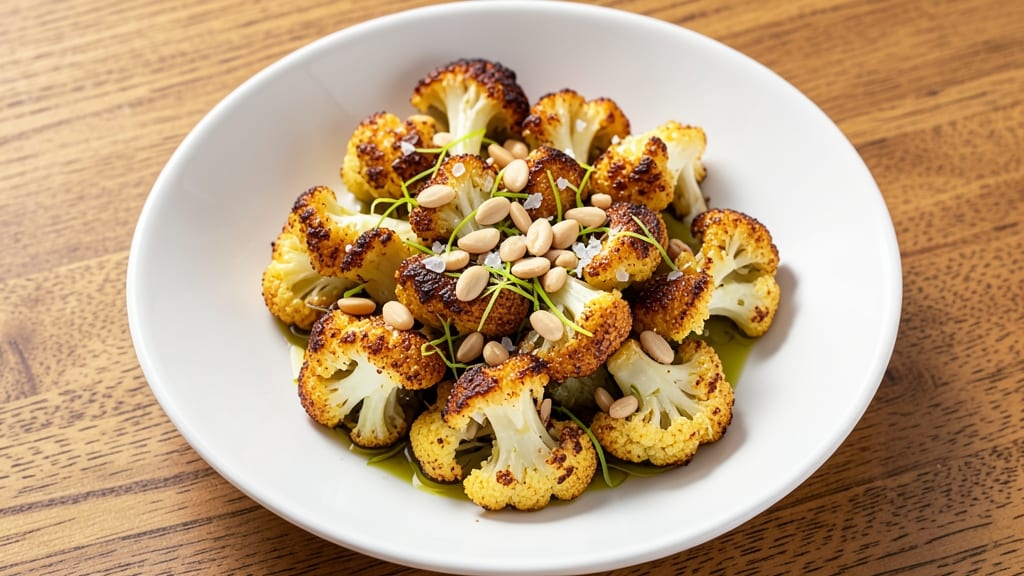
Lidia Bastianich's roasted cauliflower recipe transforms a simple vegetable into a showstopping side dish with nutty crisp edges and tender hearts—the kind of dish that elevates any meal.
The secret lies in high-heat roasting and a precise balance of olive oil, salt, and pepper, creating caramelized edges that rival any restaurant preparation. I’ve adapted her signature technique to deliver restaurant-quality results at home, where every bite delivers both texture and depth.
This method starts with whole cauliflower florets, tossed in just enough olive oil to promote browning without overwhelming the natural flavor. Roasting at 450°F ensures crisp edges while keeping the centers tender—a technique Lidia perfected in her Italian-American kitchen.
The key is patience: letting the cauliflower roast until golden and slightly charred, then finishing with a sprinkle of flaky sea salt for that final touch of sophistication.
What you’ll end up with is cauliflower that’s crisp at the edges, tender in the center, and infused with a subtle nutty aroma from the caramelization. The simple seasoning—just salt, pepper, and olive oil—lets the cauliflower shine while delivering a depth of flavor that surprises even skeptics.
This isn’t just a side dish; it’s a textural masterpiece that pairs beautifully with grilled meats, hearty stews, or even as a standalone snack.
For an extra layer of flavor, finish with a drizzle of lemon zest or a sprinkle of toasted pine nuts, though the dish stands strong on its own. The beauty of this recipe is its versatility—equally at home on a weeknight table or a holiday spread. Let’s get roasting!
Ingredients for lidia's roasted cauliflower
Seven ingredients. One technique. Restaurant-quality cauliflower that rivals any Italian trattoria side dish.
| Ingredient | Amount | Notes |
|---|---|---|
| Fresh Cauliflower 🥬 | 1 whole | Cut into even florets |
| Extra-Virgin Olive Oil 🫒 | ¼ cup | High-quality, fruity variety |
| Flaky Sea Salt 🧂 | 1 ½ tsp | Diamond Crystal preferred |
| Freshly Ground Black Pepper 🌶️ | ½ tsp | Coarsely cracked |
| Lemon Zest 🍋 | 1 tsp | Fine, from organic lemons |
| Toasted Pine Nuts 🥜 | ¼ cup | Optional, for garnish |
| Garlic Cloves 🧄 | 2 cloves | Minced, optional for depth |
The cauliflower selection matters—opt for a firm head with tight florets and vibrant green leaves, a hallmark of freshness. Whole Foods or local farmers markets consistently carry the highest quality, though any grocery store’s produce section will suffice. For the olive oil, California Avocado Oil Company or Bertolli provide that fruity, peppery profile essential for caramelization. Skip the pre-cut florets—they bruise easily and lack the structural integrity needed for proper browning. If using frozen cauliflower, thaw and pat thoroughly dry to prevent steam from inhibiting crisp edges.
No extra-virgin olive oil? Avocado oil or light-tasting neutral oil works in a pinch, though you’ll sacrifice some of that signature nutty aroma. The sea salt is non-negotiable—Diamond Crystal’s flaky texture melts beautifully, while table salt may clump. Substituting lemon zest? Orange zest at double the amount offers a brighter note, though it lacks the subtle bitterness of lemon. For the pine nuts, walnuts or pecans provide a similar crunch when toasted, though they’ll alter the flavor profile slightly. The garlic is entirely optional but adds a subtle depth that complements the caramelization beautifully.
Fresh cauliflower keeps 5-7 days in the fridge, wrapped in a damp towel to maintain moisture. Roasted portions reheat best at 350°F for 5-7 minutes, though they’re best enjoyed immediately. Store any unused olive oil in a cool, dark place and use within 18 months of opening. For meal prep, roast an extra head and store florets separately—toss with a bit of olive oil before reheating to restore crispness. The pine nuts should be toasted fresh or stored in an airtight container for up to 2 weeks to prevent rancidity.
Why You'll Love This Recipe
- One-Pan Magic: I swear by this recipe because it’s that simple—just toss the florets on a sheet pan, drizzle with olive oil, and let the oven do the work. No chopping boards left dirty, no pots to scrub.
- Crispy-Creamy Bliss: That golden crust from the olive oil and sea salt? It’s the best part. The lemon zest adds this bright, unexpected kick that makes it taste like something you’d order at a restaurant—not just a side dish.
- Meal Prep Hero: Between us, this is my go-to for lunches all week. Roast a big batch on Sunday, and you’ve got a satisfying, healthy side ready to grab whenever. (Yes, even on a Tuesday night.)
- Budget-Friendly Flex: Cauliflower is cheap, and this recipe stretches it far—perfect for feeding a crowd without breaking the bank. Plus, leftovers reheat beautifully, so you’re not stuck with wasted food.
Step-by-step instructions for Lidia Bastianich's roasted cauliflower
Master the art of roasting cauliflower to achieve Lidia's signature balance of crisp edges and tender hearts.
Prepare the Cauliflower and Seasoning
Begin by cutting the whole fresh cauliflower into even florets, ensuring each piece is roughly the same size. This guarantees even cooking throughout. Trim away any tough outer leaves and discard the core. Place the florets in a large mixing bowl and set aside.
In a small bowl, combine the 1.5 teaspoons of flaky sea salt, 0.5 teaspoon of freshly ground black pepper, and 1 teaspoon of lemon zest. The flaky sea salt will create those coveted crisp edges, while the lemon zest adds a bright, aromatic contrast to the earthy cauliflower. Rub this seasoning mixture over the cauliflower florets until they're evenly coated. This step ensures every bite carries that perfect balance of flavors.
Toss with Olive Oil and Garlic
Add the 0.25 cup of extra-virgin olive oil to the bowl with the seasoned cauliflower. Using your hands, gently toss the florets until they're thoroughly coated with the oil. The high-quality olive oil not only enhances flavor but also promotes browning during roasting. If using, add the 2 minced garlic cloves to the bowl and toss once more to distribute evenly.
Here's where precision matters: you want the cauliflower to be well-coated but not swimming in oil. The florets should glisten lightly, indicating an even distribution. This step is critical for achieving that perfect caramelization without making the dish overly greasy.
Roast for Maximum Crispness and Tenderness
Preheat your oven to 425°F. This high temperature is essential for developing those nutty, crisp edges while keeping the interior tender. Arrange the cauliflower florets on a rimmed baking sheet in a single layer, ensuring they don't overlap. If your baking sheet is large enough, you can roast all the florets at once.
Roast the cauliflower for 25-30 minutes, until the edges are deep golden brown and the florets are tender when pierced with a fork. You'll notice the edges begin to crisp and develop a beautiful caramelized color while the centers remain moist and tender. This contrast in textures is what makes this dish so satisfying. Rotate the baking sheet halfway through cooking to ensure even browning.
Garnish and Serve Immediately
Remove the cauliflower from the oven and transfer it to a serving platter. While still warm, sprinkle the 0.25 cup of toasted pine nuts over the top. The pine nuts add a delightful crunch and nutty depth that complements the roasted cauliflower beautifully. Their toasted aroma will enhance the overall presentation and flavor profile.
Serve the cauliflower immediately, while it's at its peak texture. The contrast of crisp edges with tender hearts, combined with the bright lemon zest and nutty pine nuts, creates a dish that's both elegant and satisfying. Lidia's technique ensures each bite delivers that perfect balance of textures and flavors we've worked so hard to achieve.
Pro Tips For Making Lidia'S Roasted Cauliflower
- CUT THE CORE FIRST: Break the cauliflower into even-sized florets—about 2 inches across—and trim the thick stem base before roasting. I learned this the hard way: uneven pieces burn on the outside while staying raw inside, and no one wants a sad, half-cooked center.
- SALT BEFORE OIL: Toss the florets with flaky sea salt before drizzling the olive oil—this helps the seasoning cling better and prevents clumping. I used to drizzle oil first, and half the salt would just slide off like it was on a mission.
- ROAST AT 425°F UNTIL CRISP: Don’t walk away when the edges look golden—keep it in at 425°F until the florets are deeply caramelized and slightly charred in spots. The lemon zest won’t stick properly if the cauliflower isn’t dry and crisp enough.
- ZEST AFTER ROASTING: Sprinkle the lemon zest right after pulling the cauliflower from the oven while it’s still piping hot—this locks in the aroma and prevents it from turning bitter. I used to add it earlier, and it’d just dissolve into the oil.
Health benefits of this dish
Low-Calorie Powerhouse
This roasted cauliflower packs a nutritional punch with just 55 calories per cup—far fewer than many starchy sides. It’s naturally low in fat and cholesterol-free, making it a heart-healthy choice.
The high-fiber content (5 grams per serving) supports digestion and keeps you feeling full longer, which is perfect for weight management or balanced meals. 💪
Rich in Antioxidants
Cauliflower is packed with antioxidants like vitamin C and vitamin K, which help combat oxidative stress in your body. A single serving provides 77% of your daily vitamin C needs, boosting immunity and skin health.
The roasting process actually enhances these antioxidants, making this dish even more beneficial than raw cauliflower.
Supports Bone Health
The vitamin K in cauliflower plays a crucial role in bone metabolism, helping to maintain strong bones and prevent osteoporosis. With 16% of your daily vitamin K in one serving, this dish is a great addition to any bone-supportive diet.
The mineral content, including calcium and phosphorus, further contributes to skeletal health.
Versatile for Dietary Needs
This recipe is naturally gluten-free, dairy-free, and vegan, making it adaptable for various dietary restrictions. The simple seasoning ensures it’s free from common allergens like nuts (unless you add pine nuts) or dairy.
It’s also low in carbs, making it a great fit for keto or low-carb diets while still delivering satisfying texture and flavor.
Nutrient Boost from Roasting
Roasting cauliflower at high heat (425°F) not only enhances its flavor but also increases its nutrient bioavailability. The caramelization process creates compounds that support cellular health, while the olive oil adds healthy monounsaturated fats that your body absorbs efficiently.
This method preserves more nutrients than boiling or steaming, making it one of the healthiest ways to prepare cauliflower. ✨
Nutrition facts
Frequently asked questions
Why does Lidia's method use such a high oven temperature?
Roasting at 425°F creates the signature crisp edges while keeping centers tender. The high heat caramelizes the natural sugars in cauliflower, developing that nutty, toasted flavor. Lower temperatures (400°F) won't achieve the same texture contrast or depth of flavor.
Can I use frozen cauliflower instead of fresh?
Yes, but with adjustments: thaw completely first, then pat thoroughly dry with paper towels to remove excess moisture. This prevents steam from inhibiting browning. Roast 5-7 minutes longer than fresh to compensate for the moisture difference.
What if my cauliflower turns out soggy instead of crisp?
Overcrowding on the baking sheet or using too much oil are common culprits. For next time: arrange florets in a single layer with 1-inch gaps and use just enough olive oil to lightly coat (about 1 tablespoon per pound). Also ensure your oven racks are positioned in the middle for even heat circulation.
How can I make this dish ahead of time?
Roast the cauliflower as directed, then store in an airtight container for up to 3 days. To restore crispness, reheat at 400°F for 5-7 minutes and toss with a light drizzle of olive oil before serving. The flavor actually improves overnight as the seasonings meld!
What are some great pairings for this roasted cauliflower?
This dish shines with rich proteins like grilled steak or salmon, or as a standalone snack with hummus. For a complete meal, pair with wild rice pilaf or a simple arugula salad. The nutty, crisp texture also complements spicy dishes like chili or tacos beautifully.