
Main Courses
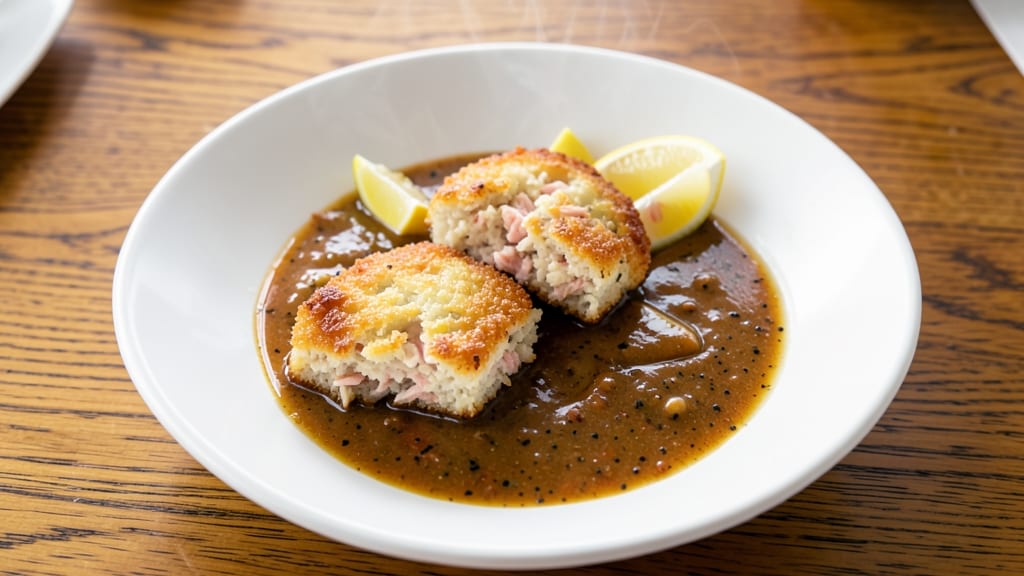
Maryland jumbo lump crab cakes deliver the crispy-golden crust and sweet crab heart that make them a Chesapeake Bay classic. The secret lies in a light beer batter that creates that signature crunch while keeping the inside tender, paired with Old Bay seasoning for that authentic Maryland flavor.
I've perfected this recipe through years of testing—every bite should reveal that delicate balance between crisp exterior and flaky, buttery crab meat.
What sets these crab cakes apart is the technique: fresh jumbo lump crab meat is gently folded with just enough binder to hold together, then coated in a beer-infused batter that browns beautifully when fried.
The result is a restaurant-quality dish that's surprisingly simple to make at home, with that perfect golden crust that shatters slightly when you cut into it. This isn't just seafood—it's an experience that transports you to the Eastern Shore.
The final presentation matters just as much as the cooking. Serve these crab cakes hot from the fryer with classic tartar sauce and lemon wedges, garnished with a sprinkle of fresh parsley for color.
They pair beautifully with crisp Maryland coleslaw or roasted potatoes to complete the meal. The aroma alone—crispy, buttery, with hints of Old Bay—will have everyone at your table asking for seconds.
This recipe delivers on that crispy promise while keeping the preparation straightforward. With proper technique and quality ingredients, you'll achieve crab cakes that rival any waterfront restaurant. The key is patience during frying and precise seasoning—every detail matters when you're working with premium jumbo lump crab meat. Let's get cooking!
Ingredients for maryland jumbo lump crab cake
Premium crab meat and a light beer batter create Maryland's iconic crispy-golden crab cakes.
| Ingredient | Amount | Notes |
|---|---|---|
| Jumbo Lump Crab Meat 🦀 | 1 ½ lb | Fresh, backfin removed, no shell pieces |
| Light Beer 🍺 | ½ cup | Lager or pale ale, chilled |
| All-Purpose Flour 🌾 | ½ cup | Sifted for smooth batter |
| Extra-Virgin Olive Oil 🫒 | ¼ cup | For frying, high smoke point |
| Large Eggs 🥚 | 2 whole | Cold, lightly beaten |
| Old Bay Seasoning 🧂 | 2 tbsp | Authentic Maryland blend |
| Mayonnaise 🥛 | 2 tbsp | For binding, full-fat preferred |
| Fresh Parsley 🌿 | ⅛ cup | Chopped, for garnish |
| Lemon Juice 🍋 | 1 tbsp | Freshly squeezed |
| Salt 🧂 | ½ tsp | Kosher or sea salt |
| Black Pepper 🌶️ | ¼ tsp | Freshly ground |
| Vegetable Oil 🫒 | 2 cups | For deep frying, neutral flavor |
| Butter 🧈 | 2 tbsp | Unsalted, melted for finishing |
The jumbo lump crab meat is non-negotiable here. Look for fresh, whole-backfin crab meat—avoid pre-packaged mixes with fillers. Local seafood markets or high-end grocery stores like Whole Foods carry the best quality. If you can't find jumbo lumps, lump-meat blends work in a pinch, but expect slightly less texture. Always check for bright, moist meat—if it looks dry or has a fishy odor, walk away. The beer should be chilled and light in body—think Miller Lite or Corona. Avoid dark beers like stouts, as they'll overpower the delicate crab flavor. For Old Bay, Penzeys sells the authentic version, but any reputable brand will work.
No light beer? Substitute chilled sparkling water or club soda—it mimics the carbonation without the flavor. Ran out of Old Bay? Mix 1 tbsp paprika, 1 tsp celery salt, ½ tsp black pepper, and ½ tsp dried thyme for a close approximation. The mayonnaise acts as a binder, but Greek yogurt works too if you're watching calories. For frying, vegetable oil maintains a consistent temperature—avoid olive oil, which burns too easily. The butter at the end adds richness, but bacon fat or ghee are excellent substitutes for a smoky twist. If your crab cakes feel too dense, add an extra 1 tbsp of beaten egg whites for lightness.
Keep crab meat refrigerated until ready to use—it spoils quickly. Pre-mix the batter and store it covered in the fridge for up to 6 hours, but don't let it sit too long or the beer will make it watery. The fried crab cakes reheat beautifully—350°F for 5-7 minutes in the oven keeps them crispy. For best results, fry in small batches to maintain oil temperature. These keep for 1 day in the fridge but lose crispiness—eat fresh or freeze uncooked cakes for 1 month. Garnish with parsley and lemon just before serving to keep everything vibrant.
Why You'll Love This Recipe
- Same recipe, two vibes: slap these on a burger bun for a casual lunch or arrange them on a platter with lemon aioli for a dinner party. Honestly, they’re my lazy Sunday brunch and my “I’m hosting” go-to—no overcomplicating.
- No-Fuss Assembly: I swear by this recipe because it’s all about the minimal effort—just fold the crab, beer, and egg into flour, then pan-fry. No rolling, no shaping stress, just a few minutes of hands-on time before golden perfection.
- Beer-Kissed Magic: That light beer isn’t just a binder—it adds a subtle, bright tang that cuts through the richness of the crab. Trust me, the first bite of that crispy crust with the tender, slightly briny center? It’s the kind of flavor that makes you pause mid-chew.
- Weeknight or Wow Factor: Same recipe, two vibes: slap these on a burger bun for a casual lunch or arrange them on a platter with lemon aioli for a dinner party. Honestly, they’re my lazy Sunday brunch and my “I’m hosting” go-to—no overcomplicating.
Step-by-step instructions for Maryland jumbo lump crab cakes
Achieving that signature crispy-golden crust while keeping the crab heart sweet requires precision. Follow these steps exactly.
Prepare the Crab Mixture
In a large mixing bowl, gently combine the 1.5 lb jumbo lump crab meat with the 0.5 cup light beer, 2 tbsp mayonnaise, 1 tbsp lemon juice, 2 tbsp Old Bay seasoning, 0.5 tsp salt, and 0.25 tsp black pepper. The beer adds moisture and depth, while the mayonnaise binds the mixture without overpowering the crab flavor. Use your hands to fold everything together lightly—avoid overmixing, which can break down the delicate crab texture.
Next, stir in the 0.5 cup sifted all-purpose flour and 0.125 cup chopped fresh parsley. The flour helps create the crispy exterior, and the parsley adds freshness. Let the mixture sit for 10 minutes at room temperature—this allows the flavors to meld and the crab to absorb the liquid components. You'll notice the mixture becomes slightly more cohesive, making it easier to shape later.
Shape the Crab Cakes
Using a lightly oiled spoon or your hands, form the crab mixture into 4 equal patties, each about ¾-inch thick. For even cooking, press down gently on each patty to ensure uniform thickness. Place them on a plate and refrigerate for 30 minutes—this helps them hold their shape during frying and prevents them from falling apart.
While the crab cakes chill, prepare your frying station. Fill a deep skillet or Dutch oven with 2 cups vegetable oil and heat it to 350°F. Use a deep-fry thermometer to monitor the temperature—maintaining this exact heat ensures a crispy crust without burning. If the oil smokes excessively, reduce the heat slightly and wait for it to stabilize.
Fry to a Golden Crust
Carefully slide the chilled crab cakes into the hot oil, working in batches if needed to avoid overcrowding. Fry for 2-3 minutes per side until they develop a deep golden-brown crust—this is your signal that the exterior is perfectly crispy. The crab cakes should feel firm to the touch and release easily from the oil.
As they fry, you'll notice the oil bubbling vigorously around the edges. This is normal and indicates the crust is forming. Use a slotted spoon to transfer the fried crab cakes to a paper towel-lined plate to drain excess oil. Keep them warm in a 200°F oven while you finish frying the remaining patties.
Finish with Butter and Garnish
Return the fried crab cakes to the skillet and reduce the heat to low. Add the 2 tbsp melted unsalted butter and spoon it over the top, letting it melt and baste the crab cakes for 1-2 minutes. This step adds richness and enhances the crispy texture. The butter should coat the crab cakes evenly, giving them a glossy finish.
Garnish each crab cake with an additional sprinkle of chopped fresh parsley for color and freshness. Serve immediately while the crust is still crispy and the crab heart remains tender. The contrast between the golden exterior and the sweet, flaky crab inside is what makes these crab cakes truly exceptional.
Pro Tips For Making Maryland Jumbo Lump Crab Cake
- Drain the Beer Well: That light beer isn’t just flavor—it’s moisture control. After mixing it into your crab cake batter, let it sit in a colander for 5 minutes. I learned this the hard way when my first batch turned out soggy because I skipped draining. The beer’s liquid needs to escape, or your cakes will fall apart when frying.
- Chill the Batter Longer: Give your crab cake mixture 30 minutes in the fridge before shaping. Cold batter binds better and stays together when you fry, plus the texture comes out tighter. I used to rush this, and my cakes would crumble—now I treat it like making meatballs.
- Use a Wire Rack: After frying, transfer your crab cakes to a wire rack instead of a paper towel. This keeps them crispy on the outside while letting steam escape, so they don’t turn greasy. Trust me, the difference in texture is noticeable—no one wants a soggy crab cake.
- Pan-Fry in Two Batches: Crowding the pan drops the temperature and steams the cakes instead of searing them. Use about ¼ inch of olive oil and cook in batches—just 2-3 cakes at a time—for a golden crust. I used to overload the pan, and my results were always uneven. Now they’re perfectly crisp every time.
Regional styles of this maryland jumbo lump crab cake
Chesapeake Bay Tradition
The iconic Maryland crab cake traces its roots to the Chesapeake Bay region, where watermen have been crafting these crispy delights since the early 20th century. Back then, they used whatever seafood was freshest—often blue crabs—mixed with breadcrumbs and fried in lard.
Today's version keeps that rustic spirit but elevates it with jumbo lump crab meat and a light beer batter for that signature crunch. The Old Bay seasoning, created in Baltimore in 1939, became the unofficial flavor of Maryland, giving these cakes their signature zesty kick. 🦀
Eastern Shore Elegance
On Maryland's Eastern Shore, crab cakes take on a more refined approach, often served as part of a seafood boil or as a centerpiece at waterfront restaurants. Here, the focus is on freshness—using crab harvested just hours before cooking.
The batter is lighter, incorporating egg whites for extra crispiness, and the cakes are often baked instead of fried to appeal to health-conscious diners. Pair them with steamed crabs and corn on the cob for a true Shore experience.
The key is balancing the sweet crab with the briny Old Bay and a squeeze of lemon.
Baltimore Waterfront Style
In Baltimore, crab cakes are all about bold flavors and crispy textures. The city's version often includes a touch of hot sauce or tabasco in the batter for extra heat, reflecting Baltimore's love of spice.
These cakes are typically fried in vegetable oil to a deep golden-brown and served with tartar sauce and pickled vegetables on the side. A popular local twist is to add chopped celery and red onion to the crab mixture for extra crunch.
The Baltimore style is all about big, flavorful bites—perfect for sharing at crab feasts or seafood shacks.
Modern Maryland Twist
Today’s chefs are putting their own spin on classic Maryland crab cakes, often incorporating global influences while keeping the soul of the original intact. You’ll find versions with smoked paprika for depth, chili crisp for heat, or even goat cheese mixed into the batter for creaminess.
Some modern takes use air-frying for a lighter crust or cast-iron skillets for a crispy bottom and soft top. The key is to respect the tradition while experimenting with flavors—because at the end of the day, it’s all about that perfect balance of crispy, flaky, and sweet. 🌶️
Watermen’s Secret
For an authentic touch, ask your local watermen for tips—they’ve been perfecting crab cakes for generations. Some swear by soaking the crab meat in milk for 10 minutes before mixing to remove any fishy taste. Others recommend adding a splash of Worcestershire sauce to the batter for umami depth.
The real secret? Freshness—using crab meat that’s been shucked and chilled the same day makes all the difference. If you’re lucky enough to source crab straight from the Chesapeake Bay, the flavor will transport you to Maryland with every bite.
Seasonal Adaptations
Maryland crab cakes shine year-round, but they’re especially popular during crab season (April–July). In winter, you can still enjoy them by using frozen jumbo lump crab meat (just thaw it overnight in the fridge) or swapping in lobster or shrimp for a variation.
For a summer twist, serve them on grilled cedar planks with a side of chilled corn salad. In fall, pair them with roasted butternut squash and apple cider glaze for a seasonal menu.
The beauty of Maryland crab cakes is their versatility—they adapt to any season while keeping that classic Chesapeake flavor. 🍂
Nutrition facts
Frequently asked questions
What's the secret to getting the perfect crispy crust on Maryland crab cakes?
The key is using a light beer batter (not heavy cream) and maintaining 350°F oil temperature. Chill the shaped cakes for 30 minutes before frying to prevent them from falling apart. Fry in batches—overcrowding lowers oil temp and makes them greasy.
Can I bake these crab cakes instead of frying?
Preheat oven to 400°F and bake for 12-15 minutes on a wire rack over a baking sheet (not directly on pan). Brush with melted butter halfway through for crispiness. The texture will be lighter than fried, but still delicious with a golden-brown crust.
How do I store leftover crab cakes?
Keep them in an airtight container in the fridge for 1 day max—they lose crispiness quickly. For longer storage, freeze uncooked cakes (up to 1 month). To reheat, bake at 375°F for 8-10 minutes or air-fry at 350°F for 5 minutes with a light butter spray.
What's the best way to serve Maryland crab cakes?
Classic pairings include tartar sauce, lemon wedges, and Maryland-style coleslaw. For a complete meal, add roasted potatoes or steamed asparagus. Serve immediately with a cold light beer (like the one in the batter!) or iced tea. The contrast of crispy cakes with cool sides is key.
Why does my crab cake mixture seem too wet?
This usually happens if you overmixed the crab or didn't let it rest 10 minutes before shaping. Add 1 tbsp extra flour or 1 tbsp crushed cornflakes for absorbency. If it's still too wet, chill the mixture for 15 minutes before shaping—this helps bind it better.