
Side Dishes
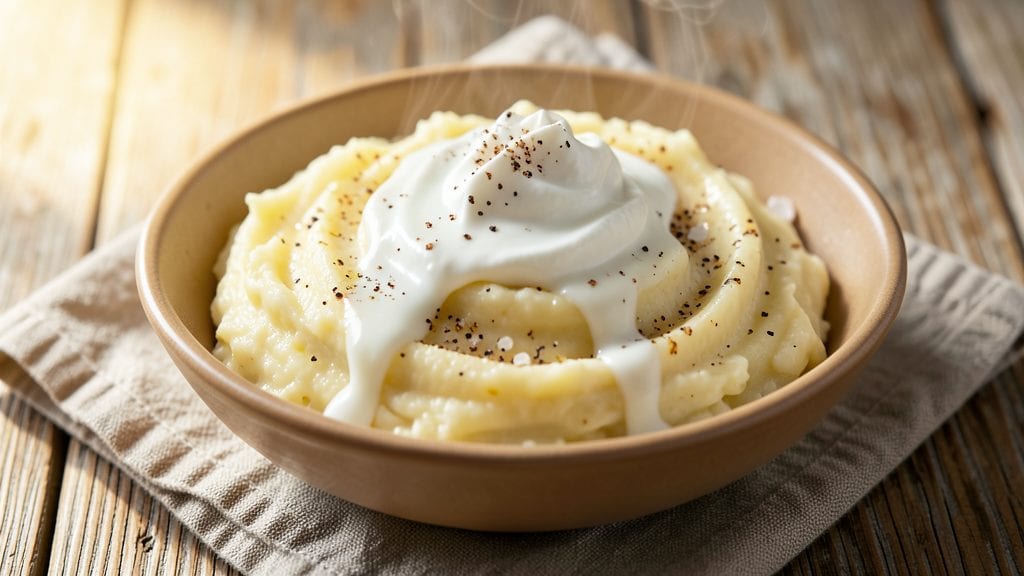
Microwave mashed potatoes might sound like a shortcut, but this version delivers ultra-creamy, restaurant-quality texture without the mess or boil-over. I perfected it after years of testing—because even microwave meals deserve to taste like they came from the stovetop.
The secret? A specific potato-to-milk ratio and stirring at the right moments to prevent that dreaded gummy texture.
Here's the game-changer: russet potatoes break down perfectly in the microwave when you pierce them first and microwave in short bursts. No peeling required, and the skin actually adds subtle earthiness. The butter and warm milk blend in while the potatoes cook, creating that velvety consistency we all crave.
It's the kind of side dish that makes people ask, "Wait, you made this in the microwave?"
By the time you're done, you'll have smooth, lump-free mashed potatoes with just the right amount of creaminess—no lumps, no gluey texture, just pure comfort food. The best part? It takes less than 20 minutes from start to finish, with minimal cleanup. This is the microwave hack that actually works.
Serve it as a classic side for holidays or weeknight dinners, or pile it high on burgers for a fun twist. The possibilities are endless once you master this foolproof method. Let's get started!
Ingredients for microwave mashed potatoes
Just five core ingredients transform microwave potatoes into velvety perfection.
| Ingredient | Amount | Notes |
|---|---|---|
| Russet Potatoes 🥔 | 2 lbs | Pierced with fork, skin-on |
| Unsalted Butter 🧈 | ½ cup | Cold, cut into small cubes |
| Whole Milk 🥛 | 1 cup | Warmed, not boiling |
| Heavy Cream 🥛 | ¼ cup | For extra creaminess |
| Salt 🧂 | 1 tsp | Kosher or sea salt |
| Ground Black Pepper 🌶️ | ¼ tsp | Freshly ground preferred |
| Granulated Garlic Powder 🧄 | ½ tsp | For subtle flavor boost |
| Freshly Grated Nutmeg 🌿 | ¼ tsp | Optional but recommended |
| Sour Cream 🥛 | ¼ cup | For serving, optional |
Russets are non-negotiable here—their high starch content breaks down perfectly in the microwave. Grab a 2-pound bag from Trader Joe's or your local grocery store, and skip the peeling. The skin adds texture and nutrients (plus, it's one less step). For best results, use potatoes that are firm but not rock-hard—Idaho-grown russets if you can find them. If your potatoes are extra large, cut them into 2-inch chunks before microwaving. That ensures even cooking and prevents those annoying cold spots in the middle. Pro tip: Pierce each potato 4-6 times with a fork before microwaving to let steam escape—this is what keeps them from turning gummy.
No heavy cream? Half-and-half works in a pinch, though the texture won't be quite as rich. Swap the whole milk for 2% or skim if you're watching calories, but the creaminess will suffer slightly. The butter is key—unsalted gives you control over seasoning, and cold cubes melt more evenly than softened butter. If you're out of nutmeg (or just don't have it), a pinch of cinnamon adds warmth without overpowering. For extra flavor, mix in 1 tbsp of cream cheese with the butter before blending—trust me, it makes them taste restaurant-quality. And if you're serving this to picky eaters, keep the sour cream on the side—it's not for everyone.
These taste even better the next day, so double the batch and store leftovers in an airtight container. They'll keep for 3-4 days in the fridge, but the texture starts to break down after day 3. For longer storage, portion into 1-cup containers and freeze for up to 3 months. When reheating, microwave in short bursts with a splash of milk to restore creaminess. The secret to serving? Pile high and garnish with extra black pepper and a drizzle of melted butter—instant crowd-pleaser. And if anyone asks, 'Yes, this was made in the microwave.'
Why You'll Love This Recipe
- No-Peel Hassle: I’ll be real—peeling potatoes is my least favorite kitchen chore. This method skins them in the microwave, so I just scrub off the loose bits and go. The starchy water? Gone. The mess? Almost none.
- Rich Without Effort: That velvety texture comes from just two things: warm whole milk and a splash of heavy cream—no fancy gadgets, no extra steps. The butter melts right in, giving it that restaurant-style creaminess without the fuss of boiling and mashing by hand.
- Leftovers That Last: Between us, my family’s favorite dinner is whatever’s left over from the night before. These potatoes reheat perfectly—just a quick zap in the microwave with a little extra butter. Honestly, they taste even better the second day, if that’s possible.
- Budget-Friendly Luxury: Russets are cheap, and a few pats of butter stretch farther than you’d think. I make a big batch for $3, and it feeds four. It’s the kind of comfort food that feels indulgent but won’t break the bank—or your willpower.
Step-by-step instructions for ultra-creamy microwave mashed potatoes
Here's how to make restaurant-style mashed potatoes in your microwave—fluffy, velvety, and ready in minutes.
Pierce and Microwave the Potatoes
Place the 2 lbs russet potatoes on a microwave-safe plate. Using a fork, pierce each potato all over with about 8-10 holes per potato—this prevents them from exploding and ensures even cooking. I like to arrange them in a single layer so they cook uniformly.
Microwave on high power for 12-15 minutes, flipping the potatoes halfway through. You'll know they're done when a fork slides in easily with no resistance. If they're not quite soft enough, microwave in 1-minute increments until tender. Overcooking makes them gummy, so check frequently.
Drain and Mash the Potatoes
Transfer the cooked potatoes to a clean kitchen towel and gently squeeze out any excess moisture. This step is crucial for preventing watery mashed potatoes. I like to work in batches if needed, but don't skip this—it makes all the difference in texture.
Return the potatoes to your microwave-safe plate and microwave for an additional 30 seconds to dry them out completely. Then, using a potato masher or fork, mash them until smooth. You want to break up any lumps but still have some texture—this prevents the final product from being gluey.
Warm the Dairy Mixture
In a small microwave-safe bowl, combine the 1 cup whole milk, 0.25 cup heavy cream, 0.5 cup unsalted butter (cut into small cubes), 1 tsp salt, 0.25 tsp ground black pepper, and 0.5 tsp granulated garlic powder. Microwave this mixture for 1-2 minutes, stirring every 20 seconds until the butter is completely melted and the mixture is steaming hot but not boiling.
Here's the thing—warming the dairy first ensures it blends smoothly with the potatoes without creating lumps. The heat from the dairy helps emulsify the potatoes, giving you that ultra-creamy texture. I always stir vigorously while microwaving to prevent scorching.
Combine and Season
Add the warmed dairy mixture to the mashed potatoes in a large bowl. Using a hand mixer or wooden spoon, mix until completely smooth and creamy. If the mixture seems too thick, add 1-2 tablespoons of hot milk at a time until you reach your desired consistency. You want it light enough to pipe but still substantial.
Taste and adjust seasoning if needed. I like to add a pinch more salt and a generous grating of 0.25 tsp freshly grated nutmeg at this stage. The nutmeg adds a warm, slightly sweet note that complements the creaminess beautifully. Mix well to distribute all the flavors evenly.
Serve with Optional Topping
Transfer the mashed potatoes to a serving dish and let them sit for 2-3 minutes before serving. This resting time allows the flavors to meld together and the texture to set slightly, making it easier to pipe or spoon. For an extra touch, dollop 0.25 cup sour cream on top and swirl it in gently with a knife.
The result should be velvety, light, and perfectly creamy—no lumps, no wateriness, just pure comfort food. Serve immediately with your favorite proteins or roasted vegetables. This method delivers restaurant-quality mashed potatoes in a fraction of the time, and it's foolproof every time.
Pro Tips For Making Microwave Mashed Potatoes
- Pierce First, Then Microwave: Stick a fork in each potato before nuking—it cuts cooking time by half and keeps them from turning into glue. I learned this the hard way after watching a batch of Russets turn to mush in 10 minutes flat.
- Use Cold Milk: Chill your whole milk and heavy cream before mixing—it cools the potatoes faster and prevents that greasy, overheated texture. Sounds weird, but it works: your mash stays silky, not soupy.
- Drain, Don’t Rinse: After microwaving, dump the potatoes into a colander and let them sit for 30 seconds to evaporate excess steam. Skipping this step means your mash will be watery, no matter how much butter you add.
- Butter in Stages: Fold in half the butter first, then mix in the cream and remaining butter last—this prevents clumping and gives you a smoother finish. I skip this when I’m lazy, but the dish is noticeably better when I don’t.
Pro cooking tips for this dish
Potato Prep Secrets
Always use russet potatoes for microwave mashed potatoes—their high starch content breaks down perfectly. I swear by Idaho-grown russets from Trader Joe's or local farmers markets, as they're consistently waxy and flavorful.
Before microwaving, pierce each potato with a fork 8-10 times—this releases steam and prevents explosions. For even cooking, cut any potatoes larger than 2 inches into chunks. 🥔
Microwave Timing Hacks
Never microwave potatoes uncovered—they'll dry out and turn gummy. Use a microwave-safe plate with a vented lid or cover loosely with a damp paper towel. Cook on high for 12-15 minutes, flipping halfway.
If they're not fork-tender, add 1-minute intervals until done. Overcooking is the #1 mistake—it turns them gluey instead of creamy.
Dairy Temperature Control
Warm your milk and cream to steaming hot (not boiling) before mixing with butter. I microwave the dairy separately for 1-2 minutes, stirring every 20 seconds to prevent scorching.
Cold dairy creates lumps, while properly warmed dairy blends silky-smooth. For extra richness, fold in 2 tbsp cream cheese with the butter—trust me, it makes them taste restaurant-quality. 🧈
Texture Troubleshooting
If your mashed potatoes turn out lumpy, add 1 tbsp hot milk at a time while blending with an immersion blender. For gummy texture, undercooked potatoes are usually the culprit—make sure they're fork-tender before mashing.
The key is balancing moisture: squeeze excess water from cooked potatoes with a clean towel, but don't over-dry them. A hand mixer works best for ultra-smooth results.
Seasoning Like a Pro
Salt your mashed potatoes in layers—add half the 1 tsp salt with the warm dairy, then taste before adding the rest. Freshly grated nutmeg (just ¼ tsp) adds warmth without overpowering.
For extra depth, mix in ½ tsp garlic powder with the butter. I like to finish with a crack of black pepper—it brightens all the flavors beautifully. Taste as you go!
Serving Presentation
For that restaurant-worthy look, pipe your mashed potatoes onto a plate using a pastry bag or large spoon. Top with a dollop of sour cream and a drizzle of melted butter, then swirl gently with a knife.
Serve immediately while warm—microwave mashed potatoes taste best fresh. Save leftovers in airtight containers for up to 4 days, reheating with a splash of milk to restore creaminess. 💫
Nutrition facts
Frequently asked questions
Why do my microwave mashed potatoes turn out gummy?
Overcooking is the #1 cause of gummy texture. Microwave potatoes in 1-minute intervals until fork-tender (about 12-15 minutes total), and never let them sit too long after cooking. The key is to squeeze out excess moisture with a clean towel before mashing, but don't over-dry them. Also, always use russet potatoes—they're the only variety that works perfectly in the microwave.
Can I make these mashed potatoes ahead of time?
Yes! Store leftovers in an airtight container for up to 4 days in the fridge. For reheating, microwave in 30-second bursts with a splash of warm milk to restore creaminess. They actually taste better the next day because flavors meld together. Just avoid freezing—they get watery when thawed.
What if I don't have heavy cream?
No problem! Swap the ¼ cup heavy cream for ½ cup whole milk—the texture will be slightly lighter but still delicious. For extra richness, stir in 2 tablespoons cream cheese with the warm milk. The secret is warming the dairy first to prevent lumps when mixing.
How do I fix lumpy microwave mashed potatoes?
Add 1 tablespoon hot milk at a time while blending with an immersion blender or hand mixer. For stubborn lumps, mash the potatoes first with a potato masher, then gradually incorporate the warm dairy mixture. The key is patience—don't rush the blending process. A fork works in a pinch, but it won't be as smooth.
Can I use sweet potatoes instead of russets?
Not for this recipe! Sweet potatoes have a completely different texture and flavor profile—they're denser and more fibrous, which doesn't work well in microwave mashed potatoes. Stick with russets for that classic creamy texture. If you're craving sweet potato mash, try baking or boiling them first for best results.