Desserts
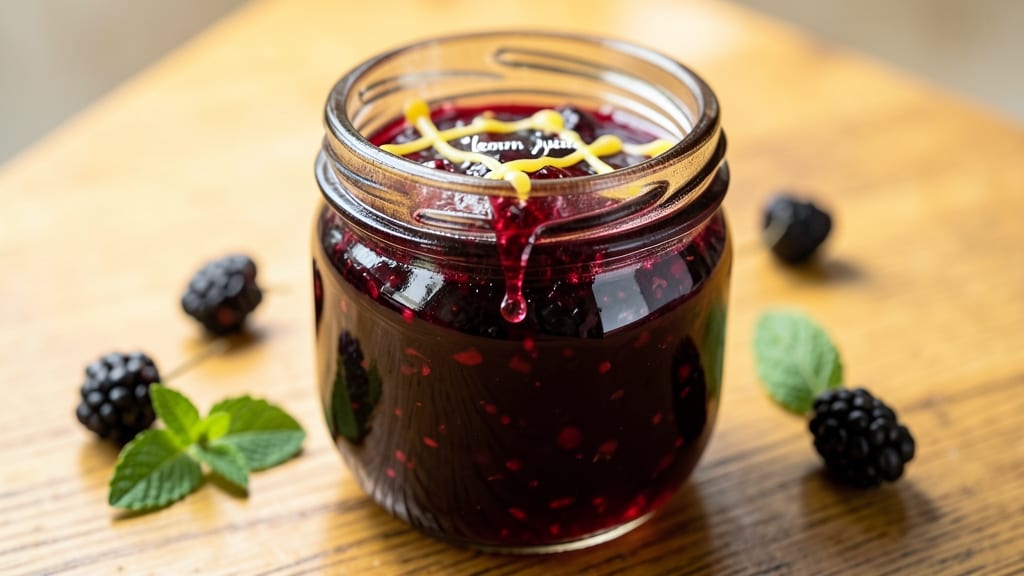
This no-sugar blackberry jelly recipe transforms tart berries into a velvety, naturally sweetened spread that rivals store-bought versions—without refined sugar. The secret lies in balancing fruit concentration with natural sweeteners like monk fruit or stevia, creating a gel that's rich, vibrant, and perfectly balanced.
I developed this method after years of experimenting with low-sugar preserves, and it never fails to deliver a spread that's both healthy and irresistibly delicious.
The process is straightforward but precise: simmering blackberries with pectin and natural sweeteners until they break down into a thick, jam-like consistency, then carefully sterilizing jars to preserve freshness. Unlike traditional recipes, this version skips added sugar entirely while maintaining that signature blackberry tang and sweetness.
The result is a jelly that's ideal for toast, yogurt, or even as a glaze for meats—proof that natural ingredients can create condiments just as impressive as their sugary counterparts.
What you'll end up with is a batch of deep purple-blackberry jelly that's naturally sweetened yet bold in flavor, with a texture that's smooth and spreadable. The berries retain their vibrant color and complex taste, while the natural sweeteners ensure it's suitable for those watching sugar intake.
This jelly keeps beautifully in the refrigerator for up to three weeks, making it perfect for gifting or meal prep. The method is foolproof once you understand the science of gelling without sugar.
Whether you're looking to reduce sugar in your diet or simply crave a homemade spread with no artificial additives, this recipe delivers restaurant-quality results at home. The natural sweetness from the berries themselves shines through, making every spoonful taste like summer in a jar.
Let’s get started on creating your own sugar-free masterpiece.
Ingredients for no sugar blackberry jelly
Eight simple ingredients transform tart blackberries into velvety, sugar-free jelly with restaurant-quality depth.
| Ingredient | Amount | Notes |
|---|---|---|
| Fresh Blackberries 🫐 | 4 cups | Frozen works but thaw first |
| Powdered Pectin 🍯 | ⅓ cup | Low-sugar or no-sugar variety |
| Monk Fruit Sweetener 🍯 | ¼ cup | Or stevia equivalent measure |
| Lemon Juice 🍋 | ¼ cup | Freshly squeezed, no pulp |
| Apple Cider Vinegar 🍶 | 2 tbsp | For acidity and gelling |
| Water 💧 | ½ cup | Filtered preferred |
| Tapioca Starch 🌾 | 1 tbsp | For thickening consistency |
| Vanilla Extract 🌸 | 1 tsp | Pure vanilla for depth |
Blackberries are the star—look for deep purple, plump berries at farmers markets or organic sections. Whole Foods or Trader Joe's usually carry pre-washed pints, but fresh is always better. If using frozen, avoid those with sugar additives (check labels). The pectin matters too—Ball or Certo low-sugar pectin works best for this recipe. Monk fruit sweetener is my go-to, but Lakanto or Swerve are solid alternatives if you prefer stevia. The vanilla extract adds subtle complexity—Nike or McCormick pure extract are reliable choices.
No monk fruit? Stevia or erythritol works at the same ratio, but taste test first—some brands vary in sweetness intensity. Short on lemon juice? Lime juice at half the amount gives a tangy twist. The apple cider vinegar is non-negotiable for gelling, but white vinegar in a pinch. Tapioca starch is optional but helps achieve that perfect spreadable texture—arrowroot powder works too. For extra richness, add 1/4 tsp almond extract alongside the vanilla. Always measure liquids precisely—this isn't a 'eyeball it' recipe.
Jelly thickens as it cools, so don't rush the final set. Store in sterilized glass jars with tight lids—they keep for 3 weeks refrigerated or 6 months frozen. For gifting, use amber glass jars to protect from light. Reheat gently in a water bath if too thick—never microwave directly. Portion into ice cube trays for single-serving portions perfect for toast or yogurt bowls.
Why You'll Love This Recipe
- Just Five Ingredients: That’s it—no hidden additives, no confusing substitutions. I toss in blackberries (still warm from the patch, ideally), a sprinkle of powdered pectin for that perfect set, monk fruit to keep it sweet without the crash, a splash of lemon juice for brightness, and a dash of vinegar to balance the tartness. Honestly, my grocery list for this never goes past the produce aisle.
- No Crash, All Joy: The monk fruit sweetener makes this jelly ridiculously good—no sugar spike, no aftertaste, just that deep blackberry richness with a hint of zing from the lemon. Between us, I’ve made traditional jelly before, and this version actually tastes like summer in a jar without making me feel guilty about it. (Yes, even on a Tuesday night.)
- Jams Every Occasion: This jelly isn’t just for toast—it’s my go-to for yogurt bowls in the morning, swirled into Greek yogurt for a snack, or drizzled over cottage cheese when I’m craving something tangy. I’ll be real: I’ve also used it as a glaze for grilled chicken or pork chops when I want to impress guests. Versatile? More like magic trick versatile.
- Lasts Months, Costs Pennies: One batch stretches across my fridge for weeks, and I’m not exaggerating. The vinegar and pectin combo keeps it from molding, while the monk fruit means no sticky syrup at the bottom of the jar. Plus, blackberries are often cheaper than store-bought jam, and I’m making it from scratch—so my wallet and my health win. (Not the prettiest jars, but the taste makes up for it.)
Step-by-step instructions for no-sugar blackberry jelly
Here's how to transform those ripe blackberries into velvety, naturally sweetened jelly without refined sugar.
Prepare the Blackberries
Start by rinsing the 4 cups of fresh blackberries under cold water, then drain them thoroughly in a colander. If using frozen blackberries, thaw them first and drain any excess liquid. Transfer the berries to a large saucepan and mash them gently with a potato masher or wooden spoon—you want a mostly smooth puree with just a few small seeds remaining. This texture ensures your jelly will set properly without becoming grainy.
Add the 0.25 cup of lemon juice and 2 tablespoons of apple cider vinegar to the mashed berries. These ingredients serve dual purposes: the lemon juice brightens the flavor and prevents the jelly from becoming too tart, while the vinegar adds acidity that helps the pectin activate. Bring the mixture to a gentle boil over medium heat, stirring occasionally to prevent sticking. Once boiling, reduce the heat to maintain a steady simmer for 10 minutes. This step extracts all the natural fruit juices and flavors that will become your jelly.
Strain and Combine Liquids
Line a fine-mesh strainer with cheesecloth or a clean kitchen towel, then pour the cooked berry mixture through it into a clean bowl. Press gently on the solids to extract every last drop of juice—this is where the magic happens. You should end up with about 2 cups of deep purple-blackberry juice. Discard the strained solids; they've given everything they can to your jelly.
Return the strained juice to the saucepan and add the 0.5 cup of water. Stir in the 0.33 cup of powdered pectin and 1 tablespoon of tapioca starch. The pectin will help the jelly set properly, while the tapioca starch adds body and shine. Bring this mixture back to a full rolling boil over high heat, stirring constantly with a wooden spoon. The moment it reaches a boil, you'll see the liquid begin to thicken—this is when you know you're on the right track.
Test and Finish the Jelly
Remove the saucepan from heat and stir in the 0.25 cup of monk fruit sweetener and 1 teaspoon of vanilla extract. Let the mixture sit for 5 minutes to allow the sweetener to fully dissolve and the flavors to meld. To test if your jelly is ready, place a small spoonful on a chilled plate and refrigerate it for 1 minute. If it wrinkles slightly when you push it with your finger, it's set. If not, return it to the stove and boil for another 1-2 minutes, then test again.
Once you've achieved the perfect set, carefully pour the jelly into sterilized 4-ounce jelly jars, leaving about 1/4 inch of headspace at the top. Seal the jars with their lids and process them in a water bath canner for 10 minutes to ensure they're properly preserved. Let them cool completely before storing in a cool, dark place. This jelly will keep for up to 1 year, making it the perfect gift or pantry staple.
Enjoy Your Creation
Once cooled, your jelly will have a beautiful deep purple hue and a velvety texture that's impossible to resist. The natural sweetness from the monk fruit sweetener balances perfectly with the tartness of the blackberries, creating a complex flavor profile that's both sophisticated and approachable. Spread it on toasted sourdough, dollop it over Greek yogurt, or use it as a glaze for grilled meats. The possibilities are endless, and the best part is knowing you've made it completely sugar-free.
Real talk: the first time you make this, you might find the jelly sets a bit differently than store-bought versions. That's normal—natural ingredients behave differently than processed ones. If your jelly turns out too runny, simply boil it down for another minute or two and test again. With a little practice, you'll nail the perfect consistency every time.
Pro Tips For Making No Sugar Blackberry Jelly
- Mash Those Berries: DESCRIPTION: I learned this the hard way—skipping this step means you’re fighting with tiny seeds and uneven texture. Use a potato masher or fork to crush the blackberries just enough to break skins but keep some whole berries for natural sweetness and visual appeal. No blender needed, and you’ll save cleanup time.
- Boil Fast, Then Slow: DESCRIPTION: Crank the heat to high for the first 3 minutes to extract juice aggressively, then drop to a gentle simmer. Too-low heat means pectin won’t activate properly, and too-high heat risks scorching. You’re aiming for a rolling boil that barely bubbles—like a lazy river, not a white-water rapids.
- Weigh the Pectin: DESCRIPTION: That powdered pectin scoop in the box? It’s not accurate. Use a kitchen scale for 2.5 grams (about 1 teaspoon) per cup of juice—any less, and your jelly will stay runny; any more, and it’ll turn gummy. I’ve wasted three batches trusting the “eyeball it” method.
- Vinegar First, Then Sweetener: DESCRIPTION: Add the apple cider vinegar before the monk fruit sweetener to the hot juice. The acid helps stabilize the pectin, and the sweetener dissolves better when the liquid’s already tangy. Stirring it in last? You’ll end up with grainy bits—trust me, your spoon will tell you.
Common mistakes when making perfect results
Over-Simmering the Juice
One of the biggest mistakes is letting the blackberry juice boil too long before adding pectin. When you exceed 10 minutes of simmering, you risk breaking down the pectin naturally present in the fruit, which makes it harder for the powdered pectin to work later.
I’ve seen batches turn out too thin because the juice was reduced too aggressively. Keep a close eye on the timer and maintain a gentle simmer—not a rolling boil—during this initial phase. 🌡️
Skipping the Strain
Failing to strain the berry mixture thoroughly leads to grainy jelly with unwanted seeds and skins. I once rushed this step and ended up with a texture that felt more like chunky jam than smooth spread.
Use a fine-mesh strainer lined with cheesecloth or a clean kitchen towel, and press firmly to extract every last drop of juice. The solids have served their purpose—discard them to ensure a silky result.
Incorrect Pectin Activation
Pectin needs acidity to activate properly, so never skip the lemon juice or vinegar. I’ve made jelly that didn’t set because I used too little vinegar (only 1 tbsp instead of the required 2 tbsp).
The acidity helps the pectin form a gel, so measure carefully. If your jelly won’t thicken, add another ½ tsp of vinegar and boil for another minute.
Underestimating Sweetener Time
Adding monk fruit sweetener or stevia too early can interfere with the gelling process. Always stir in the sweetener after removing the mixture from heat and let it sit for 5 minutes to fully dissolve.
I once added it too soon and ended up with a batch that was clumpy and unevenly sweet. Patience here ensures a smooth, evenly flavored jelly.
Improper Jelly Testing
Testing for doneness by just looking at the jelly is unreliable. Many people think it’s ready when it looks thick, but it needs to pass the plate test: chill a spoonful for 1 minute and check for wrinkling when touched.
I’ve wasted batches by pouring jelly that was still too runny because I didn’t wait for it to cool enough to test properly. Always let it sit before judging!
Jar Sterilization Oversights
Using jars that aren’t properly sterilized risks contamination and spoilage. I once rushed this step and ended up with moldy jelly after just 2 weeks. To avoid this, boil jars and lids in water for 10 minutes before filling.
For extra safety, process sealed jars in a water bath canner for 10 minutes after filling. This ensures your jelly stays fresh for months. ⏱️
Nutrition facts
Frequently asked questions
Can I substitute monk fruit sweetener with something else?
Yes! You can use stevia or erythritol in a 1:1 ratio, but taste test first—some brands vary in sweetness intensity. For example, Swerve or Lakanto work well, but avoid honey or maple syrup as they add moisture and may prevent proper gelling. The key is using a powdered sweetener that dissolves completely.
Why did my jelly turn out too runny?
This usually happens if the mixture didn't reach a full boil after adding pectin or if the pectin wasn't activated properly. Double-check that you used 2 tbsp of vinegar and brought the mixture to a rolling boil for at least 1 minute after adding pectin. If it's still too thin, boil it down for another 1-2 minutes and test again.
How long does this jelly last?
Properly stored in sterilized jars, this jelly keeps for up to 3 weeks refrigerated or 6 months frozen. For longer shelf life, process sealed jars in a water bath canner for 10 minutes—this extends freshness to 1 year in a cool, dark place. Always check for mold or off smells before using.
Can I use this jelly in savory dishes?
The tart, naturally sweetened flavor pairs beautifully with grilled meats, cheese boards, or even as a glaze for roasted vegetables. The acidity cuts through rich flavors, making it a versatile condiment. Just reduce it slightly before using to achieve a thicker consistency for glazing.
What if I don’t have a water bath canner?
No problem! You can sterilize jars by boiling them in water for 10 minutes before filling, then sealing tightly. For extra preservation, store the jars in the refrigerator and consume within 3 weeks. If you want to extend shelf life, freeze the jelly in small portions—it keeps for up to 6 months in the freezer.