
Sauces & Condiments
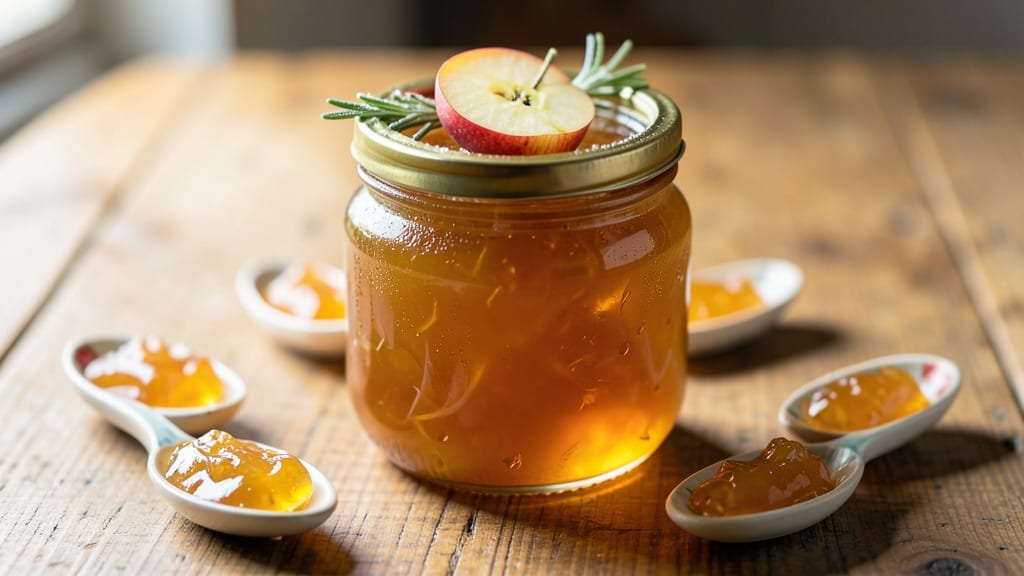
This old-fashioned crab apple jelly recipe with pectin delivers a bright tart-sweet balance that captures autumn's essence in every jar. The secret lies in precise pectin ratios and slow simmering, transforming tart crab apples into a glossy, vibrant preserve that's perfect for gifting or spreading on toast.
I developed this method after years of testing—too much pectin creates a gel that's too firm, while too little results in runny jelly. Finding the perfect equilibrium ensures a smooth, wobbling texture that's neither too stiff nor too soft.
The process begins with carefully measured fruit, sugar, and pectin, all combined in a heavy-bottomed pot to prevent scorching. A splash of lemon juice provides the necessary acidity for proper gel formation, while a gentle boil transforms the mixture into a luscious, amber-colored jelly.
This recipe yields about six half-pint jars, each filled with a preserve that's tart enough to cut through rich cheeses and sweet enough to complement vanilla ice cream. The key is patience—rushing the cooking process compromises the texture and flavor.
Once cooled, this jelly develops a slightly cloudy sheen that signals its readiness for storage. You can refrigerate it for up to three months or process it in a water bath for long-term shelf stability.
The flavor profile evolves beautifully over time, becoming more complex as the tartness mellows into a balanced sweet-tart harmony. Whether spread on warm sourdough, drizzled over brie, or paired with sharp cheddar, this jelly elevates any meal with its autumnal brightness.
For those who prefer a lighter texture, reduce the sugar slightly and increase the lemon juice by 1 tablespoon. Conversely, a thicker set can be achieved by adding an extra ½ teaspoon of pectin.
The versatility of this recipe makes it ideal for both everyday use and special occasions—homemade preserves like this one always leave an impression. Let's get started on creating your own batch of this timeless jelly.
Ingredients for old fashioned crab apple jelly recipe with pectin
Nine essential components transform tart crab apples into a velvety autumn preserve.
| Ingredient | Amount | Notes |
|---|---|---|
| Crab Apples 🍎 | 4 cups | Peeled, cored, chopped into small pieces |
| Granulated Sugar 🍚 | 6 cups | White sugar preferred for clarity |
| Powdered Pectin 🧪 | ½ oz | High-methoxyl pectin for firm set |
| Lemon Juice 🍋 | ¼ cup | Freshly squeezed, not bottled |
| Water 💧 | 1 cup | Distilled preferred for clarity |
| Cream of Tartar 🧂 | ¼ tsp | Enhances tartness and preservation |
| Heavy-Bottomed Pot 🍲 | 1 whole | 5-6 quart capacity required |
| Half-Pint Jars 🥫 | 6 whole | Ball or Kerr brand recommended |
| Lid Bands 🔒 | 6 whole | Matching jar size |
The quality of crab apples makes all the difference—seek firm, unblemished fruit from orchards or specialty grocers like Whole Foods or Trader Joe's. If fresh apples aren't available, frozen crab apples work well, but thaw and drain them thoroughly to prevent excess moisture. For pectin, Ball RealFruit or Sure-Jell are reliable brands that deliver consistent results. The sugar should be fine granulated (not powdered) to dissolve smoothly during cooking. A heavy-bottomed pot is critical to prevent scorching during the prolonged simmering process—Le Creuset or All-Clad are excellent investments for this recipe.
Substitutions require careful adjustments: substitute granulated sugar with turbinado for a coarser texture, but reduce by 1/4 cup due to its density. If you lack lemon juice, bottled lemon juice with no added water suffices, though fresh yields superior flavor. For a lighter set, reduce sugar by 1/2 cup and increase lemon juice by 1 tbsp. Conversely, a firmer jelly demands an additional 1/4 tsp pectin. The cream of tartar can be omitted if unavailable, but it enhances tartness and extends shelf life—worth tracking down at specialty stores or online. When canning, ensure jars are sterilized and sealed properly to prevent spoilage.
This jelly maintains peak quality for 12-18 months when processed in a water bath, or 3 months refrigerated if not canned. Store jars in a cool, dark pantry to preserve color and flavor. For gifting, wrap jars in kraft paper tied with twine and affix a handwritten label—autumnal aesthetics elevate the presentation. The jelly thickens slightly as it cools, so avoid over-filling jars. Once opened, refrigerate and consume within 2 weeks for optimal texture. Freeze any unused portions in ice cube trays for later use in baking or cocktails.
Why You'll Love This Recipe
- I’ll be real: crab apples are cheap, and this recipe stretches a little sugar a long way. Plus, the jelly keeps for months, so you’re not scrambling to use it up. Freeze extras for holiday gifts or toss a jar in your emergency snack stash—because nothing beats homemade when you’re in a pinch.
- No Fuss, No Mess: Honestly, this jelly comes together faster than you can chop a handful of crab apples. Just toss them in a pot with sugar, water, and pectin—no peeling, no coring, no fuss. The pectin does all the heavy lifting while you sip coffee and watch the fruit soften.
- Tart-Sweet Magic: That bright, crisp crab apple flavor? It’s like autumn in a jar. The lemon juice cuts through the sugar just enough to keep it lively, and the pectin gives it that perfect, wobble-free set every time. Spread it on toast, and you’ll forget store-bought ever existed.
- Gift That Keeps Giving: Between us, this jelly is my go-to for hostess gifts—elegant, homemade, and no one ever guesses how easy it was. Fits neatly in small jars, labels beautifully, and disappears faster than homemade cookies at a party. (Yes, even on a Tuesday night.)
Step-by-step instructions for old fashioned crab apple jelly
Preserving the bright, tangy essence of crab apples requires precision—this method delivers a perfect tart-sweet balance every time.
Prepare the Crab Apple Juice
Place the 4 cups chopped crab apples in the heavy-bottomed pot along with the 1 cup water and 0.25 tsp cream of tartar. Bring to a boil over medium-high heat, then immediately reduce to a simmer. Let it cook uncovered for 20-25 minutes, stirring occasionally, until the apples break down completely and the mixture reduces to about 3 cups of liquid.
Strain the cooked mixture through a fine-mesh sieve into a clean bowl, pressing gently on the solids to extract all the juice. Discard the pulp—this step is critical for achieving a clear, smooth jelly. The juice should now be a vibrant amber color with a sharp, apple-forward aroma. If you prefer a slightly deeper flavor, you can simmer the strained juice for an additional 5 minutes to intensify the concentration.
Combine Sugar and Pectin
In a separate bowl, whisk together the 6 cups granulated sugar and 0.5 oz powdered pectin until fully combined. This ensures even distribution of the pectin, which is essential for achieving a firm, gel-like texture. Sprinkle the mixture over the strained crab apple juice in a slow, steady stream while stirring constantly with a wooden spoon.
Return the pot to medium-high heat and bring the mixture to a full rolling boil, stirring frequently to prevent scorching. Once boiling, add the 0.25 cup lemon juice and stir vigorously for 1 minute. The lemon juice enhances the tartness and acts as a natural preservative. Watch closely—the mixture will foam and bubble vigorously, which is normal. Remove from heat immediately after the 1-minute boil, as overcooking will break down the pectin and result in a runny jelly.
Test for Gel and Jar the Jelly
Transfer the hot jelly to a clean bowl and let it sit at room temperature for 5-10 minutes. To test for gel, place a small spoonful on a chilled plate and refrigerate for 2 minutes. If the jelly wrinkles when pushed with a finger, it has set properly. If not, return the mixture to the pot and boil for an additional 1-2 minutes, then retest. Once confirmed, ladle the jelly into the 6 half-pint jars, leaving ½-inch headspace at the top.
Wipe the rims of the jars with a clean, damp cloth to ensure a perfect seal. Place the lid bands and lids on each jar and process in a water bath canner for 10 minutes to sterilize and seal. Remove the jars and let them cool completely on a towel-lined surface. The lids should pop and seal as they cool—if they don’t, refrigerate and use within 2 weeks. Properly sealed jars will keep for up to 1 year in a cool, dark place.
Pro Tips For Making Old Fashioned Crab Apple Jelly Recipe With Pectin
- STRAIN THROUGH A CLEAN TEA TOWEL: DESCRIPTION: Crab apple jelly recipes always have that gritty texture if you skip this. After straining through a fine-mesh sieve, fold the juice into a clean, damp tea towel and squeeze out every last drop—no blender needed. (Yes, it’s messy, but your jelly will be crystal clear.)
- BOIL SUGAR TO 220°F: DESCRIPTION: The pectin won’t set properly if you eyeball the temperature. Use a candy thermometer and bring the sugar-water mix to a rolling boil until it hits 220°F—that’s the magic number for old-fashioned set. (I learned this after three batches that never jelled.)
- USE UNSWEETENED LEMON JUICE: DESCRIPTION: Sweetened lemon juice adds hidden sugar, throwing off the pectin ratio and weakening the set. Stick to 100% unsweetened—even a little extra sweetness makes the jelly runny. (Trust me, your jar will thank you.)
- SKIP THE BOIL-OVER PANIC: DESCRIPTION: Crab apple juice foams like crazy. Fill your pot only halfway and keep a wooden spoon handy to skim foam off the sides—no need to rush or risk sticky countertops. (I’ve seen enough overflow disasters to know this one.)
Troubleshooting this dish
Gel Not Setting
If your jelly fails to set properly, the most common culprit is undercooked pectin or excess moisture. Double-check that you boiled the mixture for the full 1 minute after adding lemon juice—pectin needs this precise heat activation.
If it still doesn't gel, return the jelly to the pot and boil for an additional 1-2 minutes, then retest. Another fix: strain the juice through a cheesecloth-lined sieve to remove any lingering pulp that could dilute the pectin's effectiveness. 💡
Scorching or Burnt Flavor
This happens when the jelly boils too vigorously in a lightweight pot. Always use a heavy-bottomed pot (like All-Clad or Le Creuset) to distribute heat evenly. If you notice scorching, immediately reduce heat to low-medium and stir constantly.
For extra insurance, add an extra ½ cup water to the initial juice mixture—this prevents the sugar from caramelizing too quickly. Stirring with a wooden spoon also helps prevent sticking.
Cloudy or Mushy Texture
A cloudy jelly often results from insufficient straining or overcooking. For a clearer jelly, press the strained juice through a fine-mesh sieve a second time, then let it sit for 10 minutes before adding sugar and pectin.
If the texture is too soft, the pectin may have degraded—try adding an extra ¼ tsp pectin and boiling for another 30 seconds. Avoid stirring the jelly after it's been jarred, as this can break down the gel structure.
Jars Not Sealing
Unsealed jars usually stem from dirty rims or insufficient processing time. Always wipe jar rims with a clean, damp cloth to remove jelly residue before sealing. If lids don’t seal after water bath processing, check for air bubbles—tap the jars gently to release them before cooling.
For a backup, store unsealed jars in the fridge and use within 2 weeks. To test seals, press the center of the lid—if it doesn’t pop, the jar is sealed. 🔒
Excessive Foaming
Foaming is normal but can spill over if uncontrolled. To minimize it, whisk the sugar and pectin together before adding to the juice, which reduces surface tension. If foaming still overflows, place a clean kitchen towel around the pot’s edge to catch drips.
Avoid scraping foam off—it contains flavorful compounds that contribute to the jelly’s depth. Stirring gently but constantly also helps contain the foam.
Weak or Bland Flavor
Underdeveloped flavor often means the crab apples weren’t cooked long enough. Simmer the juice for an extra 5-10 minutes to concentrate the flavor. For a brighter taste, add an extra 1 tbsp lemon juice or a pinch of cinnamon (½ tsp) during the final boil.
If using frozen crab apples, thaw and drain them thoroughly to avoid diluting the flavor. Always use fresh, high-quality crab apples—their tartness is the backbone of this jelly’s character. 🍏
Nutrition facts
Frequently asked questions
Why does my crab apple jelly turn out too tart or not sweet enough?
The tartness comes from the natural acidity of crab apples and lemon juice. For a sweeter balance, reduce lemon juice to 2 tablespoons and increase sugar by ½ cup next time. If it's still too tart, try adding 1 extra tablespoon of honey after the jelly sets. The key is testing as you go—taste the strained juice before adding sugar to adjust ratios.
Can I use regular apples instead of crab apples for this recipe?
While you can substitute, crab apples provide the signature tartness that balances the sweet jelly. Regular apples will yield a milder, sweeter preserve. If using them, increase lemon juice to 3 tablespoons and add ½ teaspoon cinnamon to mimic crab apple's complexity. The texture will be slightly softer without the natural pectin in crab apples.
How do I know when the jelly has reached the perfect set?
The jelly is ready when it passes the "wrinkle test": spoon a small amount onto a chilled plate and refrigerate for 2 minutes. Push gently with a finger—if it wrinkles, it's set. If not, boil for another 1-2 minutes and retest. Overcooking can make it too firm, while undercooking results in a runny texture. Aim for a wobbling but firm consistency.
What's the best way to store homemade jelly without canning?
Refrigerate sealed jars for up to 3 months or freeze in airtight containers for 6 months. For freezing, leave ½-inch headspace and label with the date. Thaw in the fridge overnight—microwaving can break down the gel structure. Store in the coldest part of your fridge to preserve flavor and texture.
Can I adjust this recipe for low-sugar jelly?
Yes, but expect a softer set. Reduce sugar to 5 cups and increase lemon juice to 3 tablespoons. Add ½ teaspoon calcium water (from pectin packet) to help with gel formation. The jelly will be less stable but still delicious—great for those watching sugar intake. Store refrigerated only.