
Sauces & Condiments
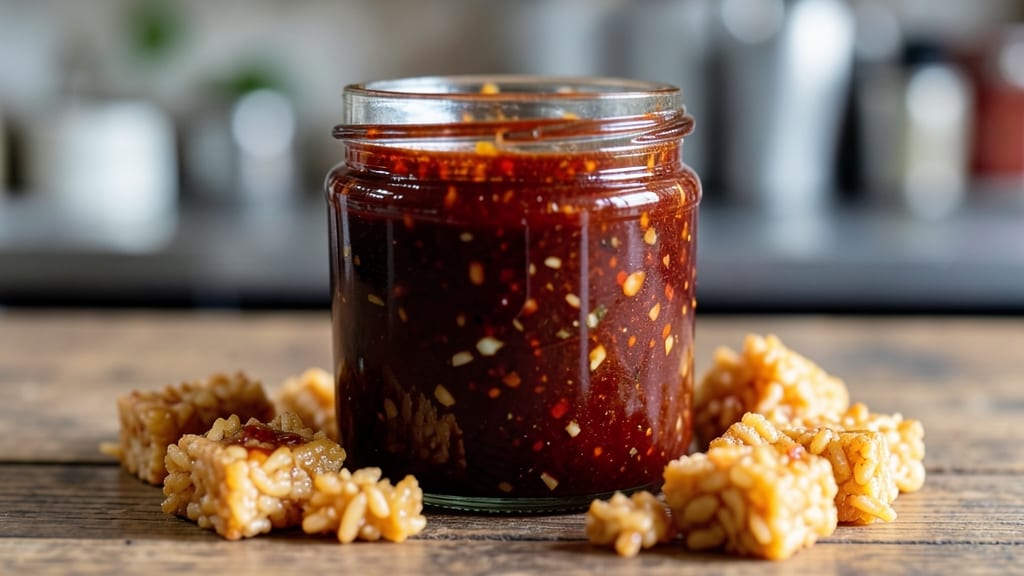
This Panda Express duck sauce recipe delivers that signature sweet-spicy swirl that turns ordinary dishes into something extraordinary. 💛 I’ve recreated the restaurant’s version at home—no shortcuts, just the perfect balance of tangy, sweet, and just enough heat to make every bite unforgettable.
The secret lies in simmering the ingredients until thick and glossy, creating that signature sauce consistency.
What makes this sauce so special is how versatile it is—drizzle it over fried rice, toss it with noodles, or use it as a dipping sauce for spring rolls.
The recipe uses simple pantry staples like soy sauce, rice vinegar, and a touch of chili oil, but the magic happens in the slow simmer that develops deep, complex flavors. No fancy ingredients, just foolproof technique.
By the time you’re done, you’ll have a jar of that iconic duck sauce—sweet enough to satisfy cravings, spicy enough to wake up your taste buds, and sticky enough to cling to every bite.
The best part? It keeps well in the fridge for weeks, so you’ll always have that restaurant-quality flavor on hand. Let’s make it!
Ready to elevate your takeout favorites? This sauce is the perfect blend of sweet, tangy, and just the right amount of heat—exactly like the version you love from Panda Express. Once you try it, you’ll never settle for anything less again.
Ingredients for panda express duck sauce
Eight simple ingredients transform into that addictive duck sauce you crave.
| Ingredient | Amount | Notes |
|---|---|---|
| Light Soy Sauce 🥢 | ½ cup | Kikkoman preferred for authentic flavor |
| Rice Vinegar 🍶 | ¼ cup | White or seasoned variety |
| Granulated Sugar 🍬 | ½ cup | White or brown sugar works |
| Chili Oil 🌶️ | 1 tbsp | Lao Gan Ma or similar brand |
| Sesame Oil 🫒 | 1 tbsp | Toasted sesame oil for aroma |
| Garlic Cloves 🧄 | 3 cloves | Minced finely for depth |
| Ginger Root 🌿 | 1 tbsp | Freshly grated, not powdered |
| Water 💧 | ½ cup | Room temperature preferred |
| Cornstarch 🌾 | 1 tsp | For thickening the sauce |
| Salt 🧂 | ½ tsp | Adjust to taste |
The soy sauce is the backbone—Kikkoman gives that authentic umami kick, but any good light soy will work. Chili oil is non-negotiable for that signature heat; Lao Gan Ma from the Asian market is the gold standard, but the jarred stuff at Trader Joe's is a solid backup. Fresh ginger and garlic? Absolutely essential—they’re what makes this taste homemade. I always grab the jarred minced garlic at Costco to save time, but fresh is better if you’ve got it. The sesame oil adds that nutty aroma—don’t skip it, even if it’s just a tablespoon!
No chili oil? Sriracha at half the amount gets you close, but it won’t be the same. Running low on rice vinegar? Apple cider vinegar works in a pinch, though it’ll taste slightly different. The cornstarch is key for that perfect glossy consistency—don’t substitute with flour, or it’ll get gummy. Want it sweeter? Add another tablespoon of sugar. Spicier? Extra chili oil or a pinch of red pepper flakes. This sauce is all about balance, so taste as you go!
This sauce gets better as it sits—3-5 days in the fridge lets the flavors meld perfectly. Store it in a sealed jar with a tight lid. Need to keep it longer? Freeze for up to 3 months—just thaw in the fridge overnight. I always double the batch because it disappears so fast. The leftovers? Drizzle over everything—fried rice, noodles, even grilled chicken. Trust me, you’ll make it again and again!
Why You'll Love This Recipe
- Five-Ingredient Magic: I swear, this sauce comes together with stuff you already have. Light soy, vinegar, sugar, and a splash of chili oil—no fancy tools, no waiting for the oven. Honestly, I’ve made it while microwaving leftovers.
- Umami Bomb: That balance of salty, sweet, and spicy? It’s the kind of flavor that makes you pause mid-bite. The sesame oil adds this nutty depth, while the chili oil keeps it lively—no bitterness, just pure satisfaction.
- Weeknight Hero: Slather it on takeout, toss it with noodles, or drizzle it over grilled chicken. It’s my go-to when I’m too tired to cook but still want something special. (Yes, even on a Tuesday night.)
- Stays Fresh: A little goes a long way, and it keeps in the fridge for weeks. I make a big batch, store it in a jar, and use it whenever I crave that Panda Express taste—no last-minute trips to the store. Budget-friendly? Absolutely.
Step-by-step instructions for Panda Express duck sauce
This sauce is a game-changer—sweet, spicy, and perfectly balanced every time!
🍳 Step 1: Sauté Aromatics Until Fragrant
Heat a small saucepan over medium heat and add the 1 tbsp sesame oil. Once shimmering, add the 3 cloves garlic cloves and 1 tbsp ginger root—I like to use freshly grated ginger for that bright, zesty kick. Sauté for 1-2 minutes until the garlic turns golden and the ginger becomes aromatic. Be careful not to burn them—you want fragrant, not bitter.
Here's the thing—if you see the garlic start to darken too quickly, reduce the heat to low and keep stirring. The goal is to wake up those flavors without turning them bitter. Once they smell incredible, you're ready for the next step.
🥘 Step 2: Combine Wet Ingredients and Simmer
Pour in the 0.5 cup light soy sauce, 0.25 cup rice vinegar, 0.5 cup granulated sugar, and 0.5 cup water. Stir everything together until the sugar dissolves completely—this should take about 1 minute. Then, bring the mixture to a gentle boil over medium-high heat.
Once boiling, reduce the heat to medium-low and let it simmer for 5-7 minutes until the sauce thickens slightly and reduces by about a third. You'll notice it goes from a thin liquid to a glossy, syrupy consistency. This is where the magic happens—the flavors meld together perfectly. Taste it now—it should be sweet, tangy, and slightly salty.
🔥 Step 3: Add Chili Oil and Cornstarch Slurry
Turn off the heat and stir in the 1 tbsp chili oil. This is where the sauce gets its signature kick—distribute it evenly so every spoonful gets that fiery depth. Then, in a small bowl, mix the 1 tsp cornstarch with 2 tablespoons of the cooked sauce to make a smooth slurry. Slowly pour this back into the pan while stirring constantly.
Return the pan to low heat and let it simmer for another 2-3 minutes, stirring continuously, until the sauce thickens to a glossy, coatable consistency. It should coat the back of a spoon without being gluey. If it's still too thin, add another ½ teaspoon of cornstarch mixed with a little water and stir until thickened.
⏰ Step 4: Season and Let It Rest
Add the 0.5 tsp salt and stir well. Taste and adjust the balance—you might want more sugar to enhance the sweetness, a splash more rice vinegar for tang, or a bit more chili oil for heat. The sauce should sing with all those flavors: sweet, spicy, umami, and tangy.
Let the sauce cool to room temperature—this helps the flavors settle and deepen. If you can't wait, transfer it to a jar and refrigerate for at least 30 minutes before using. The flavors will only get better as it sits, so patience here pays off big time. Trust me, it's worth the wait!
Pro Tips For Making Panda Express Duck Sauce
- Stir Until It Glows: Heat the soy sauce and sugar first—just until the sugar dissolves completely. I learned this the hard way: skipping this step leaves grainy bits that ruin the smoothness, no matter how much you stir later. A quick 30-second simmer on medium-low is all it takes.
- Use Real Chili Oil: Skip the store-bought bottle with "chili oil" printed in tiny letters. The real stuff—thick, oily, and packed with crushed red peppers—gives that signature Panda Express kick. If you’re in a pinch, blend dried chili flakes with neutral oil, but it won’t be the same.
- Balance the Vinegar Last: Add the rice vinegar after everything else cools slightly—about 5 minutes off the heat. Dumping it in hot means the acid will fight the sugar and dull the flavor. Taste as you go; you can always add more, but you can’t take it out.
- Sesame Oil: A Drop at a Time: Start with half the recipe’s sesame oil, then add more. Too much upfront makes the sauce taste bitter and overpowering. A teaspoon at a time lets you dial in the nutty aroma without regret—trust me, I’ve ruined batches by being greedy.
Perfect pairings for this recipe
Sweet & Spicy Rice Dishes
This duck sauce transforms ordinary fried rice into a restaurant-quality dish. Stir in 2-3 tablespoons of sauce per serving after cooking, along with ½ cup diced carrots and ¼ cup chopped green onions.
The sweetness balances the savory rice, while the chili oil adds a satisfying kick. For extra richness, top with a fried egg and 1 tablespoon toasted sesame seeds. 🥢
Noodle Dipping Sauce
Use this sauce as a dipping sauce for lo mein, chow mein, or ramen. Mix 1 tablespoon duck sauce with 1 teaspoon soy sauce and a drizzle of chili oil for added heat.
The tangy-sweet profile complements the chewy texture of noodles perfectly. I also add a pinch of white pepper to elevate the flavor. For a creamy twist, stir in 1 teaspoon hoisin sauce before serving.
Grilled Chicken Glaze
Brush this sauce onto grilled or roasted chicken during the last 5 minutes of cooking for a sticky, flavorful glaze. The sweetness caramelizes beautifully, while the chili oil adds a smoky depth.
I like to marinate chicken thighs in 2 tablespoons soy sauce and 1 tablespoon rice vinegar for 30 minutes before grilling. Finish with a sprinkle of sesame seeds for texture. 🍗
Spring Roll Dipping Sauce
Combine 2 tablespoons duck sauce with 1 tablespoon hoisin sauce and a splash of rice vinegar for the ultimate spring roll dip. The balance of sweet, spicy, and tangy flavors makes every bite irresistible.
For extra creaminess, add 1 teaspoon mayonnaise. Serve with warm spring rolls or egg rolls for a takeout-style experience at home.
Deviled Egg Topping
Mix 1 tablespoon duck sauce with 1 teaspoon mayonnaise and dollop onto deviled eggs for a sweet-spicy twist. The chili oil adds a subtle heat that pairs perfectly with the creamy yolk filling.
Garnish with a sprinkle of paprika or green onions for a pop of color. This unexpected combo is a crowd-pleaser at parties or picnics. 🥚
Breakfast Tacos
Drizzle this sauce over scrambled eggs or chorizo in breakfast tacos for a sweet-spicy kick. The tangy-sweet flavor cuts through the richness of fried eggs and sausage.
I also add ¼ cup diced avocado and 2 tablespoons crumbled cotija cheese for a well-rounded bite. Serve with warm tortillas for a quick and satisfying meal.
Nutrition facts
Frequently asked questions
What's the secret to getting the sauce as thick as Panda Express?
The cornstarch slurry is key—mix 1 tsp cornstarch with 2 tbsp sauce and simmer until glossy. For extra thickness, reduce the sauce longer on low heat (up to 10 minutes) while stirring constantly. If it gets too thick, thin with ½ tsp water mixed with cornstarch.
Can I make this sauce without chili oil?
Yes! Substitute ½ tbsp Sriracha or ¼ tsp cayenne pepper for the chili oil, but the flavor won't be identical. For best results, use 1 tsp chili crisp (like Lao Gan Ma) if available. Adjust heat to taste after simmering.
How long will this sauce last in the fridge?
This sauce stays fresh for 3-4 weeks in an airtight container. The flavors actually improve over time! For longer storage, freeze for up to 3 months—thaw overnight in the fridge before using. Never refreeze once thawed.
Why does my sauce taste too sweet or salty?
Balance is everything! If too sweet, add 1 tsp rice vinegar or ½ tsp soy sauce. Too salty? Dilute with 1 tsp water or add ½ tsp sugar. Taste as you go—adjust gradually. The sauce should have all flavors working together, not one dominating.
Can I use this sauce for cooking instead of just dipping?
Use it as a glaze for grilled meats, stir into stir-fries, or toss with fried noodles. The high heat helps caramelize the sugar, intensifying the flavors. Just reduce the sauce first to prevent it from making dishes soggy.