
Main Courses
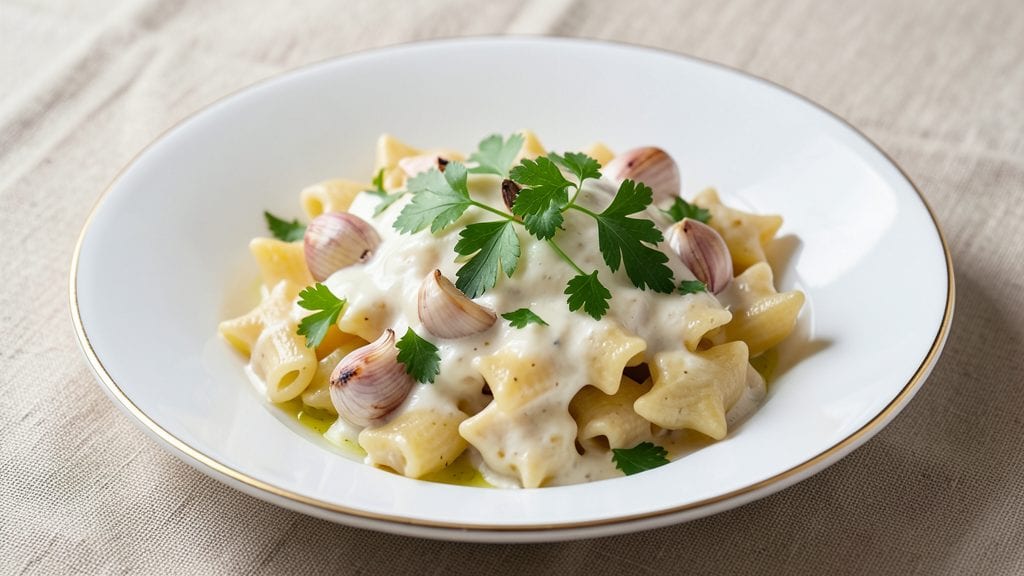
This Philadelphia cream for cooking pasta recipe—silky, infused with garlic and herbs—turns simple weeknight dinners into effortless, restaurant-worthy meals. The secret lies in blending cream cheese with warm pasta water, which creates an instantly velvety sauce that clings beautifully to every strand.
I developed this recipe after years of testing ways to elevate simple pasta dishes, and it never fails to impress.
What makes this method special is how quickly it comes together—just 15 minutes from start to finish. The cream cheese adds a rich, velvety texture that balances the bright garlic and herbs, while the pasta water infuses the sauce with starchy depth.
This isn’t your average Alfredo; it’s lighter, more flavorful, and far easier to execute. The key is cooking the pasta al dente and reserving some of the starchy water to build the sauce.
By the time you twirl that first forkful, you’ll taste perfectly cooked pasta coated in a silky, aromatic sauce that’s creamy yet not heavy. The garlic and herbs shine through, while the cream cheese adds a subtle richness that makes every bite satisfying.
This dish is foolproof, adaptable, and perfect for feeding a crowd or treating yourself to a special meal.
Pair it with grilled chicken, sautéed mushrooms, or fresh spinach for extra depth. The possibilities are endless, but the technique remains the same—simple, fast, and guaranteed to deliver restaurant-quality results. Let’s get cooking!
Ingredients for philadelphia cream for cooking pasta
Pasta, cream cheese, garlic, and herbs—simple ingredients that transform into restaurant-quality sauce.
| Ingredient | Amount | Notes |
|---|---|---|
| Ditalini Pasta 🍝 | 12 oz | Al dente cooking essential |
| Philadelphia Cream Cheese 🧀 | 8 oz | Full-fat for best texture |
| Garlic Cloves 🧄 | 4 cloves | Freshly minced for bright flavor |
| Fresh Parsley 🌿 | ¼ cup | Chopped, stems removed |
| Fresh Basil 🌿 | 0.15 cup | Chopped, for fresh aroma |
| Extra-Virgin Olive Oil 🫒 | ¼ cup | High-quality for finishing |
| Salt 🧂 | 1 ½ tsp | Kosher or sea salt |
| Black Pepper 🌶️ | ½ tsp | Freshly cracked preferred |
| Pasta Water 💧 | 1 ½ cups | Reserved from cooking |
| Grilled Chicken Breast 🍗 | 1 lb | Sliced, optional protein |
| Butter 🧈 | 2 tbsp | Unsalted, for finishing |
The Philadelphia cream cheese is non-negotiable here—full-fat ensures that velvety texture without breaking when mixed with hot pasta water. Kraft Original or Philadelphia brand work best for consistent results, though any high-quality cream cheese will do. For the garlic, freshly minced is key—jarred minced garlic lacks the bright, fresh flavor needed to cut through the richness. If you're prepping ahead, store the minced garlic in an airtight container with a splash of olive oil to prevent browning. The herbs—fresh parsley and basil—should be vibrant green, not wilted. Whole Foods or local farmers' markets often carry the freshest options, but even the grocery store's herb section works if you pick them up last.
No fresh herbs? Dried parsley and basil at one-third the amount will work in a pinch, though the flavor won't be as bright. Running low on cream cheese? Substitute with a mix of heavy cream and a little Parmesan—about half the amount of cream cheese plus 1 tbsp grated Parmesan—though the texture will be slightly lighter. For the olive oil, avoid heavily flavored varieties like fruity or peppery—mild, extra-virgin is ideal. If you're serving this as a vegetarian dish, skip the chicken and add sautéed mushrooms or wilted spinach for extra depth. The pasta water is critical—never skip reserving it—it's what transforms the sauce from creamy to silky. If you accidentally discard it, a splash of warm water with a pinch of salt can substitute, though it won’t be as flavorful.
This sauce reheats beautifully—simmer gently for 2-3 minutes to avoid breaking the cream. Store leftovers in an airtight container in the fridge for up to 3 days, though the flavor improves after the first night as the ingredients meld. For longer storage, freeze in ice cube trays—perfect for single servings later. The pasta itself can be pre-cooked and stored in the fridge for 2 days, but always cook it al dente—it continues to soften as it sits. If making ahead, keep the sauce and pasta separate until ready to serve to prevent sogginess. The grilled chicken, if using, can be prepped in advance and reheated quickly on the stovetop.
Why You'll Love This Recipe
- Five-Ingredient Magic: I swear, this recipe feels like cheating—just toss those ditalini, softened cream cheese, and a handful of herbs into simmering garlic oil. No fancy techniques, no stress, and honestly? The sauce pulls together while you’re still chopping the parsley.
- Creamy-Garlic Hug: That melted Philadelphia swirled into the pasta? It’s like a warm, garlicky embrace. The herbs brighten every bite, and the ditalini soak up the richness without turning mushy—perfect balance, every time.
- Lunchbox Hero: Between us, this is my go-to for packed lunches. The flavors hold up for days, and the creamy texture stays intact even after reheating. (Yes, even on a Tuesday night when you’re too tired to think.)
- Budget Stretch: Cream cheese and pasta stretch this into a full meal for four, and the garlic and herbs make it feel special. I’ll be real: it’s my secret weapon for feeding a crowd without breaking the bank—or spending hours in the kitchen.
Step-by-step instructions for Philadelphia cream for cooking pasta
Here's how to create a velvety garlic-herb sauce that transforms simple pasta into an elegant dish.
Cook the Ditalini Pasta to Al Dente Perfection
Bring a large pot of well-salted water to a rolling boil. Add the 12 oz ditalini pasta and cook according to package instructions, but remove it 1 minute before it reaches al dente. This ensures it finishes cooking in the sauce. Reserve 1.5 cups pasta water before draining—this starchy liquid is essential for creating the silky sauce.
While the pasta cooks, I like to taste the water occasionally. It should taste like the sea—if it doesn't, add more salt. Properly salted pasta water is the foundation of great pasta dishes. Drain the pasta and set it aside, but keep it warm in the pot.
Create the Creamy Garlic-Herb Base
In a large skillet over medium heat, melt the 2 tbsp butter until it foams. Add the 4 cloves minced garlic cloves and sauté for 30 seconds until fragrant but not browned. Here's the thing—garlic burns quickly, so keep an eye on it. Add the 8 oz Philadelphia cream cheese and stir constantly until completely melted and smooth.
The cream cheese should create a thick, creamy base. If it starts to separate, whisk vigorously to re-emulsify. This is where the magic happens—the cream cheese provides richness while the butter adds depth. Remove the skillet from heat and let it cool slightly for 1 minute to prevent scrambling when you add the pasta.
Combine Pasta and Sauce for Silky Perfection
Add the drained pasta to the skillet with the cream cheese mixture. Stir gently to coat the pasta evenly. The sauce should begin to thicken as it absorbs the starch from the pasta. If it's too thick, add 2-3 tablespoons of reserved pasta water at a time until you reach a smooth, creamy consistency.
Next, stir in the 0.25 cup chopped fresh parsley and 0.15 cup chopped fresh basil, along with the 1.5 tsp salt and 0.5 tsp black pepper. The herbs should be evenly distributed throughout the pasta. Taste and adjust seasoning—this is your chance to balance flavors before adding the final touches.
Finish with Olive Oil and Optional Protein
Remove the skillet from heat and stir in the 0.25 cup extra-virgin olive oil. This step elevates the dish by adding brightness and helping to emulsify the sauce. The oil should create a glossy sheen on the pasta. If using, add the 1 lb sliced grilled chicken breast and toss gently to warm through.
For the ultimate presentation, transfer the pasta to serving plates immediately. The sauce should coat each strand beautifully, with a velvety texture that clings perfectly. Garnish with additional fresh herbs if desired. This dish is best served while warm, so don't let it sit too long after combining.
Pro Tips For Making Philadelphia Cream For Cooking Pasta
- Temper the cream cheese: Philadelphia doesn’t like heat—it seizes up like overcooked eggs. Melt it gently in a small saucepan over low heat with a splash of pasta water, stirring constantly until just smooth. If you dump it straight into hot pasta, you’ll end up with lumps that won’t blend, no matter how much you stir later.
- Toast the garlic properly: Slice those cloves thin and cook them in olive oil over medium-low until they’re golden, not brown—about 3-4 minutes. Burnt garlic turns bitter fast, and it’ll overpower the creamy sauce. If you’re impatient, pull them out just before you think they’re done—they’ll keep cooking in the sauce.
- Reserve that pasta water: Drain the ditalini, but save half a cup of starchy water. The cream cheese sauce needs it to emulsify properly—stir in a ladleful at the end to loosen the sauce and coat every strand. Skipping this step means a dry, clumpy mess, even with the best cream cheese.
- Pulse the herbs finely: Don’t just chop parsley and basil—give them a quick pulse in a mini food processor or knife-chop them smaller than you think you need. The sauce is rich, so bright, fresh herbs cut through the creaminess. If you’re lazy and leave them chunky, they’ll just sit there looking pretty while the flavor hides.
Essential equipment for perfect results
Skillet Essentials
You’ll need a 12-inch heavy-bottomed skillet—I swear by my All-Clad stainless steel—to create that velvety sauce without scorching. The wide surface area ensures even heat distribution, which is critical when melting cream cheese.
A nonstick skillet works too, but I prefer stainless for better heat control. Avoid thin, flimsy pans—they’ll cause uneven cooking and potential sticking. 🔥
Pasta Tools
A wide-mouth ladle and slotted spoon are your best friends for this recipe. Use the ladle to scoop out 1.5 cups of starchy pasta water while cooking—this golden liquid is what transforms your sauce from creamy to silky.
The slotted spoon helps drain the pasta without losing precious water. I keep a 1-quart Pyrex measuring cup nearby to reserve the pasta water cleanly. Pro tip: Salt your pasta water generously—it should taste like the sea!
Garlic Mincer
Never use jarred minced garlic—it’s a flavor crime! Invest in a garlic press or microplane to get that fresh, bright flavor. I love the OXO Good Grips garlic press—it’s affordable and does the job perfectly.
For extra efficiency, peel your garlic cloves first, then press them directly into your skillet while it’s warm. This releases their aromatic oils instantly, infusing your sauce with deep flavor. 🧄
Herb Scissors
Chopping fresh herbs with a knife can be messy, but herb scissors make this recipe a breeze. I use a pair of sharp kitchen shears to snip 0.25 cup parsley and 0.15 cup basil in seconds.
This keeps your prep area clean and ensures even, small pieces that distribute beautifully throughout the pasta. If you don’t have herb scissors, a chef’s knife works—just be mindful of your fingers! Store-bought chopped herbs won’t cut it here; freshness is key.
Whisk for Smooth Sauce
A balloon whisk is your secret weapon for combining the cream cheese and pasta water into a silky emulsion. When the cream cheese starts to separate, whisk vigorously to re-emulsify it—this is how you achieve that restaurant-quality texture.
I keep mine handy for all my sauces, especially when working with dairy. A silicon spatula also works well for scraping every last bit of sauce from the skillet. 💫
Storage Containers
For leftovers, transfer your pasta to glass airtight containers—I recommend Pyrex or Le Creuset—to keep it fresh for up to 3 days. The glass won’t absorb odors, and the tight seal prevents drying out.
If freezing, portion the sauce into ice cube trays, then transfer to a freezer bag. This makes reheating a breeze—just pop out what you need and warm gently. Label your containers with the date to track freshness.
Pro move: Store the sauce and pasta separately until ready to serve to avoid sogginess.
Nutrition facts
Frequently asked questions
Why does this recipe use cream cheese instead of heavy cream?
Cream cheese creates a richer, silkier texture that clings beautifully to pasta without weighing it down like heavy cream. The fat content in cream cheese emulsifies perfectly with pasta water, creating that velvety finish. Plus, it adds subtle tanginess that balances the garlic and herbs.
Can I make this sauce ahead of time?
Yes! Prepare the sauce up to 1 day ahead by mixing all ingredients except the olive oil. Store in an airtight container in the fridge. When ready to serve, reheat gently on low heat with a splash of pasta water, then finish with olive oil. The flavors meld beautifully overnight.
What pasta shapes work best?
This recipe works with short pasta shapes like ditalini, penne, or fusilli, but avoid long noodles that won't coat evenly. The sauce clings best to tubular or ridged pastas. For extra sauce adhesion, toss the pasta with a little olive oil before adding the cream cheese mixture.
How do I fix separated sauce?
If the sauce breaks, whisk in 1-2 tablespoons of warm pasta water while stirring constantly. The starch will help re-emulsify the cream cheese. For stubborn separation, add a tiny bit of cold butter while whisking vigorously—this stabilizes the emulsion.
Can I make this vegetarian?
Skip the chicken and add sautéed mushrooms or wilted spinach for extra depth. For protein, try grilled halloumi or white beans tossed in at the end. The sauce's richness will complement all these additions perfectly.