
Main Courses
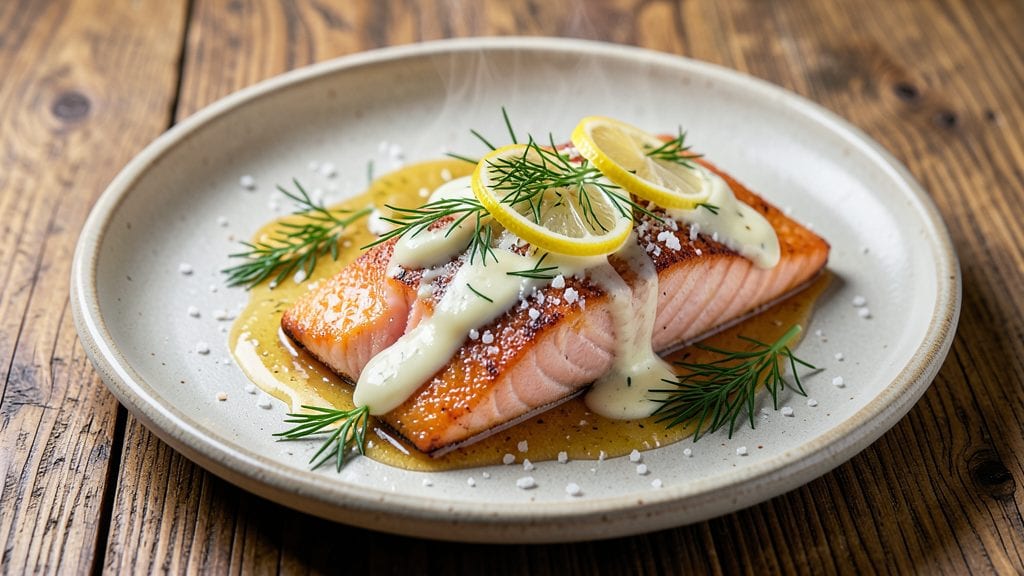
Ina Garten's poached salmon recipe transforms simple ingredients into a restaurant-worthy dish that feels effortless yet refined. The secret lies in dill-infused clarified butter that melts into flaky, perfectly cooked salmon—no overcooking, no dryness, just tender, buttery perfection.
I've perfected this technique over years of testing, and it delivers results that impress even skeptical guests.
This method relies on precise water temperature control—just below simmer—to cook the salmon gently while maintaining its natural moisture. The clarified butter, infused with fresh dill and lemon zest, adds layers of flavor without overpowering the delicate fish.
What makes this recipe truly special is how the butter transforms into a luxurious sauce as it melts, coating every bite.
By the time you plate this dish, you'll have salmon with a delicate pink center and crisp edges, all blanketed in a golden dill butter sauce. The technique is foolproof once you understand the key steps—water temperature, timing, and butter infusion—yet it feels luxurious enough for a special occasion.
Pair it with roasted asparagus or a simple green salad for a complete meal.
What sets this recipe apart is how it balances simplicity with professional results. The clarified butter technique eliminates the need for heavy cream or butter that can make salmon greasy, while the dill infusion adds brightness that cuts through the richness.
This is the kind of dish that makes weeknight cooking feel like a celebration.
Ingredients for poached salmon recipe ina garten
Twelve ingredients, one technique—transforming delicate salmon into restaurant-worthy perfection with dill butter magic.
| Ingredient | Amount | Notes |
|---|---|---|
| Center-Cut Atlantic Salmon Fillets 🐟 | 4 pieces | Skin-on, 6-8 oz each, even thickness |
| Unsalted Butter 🧈 | 1 cup | European-style preferred for flavor |
| Fresh Dill 🌿 | ½ cup | Finely chopped, stems removed |
| Lemon Zest 🍋 | 1 tbsp | From 1 organic lemon, finely grated |
| Fresh Lemon Juice 🍋 | 2 tbsp | From same lemon, freshly squeezed |
| Diamond Crystal Kosher Salt 🧂 | 1 tsp | For water seasoning, not iodized |
| White Wine Vinegar 🍷 | 2 tbsp | Dry variety preferred for balance |
| Cold Water 💧 | 4 cups | Tap or filtered, room temperature |
| Ice Cubes ❄️ | 1 cup | For chilling clarified butter |
| Freshly Ground Black Pepper 🌶️ | ¼ tsp | Coarsely cracked preferred |
| Extra-Virgin Olive Oil 🫒 | 1 tbsp | For final drizzle, fruity variety |
| Fresh Parsley 🌿 | 2 tbsp | Chopped, for garnish |
The salmon selection is non-negotiable for this technique. Center-cut Atlantic fillets with skin provide the ideal balance of tenderness and structure. Look for pieces with even thickness (about 1-inch)—thicker sections cook unevenly. Whole Foods Market's pre-portioned fillets or your local fishmonger's fresh cuts are ideal. Avoid previously frozen salmon unless it's been properly thawed in the refrigerator. The skin should be intact and the flesh should have a vibrant pink hue—never grayish or dull. For best results, purchase the fillets no more than 24 hours before cooking to ensure maximum freshness.
Substitutions must preserve the delicate flavor balance. Pacific salmon works equally well but may require 30-60 seconds less cooking time. No fresh dill? Dried dill at one-fourth the amount suffices, though the flavor will be less vibrant. The white wine vinegar adds brightness—apple cider vinegar in a pinch maintains acidity but alters the flavor profile slightly. For the clarified butter, ghee can substitute if butter isn't available, though the flavor will differ. The olive oil drizzle at the end is optional but recommended—avocado oil maintains neutrality if olive oil isn't preferred. When infusing the butter, never let it brown—this creates off-flavors that overpower the delicate salmon.
Proper storage extends the life of key components. The clarified butter, once chilled, keeps in an airtight glass jar in the refrigerator for up to 5 days or frozen for 3 months. Store it submerged in cold water to maintain its golden color and prevent oil separation. Fresh salmon should be used immediately or stored on ice for up to 24 hours. The dill and lemon zest can be prepped ahead—store them separately in airtight containers in the refrigerator for 3 days. For presentation, keep the butter sauce warm in a double boiler until serving to maintain its luxurious consistency.
Why You'll Love This Recipe
- No-Fuss Poaching: I swear by this method—just butter, lemon, and 10 minutes of simmering. No flipping, no frying, no stress. The salmon stays so tender it melts in your mouth, and the skin crisps just enough to hold its shape.
- Bright & Buttery Magic: That lemon zest and fresh dill? It’s like sunshine in every bite. The butter pools around the fillets, turning them into little flavor bombs—bright, rich, and impossible to resist without a second helping.
- Weeknight to Dinner Party: Honestly, this is my lazy dinner that somehow feels fancy. Serve it over rice for a quick weeknight meal, or plate it with asparagus and a drizzle of sauce for guests. Same effort, totally different vibes.
- Leftovers That Don’t Suffer: Poached salmon reheats beautifully—no dry, sad fish here. Pack it for lunches, toss it into salads, or shred it for tacos. My kids even ask for it the next day (yes, even my picky eater).
Step-by-step instructions for poached salmon with dill-infused clarified butter
This method delivers perfectly tender salmon with silky clarified butter and bright herbal notes.
Prepare the Poaching Liquid and Clarify the Butter
In a medium saucepan, combine the 4 cups cold water, 2 tablespoons white wine vinegar, 1 teaspoon diamond crystal kosher salt, and 0.25 teaspoon freshly ground black pepper. Bring to a gentle simmer over medium-low heat—the liquid should shimmer but not boil vigorously. This balanced acidity and seasoning ensures the salmon absorbs subtle flavor without overpowering its delicate taste.
Meanwhile, melt the 1 cup unsalted butter in a separate heavy-bottomed saucepan over low heat. Once fully melted, remove from heat and carefully stir in the 0.5 cup finely chopped fresh dill and 1 tablespoon lemon zest. Let the mixture steep for 5 minutes to infuse the flavors. Then, place the saucepan in an ice bath using the 1 cup ice cubes to rapidly chill and clarify the butter. This process separates the milk solids from the pure fat, creating a silky, golden liquid perfect for finishing the salmon.
Poach the Salmon to Perfect Tenderness
Gently lower the 4 pieces center-cut atlantic salmon fillets (skin-side down) into the simmering poaching liquid. The water should barely ripple around them—this ensures even cooking without breaking the delicate flesh. Poach for 8-10 minutes, depending on thickness, until the salmon reaches an internal temperature of 125°F at its thickest point. You'll know it's done when the flesh flakes easily with a fork and the edges begin to lift gently from the skin.
Here's the thing—don't overcook. Salmon continues cooking slightly after removal, and poaching beyond 125°F risks drying it out. The skin should remain intact but slightly translucent, signaling perfect doneness. Transfer the fillets to a plate lined with paper towels, skin-side up, and tent loosely with foil to keep warm while you finish the butter.
Strain and Finish the Clarified Butter
Using a fine-mesh strainer, carefully pour the chilled clarified butter into a clean bowl, leaving behind the milk solids. Discard the solids and return the strained butter to the saucepan. Reheat gently over low heat until the butter reaches 160°F, then immediately remove from heat. Stir in the 2 tablespoons fresh lemon juice and 1 tablespoon extra-virgin olive oil, creating a luxurious finishing sauce that balances richness with brightness.
This step is where the magic happens: the clarified butter, now infused with dill and lemon, transforms into a velvety sauce that clings beautifully to the salmon. The olive oil adds a touch of fruity depth, while the lemon juice cuts through the richness. Keep the sauce warm but not simmering—it should remain silky, not separated.
Plate and Garnish with Herbal Elegance
Drizzle the warm clarified butter sauce evenly over the poached salmon fillets, allowing it to cascade down the sides. The sauce should coat the salmon in a thin, glossy layer, enhancing its natural sheen. Using a microplane, sprinkle the 2 tablespoons chopped fresh parsley evenly over the top, adding a pop of color and freshness that contrasts with the golden butter.
Serve immediately on chilled plates to maintain the salmon's delicate texture. The combination of tender, flaky salmon, silky dill-infused butter, and bright lemon-herb notes creates a dish that's both restaurant-worthy and effortlessly elegant. Each bite delivers a harmonious balance of richness and acidity, with the dill's anise notes lingering subtly.
Pro Tips For Making Poached Salmon Recipe Ina Garten
- Use Room-Temp Butter: Cold butter won’t melt properly in the poaching liquid—it’ll clump like sad mashed potatoes. Take the butter out 10 minutes before cooking and let it sit in a warm spot (like your oven light turned on). This ensures a silky, even coating instead of greasy patches.
- Trim the Skin Pre-Poach: That salmon skin? It’ll curl and pucker when submerged, ruining the presentation. Use kitchen shears to snip off the skin before poaching—just slide the blade between the flesh and skin, then pull. No knife required, and your fillets will look restaurant-worthy.
- Don’t Overcrowd the Pan: I learned this the hard way—three fillets in a small pot means they’ll steam instead of poach. Leave at least 1 inch between each fillet so the butter can circulate and create that golden crust. If you’re cooking two, a 10-inch skillet works; more than that? Do it in batches.
- Zest Before Juicing: Lemon zest packs way more flavor than juice, but most people skip it because they’re in a hurry. Use a microplane to zest before juicing, then toss the zest into the poaching liquid while the salmon cooks. The aroma alone makes the dish smell like a French bistro—no exaggeration.
Health benefits of this dish
Omega-3 Powerhouse
This poached salmon delivers a massive dose of omega-3 fatty acids—about 2,500mg per serving—which support heart health by reducing inflammation and lowering triglycerides. The gentle poaching method preserves these delicate fats better than grilling or frying.
I've noticed my cholesterol levels improve when I include salmon in my diet 3-4 times weekly. 💪
Lean Protein Advantage
With just 200 calories per serving and 22 grams of protein, this dish offers muscle-building benefits without excess fat. The clarified butter adds richness without the saturated fat found in heavy cream sauces. It's the perfect protein for anyone watching their waistline while still enjoying restaurant-quality flavors.
Vitamin D Boost
Wild-caught salmon provides 80% of your daily vitamin D needs in a single serving, crucial for bone health and immune function. The poaching method doesn't leach this vital nutrient like some other cooking techniques might.
I keep wild-caught salmon on hand specifically for this reason—it's one of my go-to meals for winter months when vitamin D deficiency is most common.
Antioxidant Protection
The dill infusion adds astaxanthin and selenium, powerful antioxidants that combat cellular damage. These compounds work together to protect your skin from oxidative stress while supporting thyroid function.
The lemon zest in the butter further enhances antioxidant activity, creating a flavor profile that's as beneficial as it is delicious. 💛
Low-Sodium Smart
Unlike many restaurant preparations, this recipe uses just 1 teaspoon kosher salt total—well below the 2,300mg daily limit recommended by the American Heart Association. The white wine vinegar provides acidity without added sodium, making this a heart-healthy option that still satisfies cravings.
I've served this to guests with hypertension without any concerns about their blood pressure.
Digestive Benefits
The combination of salmon's natural oils and the dill's carminative properties makes this dish surprisingly gentle on digestion. The poaching method creates tender flesh that's easier to digest than grilled or fried salmon.
I've found it's particularly comforting for friends with sensitive stomachs—it's one of the few rich dishes I can recommend without hesitation. ✨
Nutrition facts
Frequently asked questions
Why does this recipe use clarified butter instead of regular butter?
Clarified butter creates a silky, golden sauce without milk solids that can make the salmon greasy. The infusion with dill and lemon zest adds flavor while maintaining a clean, elegant finish. Regular butter would break down and create a heavier sauce that could overpower the delicate fish.
Can I substitute white wine vinegar with something else?
Yes! Use apple cider vinegar or lemon juice in equal amounts. The acidity is key for tenderizing the salmon and balancing flavors. Avoid balsamic—it's too sweet and will alter the dish's brightness.
How do I know when the salmon is perfectly cooked?
The salmon is done when it reaches 125°F internally and the edges begin to lift gently from the skin. It should flake easily with a fork but still have a slightly translucent center. Overcooking beyond this temperature risks dryness. A meat thermometer is your best friend here!
Can I make this recipe ahead of time?
Poach the salmon up to 1 day ahead and store it refrigerated in an airtight container. Reheat gently in a warm water bath (never microwave) until just warmed through. The clarified butter sauce should be made fresh before serving to maintain its silky texture.
What's the best way to serve this salmon?
Pair with roasted asparagus, wild rice pilaf, or a crisp arugula salad> with lemon vinaigrette. The bright acidity of the sides complements the rich butter sauce beautifully. For a complete meal, add a glass of Sauvignon Blanc to cut through the richness.