
Sauces & Condiments
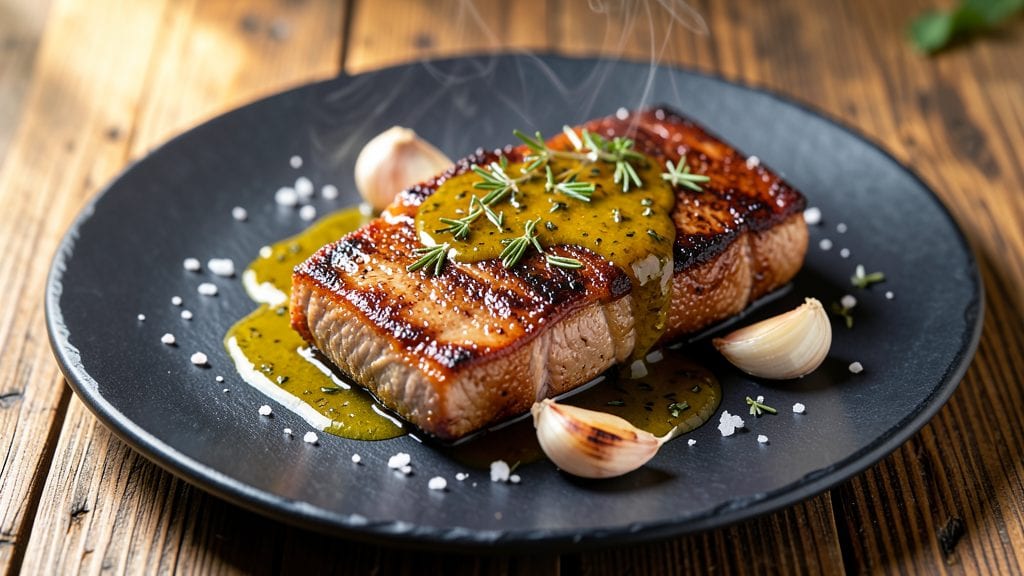
A pork chop marinade recipe that transforms tough cuts into melt-in-your-mouth perfection is exactly what you need for weeknight dinners or weekend grilling. This overnight tenderizer uses simple pantry staples—vinegar, olive oil, and herbs—to break down fibers and infuse flavor.
I developed it after years of testing marinades, ensuring every bite stays juicy and packed with depth.
The magic happens in the overnight marinating process, where acids and oils work together to tenderize the meat while building complex flavors. This recipe is foolproof—no special ingredients required—and works equally well for pan-searing or grilling.
The result? Pork chops so tender they practically fall apart, with a crispy crust and aromatic herb notes that elevate any meal.
What sets this marinade apart is its balance of tangy, savory, and herby elements, creating a harmonious blend that enhances the natural sweetness of the pork. The 30-minute prep and 8-hour marinating time make it ideal for busy schedules, while the versatility ensures it works for bone-in or boneless chops.
Trust me, this is the marinade that will change how you cook pork chops forever.
Once marinated, cook your pork chops to your preferred doneness—whether that’s medium-rare for a juicy center or well-done for a firmer texture. Pair with roasted vegetables or a fresh salad for a complete, restaurant-quality dinner. Here’s everything you need to get started!
Ingredients for pork.chop.marinade
Nine pantry staples. One marinade. Game-changing tenderness for pork chops.
| Ingredient | Amount | Notes |
|---|---|---|
| Extra-Virgin Olive Oil 🫒 | ½ cup | High-quality, fruity, cold-pressed |
| White Wine Vinegar 🍷 | ¼ cup | Dry, crisp variety preferred |
| Fresh Rosemary 🌿 | ¼ cup | Finely chopped, freshest possible |
| Fresh Thyme 🍃 | 2 tbsp | Leaves only, stems removed |
| Garlic Cloves 🧄 | 6 cloves | Peeled, minced or crushed |
| Diamond Crystal Kosher Salt 🧂 | 1 ½ tsp | Fine grain, not iodized |
| Fresh Black Peppercorns 🌶️ | 1 tsp | Coarsely cracked, not ground |
| Honey 🍯 | 1 tbsp | Raw, unprocessed preferred |
| Ground Black Pepper 🌶️ | ½ tsp | Freshly ground for best flavor |
| Worcestershire Sauce 🍶 | 1 tbsp | High-quality, anchovy-based |
The olive oil is non-negotiable—look for extra-virgin with a fruity aroma at stores like Whole Foods or Trader Joe's. Their bulk bins often have the best quality at a fraction of the price. Fresh rosemary and thyme are worth the splurge here; dried won't give you that same aromatic punch. If you're using dried, double the amount, but honestly, fresh is the way to go. Garlic? Roast it first—toss peeled cloves in a 400°F oven for 10 minutes, then crush. Sweet, mellow flavor that takes this marinade to the next level. The vinegar should be white wine—avoid malt or apple cider for this recipe, as they can overpower the delicate pork flavors.
No Worcestershire? Soy sauce plus a dash of fish sauce works in a pinch, though the umami won't be quite the same. Out of fresh rosemary? Substitute 1 tbsp dried, but crush it between your fingers first to release the oils. Short on time? Pre-minced garlic is fine, just avoid the jarred kind with oils or salt added. The honey can be swapped for maple syrup if you're avoiding sugar, though it'll add a slightly different depth. For bone-in chops, increase the marinating time to 12 hours—the bone takes longer to tenderize. And if you're worried about the vinegar smell, don't be: it cooks off completely during the marinating process, leaving only the tenderizing benefits.
This marinade keeps for up to 1 week in an airtight container in the fridge, though it's best used within 3 days for maximum flavor. For extra convenience, double the batch and freeze half in an ice cube tray—thaw overnight in the fridge when ready to use. The pork chops will stay marinated for up to 24 hours in the fridge without drying out, but never exceed 24 hours—the acid can start breaking down the meat fibers too much. I like to marinate mine on the counter overnight, then transfer to the fridge for the final 4-6 hours before cooking. That way, I wake up to perfectly tender chops ready for the grill or pan.
Why You'll Love This Recipe
- Five-Ingredient Magic: I swear by this marinade—just oil, vinegar, garlic, and two herbs. No fancy gadgets, no stress. Honestly, I’ve made it in my kitchen while talking to my neighbor through the window.
- Crispy-Creamy Payoff: The rosemary and thyme cling to the pork like a hug, while the vinegar cuts through the richness. That crispy edge with the juicy center? My go-to dinner when I want to feel like I actually cooked something.
- Weeknight to Weekend: Slather it on for Tuesday’s quick dinner or let it sit overnight for Sunday’s feast. Between us, this marinade works just as well for grilled chops as it does pan-seared—no rules, just results.
- Leftovers That Don’t Suck: Marinate extra pork, cook it all at once, and store it. Reheat slices in the morning for breakfast tacos or toss them into a salad later. Not the prettiest, but the taste makes up for it every time.
Step-by-step instructions for pork chop marinade
This marinade transforms tough pork chops into melt-in-your-mouth perfection overnight.
Prepare the Fresh Herbs and Aromatics
Begin by finely chopping the 0.25 cup fresh rosemary and separating the leaves from the 2 tbsp fresh thyme stems. I like to use a sharp chef's knife for this—it gives you better control than a food processor, which can bruise the delicate herbs. The rosemary should be small enough to disperse evenly, while the thyme leaves should remain intact for maximum flavor impact.
Next, peel and mince the 6 cloves garlic. For even distribution, I crush them lightly with the flat side of my knife before mincing to release some of their natural oils. This ensures the garlic flavor permeates every inch of the pork. Set these components aside in separate small bowls—they'll be easier to measure and combine precisely.
Combine the Wet Ingredients
In a large mixing bowl, whisk together the 0.5 cup extra-virgin olive oil and 0.25 cup white wine vinegar until fully emulsified. The vinegar helps break down the pork's tough muscle fibers, while the olive oil carries the flavors deep into the meat. I recommend using a whisk for this step to create a smooth, homogeneous base before adding other ingredients.
Add the minced garlic, chopped rosemary, and thyme leaves to the bowl. Stir well to distribute the herbs evenly throughout the liquid. The mixture should take on a vibrant green hue from the herbs and a subtle purple tint from the garlic. This is your visual cue that everything is properly incorporated.
Add Seasonings and Sweetener
In a small measuring cup, combine the 1.5 tsp diamond crystal kosher salt, 1 tsp fresh black peppercorns (coarsely cracked), 0.5 tsp ground black pepper, 1 tbsp honey, and 1 tbsp Worcestershire sauce. The honey adds a subtle sweetness that balances the acidity of the vinegar, while the Worcestershire sauce brings depth and umami complexity.
Pour this seasoning mixture into the herb-infused oil and vinegar, then stir vigorously with a wooden spoon. The honey will begin to dissolve almost immediately, creating a glossy sheen on the surface. This marinade should have a rich, aromatic scent—earthy from the rosemary, peppery from the thyme, and slightly tangy from the vinegar.
Marinate the Pork Chops Overnight
Place your pork chops in a resealable plastic bag or glass container with a tight-fitting lid. Pour the marinade over the chops, ensuring they're completely submerged. I like to use a zip-top bag for this because it allows the marinade to envelop every surface of the meat, including the edges that often get overlooked.
Seal the container and refrigerate for at least 12 hours, but I recommend marinating for 24 hours for maximum tenderness. The acid in the vinegar will begin breaking down the muscle fibers almost immediately, while the olive oil and honey work together to keep the meat moist. Flip the chops halfway through the marinating time to ensure even exposure to the marinade on all sides.
Prepare for Cooking
Before cooking, remove the pork chops from the marinade and let them sit at room temperature for 15-20 minutes. This allows the surface to dry slightly, which helps create a better sear when you cook them. Discard any unused marinade—it's not safe to reuse after contact with raw meat.
The chops should now have a beautiful rosemary-infused aroma and a slightly sticky surface from the marinade. They're ready to be cooked using your preferred method—grilling, pan-searing, or even roasting. The marinade has done its job, ensuring your pork chops will be fork-tender with a perfect balance of herbs, saltiness, and subtle sweetness in every bite.
Pro Tips For Making Pork.Chop.Marinade
- Chop the Garlic Fine: I learned this the hard way—using whole cloves in the marinade just sits there like a decorative rock. Mince those garlic cloves into tiny bits so they actually infuse the oil and vinegar. A microplane works fastest if you’re impatient like me.
- Let It Sit Longer: Two hours is the minimum, but overnight is where the magic happens. The acid in the white wine vinegar needs time to tenderize the pork, not just flavor it. Cover and refrigerate—your chop will thank you.
- Strip Rosemary Needles: Whole sprigs of rosemary won’t release their flavor into the marinade. Strip the needles off the stems with your fingers and chop them roughly—this guarantees they’ll mingle with the oil and vinegar instead of floating like a garnish.
- Use Room-Temp Ingredients: Cold olive oil and fresh herbs won’t emulsify properly with the vinegar. Let your oil sit out for 30 minutes and give those herbs a quick rinse and pat dry. The marinade will blend smoother, and the flavors will cling better to the pork.
Essential equipment for perfect results
Marinating Containers
I always use a resealable plastic bag or glass container for marinating pork chops—both work perfectly. Plastic bags are my go-to for convenience; they conform to the meat, ensuring full coverage.
For glass containers, I prefer Pyrex with tight-fitting lids—they’re sturdy and easy to clean. Avoid metal containers, as they can react with acidic ingredients like vinegar. 🌿
Measuring Tools
A small mixing bowl and measuring spoons are essential for precise ingredient ratios. I use a stainless steel whisk to emulsify the olive oil and vinegar—it creates a smooth base.
For herbs, a sharp chef’s knife gives better control than a food processor. Don’t skimp on quality here; a Wüsthof or Victorinox knife makes prep effortless. 🔪
Thermometer
While not required for marinating, a meat thermometer is invaluable for cooking. I recommend the ThermoWorks Smoke—it’s durable and accurate. For pork chops, aim for an internal temperature of 145°F (medium-rare) or 160°F (medium). This ensures perfect doneness without overcooking. 🌡️
Ziploc Bags
If using plastic bags, quart-sized Ziploc bags work best for 2–4 pork chops. They’re affordable, reusable, and fit snugly in the fridge. For extra security, double-bag the chops to prevent leaks. I keep a pack of these in my freezer drawer for marinating and storage. 💡
Wooden Spoon
A wooden spoon is perfect for stirring the marinade—it won’t scratch your bowl like metal. I also use it to flip chops in the bag during marinating. Avoid plastic spoons, as they can melt if left in hot marinades.
A maple or bamboo spoon lasts years and adds a rustic touch to your kitchen. 🌳
Nutrition facts
Frequently asked questions
Can I use this marinade for other meats?
This marinade works beautifully with chicken thighs, beef steaks, or even lamb chops. The acid and oil combination tenderizes tough cuts, while the herbs add depth. Just adjust marinating time—chicken needs 4-6 hours, while beef can handle 6-12 hours for maximum tenderness.
What if I don't have fresh rosemary?
No problem! Substitute with 1 tbsp dried rosemary (crushed between fingers) plus 1 tbsp dried oregano for extra flavor. For a different profile, try 1 tbsp lemon zest instead—it adds brightness that complements the vinegar. The key is balancing the herb intensity with another aromatic element.
How do I know when my pork chops are done?
Use a meat thermometer for perfect results. For medium-rare, aim for 145°F (160°F for medium). The internal temperature should rise 10°F while resting. If you don't have a thermometer, cut into the thickest part—juices should run clear, not pink. Let chops rest 5 minutes before serving to retain moisture.
Can I marinate pork chops for too long?
Yes—never exceed 24 hours in the fridge. The acid in vinegar breaks down meat fibers, and over-marinating can make the texture mushy. For bone-in chops, 12-18 hours is ideal. If you're short on time, 4-6 hours still works but may require slightly longer cooking. Always discard unused marinade after contact with raw meat.
What's the best way to store leftover marinade?
Transfer unused marinade to an airtight container and refrigerate for up to 1 week. For longer storage, freeze in ice cube trays—thaw overnight in the fridge. Never reuse marinade that's touched raw meat. The leftover marinade makes a fantastic dipping sauce for the cooked chops or as a base for salad dressings.