
Main Courses
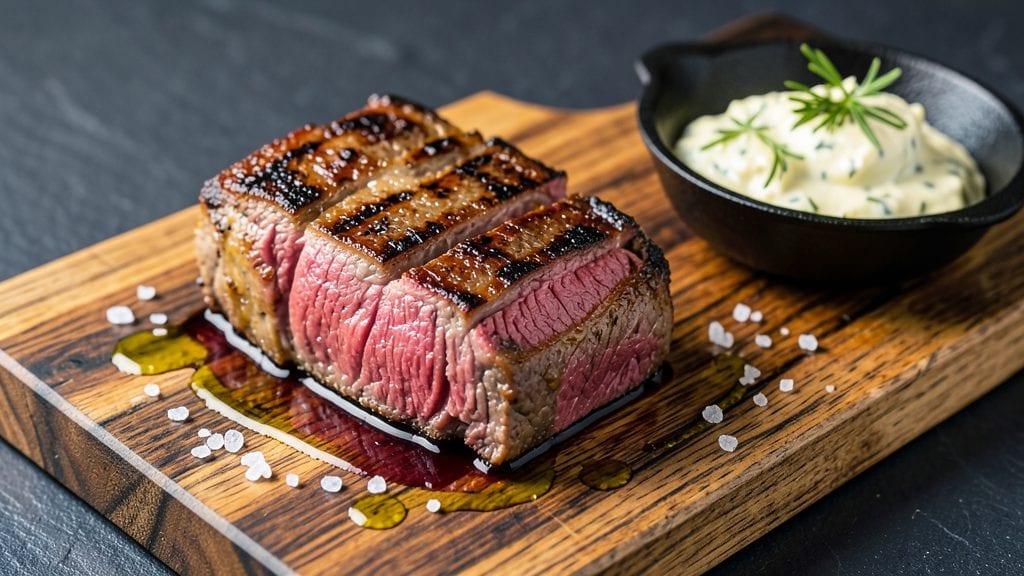
A porterhouse steak recipe demands precision—two steaks in one cut, each requiring perfect technique to deliver that coveted charred crust and tender interior.
After years of perfecting this cut, I’ve developed a method that ensures both the tenderloin and strip steak portions cook evenly, with a crust so crisp it shatters at the first bite. The secret lies in dry-brining overnight and reverse-searing for flawless doneness.
What sets this recipe apart is the balance of technique and simplicity. You’ll start with kosher salt and black pepper, letting the seasoning penetrate deeply before searing over high heat.
The reverse-sear method—baking first, then finishing in a screaming-hot pan—eliminates guesswork, guaranteeing a medium-rare center every time. No fancy equipment needed, just patience and attention to temperature.
The result is a steak with a caramelized crust that crackles under your knife and a pink, buttery interior that melts at the touch. Pair it with garlic mashed potatoes or grilled asparagus, and you’ve got a restaurant-quality meal that’s worth the effort.
This isn’t just a recipe—it’s a masterclass in steak perfection.
Whether you’re grilling or pan-searing, the principles remain the same: rest the steak for at least 10 minutes before slicing against the grain, and never skip the dry-brine. The difference between a good steak and a great one often comes down to these small, deliberate steps. Let’s get started.
Ingredients for porter house steak
Precision-cut porterhouse steaks demand quality ingredients and expert technique for flawless execution.
| Ingredient | Amount | Notes |
|---|---|---|
| Porterhouse Steak 🥩 | 2 whole | 24-32 oz each, bone-in preferred |
| Kosher Salt 🧂 | 2 tbsp | Diamond Crystal preferred, coarse grain |
| Freshly Ground Black Pepper 🌶️ | 1 ½ tsp | Cracked peppercorns freshly ground |
| Extra-Virgin Olive Oil 🫒 | 1 tbsp | High smoke point, fruity variety |
| Unsalted Butter 🧈 | 2 tbsp | European-style, 82% fat content |
| Garlic Cloves 🧄 | 4 cloves | Smash flat for even seasoning |
| Fresh Thyme Leaves 🌿 | ¼ cup | Stems removed, finely chopped |
| Fresh Rosemary Sprigs 🌿 | 2 whole | Needle leaves only, finely chopped |
| Butter Lettuce Leaves 🥬 | 4 whole | For serving, optional garnish |
| Red Wine Vinegar 🍷 | 1 tbsp | For finishing drizzle |
| Flaky Sea Salt 🧂 | 1 tsp | For finishing, Maldon preferred |
| Cast-Iron Skillet 🍳 | 1 whole | 12-inch diameter, heavy gauge |
| Meat Thermometer 🌡️ | 1 whole | Instant-read, 0-225°F range |
The porterhouse steak is the foundation—source dry-aged, USDA Prime cuts from a reputable butcher like Snake River Farms or your local specialty market. Look for marbling that resembles thick, white veins throughout both the tenderloin and strip portions. The steaks should be 24-32 ounces each, with a fat cap that's at least 1/4-inch thick to render flavor during cooking. If your butcher doesn't have dry-aged, request wet-aged for 21 days—this enhances tenderness without compromising texture. For home cooks, Whole Foods Market and Costco carry excellent pre-portioned porterhouses, though you'll pay a premium for consistency. Never substitute ribeye or NY strip—the dual-muscle structure is what makes porterhouse unique.
No dry-aged steak? Wet-aged for 21 days is the next best option, though flavor depth will differ slightly. Running short on fresh herbs? Dried thyme at one-third the amount works in a pinch, but fresh is non-negotiable for rosemary's piney aroma. The butter should be European-style (82% fat content)—imported brands like Plugrá or Kerrygold elevate the crust. For the olive oil, California Extra Virgin brands like Corto or Otto provide the necessary smoke point without overpowering. The garlic should be roasted at 400°F for 15 minutes before smashing to mellow its sharpness, creating a sweet base for the crust. If you're grilling instead of pan-searing, charcoal briquettes (not lump) provide the most consistent heat for reverse-searing.
Steaks should rest uncovered on a wire rack for exactly 10-15 minutes post-cooking to retain juices. The dry brine (kosher salt applied 12-24 hours prior) creates a self-basting crust that requires no additional seasoning before serving. Store cooked steaks in an airtight container with parchment paper between slices for up to 4 days. For leftovers, reheat in a 275°F oven for 10 minutes to preserve moisture. The reverse-sear method yields steaks that reheat beautifully—ideal for meal prep when portioned into individual serving containers. Always slice against the grain for optimal tenderness, using a sharp chef's knife to maintain clean cuts.
Why You'll Love This Recipe
- Two-Ingredient Magic: I swear, the combo of olive oil and butter basting turns this steak into something restaurant-worthy. No fancy marinades, no stress—just sear that hunk of porterhouse and let the fat do the work.
- Weeknight Warrior: Between us, this is my go-to when I’m too tired to overthink dinner. Salt, pepper, and a hot pan—that’s it. Even my picky teenager doesn’t side-eye it.
- Leftovers That Don’t Suck: Cold porterhouse the next day? Still solid. Slice it for sandwiches, toss it in salads, or just eat it straight—no dry, sad steak here. The butter keeps it juicy.
- Date Night or Dad Night: Fancy enough for a first date (if you pair it with a simple salad), but rugged enough for a backyard grill-off. Honestly, it’s the one dish that works for both.
Step-by-step instructions for porter house steak with charred crust
Master this technique for perfectly seared porterhouse steaks with a caramelized crust and tender interior.
Season and Rest the Porterhouse Steaks
Remove the porterhouse steaks from the refrigerator and pat them completely dry with paper towels. This step is critical for achieving maximum crust development—any moisture will create steam instead of allowing that beautiful Maillard reaction.
Generously apply the 2 tablespoons kosher salt and 1.5 teaspoons freshly ground black pepper to all surfaces of both steaks, pressing firmly so the seasoning adheres. I like to work with one steak at a time, seasoning each side thoroughly including the edges where the crust forms. Let the steaks rest uncovered on a wire rack over a plate for exactly 30 minutes at room temperature. This allows for even cooking and prevents temperature shock when they hit the hot skillet.
Prepare the Herb Butter and Preheat the Skillet
While the steaks rest, prepare the herb butter by combining the 2 tablespoons unsalted butter, 0.25 cup finely chopped fresh thyme leaves, and needle leaves from the 2 whole fresh rosemary sprigs in a small bowl. Mix well and set aside. This herb infusion will baste the steaks during cooking, adding depth of flavor.
Place the 12-inch cast-iron skillet over medium-high heat. Allow it to preheat for 5 minutes until it's thoroughly hot—you should see a thin layer of steam evaporate when you sprinkle a few drops of water onto the surface. This indicates the skillet is ready for searing. Add the 1 tablespoon extra-virgin olive oil and let it shimmer for 30 seconds before adding the steaks.
Sear the Steaks to Perfect Doneness
Carefully place the porterhouse steaks in the hot skillet, working quickly to avoid losing heat. Sear for 3 minutes per side without moving them, allowing a deep crust to form. Press down gently on the steaks during the first minute of searing—this prevents curling and ensures even contact with the pan. After 3 minutes, use tongs to flip the steaks and sear the other side for another 3 minutes.
For the final 30 seconds of cooking, add the herb butter to the skillet and tilt to coat the steaks with the melted butter. This basting step ensures every surface develops flavor. Insert the meat thermometer into the thickest part of each steak (avoiding the bone). Remove the steaks when they reach 130°F for medium-rare—this accounts for carryover cooking and ensures perfect doneness. If using a different preferred temperature, adjust accordingly but never exceed 140°F for medium.
Rest and Assemble the Plates
Transfer the seared porterhouse steaks to a cutting board and let them rest for 10 minutes. This critical resting period allows the juices to redistribute throughout the meat, preventing them from pooling on the cutting board. Tent loosely with aluminum foil to keep them warm during resting.
While the steaks rest, prepare the butter lettuce leaves by arranging the 4 whole leaves on each plate. Drizzle lightly with the 1 tablespoon red wine vinegar and sprinkle with the 1 teaspoon flaky sea salt. This simple preparation elevates the presentation and adds a bright contrast to the rich steaks.
Slice and Serve with Confidence
After the 10-minute rest, slice each porterhouse steak against the grain into ½-inch thick slices. The grain direction will be visible as parallel lines in the meat—cutting perpendicular ensures each bite is tender. Arrange the sliced steaks artfully over the prepared butter lettuce leaves, allowing the juices to cascade naturally onto the plate.
Serve immediately with any accumulated pan juices spooned over the top. The result should be steaks with a deep, caramelized crust that gives way to perfectly pink, buttery centers. Each bite should deliver a balance of smoky crust, herb-infused richness, and the natural beefy flavor of the porterhouse cut. Pair with a bold red wine to complement the dish's intensity.
Pro Tips For Making Porter House Steak
- CRANK THE HEAT: Porterhouse steaks need screaming-hot cast iron—no "medium-high" nonsense. Get your pan smoking for 3-4 minutes before adding oil, or you’ll end up with gray, sad crusts instead of those caramelized edges everyone drools over.
- SALT THE MEAT FIRST: Season the steak generously with kosher salt 40 minutes before cooking—it seasons deeper and keeps the surface dry for that perfect crust. Skip this, and you’ll wonder why your steak tastes bland even after basting.
- DON’T TOUCH THE STEAK: Resist the urge to flip or poke it until you see a deep golden crust (about 4-5 minutes per side). Every time you move it, you lose heat and steam, turning your sear into a sad, uneven mess.
- BASTE WITH BUTTER LAST: Add the butter and olive oil only in the final 2 minutes—this guarantees a glossy finish without steaming the steak. I used to add it too early, and the butter just melted into the pan like a sad, greasy puddle.
Flavor customization for these flavors
Classic Herb Crust
The signature flavor here is the herb butter crust—a blend of European-style butter (82% fat), fresh thyme, and rosemary that bastes the steak during searing. I use 2 tbsp unsalted butter combined with ¼ cup chopped thyme and needle leaves from 2 rosemary sprigs for maximum aroma.
For extra depth, add 1 minced garlic clove to the butter mixture before basting. The high-fat content ensures a rich, caramelized crust that won’t dry out during cooking. 🌿
Smoky Chipotle Kick
For a bold, smoky twist, add 1 tsp adobo sauce (from canned chipotles) to the herb butter mixture. This introduces smoked paprika and chili heat that pairs beautifully with the steak’s richness. I also sprinkle ½ tsp smoked paprika directly on the steaks before searing.
For a milder version, reduce the adobo to ½ tsp and balance with 1 tbsp honey in the basting butter. The result is a sweet-heat contrast that elevates the dish. 🌶️
Garlic-Butter Baste
If you love garlic-forward flavors, infuse the basting butter with 4 smashed garlic cloves (roasted at 400°F for 15 minutes first to mellow the sharpness). Add 1 tsp lemon zest to the butter for brightness.
The roasted garlic adds a sweet, jammy depth that complements the steak’s natural beefy notes. For extra richness, finish with 1 tbsp chopped parsley and a pinch of red pepper flakes on top. This variation works especially well with wine pairings like Cabernet Sauvignon. 🧄
Red Wine Reduction Glaze
For a restaurant-worthy finish, deglaze the pan after searing with ¼ cup red wine (like Cabernet Sauvignon or Malbec) and reduce it by half. Swirl the reduction into the steaks during the final 30 seconds of basting.
The glaze adds a deep, umami-rich sheen that enhances the crust. For extra gloss, add 1 tsp balsamic vinegar to the reduction. Serve with a drizzle of the glaze over sliced steaks for an elegant touch. 🍷
Spicy Cajun Seasoning
Swap the classic salt-and-pepper seasoning for a Cajun-inspired dry rub by mixing 1 tbsp kosher salt, 1 tsp black pepper, 1 tsp smoked paprika, ½ tsp garlic powder, ½ tsp onion powder, and ½ tsp cayenne pepper.
Pat the rub onto the steaks 30 minutes before cooking to let the spices adhere. The smoky, spicy crust pairs perfectly with a cooling side like creamy polenta or grilled corn. For heat lovers, add ½ tsp crushed red pepper flakes to the herb butter. 🔥
Citrus-Zest Finish
Brighten the dish with zesty citrus notes by adding 1 tbsp orange zest (from 1 orange) to the basting butter. The zest’s bitter-sweet aroma cuts through the richness of the steak. For a finishing touch, garnish the sliced steaks with supreme segments from the same orange.
The acidity balances the fat beautifully, making each bite feel lighter yet more vibrant. This variation is ideal for summer grilling or pairing with herb-infused white wines. 🍊
Nutrition facts
Frequently asked questions about perfecting porterhouse steak
How can I tell if my porterhouse is different from a T-bone?
The key difference lies in the tenderloin portion: a porterhouse has a 1.5-inch thick tenderloin (the smaller, pinker muscle), while a T-bone features a ½-inch strip. Look for that thick tenderloin—it’s what makes porterhouse so special! The bone structure is identical, but the meat-to-bone ratio changes the experience.
Why does my steak turn out tough when I cook it?
Overcooking is the #1 cause of tough porterhouse steaks. Use an instant-read thermometer to pull them at 130°F for medium-rare—they’ll rise to 135°F while resting. Also, never skip the 10-minute rest—this lets juices redistribute. For extra tenderness, dry-brine overnight with 2 tbsp kosher salt per steak.
Can I cook porterhouse on the grill instead of a skillet?
For grill perfection, preheat to 450°F and use the reverse-sear method: grill 2 minutes per side (for crust), then finish in a 400°F oven until 130°F internal. Charcoal grills work best for that smoky flavor. Just avoid moving the steak too soon—let that crust form undisturbed for 3 minutes per side before flipping.
What's the best way to reheat leftover porterhouse?
Reheat sliced steaks in a 275°F oven for 10 minutes—never microwave! Wrap in foil with a splash of beef broth to keep them moist. For extra richness, top with a pat of herb butter during reheating. Leftovers stay tender for 4 days when stored in an airtight container.
How do I carve porterhouse without losing juices?
Slice against the grain (perpendicular to the muscle fibers) using a sharp chef's knife. Cut through both the strip and tenderloin portions simultaneously for clean slices. Work quickly and serve immediately to prevent drying. For presentation, fan the slices slightly over butter lettuce leaves.