
Sauces & Condiments
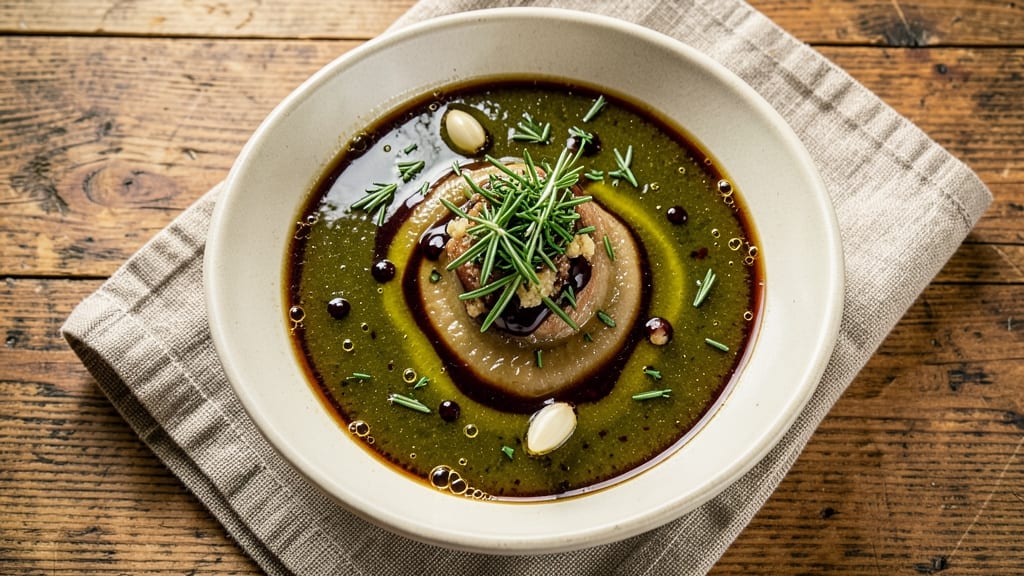
A pot roast marinade recipe with deep umami flavors is the secret weapon for transforming tough cuts into melt-in-your-mouth perfection. This marinade blends vinegar, wine, and aromatic herbs to tenderize while infusing layers of savory depth that carry through hours of slow cooking.
I developed it after years of testing—what makes it special is the balance of acidity and richness that breaks down fibers without overpowering the meat.
The marinade works best when applied 12 to 24 hours before cooking, allowing time for the ingredients to penetrate deeply. You’ll need just six simple components: olive oil, red wine, apple cider vinegar, Worcestershire sauce, garlic, and fresh rosemary.
The combination of vinegar and Worcestershire creates a tangy yet complex base, while the wine adds body and subtle sweetness to complement the meat’s natural flavors.
What you’ll achieve is a pot roast with an irresistible aroma and a surface that’s richly caramelized from the marinade’s reduction. The meat will be fork-tender, infused with herbal notes and a savory depth that makes every bite unforgettable.
This marinade also doubles as a braising liquid, so you won’t waste a drop—just pour it into the pot and let the magic happen.
Store any unused marinade in an airtight container in the refrigerator for up to 5 days, or freeze for longer storage. The flavors only intensify over time, making it perfect for meal prep or holiday feasts. Ready to elevate your pot roast? Here’s how to make it.
Ingredients for pot roast marinade
Six ingredients that turn tough pot roast into melt-in-your-mouth perfection.
| Ingredient | Amount | Notes |
|---|---|---|
| Extra-Virgin Olive Oil 🫒 | ½ cup | High quality, fruity |
| Dry Red Wine 🍷 | 1 cup | Bold, full-bodied variety |
| Apple Cider Vinegar 🍏 | ½ cup | Raw, unfiltered preferred |
| Worcestershire Sauce 🍶 | 2 tbsp | Original, not reduced |
| Garlic Cloves 🧄 | 6 cloves | Freshly minced, not pre-minced |
| Fresh Rosemary 🌿 | ¼ cup | Needles only, finely chopped |
| Sea Salt 🧂 | 1 ½ tsp | Kosher or fine grain |
| Black Peppercorns 🌶️ | 1 tsp | Freshly cracked, not ground |
The wine makes all the difference here—Cabernet Sauvignon or Merlot from a good bottle works best, but any bold, dry red will do. Trader Joe's and Costco often have solid options at reasonable prices. Apple cider vinegar should be raw and unfiltered (like Bragg) for that extra tang. Rosemary? Buy sprigs and strip the needles yourself—fresh is non-negotiable for that piney aroma. The olive oil should be extra-virgin, not just 'olive oil'—you'll taste the difference in the final reduction. If you're in a pinch, penzeys.com sells quality vinegars and spices in bulk.
No red wine? Substitute beef broth with an extra splash of balsamic vinegar—it mimics the depth. Fresh rosemary missing? Dried works at half the amount, but it won't have the same punch. Pre-minced garlic? Freshly minced is better, but if you're short on time, use what you've got. The Worcestershire sauce is key—Lea & Perrins is the gold standard, but any good brand will work. For extra umami, add 1 tsp soy sauce or 1 tbsp tomato paste. The peppercorns should be cracked fresh—a mortar and pestle works best if you're feeling fancy.
This marinade keeps for 5 days in the fridge or 6 months in the freezer—it actually gets better over time. Store it in a glass jar with a tight seal to preserve the flavors. I like to freeze it in ice cube trays for easy single-use portions. The unused marinade doubles as a braising liquid, so you won’t waste a drop. If you're prepping for a big meal, make extra—it's worth having on hand for future roasts or even grilled meats.
Why You'll Love This Recipe
- Here’s what sold me: the second day is just as good as the first. Shred that pot roast for tacos, slice it for sandwiches, or reheat it in the oven with a splash of the marinade. It’s budget-friendly, too—one cut of meat stretches across three meals without feeling like a chore.
- Five-Ingredient Magic: I swear, this marinade is the kind of shortcut that makes me feel like a chef. Just toss together olive oil, red wine, vinegar, Worcestershire, and garlic—no fancy prep, no measuring cups, just instinct. The wine and vinegar cut through the richness while the garlic cloves (minced or whole, no judgment) sear into the meat like a flavor bomb.
- Deep Umami Bomb: Between us, that Worcestershire sauce and red wine combo is where the real magic happens. It’s rich, tangy, and just a little funky—like a hug for your taste buds. The slow simmer lets those flavors sink in, turning tough cuts into something so tender it practically melts.
- Weeknight Workhorse: This marinade doesn’t just work for pot roast—it’s my go-to for brisket, pork shoulder, or even tough steaks. Double the batch, let it sit overnight, and you’ve got a backup for any meal. (Yes, even on a Tuesday night when you’re too tired to think.)
Step-by-step instructions for pot roast marinade
This marinade delivers bold, complex flavor that tenderizes even the toughest cuts.
Prepare the Aromatics
Start by mincing the 6 cloves garlic as finely as possible—you want a paste-like consistency. I like to use the flat side of my chef's knife to crush them first before mincing, which releases more flavor. In a large bowl, combine the minced garlic with the 0.25 cup fresh rosemary (needles only) and finely chop them together. This creates a fragrant base that will infuse the entire marinade.
Next, add the 1.5 teaspoons sea salt and 1 teaspoon black peppercorns (freshly cracked). Use your fingers to gently crush the peppercorns—this releases their oils and intensifies the flavor. Mix everything together with a wooden spoon until the rosemary and garlic are evenly distributed. The mixture should smell rich and aromatic, with bright garlic notes and earthy rosemary.
Combine Wet Ingredients
In a separate measuring cup, whisk together the 0.5 cup extra-virgin olive oil, 1 cup dry red wine, and 0.5 cup apple cider vinegar. The acidity from the vinegar and tannins from the wine will help break down the meat fibers, while the olive oil carries all the flavors deep into the cut. I use a whisk to ensure the oil is fully emulsified with the liquids—this prevents separation later.
Pour this liquid mixture into the bowl with the aromatics and stir vigorously. The marinade should look glossy and well-blended, with no visible oil separation. If you notice any oil pooling on top, whisk it back in. The color should be a deep ruby red from the wine, with green flecks from the rosemary. This is your flavor foundation, so take your time to get it right.
Incorporate the Worcestershire Sauce
Add the 2 tablespoons Worcestershire sauce to the marinade and stir well. This umami-rich condiment ties everything together, adding depth that transforms simple ingredients into something extraordinary. The sauce will darken the marinade slightly and give it a glossy sheen. Taste it now—you should detect bright acidity from the vinegar, rich wine notes, and a savory punch from the Worcestershire.
If the marinade tastes too acidic or needs more balance, add a pinch of salt. The Worcestershire sauce contains salt, so adjust carefully. The ideal marinade should taste complex but harmonious, with all flavors working together. This is your chance to taste and adjust before it goes on the meat.
Marinate the Pot Roast
Place your pot roast in a large resealable plastic bag or a shallow dish. Pour the marinade over the meat, ensuring it coats all sides evenly. For best results, I like to massage the marinade into the meat using my hands—this helps it penetrate deeper. Seal the bag tightly or cover the dish with plastic wrap, then refrigerate for at least 4 hours, or up to 24 hours for maximum tenderness.
Turn the meat occasionally during marinating to ensure even flavor distribution. The acidity in the marinade will begin breaking down the muscle fibers, making the meat more tender. When you're ready to cook, pat the meat dry with paper towels before searing—this helps create a beautiful crust. The marinade will have reduced slightly and become more concentrated, delivering intense flavor to every bite.
Pro Tips For Making Pot Roast Marinade
- Sear Garlic First: DESCRIPTION: Toss minced garlic in the olive oil for 30 seconds before adding wine—it blooms the flavor instead of burning. I used to dump it raw, and the marinade always tasted flat afterward.
- Deglaze Aggressively: DESCRIPTION: After searing the meat, don’t just splash in the wine—use a wooden spoon to scrape up every browned bit from the pot. That’s where the depth of flavor hides, and skipping it means missing half the taste.
- Vinegar Last: DESCRIPTION: Add apple cider vinegar after everything else simmers for 2 minutes—it cuts through richness but can turn bitter if cooked too long. I learned this after one batch tasted harsh and overpowering.
- Use Room-Temp Wine: DESCRIPTION: Pour cold red wine straight from the fridge into the pot, and it’ll warm up unevenly, making the marinade taste thin and watery. Let it sit out for 10 minutes first—your future pot roast will thank you.
Storing and reheating this dish
Refrigerator Storage
Store your unused marinade in an airtight glass jar (I prefer Ball mason jars) in the fridge for up to 5 days. The flavors actually deepen over time, so I often make extra knowing it’ll only get better.
Always let the marinade cool completely before sealing—hot liquids create condensation that can dilute the flavors. 🌿
Freezer Preservation
For longer storage, freeze the marinade in ice cube trays—this makes single-use portions perfect for future meals. Once frozen, transfer the cubes to a ziplock freezer bag, squeezing out excess air to prevent freezer burn.
It keeps for 6 months without losing potency. Thaw overnight in the fridge before using.
Reviving Leftover Marinade
If your marinade has separated slightly after refrigeration, simply whisk vigorously to re-emulsify the oil. The acidity in the vinegar helps stabilize it, but a quick stir ensures consistent flavor. I’ve used marinade that’s been sitting in the fridge for 4 days—it’s still packed with flavor.
Just give it a taste and adjust with a pinch of salt if needed.
Braising Liquid Double Duty
Here’s my favorite trick: use the leftover marinade as your braising liquid! After removing the meat, reduce the marinade by half in a saucepan over medium heat to concentrate the flavors.
This creates a rich, glossy sauce that clings beautifully to the pot roast. Save any extra reduced marinade for future recipes—it’s perfect for deglazing pans or drizzling over grilled meats. 🍷
Thawing Frozen Marinade
Never microwave frozen marinade—it destroys the delicate balance of flavors. Instead, transfer the frozen cubes to a sealed container and let them thaw in the fridge overnight. If you’re in a rush, place the container in a bowl of warm water for 10-15 minutes, stirring occasionally.
The slow thaw preserves the texture and prevents separation.
Safety First
Always discard any marinade that’s been in contact with raw meat unless you’re using it as a braising liquid (where it will be boiled). For leftovers, I recommend keeping a separate batch of marinade for non-meat uses—like drizzling over roasted vegetables or tossing with grains.
This ensures you always have a flavorful backup. 💡
Nutrition facts
Frequently asked questions
Can I use this marinade for other meats besides pot roast?
This marinade works beautifully on beef chuck, pork shoulder, and even lamb shanks. The wine and vinegar combination tenderizes tough cuts, while the rosemary and garlic add depth to leaner proteins like chicken thighs or turkey legs. For poultry, reduce the marinating time to 2-4 hours to avoid over-tenderizing.
What if I don't have red wine? Can I substitute it?
Yes! Use 1 cup beef broth plus 1 tbsp balsamic vinegar for a similar depth of flavor. For a non-alcoholic version, try 1 cup apple juice with an extra 1 tbsp apple cider vinegar. The key is maintaining the acidity and umami balance—Worcestershire sauce and vinegar will still deliver that savory punch.
How do I know when the pot roast is properly marinated?
After 4 hours, the meat should feel slightly softer to the touch, and the marinade will have reduced slightly, becoming more concentrated. For maximum tenderness, marinate for 12-24 hours. The surface may look glossy from the oil, and the meat will absorb the deep red color of the wine. If you're short on time, at least 2 hours will still improve flavor and texture.
Can I make this marinade ahead of time?
This marinade gets better with time! Prepare it 1-2 days in advance and store it in an airtight glass jar in the fridge. The flavors meld and deepen, making it even more flavorful. For long-term storage, freeze it in ice cube trays for up to 6 months. Thaw overnight in the fridge before using.
What's the best way to use leftover marinade?
Don't waste a drop! Use it as a braising liquid by reducing it by half in a saucepan over medium heat to concentrate the flavors. It also works as a glaze for roasted vegetables or a dressing for salads. For extra richness, simmer with a splash of cream or butter. Just avoid using marinade that touched raw meat unless you boil it first.