
Side Dishes
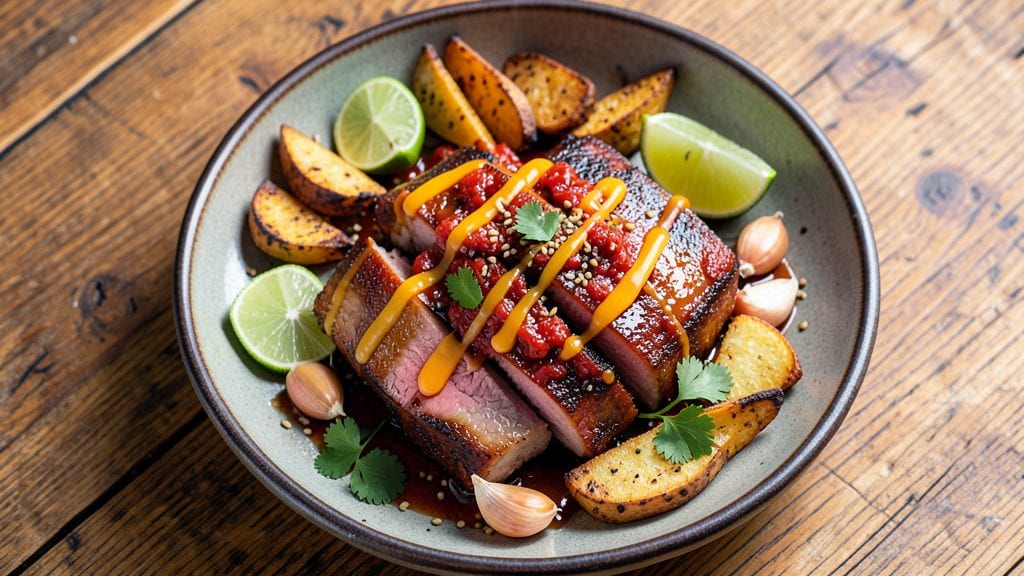
This Puerto Rican Boston butt recipe transforms tough pork shoulder into melt-in-your-mouth perfection through slow-cooked mojo magic and a tender, flavorful crumb. The secret lies in marinating the meat overnight in a blend of citrus, garlic, and oregano—traditional flavors that infuse every bite with bright, aromatic depth.
What makes this dish special is how it balances rich, savory notes with tangy citrus, creating a harmony that’s both comforting and vibrant.
Unlike traditional roasted pork, this method ensures the meat stays juicy and tender while developing a crispy, caramelized exterior. The slow-cooking process allows the spices to meld into the pork, resulting in a dish that’s deeply flavorful without being overpowering.
You’ll need just a few key ingredients—adobo seasoning, sofrito, and fresh citrus—to create a marinade that works its magic over time.
By the end, you’ll have a tender, succulent Boston butt that’s perfect for serving with classic Puerto Rican sides like arroz con gandules or tostones. The dish is rich enough for a festive meal but simple enough for a weeknight dinner, making it a versatile centerpiece for any table.
The aroma alone will draw everyone to the kitchen, and the first bite will leave them asking for seconds.
This recipe delivers restaurant-quality results with minimal effort—just prep the marinade, let it work its magic overnight, and slow-cook until the pork falls apart. The final touch of a crispy, golden-brown crust adds the perfect contrast to the tender meat inside.
Ready to bring the flavors of Puerto Rico to your dinner table?
Ingredients for puerto rican boston butt
Six pounds of pork shoulder and a handful of bright, aromatic ingredients transform into melt-in-your-mouth mojo magic.
| Ingredient | Amount | Notes |
|---|---|---|
| Pork Shoulder (Boston Butt) 🍖 | 6 lb | Bone-in preferred for flavor |
| Adobo Seasoning 🌶️ | ½ cup | Homemade or quality store-bought |
| Sofrito 🧅 | 1 cup | Homemade or high-quality jarred |
| Fresh Orange Juice 🍊 | 1 cup | Freshly squeezed, no pulp |
| Fresh Lime Juice 🍋 | ¼ cup | Bright, freshly squeezed |
| Garlic Cloves 🧄 | 8 cloves | Peeled, for marinade |
| Fresh Cilantro 🌿 | ¼ cup | Chopped, stems removed |
| Fresh Oregano 🍃 | ¼ cup | Mexican oregano preferred |
| Olive Oil 🫒 | ¼ cup | Extra-virgin for richness |
| Brown Sugar 🍯 | ¼ cup | Light or dark, packed |
| Salt 🧂 | 2 tsp | Diamond Crystal preferred |
| Black Pepper 🌶️ | 1 tsp | Freshly ground |
| Panko Breadcrumbs 🍞 | ½ cup | For crispy crust |
| Ground Cumin 🌿 | 1 tsp | Toasted for depth |
| Bay Leaves 🍃 | 2 whole | For slow-cooking infusion |
The pork shoulder is the foundation—look for a well-marbled Boston butt with a vibrant, pinkish hue. Local butchers or high-end grocery stores like Whole Foods often carry the best cuts, but any reputable supermarket’s pork shoulder will work if it’s fresh. The adobo seasoning and sofrito are non-negotiable; homemade versions elevate the dish, but quality jarred sofrito from Trader Joe’s or Goya is a reliable shortcut. For the citrus, use freshly squeezed juice—bottled versions lack the bright acidity needed to tenderize the meat. The oregano should be Mexican oregano if available, as it has a more robust, citrusy flavor than its Italian counterpart.
No adobo seasoning? Mix 1 tsp each of ground cumin, garlic powder, onion powder, and paprika with 1/2 tsp each of dried oregano and thyme. Sofrito shortages? Sauté 1 cup chopped bell peppers, onions, and tomatoes until soft, then blend. For the citrus, grapefruit juice can replace orange juice, but reduce the amount to 3/4 cup to avoid over-acidifying. The brown sugar adds caramelized depth—substitute with 1/4 cup honey if preferred. The panko breadcrumbs ensure a crispy crust; if unavailable, toasted regular breadcrumbs work in a pinch. Always toast your spices—ground cumin and bay leaves should be lightly toasted in a dry pan for 30 seconds to deepen their flavors.
Marinate the pork overnight in the refrigerator for optimal tenderness. The marinade keeps for up to 5 days in an airtight container, though flavor peaks after 24 hours. The cooked pork holds well for 4 days in the fridge or 3 months frozen. For serving, let it rest at room temperature for 10 minutes before slicing—this ensures clean cuts and retains juices. The crispy crust is best served immediately, so plan to sear the pork just before plating. Store leftovers in a sealed container with a sprinkle of extra marinade to keep it moist.
Why You'll Love This Recipe
- One-Pot Magic: The pork shoulder goes straight from fridge to pan—no chopping, no fuss. Just rub it with adobo, toss in the sofrito, and let the oven do the work while you sip that fresh orange juice you squeezed for the marinade.
- Tangy Crisp Perfection: That bright citrus punch from the lime and orange juice? It cuts through the richness of the pork like a sigh of relief. The adobo gives it depth, and the sofrito ties it all together—smoky, sweet, and impossible to resist.
- Budget Meal for Crowds: A whole pork shoulder feeds a family of six (or my book club’s weekly potluck) without breaking the bank. The sofrito and citrus are cheap staples, and the adobo? A single packet stretches across multiple meals.
Step-by-step instructions for Puerto Rican Boston butt
Master the slow-cooked technique that yields melt-in-your-mouth pork with a crispy crust.
Prepare the Mojo Marinade
In a large mixing bowl, combine the 1 cup fresh orange juice, 0.25 cup fresh lime juice, 0.25 cup olive oil, 0.5 cup adobo seasoning, 0.25 cup brown sugar, 2 tsp salt, 1 tsp black pepper, 1 tsp ground cumin, and 8 peeled garlic cloves. Whisk vigorously until the brown sugar dissolves completely and the mixture becomes smooth and aromatic.
This marinade is the soul of your Puerto Rican Boston Butt—its bright citrus notes cut through the richness of the pork while the adobo and cumin build deep, smoky complexity. The sugar helps caramelize during cooking, creating that signature caramelized crust. Let the marinade sit at room temperature for 10 minutes to allow the flavors to meld before using.
Coat and Rest the Pork
Pat the 6 lb pork shoulder dry with paper towels, removing any excess moisture from the surface. This step is critical—wet pork won't develop that coveted crispy bark. Place the pork in a large zip-top bag and pour the marinade over it, ensuring it coats all sides evenly. Seal the bag and massage the pork gently to distribute the marinade completely.
Refrigerate the pork for at least 24 hours, turning the bag occasionally to ensure even marination. The acidity in the citrus will begin breaking down the muscle fibers, while the spices penetrate deeply. If you're short on time, a minimum of 12 hours will still yield excellent results, though the flavor development won't be as profound.
Build the Crust and Slow Cook
Preheat your oven to 275°F. Remove the pork from the marinade (reserve the marinade for later) and place it fat-side up in a roasting pan. In a small bowl, mix the 0.5 cup panko breadcrumbs, 0.25 cup chopped fresh cilantro, and 0.25 cup chopped fresh oregano. Press this mixture firmly over the entire surface of the pork, creating an even, adherent crust.
Pour the reserved marinade into the roasting pan, then add 2 whole bay leaves to the pan. Cover the pan tightly with aluminum foil and place it in the preheated oven. Cook for 4 hours, then remove the foil and increase the oven temperature to 325°F. Continue cooking, uncovered, for an additional 2 to 3 hours, until the internal temperature reaches 195-203°F and the pork is fork-tender.
Rest and Slice for Maximum Tenderness
Once the pork reaches the proper internal temperature, transfer it to a cutting board and tent loosely with aluminum foil. Let it rest for at least 1 hour before slicing. This resting period is non-negotiable—it allows the juices to redistribute throughout the meat, preventing them from pooling on your plate and ensuring each bite is moist and flavorful.
During the resting period, skim any excess fat from the cooking juices in the roasting pan and reduce them over medium heat until they thicken slightly. This makes an excellent pan sauce to serve alongside the sliced pork. When ready to serve, slice the pork against the grain into ¼-inch thick slices. The result should be a tender, juicy masterpiece with a crispy, caramelized crust that encases every bite.
Pro Tips For Making Puerto Rican Boston Butt
- Trim That Fat: Cut the thickest layer of external fat off the pork shoulder before seasoning—it’s not just for looks. I learned this the hard way when my first batch rendered into a greasy mess instead of crispy edges, and the meat stayed soggy.
- Start With Smoke: Get your smoker or grill to 225°F (107°C) before adding the pork, and wait 10 minutes to let the heat stabilize. I used to rush this, and the meat would cool the grill down, turning my slow cook into a slow disappointment.
- Shake the Sofrito: Strain your homemade sofrito through a fine-mesh sieve to remove pulp—this keeps the sauce smooth and prevents clumps. (Yes, even if you’re tempted to skip it for speed—your future self will taste the difference.)
- Don’t Drown It: The juice ratio matters—use 1:1 orange to lime juice (about 1 cup total) and no more. I once added extra for "brightness," and the pork turned mushy. The acid needs to season, not poach.
Creative variations of these flavors
Spicy Mojo Style
For a fiery twist, add 1 tbsp of hot sauce (like Valentina or Crystal) and 1 tsp of cayenne pepper to the marinade. I also like to include 2 diced habanero peppers for extra heat lovers.
The citrus in the mojo balances the spice perfectly, creating a dish that’s both bold and refreshing. Serve with cooling sides like avocado slices or mango salsa to tame the heat. 🌶️
Slow-Cooker Adaptation
Transform this recipe into a hands-off masterpiece using a slow cooker. Brown the pork in a skillet first, then add it to the slow cooker with the marinade.
Cook on low for 8-10 hours or high for 5-6 hours, then finish under the broiler for 5-10 minutes to crisp the crust. This method is perfect for weeknight dinners and keeps the meat incredibly tender. 🔥
Sweet & Smoky Version
Swap the brown sugar for ½ cup of honey and add 1 tsp of smoked paprika to the marinade for a sweet and smoky flavor profile.
The honey caramelizes beautifully, creating a sticky, glossy crust that’s irresistible. Pair this version with grilled pineapple slices or caramelized onions for a tropical-inspired twist. 🍯
Lechon-Style Crust
For a crispier, more authentic Puerto Rican touch, create a lechon-style crust by mixing ½ cup panko breadcrumbs with 2 tbsp melted butter and 1 tbsp adobo seasoning.
Press this mixture onto the pork before slow-cooking. The result is a golden, crackling crust that’s perfect for serving at gatherings. 🥘
BBQ Glaze Finish
After slow-cooking, brush the pork with a Puerto Rican-style BBQ glaze made from ½ cup ketchup, 2 tbsp vinegar, 1 tbsp brown sugar, and 1 tsp garlic powder.
Broil for 3-5 minutes until the glaze caramelizes. This adds a tangy, slightly sweet contrast to the rich, savory pork. 🍯
Vegetarian Adaptation
For a plant-based version, use extra-firm tofu or seitan marinated in the mojo for at least 4 hours. Press the tofu to remove excess water, then coat it in the breadcrumb mixture and bake at 375°F for 25-30 minutes**, flipping halfway.
While it won’t have the same texture, the flavors are just as vibrant and satisfying. 🌱
Nutrition facts
Frequently asked questions
Why does the pork need to marinate overnight?
The overnight marinade is key for two reasons: the citrus breaks down tough muscle fibers for tender meat, while the spices penetrate deeply. This creates a harmonious blend of flavors that's impossible to achieve with shorter marinating. The acidity also helps develop that signature caramelized crust during cooking.
Can I use bone-in pork shoulder instead of boneless?
Yes! Bone-in pork shoulder (the traditional Boston butt) actually yields better flavor and moisture. The bone acts as a natural thermometer and adds depth to the broth. Just be sure to remove any large bones before slicing. The cooking time may increase by 30-60 minutes due to the extra mass.
What's the best way to reheat leftover Puerto Rican pork?
For maximum tenderness, reheat in a 325°F oven for 15-20 minutes with a splash of broth or marinade. Avoid microwaving as it can make the meat dry. To revive the crust, broil for 2-3 minutes after reheating. Store leftovers in an airtight container with a sprinkle of marinade to maintain moisture.
How do I know when the pork is fully cooked?
Use a meat thermometer to check for 195-203°F internal temperature in the thickest part. The meat should be fork-tender with no resistance. If it's still slightly pink, continue cooking—this is a tough cut that needs full development. The crust should be golden brown and crispy.
What are the best sides to serve with this dish?
Classic pairings include arroz con gandules, tostones, and ensalada de aguacate. For a heartier meal, add mofongo or yuca con mojo. The citrusy pork balances well with starchy sides, while fresh tropical elements like mango salsa complement the flavors beautifully.