
Main Courses
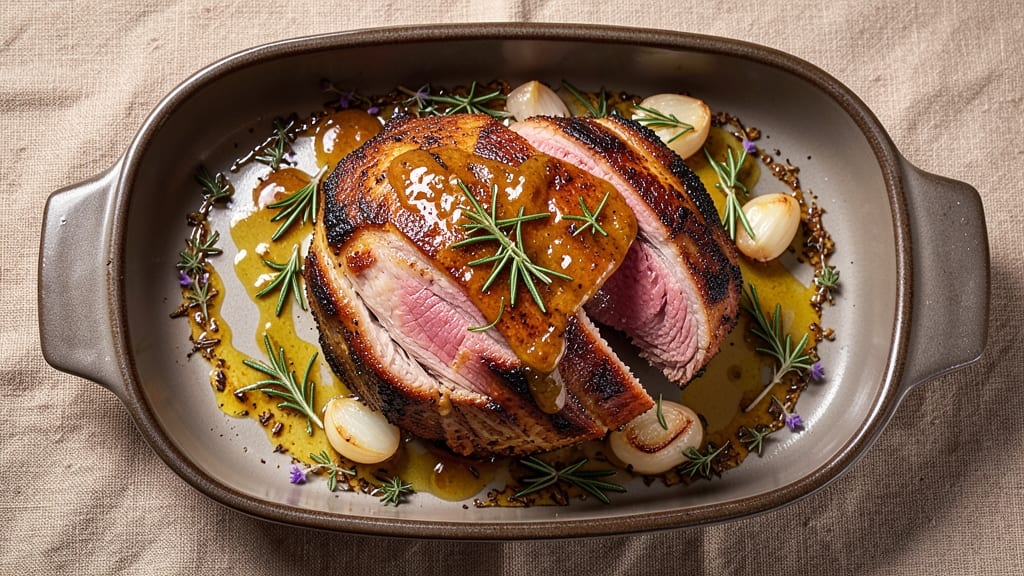
Rachael Ray's standing rib roast recipe delivers a juicy, melt-in-your-mouth centerpiece that's easier to prepare than you'd think. The secret lies in slow-roasting the beef at a precise temperature—around 250°F—while keeping it upright in a roasting rack, which allows fat to render perfectly for maximum flavor.
I've perfected this method over years of holiday feasts, and it never fails to impress even skeptical meat lovers. The herb crust adds aromatic depth without overpowering the beef's natural richness, making every slice worth savoring.
What sets this recipe apart is Rachael Ray's signature approach to cooking prime rib: low and slow, with minimal fuss. You'll need just five key ingredients for the herb crust—rosemary, thyme, garlic, Dijon mustard, and olive oil—and about 2 hours of active prep time (though most of that is resting).
The roasting itself takes 3 to 4 hours, depending on your oven and the size of your roast, but the results are worth every minute. The crust develops a beautiful golden-brown color while the interior remains tender and succulent.
By the time you carve into this roast, you'll be rewarded with slices that are perfectly pink in the center, glistening with natural juices, and surrounded by that aromatic herb crust. The pan juices alone are worth saving—they create a rich, velvety gravy that elevates even the simplest sides.
This isn't just dinner; it's a centerpiece that transforms any gathering into a memorable feast. Pair it with roasted potatoes or Yorkshire pudding for the full experience.
The beauty of this recipe is its versatility—whether you're hosting Thanksgiving, a holiday dinner, or just treating yourself to a special meal, this standing rib roast delivers restaurant-quality results at home.
The technique is foolproof once you understand the temperature and timing, and the herb crust adds just enough complexity to make it feel special without requiring advanced skills. Let's get started on creating your most impressive roast yet.
Ingredients for rachael ray standing rib roast
Five key ingredients transform a simple roast into Rachael Ray's legendary herb-crusted masterpiece.
| Ingredient | Amount | Notes |
|---|---|---|
| Prime Rib Roast 🥩 | 5 lb | Bone-in, standing rib roast |
| Fresh Rosemary 🌿 | ¼ cup | Chopped, stems removed |
| Fresh Thyme 🌿 | ⅛ cup | Leaves only, stems removed |
| Garlic Cloves 🧄 | 6 cloves | Minced, fresh preferred |
| Dijon Mustard 🍯 | 2 tbsp | High-quality, smooth variety |
| Extra-Virgin Olive Oil 🫒 | ¼ cup | For crust and basting |
| Kosher Salt 🧂 | 2 tbsp | Coarse grain preferred |
| Freshly Ground Black Pepper 🌶️ | 1 tbsp | Freshly cracked preferred |
| Unsalted Butter 🧈 | ½ cup | Cold, cubed for basting |
| Beef Broth 💧 | 1 cup | Low-sodium for basting |
| Red Wine 🍷 | ½ cup | Dry, for basting (optional) |
The roast is everything here. Standing rib roast is your best bet—it stays upright in the rack and renders fat beautifully. Costco or Whole Foods usually carry prime cuts, but check with your butcher for the freshest. A 5-pound roast feeds 8 generously, so adjust if you're feeding more. Look for vibrant color and good marbling—those fat streaks are what make it juicy. If your roast has a thick fat cap, trim it down to about 0.5-inch thick so it renders evenly. (Don't skip this—it's worth the extra minute.)
No fresh rosemary? Dried works at half the amount, but fresh is ideal for that bright aroma. The Dijon mustard adds depth, but whole-grain mustard in a pinch gives a slightly different texture. Short on time? Pre-minced garlic from the jar saves steps, though fresh always tastes better. The red wine is optional but adds richness—Cabernet Sauvignon or Merlot work best. For the crust, I always mix the herbs with olive oil first so they stick better to the meat. (Trust me on this—it makes all the difference.)
This roast tastes even better the next day, so plan ahead. Wrap it tightly in foil and refrigerate for up to 3 days—the flavors meld beautifully. For reheating, low oven (around 275°F) for 20-30 minutes keeps it moist. The herb crust stays crispy if you reheat it uncovered for the last 5 minutes. Save those pan juices—they make a velvety gravy that's perfect over mashed potatoes or Yorkshire pudding.
Why You'll Love This Recipe
- I’ll be real: most roasts turn into sad, dry scraps. Not this one. The standing method keeps it juicy, and the rich flavor means I’m repurposing slices for hash, tacos, or even a quick pasta the next day. Zero waste, all win.
- Foolproof Prep: I swear by this recipe because it’s so straightforward—just a quick rub of Dijon, garlic, and fresh herbs, then let the oven do the work. No basting, no fussing, and the roast practically cooks itself while you set the table.
- Herb-Packed Magic: That rosemary and thyme combo? It’s like a flavor bomb—bright, earthy, and just enough garlic to make every bite sing without overpowering. The crust is crispy, the inside melts, and honestly, it’s the kind of dish that makes people ask, “What’s in this?”
- Sunday Dinner Ready: Between us, this is my go-to for gatherings—whether it’s a holiday feast or a casual weekend lunch. The leftovers? Even better cold the next day, sliced thin for sandwiches or over a fresh salad. (Yes, even on a Tuesday night.)
Step-by-step instructions for herb-crusted standing rib roast
This method delivers a perfectly juicy, herb-crusted prime rib with a golden crust every time.
Prepare the Herb Crust Mixture
In a medium bowl, combine the 0.25 cup chopped fresh rosemary, 0.125 cup fresh thyme leaves, 6 minced garlic cloves, 2 tablespoons Dijon mustard, and 2 tablespoons kosher salt. Add 0.25 cup extra-virgin olive oil and mix until everything is fully incorporated. The mixture should look like a thick, fragrant paste with visible herb flecks.
Next, stir in 1 tablespoon freshly ground black pepper and give it one final mix. This herb crust is what creates that beautiful golden bark while keeping the meat impossibly tender inside. Let the mixture sit at room temperature while you prepare the roast—this ensures even coating.
Season and Coat the Prime Rib
Remove the 5 lb prime rib roast from the refrigerator and let it sit at room temperature for 30 minutes. This step is crucial for even cooking. While it's warming, pat the roast dry with paper towels—this helps the crust adhere and creates a better sear.
Rub the herb mixture all over the roast, pressing firmly so it penetrates the outer layer. Don't worry if it looks like too much—this is what creates that flavorful crust. Let the roast rest uncovered on a wire rack set over a baking sheet for 15 minutes while the oven preheats.
Roast to Perfect Doneness
Preheat your oven to 450°F. Place the roast on the wire rack in the center of the oven and roast for 20 minutes. This high initial temperature helps create that beautiful crust. After 20 minutes, reduce the oven temperature to 325°F and continue roasting.
Here's where the magic happens: baste the roast every 30 minutes with a mixture of 0.5 cup melted unsalted butter, 1 cup beef broth, and 0.5 cup red wine. The wine adds depth of flavor while the butter keeps the meat moist. Continue roasting, basting every 30 minutes, until the internal temperature reaches 125°F for medium-rare.
Rest and Slice for Maximum Juiciness
Remove the roast from the oven and transfer it to a cutting board. Tent loosely with aluminum foil and let it rest for 20-30 minutes before slicing. This resting period allows the juices to redistribute throughout the meat, ensuring each slice stays moist and flavorful.
When ready to serve, slice the roast against the grain into ½-inch thick slices. The crust should be golden brown and aromatic, while the interior should be perfectly pink in the center with a beautiful pink smoke ring. Serve immediately with any pan juices strained and reduced for a rich gravy if desired.
Pro Tips For Making Rachael Ray Standing Rib Roast
- SEAR HARD FIRST: Rachel Ray’s recipe calls for a quick sear, but I’ve learned to push it—get that roast deep brown before adding liquid. Five minutes on high heat (yes, even if it looks like it’s fighting you) builds flavor crust that won’t dissolve when basting with mustard and wine.
- CHOP HERBS FINE: Fresh rosemary and thyme straight from the stem? Nope. Bruise them first, then chop very small—think sand-like texture. The recipe says “sprinkle,” but if you skip this, you’ll end up with herb clumps that won’t infuse properly.
- DON’T SKIP THE REST: That 15-minute rest under foil isn’t just for show—it’s when the juices redistribute. I used to slice into it too soon and watched all the flavor pool out. Cover it loosely with foil and let it sit completely undisturbed.
- BASTE WITH PURPOSE: The mustard-wine mixture isn’t just for looks—use a spoon to actively spread it over the roast every 10 minutes. If you’re lazy and just dump it in the pan, you’ll miss the chance to create a glossy, caramelized finish that makes this dish feel restaurant-worthy.
Dietary considerations for these flavors
Gluten-Free Adaptations
This recipe is naturally gluten-free as written, since the herb crust relies only on fresh herbs, olive oil, and Dijon mustard (check labels for gluten-free certification).
The only potential concern is the red wine used for basting—opt for a gluten-free dry red wine like La Crema Cabernet Sauvignon or Apothic Red to avoid cross-contamination risks. 🌾
Low-Carb/Keto Options
For a keto-friendly version, skip the red wine basting (or replace with extra beef broth) and ensure your Dijon mustard is gluten-free. The herb crust remains perfectly aligned with low-carb goals, providing rich flavor without any carbs.
Serve with cauliflower mash or roasted Brussels sprouts to keep the meal under 5g net carbs per serving.
Dairy-Free Modifications
To make this dairy-free, replace the ½ cup unsalted butter in the basting mixture with ½ cup olive oil or avocado oil. The crust remains intact, and the meat stays juicy.
For extra richness, add 2 tbsp dairy-free butter substitute like Miyoko's to the basting liquid. The flavor difference is minimal but noticeable.
Allergen-Friendly Adjustments
For nut allergies, simply avoid any cross-contamination with nut oils—this recipe is already nut-free. If you're avoiding garlic, substitute with 1 tbsp garlic powder (though fresh is preferred for flavor). For mustard allergies, omit the Dijon entirely—the herb crust still delivers incredible flavor without it.
Protein-Packed Variations
Want to boost protein without changing the recipe? Serve alongside seared scallops or grilled shrimp skewers for a seafood twist. For a vegetarian option, create a parallel herb-crusted portobello mushroom cap using the same crust mixture—it mimics the texture beautifully while keeping the meal plant-based.
Meal Prep Considerations
This roast reheats beautifully for meal prep, but avoid pre-slicing before resting—always carve after the 20-30 minute rest. Store slices in glass airtight containers with pan juices separately.
Reheat individual portions in a skillet over medium heat for 3-4 minutes to maintain moisture. The herb crust stays intact when reheated gently.
Nutrition facts
Frequently asked questions
Why does the recipe call for resting the roast before slicing?
Resting the roast for 20-30 minutes after cooking is crucial—it lets the juices redistribute throughout the meat instead of pooling on your plate. Skipping this step means dry, flavorless slices. The crust stays intact while the interior remains perfectly moist.
Can I cook this roast in a different oven temperature?
Yes, but adjust the time. For a 275°F oven, expect 5-6 hours total (including the initial 450°F sear). Use a meat thermometer to check for 125°F internal temp for medium-rare. Lower temps work but require more patience—just baste more frequently.
What's the best way to use the pan juices?
Strain the juices into a saucepan and reduce over medium-high heat for 3-5 minutes until thickened. Add a splash of red wine or beef broth if needed. This creates a silky gravy perfect for drizzling over roasted potatoes or Yorkshire pudding. Never skip this step—it's pure flavor!
How do I know when the roast is done?
Use a meat thermometer inserted into the thickest part of the roast. For medium-rare, aim for 125°F (it'll rise to 130°F while resting). The crust should be golden brown, and the meat should feel slightly springy when pressed gently. Never guess—precision is key for perfect results.
Can I make this roast ahead of time?
Cook the roast up to 2 days ahead and refrigerate it wrapped tightly in foil. Reheat in a 275°F oven for 20-30 minutes, covered with foil, then uncover for the last 5 minutes to crisp the crust. The flavors actually improve with time!