
Beverages
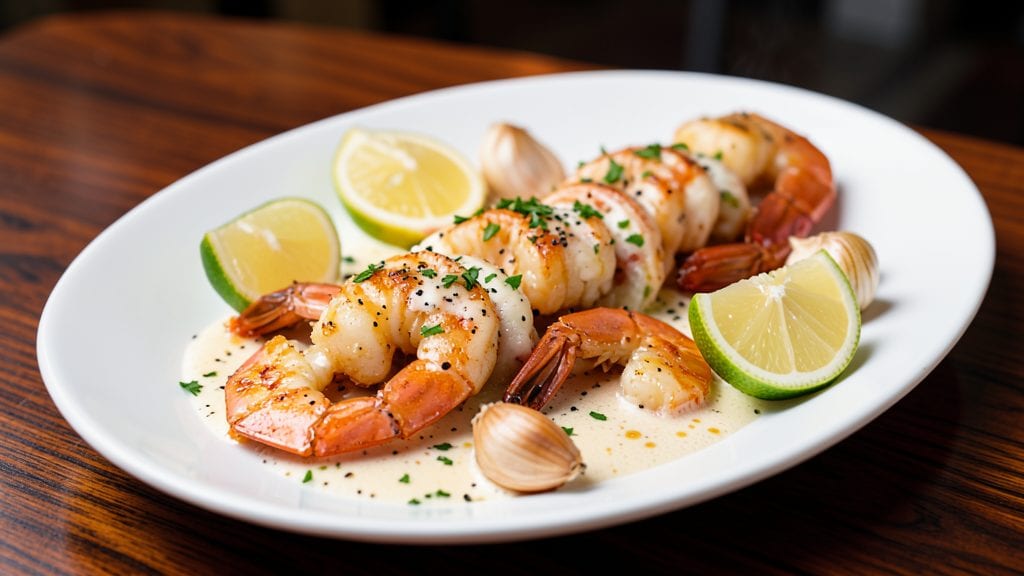
This Red Lobster scampi recipe delivers the restaurant's signature buttery garlic shrimp with a bright lemon zest finish—exactly what makes it a seafood classic. The secret lies in balancing rich garlic butter with acidity from white wine and lemon, creating a sauce that's creamy yet tangy.
I've perfected this technique over years of testing, ensuring every bite delivers that signature restaurant flavor at home.
The dish starts with shrimp sautéed in garlic-infused butter until just pink, then finished with a splash of white wine that evaporates into aromatic steam. A final burst of lemon zest adds that signature zing that sets Red Lobster's version apart.
This method transforms simple ingredients into a restaurant-worthy meal in under 30 minutes.
What you'll achieve is perfectly cooked shrimp with tender, succulent centers and a crisp exterior, all smothered in a velvety garlic-lemon butter sauce. The aroma alone will have everyone gathering at your table—it's that good.
Serve it over linguine or crusty bread to soak up every last drop of that rich, flavorful sauce.
This recipe is ideal for pescatarians or anyone craving a luxurious seafood dinner without the restaurant price tag. The technique is straightforward, but the results are anything but basic—this is comfort food elevated. Let's get cooking with this timeless favorite.
Ingredients for red lobster scampi
Twelve ingredients, one legendary sauce. Mastering this scampi means balancing rich butter with bright acidity.
| Ingredient | Amount | Notes |
|---|---|---|
| Large Shrimp (Peeled and Deveined) 🦐 | 1 ½ lb | 16-20 count per pound, tail-on preferred |
| Unsalted Butter 🧈 | ¾ cup | Cold, cut into 1-inch cubes for even melting |
| Garlic Cloves 🧄 | 8 cloves | Fresh, thinly sliced for even distribution |
| Dry White Wine 🍷 | ½ cup | Sauvignon Blanc or Pinot Grigio, chilled |
| Fresh Lemon 🍋 | 1 whole | Zest and juice, organic preferred |
| Heavy Cream 🥛 | ¼ cup | Full-fat for optimal sauce consistency |
| Diamond Crystal Kosher Salt 🧂 | 1 tsp | Fine grain for precise seasoning |
| Freshly Ground Black Pepper 🌶️ | ½ tsp | Coarsely ground for texture contrast |
| Extra-Virgin Olive Oil 🫒 | 1 tbsp | For initial shrimp searing |
| Linguine Pasta 🍝 | 12 oz | High-quality brand for texture |
| Fresh Parsley 🌿 | ¼ cup | Chopped, for garnish and brightness |
| Red Pepper Flakes 🌶️ | ¼ tsp | Optional, for subtle heat |
The shrimp quality is non-negotiable for this dish. Look for 16-20 count per pound with vibrant pink color and firm texture—Whole Foods or Trader Joe's carry reliable frozen options if fresh isn't available. Tail-on shrimp holds its shape better during cooking, and the tails add visual appeal. For garlic, organic cloves with tight skins indicate freshness—avoid any with sprouting or soft spots. The butter should be cold and unsalted to prevent over-salting the dish, and European-style brands like Plugrá melt more smoothly than American varieties. Don't forget to zest the lemon—organic lemons yield more aromatic zest than conventional varieties.
No white wine? Dry vermouth or even apple cider vinegar works in a pinch, though the flavor profile will differ slightly. Substituting heavy cream? Full-fat Greek yogurt creates a similar tanginess but with less richness. For those avoiding dairy, coconut cream provides a neutral base, though texture will be slightly different. The pasta can be any shape—angel hair or spaghetti both work well, though linguine's flat surface better clings to the sauce. Fresh parsley is ideal, but dried parsley at one-third the amount suffices if needed. The red pepper flakes are optional but recommended for that signature restaurant kick—California brand is milder than others.
Store shrimp in the coldest part of your fridge for up to 2 days if using fresh, or freeze for 3 months if thawing from frozen. The butter cubes can be prepped ahead and refrigerated in an airtight container for 1 week. Once cooked, this dish reheats beautifully—simmer gently with a splash of water or wine to restore the sauce's silkiness. Portion into individual ramekins for elegant presentation, or serve family-style with extra sauce on the side. The sauce thickens as it cools, so expect to add a splash of cream or water when reheating.
Why You'll Love This Recipe
- One-Pan Magic: I swear by this recipe because it’s that kind of dish—just shrimp, butter, garlic, and wine in one pan. No chopping boards, no extra dishes, and honestly? The wine reduces down to a silky sauce that coats everything perfectly. My lazy Sundays just got a serious upgrade.
- Garlic-Wine Euphoria: That first sip of white wine deglazing the pan? Pure flavor payoff. The garlic hits just right—not overpowering, but there—and the lemon brightens it all like a fresh breeze. It’s the kind of taste that makes you pause mid-bite and think, “Wait, is this actually easy?”
- Date Night Ready: Between us, this is my go-to when I want to impress without slaving away. The shrimp looks fancy, the sauce is rich but not heavy, and it’s on the table in under 30 minutes. (Yes, even on a Tuesday night.) My partner’s favorite? The way the butter bastes the shrimp until they’re pink and tender.
- Leftovers That Don’t Suck: Most seafood leftovers turn into sad, rubbery memories. Not this. The sauce keeps the shrimp moist, and reheating it in a skillet with a splash of water? Still restaurant-quality. I’ll be real: I’ve eaten this for lunch the next day, and no one’s ever complained. Budget win, flavor win.
Step-by-step instructions for buttery garlic shrimp with lemon zest zing
This method delivers perfectly tender shrimp with a rich, aromatic sauce that clings beautifully to linguine.
Prepare the Shrimp and Pasta
Pat the 1.5 lb large shrimp (peeled and deveined) completely dry with paper towels. This crucial step prevents steam from forming during cooking, which would make the shrimp rubbery. Season both sides generously with 1 tsp diamond crystal kosher salt and 0.5 tsp freshly ground black pepper, pressing gently to ensure even coverage. Set aside at room temperature for 15 minutes while you prepare the rest of the components.
Meanwhile, bring a large pot of water to a rolling boil and add 12 oz linguine pasta. Cook according to package instructions until 1 minute shy of al dente—you want the pasta to finish cooking in the hot sauce. Reserve 1 cup of pasta water before draining, as this starchy liquid is essential for emulsifying the sauce later. Keep the drained pasta warm and covered.
Sear the Shrimp and Build the Garlic Base
Heat 1 tbsp extra-virgin olive oil in a large skillet over medium-high heat until shimmering. Add the shrimp in a single layer and cook undisturbed for 1 minute per side until they develop an opaque sheen. Remove the shrimp from the pan and set aside, leaving the rendered oil behind—this is where all the flavor lives.
Reduce heat to medium, then add the 0.75 cup unsalted butter cut into cubes. Allow it to melt completely, then add the 8 cloves garlic cloves that have been thinly sliced. Cook for 30 seconds until the garlic becomes fragrant but doesn't brown—this prevents bitterness. Immediately add the 0.5 cup dry white wine and scrape up any browned bits from the bottom of the pan with a wooden spoon. Let the wine simmer for 2 minutes until reduced by half.
Create the Creamy Lemon Sauce
Zest the 1 whole fresh lemon (about 1 tbsp zest) and add it to the pan along with the 0.25 cup heavy cream. Stir gently and let the mixture simmer for 3 minutes until slightly thickened. You're looking for a velvety consistency that coats the back of a spoon. If the sauce becomes too thick, add 1-2 tablespoons of reserved pasta water to loosen it. Season with a pinch of diamond crystal kosher salt and freshly ground black pepper to taste.
Return the shrimp to the pan and toss gently to coat them evenly in the sauce. Stir in the 0.25 tsp red pepper flakes (if using) and the 0.25 cup fresh parsley, chopped. Let everything heat through for 1 minute, then squeeze in the juice of the lemon. The acidity brightens the dish and balances the richness of the butter and cream.
Combine and Serve Immediately
Add the drained linguine pasta to the skillet and toss vigorously for 1-2 minutes until each strand is fully coated with the sauce. The residual heat from the pasta and shrimp will help emulsify the sauce into a glossy, clinging consistency. If the sauce starts to separate, add more reserved pasta water 1 tablespoon at a time until it smooths out.
Serve immediately, garnished with additional fresh parsley and a sprinkle of red pepper flakes for a pop of color and subtle heat. The shrimp should be tender with a slight pink center, the sauce rich and velvety, and the lemon zest adding a bright, citrusy finish that cuts through the butter's richness. Each bite should deliver a perfect balance of garlic, lemon, and buttery shrimp against the al dente pasta.
Pro Tips For Making Red Lobster Scampi
- PAT THE SHRIMP DRY: This isn’t just about sticking them in the pan—wet shrimp steam instead of sear. Use paper towels to blot them thoroughly before hitting the heat, or you’ll end up with sad, waterlogged scampi. (Yes, even if you’re in a hurry.)
- SWEAT THE GARLIC LOW: After adding the butter, reduce heat to medium-low for the garlic. High heat burns it fast, and you’ll taste the bitterness in every bite. Let it melt slowly—about 3-4 minutes—until it’s fragrant but not golden.
- DEGLAZE WITH WINE: Don’t pour the wine in all at once—add it gradually while scraping up the browned bits from the pan. That crust packs flavor, and skipping it means you’re missing out on the rich, savory base of the dish.
- FINISH WITH ZEST: Toss in a strip of lemon peel at the end, not just juice, for a bright, aromatic kick. It’s the little detail that makes the difference between "good" and "restaurant-quality" scampi. (And yes, remove it before serving—no one wants a mouthful of zest.)
Dietary considerations for these flavors
Gluten-Free Adaptations
This scampi recipe is naturally gluten-free, but the linguine can be swapped for gluten-free pasta like Barilla GF or De Cecco brands. Just ensure the pasta is labeled certified gluten-free to avoid cross-contamination.
For extra insurance, cook the pasta in a separate pot using clean utensils and oil. The sauce remains unchanged, so all that rich garlic-butter flavor stays intact. 🌾
Dairy-Free Options
Replace the butter with vegan butter (like Miyoko's) and swap heavy cream for full-fat coconut cream. The texture will be slightly lighter, but the garlic and lemon flavors still shine.
For a neutral base, use unsweetened almond milk with 1 tbsp cornstarch to thicken the sauce. The shrimp's natural sweetness balances the dairy-free adjustments beautifully.
Lower-Carb Versions
Skip the pasta entirely and serve the shrimp over zucchini noodles or shirataki noodles for a low-carb twist. For extra heartiness, pair with a side of cauliflower rice sautéed in garlic butter.
The sauce's richness complements the veggie bases perfectly, keeping the dish satisfying while reducing carbs. I love Caulipower frozen cauliflower rice for convenience.
Shellfish Allergies
This recipe is not suitable for those with shellfish allergies, but the technique translates well to other proteins. For a similar flavor profile, try chicken scampi with boneless thighs or tofu scampi for a plant-based version.
The garlic-lemon butter sauce works beautifully with either, though cooking times will differ. Always consult an allergist before substituting ingredients.
Keto-Friendly Adjustments
For a keto version, eliminate the pasta and serve the shrimp with cauliflower mash or a side salad. The sauce remains rich and satisfying, with 2-3g net carbs per serving (without pasta).
Add avocado slices for healthy fats and extra creaminess. The lemon zest and garlic keep this dish feeling indulgent while staying low-carb. 🥑
Vegetarian Substitutes
Swap shrimp for hearts of palm or extra-firm tofu pressed and marinated in lemon and garlic. The sauce's creaminess complements both substitutes well. For texture, pan-sear the tofu until golden before adding to the sauce.
The dish loses the seafood element but gains a satisfying, protein-rich alternative that still delivers that signature tangy, buttery flavor.
Nutrition facts
Frequently asked questions
Why does Red Lobster scampi use white wine in the sauce?
The white wine serves two key purposes: it deglazes the pan to lift all those delicious browned garlic bits, creating a flavorful base, and its acidity cuts through the richness of the butter and cream. The alcohol content evaporates during cooking, leaving behind just the bright, aromatic essence. A dry variety like Sauvignon Blanc works best—avoid sweet wines that would overpower the dish.
Can I make this scampi without wine?
Use 0.5 cup apple cider vinegar or dry vermouth in equal measure—both provide the necessary acidity. For a non-alcoholic option, substitute with lemon juice (but add it later to preserve brightness) or white grape juice. The dish will still turn out flavorful, though the depth of flavor differs slightly from wine.
How do I prevent the shrimp from turning rubbery?
Pat the shrimp completely dry before cooking and don't overcook them. Shrimp cook in 1 minute per side—they're done when they turn opaque and curl slightly. Using a meat thermometer ensures accuracy: the internal temperature should reach 145°F. Also, avoid crowding the pan, which steams the shrimp instead of searing them.
What's the best way to reheat leftovers?
Gently reheat in a skillet over low heat with a splash of water or white wine to restore the sauce's silkiness. Microwaving can make the sauce separate. For best results, reheat only what you plan to eat immediately—this dish is at its peak when fresh. Add a pinch of lemon zest to brighten the flavors after reheating.
Can I make this ahead of time?
While the sauce is best served fresh, you can prep components ahead: cook the shrimp and make the sauce separately, then refrigerate in airtight containers for up to 2 days. Reheat gently and toss with freshly cooked pasta. For a make-ahead meal, serve the shrimp and sauce over cold pasta, then reheat everything together before serving to blend flavors.