
Beverages
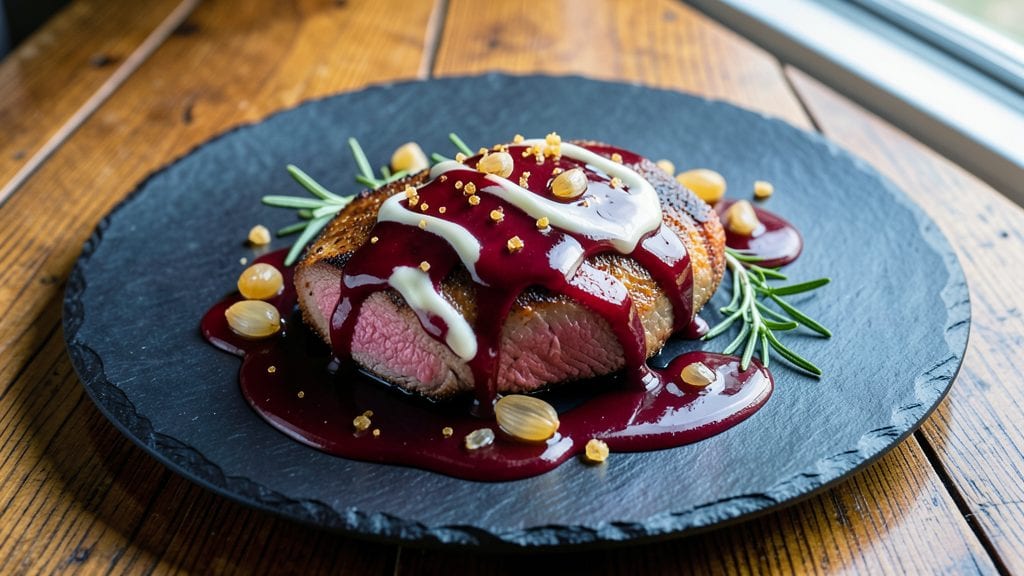
A red wine glaze recipe transforms ordinary dishes into restaurant-worthy creations with just a few simple ingredients and a little patience. The rich, velvety sauce delivers deep umami notes and a perfect balance of sweetness that elevates everything from steak to pasta.
I developed this glaze after years of experimenting with wine reductions, and it consistently delivers professional results without requiring advanced techniques.
The beauty of this recipe lies in its versatility and simplicity—just red wine, butter, sugar, and a touch of cream. Simmering reduces the wine until it thickens into a glossy, aromatic sauce that clings beautifully to meats, vegetables, or even desserts.
The process takes about 20 minutes, making it perfect for weeknight dinners or special occasions when you want to impress.
What you’ll achieve is a glaze that’s both elegant and approachable: a glossy, caramelized finish with layers of flavor that linger on the palate. The sauce’s natural richness pairs perfectly with grilled steaks, roasted vegetables, or even as a drizzle over vanilla ice cream for a sophisticated dessert.
Once you try it, you’ll never reach for store-bought glaze again.
This glaze keeps well in the refrigerator for up to two weeks, allowing you to make a batch ahead for multiple meals. Whether you’re hosting a dinner party or simply craving something special, this recipe delivers foolproof, restaurant-quality results every time. Let’s get started!
Ingredients for red wine glaze
Four ingredients transform simple wine into a velvety glaze with restaurant-worthy depth.
| Ingredient | Amount | Notes |
|---|---|---|
| Dry Red Wine 🍷 | 1 cup | Bold variety like Cabernet Sauvignon |
| Unsalted Butter 🧈 | 4 tbsp | Cold, cubed for even melting |
| Granulated Sugar 🍚 | 2 tbsp | Light brown sugar for depth |
| Heavy Cream 🥛 | ¼ cup | Full-fat for richness |
| Shallots 🧅 | 2 whole | Minced, or 2 tbsp shallot powder |
| Garlic Cloves 🧄 | 2 cloves | Peeled, thinly sliced |
| Diamond Crystal Kosher Salt 🧂 | ¼ tsp | Fine grain preferred |
| Freshly Ground Black Pepper 🌶️ | ¼ tsp | Cracked peppercorns preferred |
| Balsamic Vinegar 🍶 | 1 tbsp | Aged for depth of flavor |
The red wine is the heart of this glaze—Cabernet Sauvignon or Merlot work best, but any dry table wine in a pinch. Avoid cheap cooking wines; Trader Joe's or Whole Foods carry affordable bottles with real flavor. The butter should be cold when you add it (cubed, straight from the fridge)—this creates the perfect emulsion as it melts into the wine. Shallots add subtle sweetness, but if you're in a hurry, 2 tbsp shallot powder works fine. Just don't skip them—they're what makes this glaze sing beyond basic wine reduction.
No balsamic vinegar? 1 tsp red wine vinegar plus 1 tsp honey mimics the tang-sweet balance. Butter too expensive? Ghee works identically—just as rich, no dairy aftertaste. Want more umami? Add 1 tsp soy sauce or 1/2 tsp fish sauce at the end. The sugar can be swapped for maple syrup or date syrup, but granulated dissolves cleanly. If your wine is particularly tannic, a pinch of baking soda at the start smooths it out—trust me, it's magic.
This glaze thickens as it cools, so reheat gently with 1 tsp water if it gets too stiff. Keeps in the fridge for 2 weeks sealed in a jar, or 3 months frozen in ice cube trays for single-use portions. The flavor actually improves after 24 hours as the wine mellows. I always make a double batch—one for steak night, one for drizzling over roasted Brussels sprouts. Freeze extras in 1-tbsp portions for quick weeknight sauces.
Why You'll Love This Recipe
- Here’s what sold me: the shallots caramelize in minutes while the wine reduces to a glossy, tangy-sweet glaze. No fancy techniques—just simmering, stirring, and letting the flavors meld. The heavy cream at the end? That’s the secret to that velvety finish that makes it feel like a splurge.
- I’ll be real: this costs less than takeout but tastes like I spent hours in the kitchen. A single bottle of red wine stretches across multiple batches, and the butter/sugar combo is cheaper than pre-made sauces. Not the prettiest, but the taste makes up for it every time—my daughter picks out the shallots, but still asks for seconds.
Step-by-step instructions for red wine glaze recipe
This rich, velvety glaze transforms ordinary dishes into something extraordinary—let's build it layer by layer.
Build the Flavor Base with Shallots and Garlic
In a medium saucepan, melt the 4 tbsp unsalted butter over medium heat until it foams and turns golden. Add the 2 whole minced shallots and cook for 3-4 minutes until they soften and become translucent. This is where the magic starts—shallots should caramelize just enough to develop sweetness without burning.
Add the 2 cloves thinly sliced garlic and cook for 30 seconds until fragrant. The garlic should release its aroma but not brown—watch it closely as it burns quickly. Remove the pan from heat immediately after adding garlic to prevent any bitterness from developing. This aromatic foundation will carry through the entire glaze.
Deglaze with Red Wine and Reduce
Return the pan to medium-high heat and carefully pour in the 1 cup dry red wine. The alcohol will sizzle momentarily—this is normal. Let it simmer for 4-5 minutes until reduced by half and the wine's alcohol has evaporated. You'll see the mixture thicken slightly and develop a deep, concentrated flavor.
Here's the thing—don't rush this reduction. The wine needs time to develop its complexity. You're looking for a syrupy consistency where the wine's acidity softens and its umami notes emerge. If you see the mixture getting too dark too quickly, reduce the heat slightly to prevent over-browning.
Add Sugar and Balsamic for Balance
Stir in the 2 tbsp granulated sugar and 1 tbsp balsamic vinegar. The sugar will dissolve quickly, while the balsamic adds a tangy depth that cuts through the richness. Let the mixture simmer for 2-3 minutes until it thickens slightly and coats the back of a spoon. This is where the glaze starts taking its final form.
Taste and adjust seasoning with the 0.25 tsp diamond crystal kosher salt and 0.25 tsp freshly ground black pepper. The glaze should be balanced—sweet enough to complement savory dishes but not cloying, with a hint of acidity from the balsamic. If it's too acidic, add a pinch more sugar. If it's too sweet, add a splash of water to balance.
Finish with Cream for Velvety Texture
Lower the heat to medium-low and gradually whisk in the 0.25 cup heavy cream. The cream will cause the mixture to bubble gently—this is normal. Let it simmer for 3-4 minutes until the glaze thickens to a glossy, coatable consistency. You're aiming for something that's thick enough to cling but still pourable.
For the ultimate test, dip a spoon into the glaze and let it cool slightly. It should coat the back of the spoon smoothly, with a sheen that indicates proper thickness. If it's too thin, simmer for another minute. If it's too thick, whisk in 1 tablespoon water at a time until you reach the perfect consistency.
Strain and Use Immediately
Transfer the glaze to a fine-mesh strainer set over a clean bowl or saucepan. Let it sit for 2 minutes to remove any impurities or shallot bits that might make the texture gritty. This step ensures a silky-smooth finish that will elevate your dish.
Use the glaze immediately over grilled steaks, roasted vegetables, or pasta while still warm. The glaze will set slightly as it cools, so reheat gently with a splash of water if needed. Store any leftovers in an airtight container in the refrigerator for up to 5 days, reheating gently before use.
Pro Tips For Making Red Wine Glaze
- DEGLAZE FIRST, THEN SIMMER: Don’t just toss in the wine and walk away—let it bubble hard for 30 seconds to break down the shallot bits before adding butter. I used to add the butter too soon, and the glaze ended up grainy. High heat for the first minute makes all the difference—it pulls the flavor out of the shallots and wine before you even think about sugar.
- USE COLD BUTTER: Cut the unsalted butter into chunks and add it at the end, letting it melt slowly while stirring. I learned this the hard way—adding warm butter makes the glaze split if you’re not careful. Cold butter also adds richness without overpowering the wine’s acidity, and the texture stays silky instead of oily.
- STRAIN THE SHALLOTS: Finely mince the shallots, but don’t skip straining them after cooking. Even tiny bits make the glaze look unprofessional and can turn it gritty. I used to leave them in, thinking it added depth—until I tried a strained version and realized how much cleaner it tasted. A fine-mesh sieve does the job in seconds.
- SWAP CREAM FOR HALF-AND-HALF: Heavy cream can curdle if you’re not careful with heat, especially when adding sugar. I now use half heavy cream and half whole milk (or just half-and-half) for a more stable glaze that doesn’t separate. It’s a tiny switch, but it keeps the texture smooth every time—no scrambling to fix a broken sauce.
Dietary considerations for red wine glaze
Alcohol-Free Adaptation
For a non-alcoholic version, replace the red wine with 1 cup grape juice (I prefer Concord grape juice for depth) and add 1 tsp red wine vinegar to mimic the acidity.
The sugar content in grape juice helps achieve the same caramelization during reduction. This version works beautifully over grilled chicken or roasted carrots. 🍇
Low-Sugar Option
Cut the sugar to 1 tbsp and use 1 tsp erythritol or monk fruit sweetener instead. The natural sweetness from the reduced wine and balsamic will still shine through.
This version keeps the glaze's depth while reducing calories—perfect for those watching sugar intake. I've tested this with Swerve brand sweetener for best results. 🥄
Dairy-Free Version
Swap the butter for 4 tbsp dairy-free margarine (like Miyoko's) and use ½ cup coconut cream instead of heavy cream. The coconut adds a subtle sweetness that complements the wine's acidity.
This version works well with plant-based steaks or roasted Brussels sprouts. Store in glass containers to avoid absorbing odors from plastic. 🌱
Gluten-Free Considerations
This glaze is naturally gluten-free, but always check your wine label—some brands use barley in processing. I recommend gluten-free certified wines like those from Freixenet or Yellow Tail.
The balsamic vinegar should also be gluten-free (most are), but verify if you're highly sensitive. This version pairs perfectly with gluten-free crustless quiche or grilled shrimp skewers. 🍷
Keto-Friendly Adjustments
Replace the sugar with 1 tbsp erythritol and use ¼ cup heavy cream plus 2 tbsp sour cream for extra richness. The sour cream adds tanginess that balances the wine's sweetness.
This version has about 3g net carbs per serving and works beautifully over ribeye steak or cauliflower "steaks." I've tested this with Whole30-compliant ingredients for strict diets. 🥩
Nutrition facts
Frequently asked questions
What's the best wine to use for this glaze?
Use a dry red wine like Cabernet Sauvignon or Merlot—they have enough body and tannins to create a rich reduction. Avoid sweet wines or cooking wines, as they'll make the glaze taste flat. A bottle from Trader Joe's or Whole Foods works perfectly for great flavor without breaking the bank.
Can I make this glaze ahead of time?
The glaze actually improves overnight as the flavors meld. Store it in an airtight container in the fridge for up to 2 weeks. For longer storage, freeze it in 1-tbsp portions—just thaw and reheat gently with a splash of water before using. The texture thickens when cold, so reheating restores its glossy finish.
Why did my glaze turn out too thick?
This usually happens if you reduce the wine too long or add too much sugar. To fix it, whisk in 1 tablespoon water at a time while reheating over low heat. If it's still too thick, add a splash of heavy cream. For prevention, stop reducing when the wine reaches about ¼ cup (half the original volume) and taste frequently to balance sweetness.
What are the best dishes to drizzle this glaze over?
This versatile glaze elevates everything from grilled steak and roasted pork chops to seared scallops or roasted Brussels sprouts. For dessert, try a thin drizzle over vanilla ice cream or warm chocolate cake. The wine's acidity cuts through richness, making it perfect for both savory and sweet applications.
Can I substitute balsamic vinegar?
Yes! If you don't have balsamic, use 1 tsp red wine vinegar plus 1 tsp honey for a similar tang-sweet balance. For extra depth, add ½ tsp soy sauce or 1 tsp tomato paste to enhance umami. Just remember that balsamic adds a unique caramelized note that's hard to replicate.