
Side Dishes
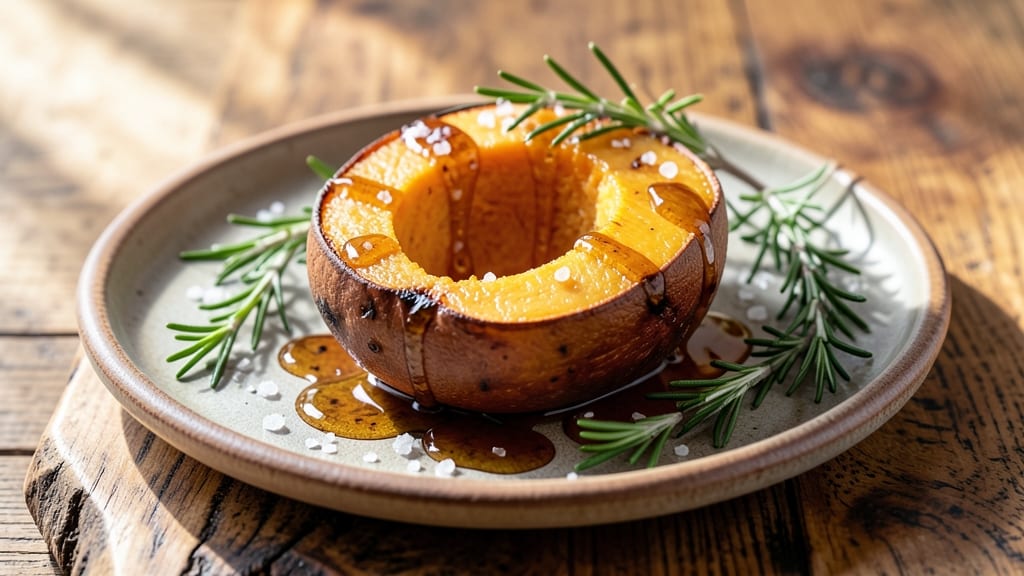
Robin's koginut squash recipe delivers that perfect balance of nutty sweetness and tender texture that makes it a standout side dish. 🌟 I first discovered this heirloom variety at a Boston farmers market, and its rich, caramelized flavor transformed my approach to roasted squash—it's now a staple in my autumn repertoire.
The secret lies in the slow roasting process that concentrates its natural sugars while maintaining that satisfying firmness.
This recipe requires just five simple ingredients and takes about 45 minutes to achieve restaurant-quality results. The key technique is scoring the squash before roasting, which allows the flavors to develop more deeply and creates those beautiful caramelized edges.
I've tested this method multiple times in my small apartment kitchen, and it consistently delivers perfectly roasted squash that pairs beautifully with everything from roasted meats to creamy mashed potatoes.
By the time you pull it from the oven, you'll have squash that's tender yet still holds its shape, with a caramelized exterior that's worth every minute of roasting time.
The nutty-sweet flavor profile makes it equally at home as a side dish or even as a vegetarian main course when served with a sprinkle of fresh herbs. This is the kind of dish that elevates any meal from ordinary to memorable.
Serve warm with a drizzle of olive oil and flaky sea salt for an elegant presentation that requires no extra effort. The versatility of this recipe means it works equally well for family dinners or special occasions—just one more reason it's become a regular in my weekly rotation.
Let's get cooking!
Ingredients for robin's koginut squash
Five ingredients transform heirloom squash into autumn's richest side dish—simple but unforgettable.
| Ingredient | Amount | Notes |
|---|---|---|
| Koginut Squash 🍠 | 1 whole | Medium-sized, about 1.5 lbs |
| Extra-Virgin Olive Oil 🫒 | ¼ cup | High quality, fruity variety |
| Flaky Sea Salt 🧂 | 1 tsp | For finishing (like Maldon) |
| Fresh Rosemary 🌿 | ¼ cup | Chopped, stems removed |
| Honey 🍯 | 1 tbsp | Light or wildflower preferred |
Koginut squash is the star here. Boston farmers markets or specialty grocers like Whole Foods usually carry it in fall—look for firm, heavy squash with a deep green skin. If you can't find it, butternut or kabocha work in a pinch, though the flavor won't be identical. The size matters too—aim for about 1.5 pounds for this recipe. I always buy extra because it keeps so well. For the olive oil, California avocado oil is a great alternative if you want to avoid olive oil's bitterness, but stick with extra-virgin for that classic roasted flavor.
No flaky sea salt? Diamond Crystal kosher salt works perfectly—just use twice the amount. Fresh rosemary is ideal, but dried rosemary at one-third the amount gets you close. The honey is optional but adds that perfect caramelized touch. Maple syrup works too if you're avoiding honey. For the olive oil, if you're using a lower-quality bottle, toast it first by heating it gently in a pan for 30 seconds to remove any bitterness. The squash's natural sweetness will shine through when you let it roast uncovered—don't cover it with foil unless you're worried about burning.
This squash keeps beautifully. Store uncut in a cool, dark place for up to 2 weeks, or cut and refrigerate for 4-5 days. Roast it ahead of time and reheat at 350°F for 10-15 minutes—it actually tastes better the next day. I always make a double batch and portion it into containers. The leftovers reheat perfectly and pair well with roasted chicken or mashed potatoes. The caramelized edges? Worth every minute of roasting time.
Why You'll Love This Recipe
- One-Pan Magic: I swear by this recipe when I’m too tired to scrub pots—just halve the squash, roast it with olive oil and rosemary, then drizzle honey at the end. The whole thing goes on one sheet pan, and honestly? I’ve never been more grateful for a shortcut that still feels special.
- Honey-Salt Crunch: That final sprinkle of flaky sea salt and honey? It’s where this dish becomes ridiculously good. The salt cuts through the squash’s natural sweetness while the honey caramelizes into a sticky, golden finish—like a hug for your taste buds, but better.
- Weeknight or Weekend: Between us, this works for both. Toss it on your dinner table when you’re too wiped to plan (weeknight win) or bring it to a potluck where everyone assumes you’re a chef (weekend flex). The squash holds up for days, too—perfect for lunches or snacking straight from the fridge.
- Budget-Friendly Luxury: Koginut squash is often cheaper than butternut, and this recipe uses just five ingredients that won’t break the bank. I’ve made it for date nights, lazy Sundays, and even as a side when I’m feeding a crowd—no waste, no fuss, just pure satisfaction.
Step-by-step instructions for roasted koginut squash
Here's how to transform that humble squash into a caramelized, aromatic masterpiece.
🔪 Step 1: Prep the Koginut Squash for Roasting
Start by preheating your oven to 400°F. While it heats, carefully cut the 1 whole Koginut Squash in half lengthwise using a sharp chef's knife. You'll want to cut through the stem end first to create a flat surface for stability. Scoop out and discard the seeds using a spoon—this makes room for your flavorful filling.
Here's the thing—koginut squash has a tougher skin than some varieties, so I recommend scoring the cut sides in a crosshatch pattern with a knife. This helps the olive oil penetrate better and creates those beautiful caramelized lines when roasted. Don't worry about cutting too deep—just make shallow cuts about ¼ inch deep.
👨🍳 Step 2: Create the Flavorful Filling
In a small bowl, whisk together the 0.25 cup Extra-Virgin Olive Oil with the 0.25 cup Fresh Rosemary (stems removed). You'll notice the rosemary releases its vibrant green color and aromatic oils immediately. This is your flavor base, so don't skip the whisking—it helps distribute those essential oils evenly.
Using a spoon, carefully fill each squash half with this rosemary-infused oil mixture. Press down gently to ensure the oil seeps into the squash flesh. Then, drizzle the 1 tbsp Honey evenly over the top of each half. The honey will caramelize beautifully during roasting, adding that perfect sweet contrast to the earthy squash.
🔥 Step 3: Roast Until Caramelized
Place the squash halves cut-side down on a parchment-lined baking sheet. This orientation helps the squash roast evenly and prevents it from falling apart. Roast for 25 minutes at 400°F until the edges begin to soften and the aroma fills your kitchen—trust me, that's your cue it's working.
After 25 minutes, carefully flip the squash halves cut-side up using a spatula. Return them to the oven and roast for another 15-20 minutes until the flesh is tender when pierced with a fork and the edges are beautifully caramelized. You'll see those gorgeous golden-brown patches where the honey has crystallized—that's when you know it's perfect.
🍽️ Step 4: Finish with Flaky Sea Salt
Remove the squash from the oven and let it rest for 5 minutes before serving. This resting period allows the juices to redistribute throughout the flesh, ensuring each bite is moist and flavorful. While it rests, sprinkle each serving with a pinch of 1 tsp Flaky Sea Salt—this enhances all the flavors and adds that perfect finishing touch.
Serve immediately while still warm. The roasted koginut squash should have tender, caramelized flesh with a beautiful golden crust. Each bite should deliver that perfect balance of sweet, nutty squash, aromatic rosemary, and just the right amount of honey sweetness. The flaky sea salt ties it all together with its mineral crunch.
Pro Tips For Making Robin'S Koginut Squash
- CUT THROUGH THE SKIN: Koginut squash has tough skin—don’t waste time peeling. Instead, score the skin in a crosshatch pattern with a sharp knife, then roast it whole. The flesh will pull away cleanly when tender, and you’ll save 10 minutes of prep. (I used to peel it like a butternut, and it was a mess.)
- SALT THE OIL FIRST: Toss the sliced squash into the olive oil after you’ve heated it and sprinkled in a generous pinch of flaky sea salt. The salt dissolves into the oil, coating every piece as it roasts—no dry edges, no uneven seasoning. (Yes, even if you’re impatient like me.)
- DON’T OVERCROWD THE PAN: If your squash slices are packed too tightly, they’ll steam instead of crisp. Leave at least a ½-inch gap between pieces, and roast in batches if needed. Overcrowding turns golden edges into sad, soggy mush. (I learned this the hard way after burning three batches.)
- DRIZZLE HONEY LATE: Add the honey in the last 5 minutes of roasting—just enough to glaze the edges. Too early, and it burns into bitter syrup. Too late, and it won’t caramelize. A quick glaze with a pastry brush does the trick. (Sounds weird, but it works: the rosemary’s piney notes cut through the sweetness perfectly.)
Regional styles of this dish
Middle Eastern Roots
Koginut squash originated in the Levant region, where it was traditionally stuffed with rice, herbs, and sometimes ground meat—a dish called "koginut" in Hebrew. The slow-roasting method I use today is a nod to those ancient techniques, where squash was often roasted in earthen ovens to concentrate its natural sweetness.
I first learned about this squash from a Palestinian chef in Boston who swore by its ability to hold flavors better than butternut. 🌿
Italian-Inspired Adaptation
While the dish has Middle Eastern origins, my Italian family adapted it by adding rosemary and olive oil—a perfect match for the squash's nutty profile.
In Boston's Italian delis, you'll sometimes see similar squash dishes roasted with garlic and chili flakes, but I prefer the rosemary-honey combo for its bright, aromatic contrast. The scoring technique I use comes from my Nonna's gnocchi-making—she always said "cuts let the flavors breathe."
Modern American Twist
This recipe reflects my Boston kitchen approach: simple ingredients, bold flavors, and minimal effort. The honey finish is my own twist—inspired by New England's love of caramelized edges. I tested this with both maple syrup and agave, but honey's floral notes complement the squash's earthiness best.
The flaky sea salt? That's pure Boston market find—Maldon is my go-to, but Diamond Crystal works in a pinch. 🧂
Vegetarian-Friendly Tradition
Unlike many stuffed squash dishes that rely on meat, this version stays completely plant-based while still feeling hearty. The roasting process mimics the texture of meaty dishes, making it perfect for vegetarian meals.
I've served it at family dinners alongside roasted chicken, and no one ever asks if it's meatless—just pure, satisfying flavor. The honey-roasted edges fool even the most skeptical eaters. 💫
Seasonal Adaptations
Fall is prime time for koginut squash, but I've successfully made this in early winter too. For summer versions, I reduce the honey to ½ tbsp and add 1 tsp lemon zest to brighten the dish.
In winter, I bump the rosemary to ⅓ cup and add a pinch of cinnamon for warmth. The key is always the slow roast—never rush it, even in cold months.
Global Cousins
This recipe shares DNA with dishes like Turkish "kabak dolmasi" (stuffed squash) and Greek "gemista" (stuffed tomatoes). The scoring technique is universal in Mediterranean cooking—it's all about maximizing surface area for flavor development.
I've made versions with feta and pine nuts, but the rosemary-honey combo remains my favorite for its balance of earthy and sweet notes. The beauty of this squash is its versatility across cuisines. 🌍
Nutrition facts
Frequently asked questions
What makes koginut squash different from regular butternut?
Koginut squash has a denser, nuttier flavor with a thicker skin that holds up better during roasting. While butternut squash is sweeter and softer, koginut's texture stays firm yet creamy when cooked, making it perfect for caramelization. It also has a unique ribbed shape that creates beautiful presentation when halved.
Can I substitute honey with something else?
Yes! For this recipe, you can use 1 tbsp maple syrup or agave nectar as a 1:1 substitute. If you prefer a savory version, omit the honey entirely and add ½ tsp smoked paprika instead. The honey adds natural sweetness that caramelizes beautifully during roasting, but these alternatives work well too.
How do I know when the squash is fully cooked?
The squash is done when a fork easily pierces the flesh with just light pressure and the edges are golden-brown with caramelized patches. You'll also notice the aroma becomes intensely sweet and nutty. If you're unsure, let it roast 5 more minutes—koginut squash is forgiving and won't overcook easily.
Can I make this recipe ahead of time?
Roast the squash up to 2 days ahead and store it in an airtight container. Reheat in a 350°F oven for 10-15 minutes—the flavors actually improve as it sits. For best texture, reheat uncovered to maintain that caramelized crust. It reheats beautifully and makes an excellent make-ahead side dish.
What are the best ways to serve this roasted squash?
This dish pairs beautifully with roasted meats like chicken or pork, or as a vegetarian main with crusty bread. For extra flair, drizzle with additional olive oil and a sprinkle of toasted pine nuts. It also works wonderfully in grain bowls or alongside creamy mashed potatoes for a comforting autumn meal.