
Breakfast & Brunch
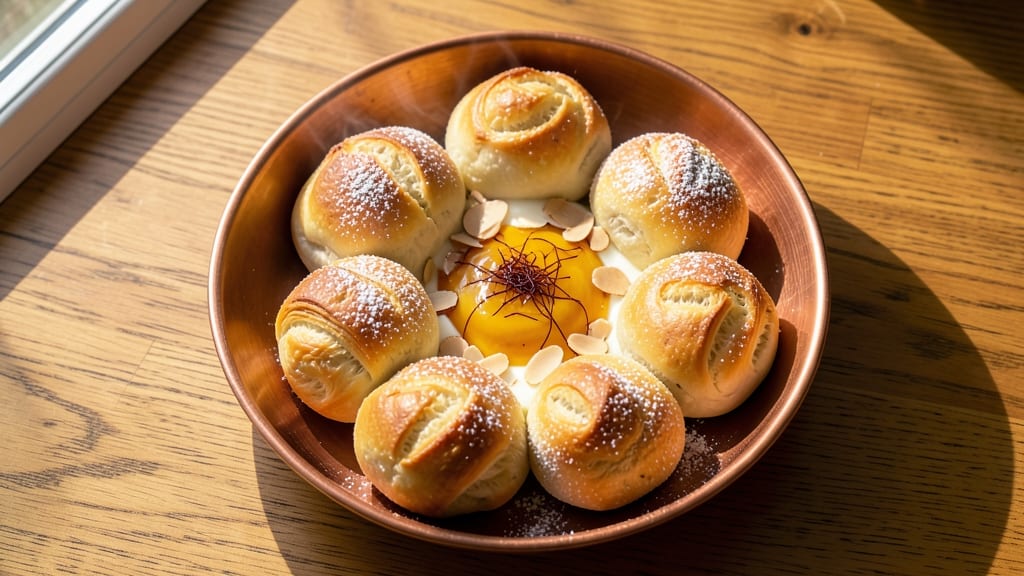
This saffranssmorbullar recipe brings the cozy warmth of Swedish fika tradition right to your kitchen table. The delicate saffron-infused custard filling and cardamom-spiced dough create pastries that are light as air yet rich with flavor—perfect for morning coffee or afternoon tea.
I first tasted these at a tiny café in Stockholm, where the aroma of saffron and cardamom filled the air like sunshine.
The magic happens in two parts: first, making a tender brioche-style dough infused with saffron milk, then wrapping it around a velvety custard that's been simmered with a pinch of cardamom.
It takes about 3 hours from start to finish, but most of that time is hands-off proofing—ideal for a lazy weekend morning. The saffron gives these pastries their signature golden hue and delicate floral aroma, while the cardamom adds warmth that lingers on your tongue.
By the time you pull them from the oven, you'll have golden, flaky pastries with a crisp exterior and a custard center that's perfectly set but still tender. Dust them with powdered sugar or serve with lingonberry jam for that classic Scandinavian touch.
These are the kind of pastries that make every coffee break feel special—whether you're sharing them with friends or treating yourself to a quiet moment of indulgence.
Pro tip: Infuse your saffron milk by gently heating whole saffron threads in warm milk for 10 minutes, then straining. This method extracts the maximum flavor without overpowering the delicate custard. Let's make these pastries that taste like a Swedish café!
Ingredients for saffranssmorbullar
Six pastries that taste like Swedish café magic—just eight simple ingredients.
| Ingredient | Amount | Notes |
|---|---|---|
| All-Purpose Flour 🌾 | 4 cups | Sifted for light texture |
| Unsalted Butter 🧈 | 1 cup | Cold, cubed for dough |
| Whole Milk 🥛 | 1 ¼ cups | Room temperature |
| Large Eggs 🥚 | 2 whole | Room temperature |
| Granulated Sugar 🍚 | ¼ cup | For dough sweetness |
| Active Dry Yeast 🍞 | 0.03 oz | 1 packet, 2¼ tsp |
| Ground Cardamom 🌿 | 1 tsp | Freshly ground preferred |
| Salt 🧂 | ½ tsp | Fine sea salt |
| Saffron Threads 🌼 | ¼ tsp | High-quality threads only |
| Powdered Sugar 🍚 | ½ cup | For dusting pastries |
| Heavy Cream 🥛 | 1 ½ cups | Full-fat for custard |
| Cornstarch 🌾 | 2 tbsp | For custard thickening |
| Vanilla Extract 🌸 | 1 tsp | Pure vanilla preferred |
| Lemon Zest 🍋 | 1 tsp | Freshly grated |
The saffron is non-negotiable here. Penzeys or Kalustyan's sell the best threads—look for deep red, vibrant strands. A little goes a long way, so don't skimp. For the cardamom, Whole Foods bulk section has the freshest ground version, but the tiny pods work too if you toast and grind them. The butter should be cold when you cube it—Plugrá or Land O'Lakes Signature are my go-tos. Store your flour in the freezer if you live in a humid climate, or it'll get gummy. The yeast? Check the expiration date—it needs to be fresh for that perfect rise.
No saffron? Turmeric at half the amount gives color but won't taste the same. Short on cardamom? Cinnamon plus a pinch of nutmeg mimics the warmth. The custard can use half-and-half instead of heavy cream, but it won't be as rich. For the lemon zest, organic lemons have more flavor—Trader Joe's or local farmers markets are great sources. The powdered sugar is just for dusting, so Domino or C&H brands work fine. Want to make these ahead? Shape the pastries and freeze them—bake straight from frozen, adding 5-7 minutes to the time.
These keep for 2 days at room temperature in an airtight container, but honestly they're best fresh. The custard center sets as it cools, so don't refrigerate until fully cooled or it'll get grainy. I like to wrap them in parchment paper and store in a cool, dark place if making them a day ahead. Freeze any leftovers for up to 3 months—thaw overnight in the fridge before reheating. The aroma alone will wake you up in the morning.
Why You'll Love This Recipe
- No Butter Waste: I always melt the leftover butter from my morning toast into the dough—no extra shopping, just pure efficiency. That rich, golden saffron butter folds into the pastry, making every bite taste like a little treat.
- Saffron Magic: One tiny pinch of saffron threads transforms this into something extraordinary. It’s not just flavor—it’s that warm, floral aroma that lingers, turning a simple breakfast into something special.
- Breakfast or Dessert: Same dough, endless possibilities. Serve it plain with jam for a cozy morning, or drizzle with melted chocolate and a sprinkle of sugar for an after-dinner indulgence. My kids don’t even notice the difference.
- Dough Stays Fresh: The butter keeps these soft for days, even at room temperature. I’ll make a batch on Sunday, wrap them in a towel, and they’re still pillowy by Thursday—no reheating, no fuss, just perfect every time.
Step-by-step instructions for saffranssmorbullar
Here's how to create these delicate Scandinavian pastries with a fragrant saffron-cardamom filling.
Prepare the Dough with Saffron and Cardamom
In a small bowl, dissolve the 0.025 oz active dry yeast in the 1.25 cups whole milk with 0.25 cup granulated sugar. Let it sit for 5-10 minutes until frothy—this activates the yeast and creates a light, airy base for your dough. The sugar helps feed the yeast while adding subtle sweetness.
In a large bowl, whisk together the 4 cups all-purpose flour, 1 tsp ground cardamom, 0.5 tsp salt, and 0.25 tsp saffron threads. The saffron should be finely crumbled between your fingers to release its vibrant color and delicate aroma. Create a well in the center and pour in the yeast mixture along with the 1 cup unsalted butter (cold, cubed).
Knead and Rest the Dough
Using a wooden spoon or dough whisk, gradually incorporate the ingredients until a shaggy dough forms. Then turn it out onto a lightly floured surface and knead for 8-10 minutes until smooth and elastic. The dough should be slightly tacky but not sticky—add more flour 1 tablespoon at a time if needed. You'll know it's ready when it springs back slowly when pressed.
Shape the dough into a ball, place it in a lightly greased bowl, and cover with a damp towel. Let it rise in a warm place for 1-1.5 hours until doubled in size. A good test is to gently press your finger into the dough—if it leaves a slight indentation that doesn't spring back immediately, it's ready. This resting period develops the gluten structure and allows the saffron-cardamom flavor to infuse throughout.
Make the Lemon-Cardamom Custard Filling
In a medium saucepan, combine the 1.5 cups heavy cream, 1 tsp vanilla extract, and 1 tsp lemon zest. Bring to a gentle simmer over medium heat, then whisk in the 2 tbsp cornstarch to create a smooth paste. Cook for 3-4 minutes, stirring constantly, until the mixture thickens enough to coat the back of a spoon—it should resemble thick pudding.
Remove from heat and let cool completely. The custard should thicken further as it cools, creating a luxurious, velvety texture perfect for filling the pastries. Once cooled, cover and refrigerate until ready to use. This custard forms the heart of your saffranssmorbullar, balancing the warm spices with bright citrus notes.
Roll and Assemble the Pastries
Punch down the risen dough and divide it into 6 equal pieces (about 6 oz each). On a lightly floured surface, roll each piece into a 6-inch circle, about ⅛-inch thick. Keep the remaining pieces covered with a damp towel to prevent drying. The circles should be even—this ensures consistent baking and presentation.
Place 1-2 tablespoons of the custard filling in the center of each circle. Fold the dough over the filling to form a half-moon shape, then seal the edges by pinching gently with your fingers. Place the assembled pastries on a parchment-lined baking sheet, seam-side down. The custard should be visible through the top layer of dough, promising a burst of flavor with every bite.
Bake to Golden Perfection
Preheat your oven to 375°F. Brush the tops of the pastries with a lightly beaten egg (use 1 egg, beaten with 1 tablespoon water) for a golden finish. Sprinkle generously with 0.5 cup powdered sugar for that signature Scandinavian look. Bake for 20-25 minutes until the pastries are golden brown and the filling is set but still slightly jiggly in the center.
Let the pastries cool on a wire rack for 10 minutes before serving. The exterior should be crisp and fragrant with saffron, while the interior custard remains creamy and aromatic. Serve warm with a dusting of additional powdered sugar and a cup of strong coffee or tea—this is the perfect way to experience the comforting flavors of Scandinavia.
Pro Tips For Making Saffranssmorbullar
- Chill the Dough: After mixing, let the dough rest in the fridge for at least 30 minutes—yes, even if you’re eager to roll. I learned this the hard way when my first batch turned out sticky and uneven. Cold dough handles better, rolls cleaner, and gives you those crisp, golden layers.
- Whisk the Milk: Warm the whole milk to body temperature (about 100°F) before mixing it into the dough. Cold milk makes the butter seize up, and you’ll end up with lumps instead of a smooth, flaky texture. Trust me, your future self will notice the difference.
- Don’t Overwork the Dough: Handle the dough just enough to combine—overmixing develops gluten and turns your saffron buns into tough, chewy bricks. Stop when it’s just cohesive, not stretchy. This isn’t pizza dough; less is more.
- Use Room-Temp Butter: Take the butter out of the fridge 1-2 hours before mixing—it should be soft but not melted. Cold butter creates pockets of air, but melted butter dissolves into the dough, killing the flakiness. Aim for a texture like "slightly squishy clay."
Regional styles of this recipe
Swedish Café Tradition
These pastries originated in Sweden as a centerpiece of fika, the beloved Scandinavian coffee break tradition. In Stockholm cafés, they're served with strong Kopp kaffe and buttery Vete bröd—a moment of warmth and connection.
I remember the first time I tried them at a tiny bakery in Gamla Stan, where the aroma of saffron and cardamom filled the air like golden sunlight. The Swedes take their pastries seriously, and this recipe captures that same care and attention to detail. 🌟
Norwegian Variations
Across the border in Norway, you'll find kanelsnegl (cinnamon snails) as a close cousin, but with cinnamon replacing cardamom. For a Norwegian twist, swap the 1 tsp ground cardamom for 1 tsp cinnamon plus ¼ tsp nutmeg in both dough and custard.
The Norwegians also love topping their pastries with powdered sugar mixed with a pinch of cinnamon—just sprinkle ½ tsp cinnamon into the ½ cup powdered sugar before dusting. The flavor profile becomes cozier and more earthy, perfect for chilly coastal climates.
Danish Butter Variations
In Denmark, butter plays an even bigger role—expect richer doughs with higher butter content. For a Danish-inspired version, increase the butter to 1¼ cups and reduce the milk to 1 cup.
The Danes also love adding ½ tsp vanilla bean paste to the dough alongside the saffron for extra depth. Their version often includes a light dusting of pearl sugar on top before baking, which adds a delicate crunch.
I've found that Danish bakeries often serve these with applesauce instead of jam, adding a fruity contrast to the buttery richness.
Finnish Spiced Twist
The Finns bring their signature mustikkapohja (blueberry) flavor to these pastries by adding ½ cup blueberry jam to the custard filling. They also incorporate ½ tsp ground allspice into the dough for a warm, slightly peppery note that pairs beautifully with the saffron.
For an authentic Finnish touch, serve with lingonberry jam on the side—its tartness cuts through the richness perfectly. The Finns often bake these slightly smaller, about 4-inch circles, making them perfect for sharing.
Modern American Adaptations
In American bakeries, you'll often see these pastries with a maple-glazed finish instead of powdered sugar. For a modern twist, replace the powdered sugar with a maple syrup glaze—mix ¼ cup maple syrup with 1 tbsp heavy cream and brush it on before baking.
Americans also love adding chopped walnuts or pecans to the custard filling for texture. I've experimented with a bourbon-infused custard (add ½ tsp bourbon to the cream) that adds a surprising depth of flavor—perfect for a special brunch gathering.
Seasonal Scandinavian Adjustments
In Sweden, these pastries are traditionally enjoyed year-round, but each season brings its own twist. For summer, add 1 tbsp raspberry jam to the custard filling for a fruity brightness. In autumn, incorporate ½ tsp pumpkin pie spice into the dough alongside the cardamom.
During winter, Swedes often serve them with hot mulled wine instead of coffee, and sometimes add a pinch of orange zest to the custard for a festive touch. The key is to keep the saffron and cardamom as the stars—they're what make these pastries uniquely Scandinavian. ✨
Nutrition facts
Frequently asked questions
Can I make these saffron pastries without saffron?
You can substitute ½ teaspoon turmeric for the saffron, but the flavor will be completely different. Turmeric gives color but lacks saffron's delicate floral aroma. For a closer alternative, try ½ teaspoon annatto powder (for color) plus ¼ teaspoon vanilla extract (for depth), though nothing truly replaces saffron's unique taste. The golden hue is part of the charm, so consider using a tiny amount of saffron if possible—it's worth the cost for that special touch!
How do I know when the custard filling is done?
The custard is perfect when it coats the back of a spoon smoothly but still has a slight sheen—this means it's thickened but not dry. It should be warm but not hot when you test it. If it's too thin, cook for another 1-2 minutes while stirring constantly. If it thickens too much, whisk in 1 teaspoon milk or cream to loosen it. The custard will firm up more as it cools, so don't overcook it!
Can I make these ahead of time?
Shape the pastries and freeze them unbaked on a tray, then transfer to a sealed bag for up to 3 months. Bake straight from frozen, adding 5-7 extra minutes to the baking time. For freshness, assemble them the night before and refrigerate—bring to room temperature before baking. The flavors actually improve overnight as the saffron and cardamom meld together. Just don't refrigerate baked pastries until fully cooled or the custard may weep.
What's the best way to store leftovers?
Keep pastries in an airtight container at room temperature for up to 2 days, though they're best fresh. For longer storage, freeze them (up to 3 months) and reheat in a 350°F oven for 5-7 minutes to restore freshness. Avoid refrigerating baked pastries—the condensation can make the dough soggy. If you must refrigerate, wrap them tightly in plastic wrap and bring to room temperature before serving. The aroma alone will make your kitchen smell like a Swedish café!
Why did my pastries turn out dense instead of fluffy?
Dense pastries usually mean the yeast didn't activate properly or the dough wasn't kneaded enough. Make sure your yeast is fresh (test it by dissolving in warm milk—it should foam in 5 minutes). Also check that your oven isn't too hot (use an oven thermometer to confirm 375°F) and that you didn't overmix the dough. For extra fluffiness, try proofing the dough in a warm place (like a turned-off oven with a bowl of hot water) rather than a cold kitchen. Patience is key—don't rush the rising time!