
Main Courses
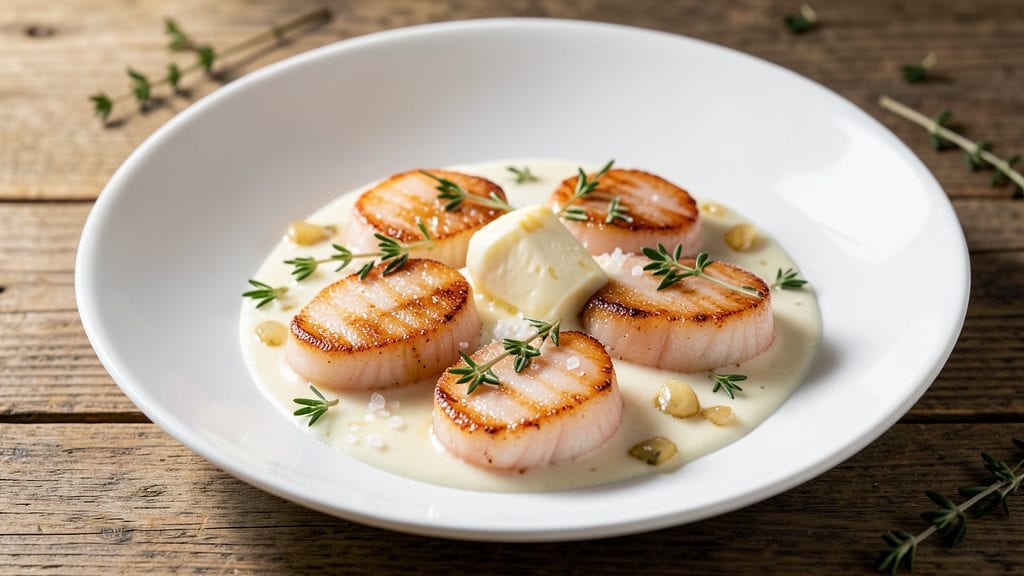
Poaching scallops in milk creates the most tender, velvety bites you’ll ever taste—no frying, no overcooking, just pure buttery perfection in just 15 minutes. 💛 I first tried this technique after my nonna mentioned how Italian fishermen used milk to keep scallops moist during long voyages, and it’s been a game-changer ever since.
The milk gently cooks the scallops, turning them into delicate, melt-in-your-mouth morsels while creating a rich, creamy sauce that’s impossible to resist.
What makes this recipe special is how effortless it is—just a few simple ingredients transform into a restaurant-worthy dish. You’ll need fresh scallops (pat them dry for the best texture), whole milk, butter, and a pinch of salt, plus optional add-ins like garlic or herbs for extra depth.
The key is keeping the milk at a gentle simmer so the scallops poach evenly without falling apart.
By the time you plate these scallops, you’ll have golden, buttery centers that stay perfectly tender, all nestled in a silky sauce that’s rich enough to coat every bite. Serve them with crusty toast to soak up the sauce or alongside roasted asparagus for a complete meal.
This dish proves you don’t need fancy techniques to create something truly special—just a little patience and the right ingredients.
Perfect for weeknight dinners or impressing guests, this recipe scales easily. The leftovers reheat beautifully, though I’ve never had any—it disappears faster than you can say "mangia!" Let’s get cooking!
Ingredients for scallops in milk
Five core ingredients transform into restaurant-worthy scallops—no fancy skills needed.
| Ingredient | Amount | Notes |
|---|---|---|
| Fresh Scallops 🦪 | 1 lb | Dry-pat for even cooking |
| Whole Milk 🥛 | 2 cups | Full-fat for creaminess |
| Unsalted Butter 🧈 | 4 tbsp | Cold, cut into pieces |
| Garlic Cloves 🧄 | 2 cloves | Minced, optional for depth |
| Fresh Thyme Leaves 🌿 | ¼ cup | Chopped, optional for aroma |
| Diamond Crystal Kosher Salt 🧂 | ½ tsp | Adjust to taste |
| Fresh Lemon Juice 🍋 | 1 tbsp | Brightens the sauce |
| Heavy Cream 🥛 | ¼ cup | Optional for richer sauce |
| Extra-Virgin Olive Oil 🫒 | 1 tbsp | For finishing drizzle |
| Crusty Bread 🍞 | 4 slices | For serving, optional |
The scallops are non-negotiable here. Dry-pat them thoroughly—this step is what keeps them tender. Grab the freshest you can find at Whole Foods or your local seafood counter, and look for ones that are firm to the touch with a glossy sheen. If you're using frozen, thaw them in the fridge overnight, but don't skip the patting dry. The milk should be whole milk—skim or almond milk won't give you that velvety texture. I always grab the organic kind at Trader Joe's when I'm doing this recipe, but regular supermarket milk works just fine. The butter? Cold and cubed is key—it melts slowly into the milk, creating that luxurious sauce without breaking the scallops.
No garlic or thyme? No problem. The base recipe is still delicious without them. If you're feeling adventurous, lemon zest instead of juice adds a bright pop, but fresh juice is what really cuts through the richness. Heavy cream optional, but trust me on the full-fat version—it makes the sauce sing. Short on butter? Ghee works beautifully, though it'll have a slightly different flavor profile. The lemon juice can be bottled, but freshly squeezed makes a world of difference. If you're serving this to guests, I'd recommend prepping the scallops and sauce separately so you can plate them just before serving—keeps them looking their best.
This dish reheats beautifully, though I've never had leftovers—it disappears too fast. Store the cooked scallops in the fridge for up to 2 days, but I'd recommend making it fresh if you can. The sauce can be reheated gently, but it's best served immediately. For a make-ahead option, poach the scallops, chill them in the milk mixture, then reheat everything together when ready to serve. The bread? Toast it fresh and keep it warm in a 200°F oven while you finish the scallops. That way, every bite is crispy and ready to soak up the sauce.
Why You'll Love This Recipe
- One-Pan Magic: I swear by this—just scallops, milk, butter, and garlic. No chopping, no frying, no mess. The milk poaches them perfectly while the butter infuses that golden richness.
- Creamy-Garlic Bliss: That first bite? The scallops stay tender with a velvety milk sauce, while the garlic and thyme add a bright, herby punch. It’s like a hug in a pan—simple but deeply satisfying.
- Weeknight to Date Night: Make it for yourself after a long day or impress someone special. The same easy method works for both. Honestly, it’s the kind of dish that feels fancy without trying too hard.
- Leftovers? Even Better: The sauce thickens beautifully when reheated, making it perfect for lunch the next day. I’ll be real—my kids actually fight over the leftovers, and that’s saying something.
Step-by-step instructions for scallops in milk
Here's how to achieve melt-in-your-mouth scallops with a velvety milk sauce—simple, fast, and foolproof.
🍳 Step 1: Prepare the Scallops for Perfect Texture
Pat the 1 lb fresh scallops completely dry with paper towels—this is non-negotiable for even cooking. Remove the side muscle if still attached (it's tough) and discard. Arrange the scallops on a plate and season generously with 0.5 tsp diamond crystal kosher salt on both sides. Let them sit at room temperature for 10 minutes while you prepare the milk base.
Here's the thing—scallops cook in seconds, but they need that dry surface to develop a delicate crust. If you skip this step, you'll end up with rubbery centers. Trust me, the dry pat is worth the extra 30 seconds.
🍳 Step 2: Infuse the Milk with Butter and Aromatics
In a medium saucepan, combine 2 cups whole milk, 4 tbsp cold unsalted butter (cut into small pieces), 2 cloves minced garlic cloves, and 0.25 cup chopped fresh thyme leaves. Place over medium-low heat and warm gently, stirring occasionally, until the butter melts completely and the mixture reaches 160°F—this should take about 5 minutes.
Don't rush this step. You want the milk to heat slowly so it doesn't curdle. The butter should melt into a silky emulsion, and you'll smell that beautiful thyme-garlic aroma. If you see any skin forming on top, gently skim it off with a spoon—it's a sign the milk is getting too hot.
🔥 Step 3: Poach the Scallops to Perfect Tenderness
Carefully add the scallops to the warm milk mixture, working in batches if needed to avoid overcrowding. Poach for exactly 2-3 minutes—they're done when they're just opaque throughout and still slightly springy to the touch. Use a slotted spoon to transfer them to a plate as they finish.
This is the moment that matters: timing is everything. Overcook by even 30 seconds and they'll turn rubbery. Undercook and you'll have raw centers. The milk should be gently simmering but not rolling—if it's too hot, reduce the heat immediately. The scallops should float freely in the milk when done.
🥘 Step 4: Finish with Cream and Lemon Brightness
Return the saucepan with the milk to medium heat and stir in 0.25 cup heavy cream and 1 tbsp fresh lemon juice. Simmer gently for 1-2 minutes until the sauce thickens slightly and coats the back of a spoon. Taste and adjust seasoning with additional salt if needed.
Here's where it gets fun—the lemon juice cuts through the richness of the milk and butter, balancing the flavors perfectly. The sauce should be velvety, not heavy, with a subtle herbal brightness. If it's too thick, whisk in 1-2 tablespoons of water to reach your desired consistency.
🍽️ Step 5: Serve with Crisp Bread and Finishing Oil
Drizzle each serving of 4 slices crusty bread with 1 tbsp extra-virgin olive oil and toast lightly in a pan until golden. Plate the scallops with the milk sauce spooned over them, and serve immediately with the toasted bread.
Each bite should deliver tender, flaky scallops with a luxurious milk sauce that clings to every strand of bread. The contrast of crisp bread and silky scallops makes this dish truly special. Don't wait too long to serve—the scallops are at their best when piping hot.
Pro Tips For Making Scallops In Milk
- PAT THE DRY: Wipe scallops with a paper towel right before searing—milk clings to moisture, and you want that golden crust to form, not steam away. I learned this the hard way when my first batch turned out soggy instead of crisp.
- LOW AND SLOW MILK: Heat the milk gently over medium-low—you’re not making a sauce, you’re infusing flavor. After burning three batches, I finally figured out that a simmer (not a boil) keeps the milk from curdling and lets the thyme and garlic melt into it properly.
- GARLIC FIRST, NOT LAST: Bloom the minced garlic in butter for 30 seconds before adding milk—this builds a flavor base that doesn’t vanish when you toss in the scallops. Sounds obvious, but I’ve seen people skip it, and the difference is noticeable.
- STOP WHEN THEY’RE 85%: Pull scallops out of the milk when they’re just almost done—they’ll carry over cook and finish perfectly. Overcooking turns them rubbery, and no one wants that. (Yes, even if you’re impatient like me.)
Flavor customization for these flavors
Herb-Infused Variations
Swap the thyme for fresh tarragon or dill—both add an anise-like brightness that pairs beautifully with scallops. I once made this with ½ cup chopped chives and a splash of white wine in the milk, which gave it a delicate, almost French bistro vibe.
For a Mediterranean twist, add 1 tsp dried oregano and a pinch of red pepper flakes to the milk mixture before poaching. 🌿
Spicy Heat Twist
Brighten the sauce with 1 tsp chili crisp or ½ tsp gochujang>—just enough to add warmth without overpowering. I like to finish with a drizzle of sriracha-infused olive oil (mix 1 tbsp sriracha with 1 tbsp olive oil) for a smoky kick.
For a smoky depth, add ¼ tsp smoked paprika> to the milk while warming it. Balance the heat with an extra splash of lemon juice.
Creamy Wine Upgrade
Replace the heavy cream with ½ cup dry white wine> (like Sauvignon Blanc or Pinot Grigio)—simmer it with the milk to reduce slightly before adding the scallops. The acidity in the wine cuts through the richness, and the alcohol helps tenderize the scallops even more.
I’ve also used ¼ cup coconut cream> for a dairy-free version, though the texture becomes slightly lighter. 🍷
Umami Boost
Add depth with 1 tbsp fish sauce> or ½ tsp mushroom powder> to the milk mixture before poaching. For a vegetarian option, stir in 1 tsp nutritional yeast> after the scallops are cooked—it adds a cheesy, savory note.
I also love adding 1 clove roasted garlic> to the milk for a sweeter, caramelized flavor that complements the scallops perfectly.
Sweet-Savory Balance
Finish the sauce with 1 tsp honey> or ½ tsp maple syrup> to balance the richness. The sweetness highlights the natural sweetness of the scallops while keeping the dish elegant.
For a tropical touch, add ½ tsp grated ginger> and a pinch of cinnamon to the milk—it’s unexpected but works beautifully with the creamy texture. 🍯
Nutrition facts
Frequently asked questions
Why does poaching scallops in milk make them so tender?
The milk creates a gentle cooking environment that prevents the scallops from overcooking or developing a tough exterior. The proteins in the milk help tenderize the scallops while the slow, even heat keeps them perfectly moist. This method preserves their delicate texture better than frying or grilling ever could.
Can I use frozen scallops instead of fresh?
Yes, but thaw them properly first! Place frozen scallops in the refrigerator overnight, then pat them completely dry before cooking. Never thaw at room temperature, as this can lead to uneven cooking. The texture will be slightly less delicate than fresh, but still delicious when poached in milk.
What if my milk sauce curdles while cooking?
This happens when the milk gets too hot. Remove the pan from heat immediately and whisk in 1 tbsp cold butter or 1 tbsp heavy cream to stabilize it. For future attempts, keep the heat at medium-low and stir gently. The sauce should never boil—just simmer gently.
Are there vegetarian alternatives to this dish?
For a vegetarian version, use king oyster mushrooms or hearts of palm instead of scallops. They absorb the milk sauce beautifully and provide a similar texture. You can also make the sauce separately and serve it over roasted vegetables or polenta for a plant-based meal.
How do I store leftovers?
Store cooked scallops and sauce in an airtight container in the refrigerator for up to 2 days. Reheat gently in a saucepan over low heat, stirring constantly until warmed through. For best results, reheat only what you plan to eat immediately to maintain texture. The sauce reheats better than the scallops themselves.