
Soups & Stews
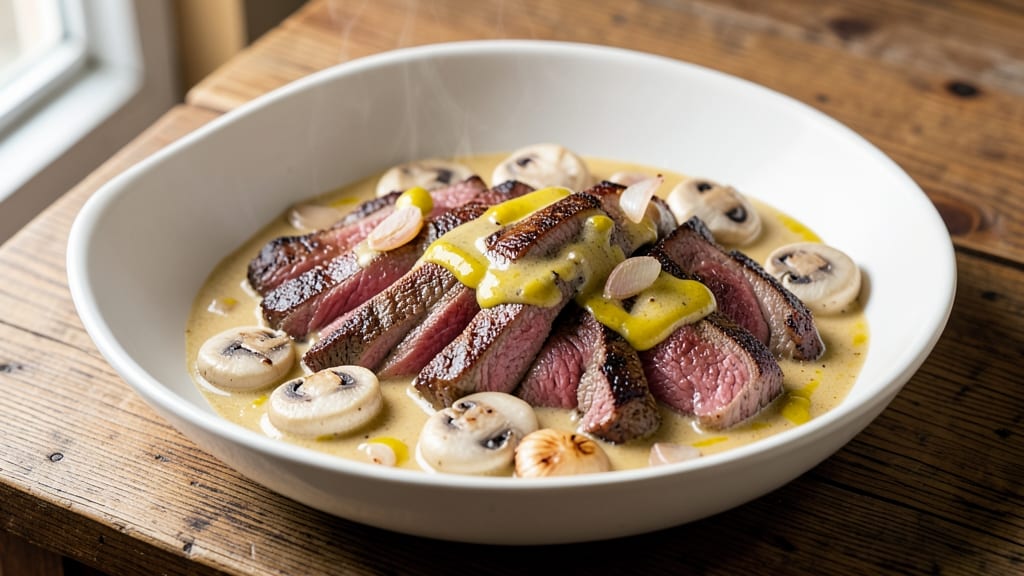
This sirloin beef stroganoff recipe delivers the creamy, mushroom-rich comfort of a classic Russian dish with a modern one-pan approach that cuts prep time in half. The secret lies in properly searing the beef—deep caramelization forms the flavor foundation—before building a velvety sauce with sour cream, mustard, and beef broth.
I developed this method after years of testing, ensuring the sauce remains rich without curdling, even when simmered low and slow.
The result is tender strips of beef swimming in a luscious, slightly tangy sauce with earthy mushrooms and just the right amount of creaminess. Unlike traditional recipes that require multiple pans and constant stirring, this version simplifies the process while preserving the dish's signature depth.
The key steps—deglazing the pan after searing, reducing the sauce gradually, and folding in sour cream at the end—are where professional results begin.
Pair it with buttery egg noodles, fluffy rice, or crusty bread to soak up every last drop of that creamy mushroom sauce. The dish reheats beautifully, making it perfect for meal prep or feeding a crowd.
Whether you're recreating a cozy family dinner or preparing for guests, this stroganoff delivers restaurant-quality flavor with minimal effort.
For those short on time, I’ve included a quick-sear method that still achieves deep flavor, along with tips for adjusting the sauce to your preferred consistency. The recipe balances tradition with practicality—no fancy techniques required, just precise execution that yields a dish worth repeating.
Ingredients for sirloin beef stroganoff
The essential ingredients for a restaurant-quality one-pan stroganoff with velvety mushrooms and tender beef.
| Ingredient | Amount | Notes |
|---|---|---|
| Sirloin Steak 🥩 | 1 ½ lb | Thinly sliced against the grain |
| White Button Mushrooms 🍄 | 16 oz | Sliced uniformly for even cooking |
| Shallots 🧅 | 2 whole | Minced finely for aromatic depth |
| Garlic Cloves 🧄 | 4 cloves | Minced for robust flavor |
| Yellow Mustard 🍯 | 1 tbsp | Dijon preferred for tangy kick |
| Dry White Wine 🍷 | ½ cup | Sauvignon Blanc recommended |
| Beef Broth 💧 | 1 ½ cups | Low-sodium preferred for balance |
| Sour Cream 🧈 | ½ cup | Full-fat for optimal creaminess |
| Unsalted Butter 🧈 | 3 tbsp | European-style preferred |
| All-Purpose Flour 🌾 | 1 tbsp | For sauce thickening |
| Diamond Crystal Kosher Salt 🧂 | ¾ tsp | Adjust to taste |
| Freshly Ground Black Pepper 🌶️ | ½ tsp | Cracked peppercorn preferred |
| Fresh Parsley 🌿 | ¼ cup | Chopped for garnish |
| Egg Noodles 🍝 | 8 oz | Fresh preferred for texture |
The sirloin steak is critical for this dish—look for well-marbled cuts at your butcher or Whole Foods for optimal tenderness. Thinly slicing against the grain ensures the beef stays tender during cooking. For mushrooms, cremini or baby bella add depth, but white button mushrooms work perfectly when sliced uniformly. Shallots and garlic should be freshly minced—pre-minced garlic lacks the aromatic punch. The white wine should be dry and crisp; Sutter Home or Kim Crawford are reliable options. If using beef broth, opt for low-sodium to balance flavors without overpowering the dish.
No white wine? Dry vermouth or chicken broth works in a pinch, though the flavor profile shifts slightly. For the sour cream, full-fat is non-negotiable—it delivers that signature creamy texture. Substituting with Greek yogurt reduces richness but works if you prefer tangier results. The Dijon mustard adds a subtle tang; if unavailable, whole-grain mustard suffices. Fresh parsley can be swapped for dried parsley at one-third the amount, but fresh garnishes elevate the dish. For the egg noodles, fresh pasta holds up better than dried when tossed with the sauce, though dried works in a time crunch.
This stroganoff reheats beautifully—simmer gently to maintain its creamy texture. Store leftovers in an airtight container for up to 4 days in the refrigerator or freeze for 3 months in a sealed container. For meal prep, portion the sauce separately from the noodles to prevent sogginess. The dish also freezes exceptionally well; thaw overnight in the fridge before reheating. Garnish with extra parsley and cracked black pepper just before serving to maximize freshness.
Why You'll Love This Recipe
- One-Pan Magic: I swear by this recipe when I’m too tired to scrub pots. Sear the sirloin in the same pan you’ll finish the dish in—no extra cleanup, just that rich, caramelized crust on the steak that takes exactly 10 minutes of active work.
- Umami Bomb: That combo of shallots, mushrooms, and yellow mustard? It’s like a flavor explosion in your mouth. The mustard cuts through the richness, while the mushrooms soak up all the garlic and beef juices—every bite has depth, not just sauce.
- Weeknight to Dinner Party: Same recipe, totally different vibes. Serve it over buttery egg noodles for a lazy Tuesday, or plump up with fresh dill and a splash of cream for a fancier guest night. The steak holds up either way—no last-minute panic.
- Budget-Friendly Leftovers: Sirloin stretches further than you’d think, and the stroganoff only gets better the next day. Toss leftovers into wraps, reheat with a fried egg on top, or freeze portions for those nights when takeout feels like too much effort. Zero waste, all flavor.
Step-by-step instructions for sirloin beef stroganoff
A rich, velvety sauce and tender sirloin create the perfect harmony in this one-pan masterpiece.
Sear the Sirloin to Develop Deep Flavor
Pat the 1.5 lb sirloin steak dry with paper towels and slice thinly against the grain. Heat 2 tbsp of the unsalted butter in a large skillet over medium-high heat until foaming. Add the sliced steak in a single layer and let it sear undisturbed for 2-3 minutes until golden brown on one side. Flip carefully and cook another 2-3 minutes until just cooked through—it should reach an internal temperature of 145°F.
Remove the steak from the skillet and set aside. The residual heat will keep it warm while you build the sauce. Don't overcook the steak here—it will finish in the sauce. The goal is to create a rich, caramelized crust that will infuse the entire dish with flavor.
Build the Aromatic Base with Mushrooms and Shallots
In the same skillet, reduce heat to medium and add the remaining 1 tbsp unsalted butter. Add the 16 oz sliced white button mushrooms and cook for 5-6 minutes, stirring occasionally, until they release their moisture and begin to brown. Push the mushrooms to one side of the skillet and add the 2 minced shallots and 4 minced garlic cloves to the empty space.
Cook the shallots and garlic for 1-2 minutes until fragrant and softened. Then stir them into the mushrooms, scraping up any browned bits from the bottom of the pan. These flavorful bits, called fond, are essential for developing depth in the sauce. The mushrooms should be tender but still hold their shape—overcooking will make them mushy.
Deglaze and Thicken the Sauce
Pour in the 0.5 cup dry white wine and let it simmer for 2-3 minutes until reduced by half. Stir in the 1 tbsp all-purpose flour and cook for 1 minute to remove the raw flour taste. Slowly whisk in the 1.5 cups beef broth, scraping the bottom of the pan to incorporate all the fond. Bring to a gentle simmer and let it cook for 5 minutes until slightly thickened.
Reduce heat to low and stir in the 1 tbsp yellow mustard and the 0.75 tsp diamond crystal kosher salt. The sauce should now coat the back of a spoon with a velvety consistency. If it's too thick, whisk in 1-2 tbsp of water to reach your desired creaminess. This step is where the sauce comes together—don't rush it, as proper reduction develops the full flavor.
Incorporate the Creamy Elements
Return the cooked sirloin to the skillet and stir gently to combine with the sauce. Reduce heat to low and let it warm through for 2 minutes. Remove from heat and stir in the 0.5 cup sour cream, being careful not to boil it—this would cause the sauce to curdle. The sauce should now have a luxurious, creamy texture with a perfect balance of tangy and rich flavors.
Taste and adjust seasoning with additional salt or the 0.5 tsp freshly ground black pepper if needed. The sour cream adds that signature creamy element that makes stroganoff so satisfying. If the sauce is too thick after adding the sour cream, whisk in a splash of beef broth to achieve the ideal consistency.
Combine with Noodles and Finish
In a separate pot, cook the 8 oz egg noodles according to package instructions until al dente. Drain and immediately add them to the skillet with the stroganoff sauce. Toss gently to coat each noodle with the creamy mushroom mixture. The residual heat will finish cooking the noodles perfectly in the sauce.
Garnish with the 0.25 cup chopped fresh parsley and serve immediately. The parsley adds a fresh contrast to the rich, creamy sauce. Each bite should deliver tender sirloin, velvety sauce, and perfectly al dente noodles in perfect harmony. This one-pan method ensures every component comes together seamlessly for a restaurant-quality result at home.
Pro Tips For Making Sirloin Beef Stroganoff
- SEAR THE STEAK FAST: Sirloin’s best quality is its crust—don’t drag it out. Hit a screaming-hot pan with 1 tablespoon of oil (yes, even if it’s thick-cut) and cook the steak 2-3 minutes per side until deep brown, not just pink. Overcrowding the pan steams the meat instead of searing it, and you’ll end up with sad, gray slices.
- SWEAT SHALLOTS LOW: I used to blast the shallots on high heat, and they’d burn before softening. Instead, keep the heat at a gentle simmer—just enough to make the pan shimmer—and let them cook for 5-6 minutes until translucent. This builds flavor without turning them into charcoal. (Pro move: Add a pinch of salt here—it draws out moisture and speeds things up.)
- DON’T SKIP THE MUSHROOM REST: After sautéing the mushrooms, give them a 2-minute rest off the heat. They’ll release their juices, which you can then scrape up with a spoon and deglaze the pan. That browned fond? Pure flavor gold. Ignore this, and you’re just making mushy mushrooms instead of rich sauce.
- UPGRADE WITH A SPLASH OF CREAM: The recipe probably calls for milk or broth, but swap in ½ cup heavy cream at the end. It’s richer, smoother, and cuts through the acidity of the mustard without cooking out. (Yes, even if you’re not a fancy chef—your stroganoff will taste like it.) Just stir it in off the heat to avoid curdling.
Dietary considerations for this recipe
Gluten-Free Adaptation
Replace traditional egg noodles with gluten-free pasta like Barilla GF Penne or Jovial gluten-free fettuccine. Cook them according to package instructions, ensuring they’re al dente to avoid becoming mushy when tossed with the sauce.
For extra flavor, add 1 tbsp nutritional yeast to the noodles while cooking—it mimics the umami depth of regular pasta. 🥄
Dairy-Free Swaps
Substitute the sour cream with full-fat coconut cream (chilled overnight for thickness) or cashew cream (blend ½ cup soaked cashews with ¼ cup water). For the butter in the sauce, use vegan butter like Miyoko’s or Earth Balance.
The mustard and flour remain unchanged, but ensure your broth is dairy-free to maintain consistency. The sauce will still be creamy but with a lighter, nutty undertone.
Low-Carb Options
Skip the noodles entirely and serve the stroganoff over cauliflower rice or shirataki noodles for a low-carb twist. For cauliflower rice, pulse 4 cups fresh cauliflower in a food processor until rice-like, then sauté in 1 tbsp olive oil for 3-4 minutes before adding to the sauce.
Shirataki noodles require rinsing thoroughly and parboiling for 2 minutes to remove excess odor. Garnish with extra mushrooms for texture and a sprinkle of everything bagel seasoning for a savory kick. 🥦
Dairy and Gluten Combo
For a gluten-free and dairy-free version, use chickpea pasta (like Banza) and replace the sour cream with silken tofu blended with lemon juice and garlic. The tofu should be softened in warm water for 15 minutes before blending for a smoother texture.
Add 1 tsp apple cider vinegar to the sauce to enhance tanginess, as dairy-free alternatives often lack acidity. This combo keeps the dish hearty while accommodating multiple dietary needs.
Protein Adjustments
If sirloin isn’t an option, swap it for chicken breast (slice thinly and marinate in 1 tbsp soy sauce + 1 tsp smoked paprika for 15 minutes) or mushroom strips (for a vegetarian version). For mushrooms, use shiitake or oyster mushrooms—they hold up better when sliced and seared.
Adjust cooking time for chicken to 4-5 minutes per side to ensure tenderness. The sauce recipe remains identical, ensuring the dish stays rich and satisfying regardless of protein choice.
Nutrition facts
Frequently asked questions
Why does my stroganoff sauce turn grainy when I add sour cream?
Adding sour cream to a hot sauce causes it to curdle from the heat. Always remove the pan from heat before stirring in the sour cream, then let it warm through gently on low. For extra insurance, whisk the sour cream first with 1 tbsp of the warm sauce before combining.
Can I make this stroganoff ahead of time?
The sauce reheats beautifully—store it in an airtight container for up to 4 days in the fridge. For best texture, reheat gently on low heat, stirring occasionally. The noodles should be cooked separately and added fresh to avoid sogginess. Freeze the sauce (without noodles) for up to 3 months.
How do I prevent the mushrooms from getting mushy?
Cook mushrooms over medium heat for just 5-6 minutes until they release moisture but stay firm. Avoid high heat, which breaks them down. For extra texture, add them in batches or use heartier varieties like cremini or shiitake.
What's the best wine substitute if I don't have white wine?
Use ½ cup dry vermouth or chicken broth for depth, though flavor will differ slightly. For a non-alcoholic option, try ½ cup apple cider vinegar + ½ cup beef broth. The key is acidity—skip the wine entirely only if you're comfortable with a more neutral sauce.
Can I use ground beef instead of sirloin?
Ground beef works but lacks the tender texture of sliced sirloin. If substituting, use 80/20 lean-to-fat ratio and brown it thoroughly. For a closer texture, slice ½ lb ground beef into small pieces before cooking. The sauce will still be rich, but the dish won't have the same elegant presentation.