
Main Courses
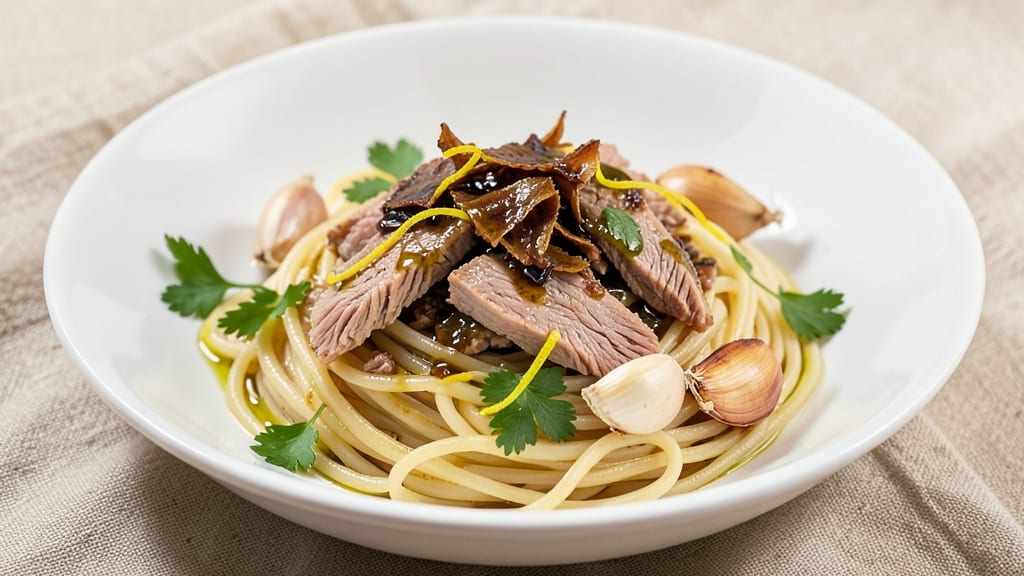
Transforming smoked canned tuna into a smoky umami pasta dish proves how simple ingredients can deliver restaurant-quality results. I first created this recipe during a particularly busy week when I needed a meal that came together in under 30 minutes—no fancy techniques required.
The secret lies in flaking the tuna properly and balancing its rich, smoky flavor with bright, acidic components like lemon and capers.
This dish relies entirely on pantry staples: high-quality pasta, canned tuna, olive oil, garlic, and a few fresh herbs. The smoky depth of the tuna pairs perfectly with the creamy texture of the sauce, while lemon zest and red pepper flakes add a bright, complex finish.
It's the kind of meal that feels indulgent but requires minimal effort—a true weeknight game-changer.
By the time you twirl that first forkful, you'll taste layers of flavor: the tender flakes of tuna, the garlicky richness of the olive oil, and the bright pop of lemon.
The pasta absorbs the sauce beautifully, leaving you with a dish that's both satisfying and elegant. Serve with a simple side salad or crusty bread to complete the meal.
What makes this recipe particularly versatile is how it adapts to what you have on hand. Swap in different herbs, add a splash of white wine to the sauce, or toss in roasted cherry tomatoes for extra depth.
The possibilities are endless, but the foundation remains foolproof—perfect for anyone looking to elevate simple ingredients into something extraordinary.
Ingredients for smoked canned tuna
Pantry staples meet smoky umami magic—just twelve ingredients for a restaurant-worthy pasta.
| Ingredient | Amount | Notes |
|---|---|---|
| Smoked Canned Tuna in Olive Oil 🐟 | 2 cans | High-quality brand preferred |
| Spaghetti 🍝 | 12 oz | High-quality dried pasta |
| Extra-Virgin Olive Oil 🫒 | ½ cup | For sauce and flaking tuna |
| Garlic Cloves 🧄 | 4 cloves | Freshly minced for flavor |
| Lemon Zest 🍋 | 1 tbsp | Brightens the dish |
| Lemon Juice 🍋 | 2 tbsp | Freshly squeezed |
| Capers 🫒 | 2 tbsp | Briny depth of flavor |
| Red Pepper Flakes 🌶️ | ½ tsp | Adjust for heat preference |
| Fresh Parsley 🌿 | ¼ cup | Chopped for garnish |
| Salt 🧂 | 1 ½ tsp | Kosher or sea salt |
| Black Pepper 🌶️ | ½ tsp | Freshly ground preferred |
| White Wine (optional) 🍷 | ¼ cup | Dry variety for sauce |
| Cherry Tomatoes (optional) 🍅 | 1 cup | Halved for extra depth |
The tuna makes this dish sing, so pick a high-quality brand—avoid the cheapest cans with murky oil. Wild Planet or Starkist Premium are my go-tos, but any smoked tuna in olive oil works. Fresh garlic is non-negotiable here (the good stuff, not the pre-minced kind), and the lemon needs to be bright—squeeze it fresh. Capers? Grab them in the olive bar section of your grocery store—they keep for months in oil. Red pepper flakes are the secret weapon for heat balance, so don't skip them unless you're sensitive to spice. For the pasta, De Cecco or Barilla are my pantry staples—they cook perfectly every time.
No capers? Substitute with 1 tbsp of brined artichoke hearts or a pinch of fish sauce (trust me on this). Short on lemon? White wine vinegar at half the amount works in a pinch. No fresh parsley? Dried parsley at one-third the quantity is fine, but fresh is better. The white wine is totally optional, but if you've got it open, use it—Sauvignon Blanc or Pinot Grigio pair beautifully. Cherry tomatoes add a sweet contrast, but they're not required. The key is balancing the smoky tuna with something bright and acidic—lemon, wine, or vinegar all work.
This sauce keeps for 3-4 days in the fridge, but it's best fresh. Pasta reheats beautifully—just add a splash of water and stir. The tuna sauce freezes well for up to 3 months, so make extra if you're planning ahead. I always double the sauce and portion it into containers for quick lunches. The leftovers taste even better the next day—all that smoky flavor has time to meld. Store the pasta separately and toss it with sauce when ready to eat.
Why You'll Love This Recipe
- No Chopping Needed: The smoked tuna’s already flaked and ready to go—I just drain it, toss it with garlic and olive oil, and let the lemon zest work its magic. Four ingredients, zero fuss, and you’re done before the pasta even boils.
- Rich Without the Effort: That olive oil-packed tuna? It’s like a shortcut to restaurant-quality richness. The garlic sizzles in the same oil you’ll finish the dish with, and the lemon zest cuts through the smokiness—simple, but ridiculously flavorful.
- Lunch or Dinner Fix: Make it for a quick lunch with crusty bread, or stretch it into a full dinner by adding a side salad. Honestly, I’ve served this to coworkers at 11 AM and to my in-laws at 7 PM—no one bats an eye.
- Leftovers That Don’t Suck: Unlike takeout, this tastes better the next day. The pasta holds up, the tuna stays tender, and I’ve reheated portions straight from the fridge for packed lunches—zero sad, mushy textures. Budget-friendly? Absolutely.
Step-by-step instructions for smoky umami pasta with pantry staples
This dish comes together faster than you'd think—just 15 minutes of hands-on work.
Cook the Spaghetti Al Dente
Bring a large pot of water to a rolling boil and add 1.5 teaspoons salt—it should taste like the ocean. Add the 12 oz spaghetti and cook according to package instructions until 1 minute before al dente. This timing is crucial because the pasta will finish cooking in the sauce.
Reserve 1 cup pasta water before draining—this starchy liquid is the secret to a silky sauce. Don't rinse the pasta; the surface starch helps the sauce cling beautifully. Drain and set aside, keeping the pot warm for the next step.
Flake the Tuna and Build the Sauce Base
Open the 2 cans smoked canned tuna in olive oil and drain most of the oil, leaving just enough to coat the tuna. Using your fingers or a fork, gently flake the tuna into a large bowl. The oil from the can helps create an instant emulsion with the other ingredients.
Add the ½ cup extra-virgin olive oil, 4 cloves minced garlic cloves, 1 tablespoon lemon zest, 2 tablespoons lemon juice, 2 tablespoons capers, ½ teaspoon red pepper flakes, 1.5 teaspoons salt, and ½ teaspoon black pepper to the bowl. Stir everything together until fully combined. The lemon brightens the smoky tuna, while the capers and red pepper flakes add layers of flavor.
Incorporate Optional Ingredients and Wine
If using, add the ½ cup white wine and 1 cup halved cherry tomatoes to the tuna mixture. Stir well and let sit for 2-3 minutes to allow the flavors to meld. This step is optional but adds complexity—especially if you want a touch of acidity and freshness. Skip it if you prefer a more straightforward umami profile.
While the tuna marinates, heat the reserved pasta water in the empty pot over medium heat until it's steaming. This warm water will help emulsify the sauce in the next step.
Combine Pasta and Sauce
Add the drained spaghetti to the tuna mixture and toss gently but thoroughly to coat every strand. The pasta should absorb the olive oil and flavors quickly. If the sauce seems too thick, add ¼ cup of the reserved pasta water at a time until it reaches your desired consistency—it should coat the back of a spoon but still be light enough to drizzle.
Taste and adjust seasoning if needed. The dish should balance smoky, briny, and bright flavors. If it needs more acidity, add a splash of lemon juice. For extra heat, sprinkle in more red pepper flakes.
Finish and Serve Immediately
Transfer the pasta to serving plates and garnish with ¼ cup chopped fresh parsley. The parsley adds a fresh finish that cuts through the richness of the tuna and olive oil. Serve immediately while the pasta is hot and the sauce is silky.
This dish is best enjoyed right away, but if you must wait, cover loosely with foil to keep it warm. The flavors only deepen as they sit, so don't hesitate to make extra—it reheats beautifully with a splash of water or olive oil.
Pro Tips For Making Smoked Canned Tuna
- Drain the Tuna Wrong: Open the can and pour the oil into a small bowl—keep it. The tuna’s flavor lives in that liquid, and dumping it down the sink is like throwing away the soul of the dish. Use that oil later for drizzling or even cooking the garlic.
- Cook Garlic Low and Slow: I used to blast mine until it turned bitter. For this recipe, keep the heat at a simmer—just enough to make the cloves sizzle gently. Three minutes max, or you’ll end up with a burnt sacrifice instead of fragrant gold.
- Reserve Some Pasta Water: Don’t drain the spaghetti completely. Keep a splash of starchy water in the pot—it’s the glue that binds the sauce to the noodles. A tablespoon or two will make your dish cling together like it’s supposed to.
- Zest Before Juicing: Lemon zest is the bright star here, but if you juice the lemon first, you’ll dilute its punch. Use a fine grater and only the outer layer—no pith, no bitterness. A teaspoon is enough; more turns your dish into a science experiment.
Storing and reheating this dish
Fridge Storage Secrets
This smoky umami pasta keeps beautifully in the fridge for 3-4 days if stored properly. I always let it cool completely before transferring to an airtight glass container—I prefer Pyrex with snap-on lids because they seal tightly and stack neatly.
The sauce actually improves overnight as the flavors meld, so I often double the batch and portion it into containers for quick lunches. 💡
Freezer-Friendly Sauce
The sauce component freezes exceptionally well for up to 3 months without losing its silky texture. After cooking, let it cool completely, then portion it into quart-sized freezer bags (I use Stasher bags for easy reheating).
Squeeze out excess air to prevent freezer burn, and label with the date. When ready to eat, thaw overnight in the fridge and reheat gently with a splash of water or olive oil.
Reheating Like a Pro
For the best results, reheat the sauce separately from the pasta. Warm the sauce in a saucepan over medium-low heat with 2 tablespoons water or pasta water until steaming. Toss the pasta in the sauce for just 1-2 minutes—this prevents it from becoming mushy.
I find the stovetop method preserves the sauce's silky texture better than the microwave. For extra richness, add a drizzle of extra-virgin olive oil while reheating. 🔥
Make-Ahead Tuna Sauce
If you're short on time, make the tuna sauce up to 2 days ahead and store it in the fridge. The flavors develop beautifully, and you can quickly toss it with freshly cooked pasta when ready to serve.
I like to prep the sauce on Sunday so it's ready for busy weeknights. Just remember to reserve some pasta water before cooking to help adjust the consistency when reheating. The sauce thickens slightly when chilled, so you may need a splash of water when reheating.
Pasta Reheating Tips
If you're reheating just the pasta (without sauce), spread it on a baking sheet and warm it in a 350°F oven for 5-7 minutes to prevent sogginess. For microwave reheating, cover the pasta with a damp paper towel and heat in 30-second intervals, stirring between each.
The key is to avoid steaming, which makes pasta gummy. I've found that adding a pinch of salt during reheating helps restore the flavor balance. 💫
Portion Control
When storing leftovers, divide the pasta and sauce into individual portions before freezing or refrigerating. This makes it easy to grab just what you need without thawing the entire batch. I use glass meal prep containers with compartmentalized sections to keep the sauce and pasta separate until ready to combine.
This also prevents the pasta from absorbing too much sauce and becoming soggy during storage. Label each container with the date to track freshness.
Nutrition facts
Frequently asked questions
Can I use regular canned tuna instead of smoked?
The smoky flavor is key to this dish—regular tuna won't provide the same depth. If you're out of smoked, try light tuna in olive oil and add a pinch of smoked paprika or liquid smoke to mimic the flavor, but it won't be identical. The smoky profile pairs beautifully with the bright lemon and capers, creating that perfect umami balance.
What's the best way to flake the tuna for even texture?
Use your fingers to gently separate the tuna into 1-inch flakes—don't overwork it or it'll turn to mush. The oil from the can helps create a silky sauce, so leave just enough to coat the flakes. If you prefer larger pieces, use a fork to break it into 2-inch chunks instead. The goal is tender, even flakes that melt into the pasta.
How can I make this dish spicier?
Double the red pepper flakes (to 1 teaspoon) and add a pinch of cayenne pepper. For extra heat, stir in 1 teaspoon of hot sauce (like Sriracha) when combining the sauce. If you love heat, try adding ½ teaspoon of crushed chili flakes along with the capers. The key is balancing the smoky tuna with bold, bright flavors.
Can I make this with other pasta shapes?
This sauce works beautifully with linguine, fettuccine, or even penne. For hollow pastas like rigatoni, reduce the sauce slightly to avoid a soggy texture. The sauce clings best to long, flat noodles, but any shape will work if you toss it well. Just adjust cooking times to ensure perfect al dente pasta.
Why did my sauce separate when reheating?
This happens when the sauce cools too quickly or lacks enough starch. Stir in 1 tablespoon of reserved pasta water or a splash of cold water while reheating to re-emulsify. For a smoother texture, add a pinch of cornstarch mixed with water and simmer for 1-2 minutes. The sauce should be silky, not broken. Always reheat gently on low heat to prevent separation.