
Main Courses
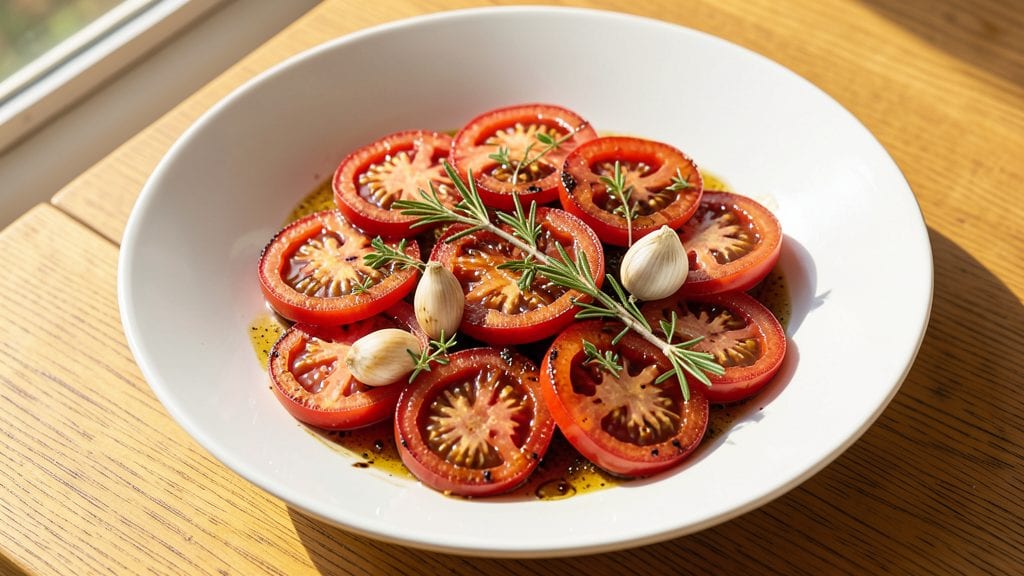
A spoon tomato recipe turns simple garden tomatoes into a velvety, one-pan roasted masterpiece that tastes like summer in every bite. I developed it after years of experimenting with ways to elevate simple tomatoes—no fancy techniques, just high heat and patient roasting to concentrate their natural sweetness.
The secret lies in the balance of garlic, herbs, and a touch of acidity that cuts through the richness, creating a dish that’s both comforting and sophisticated.
What makes this recipe special is its simplicity: just 30 minutes of hands-on time, one pan to clean, and ingredients you likely already have. The tomatoes caramelize beautifully, their juices reducing into a velvety sauce that clings to every bite.
I’ve tested this with different tomato varieties—vine-ripened, heirloom, even grocery-store gems—and it delivers restaurant-quality results every time. The garlic and herbs infuse deeply while roasting, adding layers of aroma that make your kitchen smell like a Mediterranean market.
By the end, you’ll have a dish that’s perfect for weeknight dinners or elegant gatherings—tender, jammy tomatoes with crisp edges and a sauce so rich it practically melts on your spoon.
Serve it alongside crusty bread for dipping, or pair it with grilled fish or crusty bread for a complete meal. The best part? Leftovers taste even better the next day as the flavors meld further. Let’s get cooking!
This recipe works beautifully with any ripe tomatoes, whether you’re using a single heirloom variety or a mix of colors. For extra depth, I recommend adding a splash of red wine or balsamic vinegar at the end—just enough to brighten the flavors without overpowering.
The method is forgiving enough for beginners but refined enough to impress seasoned cooks. Here’s everything you need to bring this dish to life.
Ingredients for spoon tomato
Simple garden tomatoes, bold garlic, and aromatic herbs transform into restaurant-quality spoon tomatoes.
| Ingredient | Amount | Notes |
|---|---|---|
| Medium Tomatoes 🍅 | 2 lbs | Heirloom or vine-ripened preferred |
| Garlic Cloves 🧄 | 6 cloves | Peeled, smashed for flavor |
| Fresh Rosemary 🌿 | ¼ cup | Chopped, stems removed |
| Fresh Thyme Leaves 🌿 | ¼ cup | Or 1 tbsp dried thyme |
| Extra-Virgin Olive Oil 🫒 | ½ cup | High quality, fruity |
| Red Wine Vinegar 🍷 | 2 tbsp | For brightness |
| Sea Salt 🧂 | 1 ½ tsp | Fine grain preferred |
| Black Peppercorns 🌶️ | ½ tsp | Freshly cracked |
| Red Wine 🍷 | ½ cup | Dry, bold variety |
| Crusty Bread 🍞 | 1 loaf | For serving, optional |
| Balsamic Vinegar 🍷 | 1 tbsp | For drizzling |
| Fresh Basil Leaves 🌿 | ¼ cup | Chopped, for garnish |
Tomatoes are the star—heirloom or vine-ripened have the best flavor, but grocery-store varieties work too. Look for firm, ripe tomatoes with vibrant color (no green spots). Local farmers markets often have the best selection, but the produce department at Whole Foods or Trader Joe's usually carries good quality. The garlic should smell pungent and have firm cloves—Costco sells great bulbs in bulk. Fresh herbs make all the difference here, so grab rosemary and thyme sprigs instead of dried if possible. The olive oil? Trader Joe's or California Olive Ranch are my go-tos for that fruity, high-quality taste.
No red wine? Dry white wine or extra chicken broth works in a pinch. Short on rosemary? Oregano or marjoram adds a similar earthy note. The balsamic vinegar can be swapped for regular red wine vinegar if needed—just add 1 extra teaspoon for depth. For extra richness, stir in 1 tablespoon of butter at the end. The tomatoes should be cut into even-sized pieces (about 1.5-inch chunks) for consistent roasting. If you're using cherry tomatoes, halve them first—they'll roast faster. The bread? Any crusty loaf works—sourdough or ciabatta are perfect for dipping.
This keeps beautifully for 5 days in the fridge, with flavors deepening over time. The sauce thickens as it cools, so add a splash of water if it gets too stiff. For longer storage, freeze portions in ice cube trays—perfect for quick pasta sauces later. I always make extra because it tastes even better the next day. The basil wilts fast, so add it fresh just before serving. Store the bread separately to keep it crisp, or toast slices right before serving.
Why You'll Love This Recipe
- No Chopping Needed: I swear, this is the only tomato dish where I don’t even bother peeling them. Just halve those plump tomatoes, spoon out the seeds, and let the garlic and rosemary work their magic straight into the flesh—minimal effort, maximum flavor.
- Herb-Packed Punch: That first whiff of rosemary and thyme hitting the olive oil? Instantly transports me to a sunlit Italian terrace. The garlic caramelizes just enough to give it depth without overpowering, and the tomatoes? They turn into little bursts of sweetness with a crisp edge—like summer in a spoonful.
- Weeknight & Weekend Ally: Between us, this is my go-to when I’m too tired for a full meal but still want something special. Drizzle it over crusty bread for a quick lunch, or toss it with pasta for a dinner that feels fancy. Honestly, it’s the kind of dish that makes you question why you ever ordered takeout.
- Leftovers That Beg for More: The best part? It actually tastes better the next day. That olive oil soaks into the tomatoes, and the flavors meld into this rich, savory jam. I keep a jar in the fridge for toast, eggs, or even grilled cheese—my kids ask for it more than pizza, and that’s saying something.
Step-by-step instructions for one-pan roasted tomatoes with garlic and herbs
Let's create a rich, flavorful tomato dish that's simple yet impressive—perfect for any meal.
Prep the Tomatoes and Aromatics
Preheat your oven to 400°F. Cut the 2 lbs medium tomatoes into even ½-inch thick slices—this ensures they cook uniformly. You'll want about 12-15 slices total, depending on the size of your tomatoes. Remove the cores and any tough stems, but keep the skins intact for texture.
In a small bowl, combine the 0.25 cup fresh rosemary and 0.25 cup fresh thyme leaves, then finely chop them together. This herb blend will infuse the tomatoes with deep, aromatic flavors. Smash the 6 cloves garlic with the flat side of a knife—this releases their juices and intensifies their flavor without mincing them into oblivion.
Assemble the Tomato Mixture
In a large mixing bowl, combine the tomato slices with the chopped herbs and smashed garlic. Drizzle in the 0.5 cup extra-virgin olive oil and toss everything gently but thoroughly to coat the tomatoes evenly. The oil should glisten on the tomato surfaces—this ensures they roast beautifully without drying out.
Add the 2 tbsp red wine vinegar, 1.5 tsp sea salt, and 0.5 tsp black peppercorns to the bowl. Mix again until the tomatoes are well-coated. Let the mixture sit at room temperature for 15 minutes—this allows the flavors to meld slightly before they hit the oven.
Roast Until Caramelized
Transfer the tomato mixture to a large, oven-safe skillet or baking dish, spreading it out in a single layer. Roast in the preheated 400°F oven for 20-25 minutes, until the edges begin to brown and the tomatoes soften slightly. You'll notice the aromatics filling your kitchen—this is where the magic happens.
After 20 minutes, carefully pour the 0.5 cup red wine evenly over the tomatoes. Return the skillet to the oven and continue roasting for another 10-15 minutes, until the tomatoes are tender and the liquid has reduced slightly. The tomatoes should be deeply caramelized with a glossy sheen from the reduced wine and olive oil.
Finish and Serve
Remove the skillet from the oven and let it cool for 5 minutes. Drizzle the 1 tbsp balsamic vinegar over the top and toss gently to combine. The balsamic adds a touch of sweetness and acidity that balances the dish beautifully. Taste and adjust seasoning if needed—you might want to add a pinch more salt or a crack of pepper.
Transfer the roasted tomatoes to a serving platter and garnish with the 0.25 cup fresh basil leaves, torn into small pieces. Serve immediately with slices of 1 loaf crusty bread on the side for dipping. The tomatoes should be warm, tender, and bursting with concentrated flavor—perfect for spooning directly from the pan.
Pro Tips For Making Spoon Tomato
- CRUSH GARLIC FIRST: I learned this the hard way—raw garlic cloves in olive oil taste bitter and never fully soften. Mince or finely chop them before adding to the pan so they release flavor immediately and blend into the tomatoes instead of sitting as hard chunks.
- SIMMER NOT BOIL: This isn’t a sauce you’re rushing. Keep the heat low enough that the tomatoes release their juices gently—no splattering, no charring. If it’s bubbling hard, you’re overdoing it. A slow, steady simmer (5–7 minutes) concentrates the flavor without turning the dish into tomato water.
- SALT THE TOMATOES BEFORE COOKING: Sprinkle a pinch of salt directly over the halved tomatoes before they hit the pan. It draws out moisture, which means less steam and more caramelization when you cook them. (Yes, even if you’re adding salt later—this step makes a real difference.)
- USE STEM-END-DOWN TOMATOES: Cut tomatoes in half across the stem end—not the blossom end. The stem side has more concentrated flavor and less water, so it cooks down faster and richer. Skip the wasteful core, too; just scoop out the seeds if you’re picky. (Your future self will notice the difference.)
Pro cooking tips for spoon tomato
Tomato Roasting Perfection
The key to spoon-worthy tomatoes is achieving deep caramelization without drying them out. I've found that roasting at 400°F for 20-25 minutes before adding wine creates the perfect balance—edges get crisp, while centers remain jammy. The wine reduction happens in the final 10-15 minutes, so don't rush this step.
I use a large, oven-safe skillet (like my All-Clad Stainless Steel) because it conducts heat evenly and prevents sticking. 🌡️
Garlic Handling Trick
Smashed garlic cloves release more flavor than minced ones without burning as quickly. I smash 6 cloves with the flat side of a chef's knife—just enough to expose the flesh while keeping them intact. This prevents them from turning bitter in the high heat.
For extra aroma, I let the tomato mixture sit for 15 minutes at room temperature before roasting, allowing the garlic's oils to infuse the tomatoes. 🧄
Wine Reduction Mastery
Adding ½ cup dry red wine after the initial roast is crucial—it deglazes the pan and creates a silky sauce. I use Cabernet Sauvignon because its bold tannins stand up to the tomatoes' acidity.
Reduce the wine by 75% before serving (about 10-15 minutes at 400°F). If your kitchen isn't hot enough, finish with 1 minute on the stovetop over medium-high heat to concentrate flavors further. 🍷
Acidity Balance
The red wine vinegar and balsamic vinegar are my secret weapons for cutting through richness. I add 2 tbsp red wine vinegar during assembly and 1 tbsp balsamic at the end.
The first brightens the tomatoes immediately, while the balsamic adds depth during serving. For extra tang, I sometimes add ½ tsp lemon zest when tossing the final dish. 💡
Pan Selection Matters
Not all pans are created equal for roasting tomatoes. I avoid nonstick because it can't handle the high heat needed for caramelization. Instead, I use cast iron (like my Lodge 12-inch) for its heat retention or stainless steel for even cooking.
If your pan is too shallow, the tomatoes may burn before caramelizing—opt for a deep skillet (at least 3-quart capacity) to accommodate the wine reduction. ⚡
Make-Ahead Magic
This dish actually tastes better the next day as flavors meld! I always make a double batch because reheating is effortless. Store in an airtight container and warm gently in the oven at 350°F for 10 minutes with a splash of water to revive moisture.
The sauce thickens as it cools, so stir in 1 tbsp water or broth if it seems too stiff when reheating. 💫
Nutrition facts
Frequently asked questions
Can I use cherry tomatoes for this spoon tomato recipe?
Yes, but you'll need to adjust the cooking time. Halve cherry tomatoes first and roast them for 15-20 minutes before adding wine—they cook faster than larger varieties. The result will be slightly sweeter with more concentrated flavor, perfect for spooning.
What if I don't have red wine?
No problem! Substitute with ½ cup dry white wine or chicken broth for depth. For extra richness, add 1 tablespoon butter during the final reduction. The dish will still be delicious, just with a slightly different profile.
Can I make this dish ahead of time?
Absolutely—it actually tastes better the next day! Store in an airtight container and reheat gently in the oven at 350°F for 10 minutes with a splash of water to revive moisture. The flavors meld beautifully overnight.
Why does my tomato sauce turn watery?
This usually happens if you didn't reduce the wine enough or added too much liquid. For next time, reduce the wine by 75% (about 10-15 minutes at 400°F) and avoid overcrowding the pan. If it's too thin when serving, simmer uncovered for 3-5 minutes to thicken.
What's the best way to serve these spoon tomatoes?
This dish is incredibly versatile! Pair it with crusty bread for dipping, or serve alongside grilled fish, chicken, or even as a topping for bruschetta. For a heartier meal, spoon over pasta or use as a filling for stuffed bread. The possibilities are endless!