
Main Courses
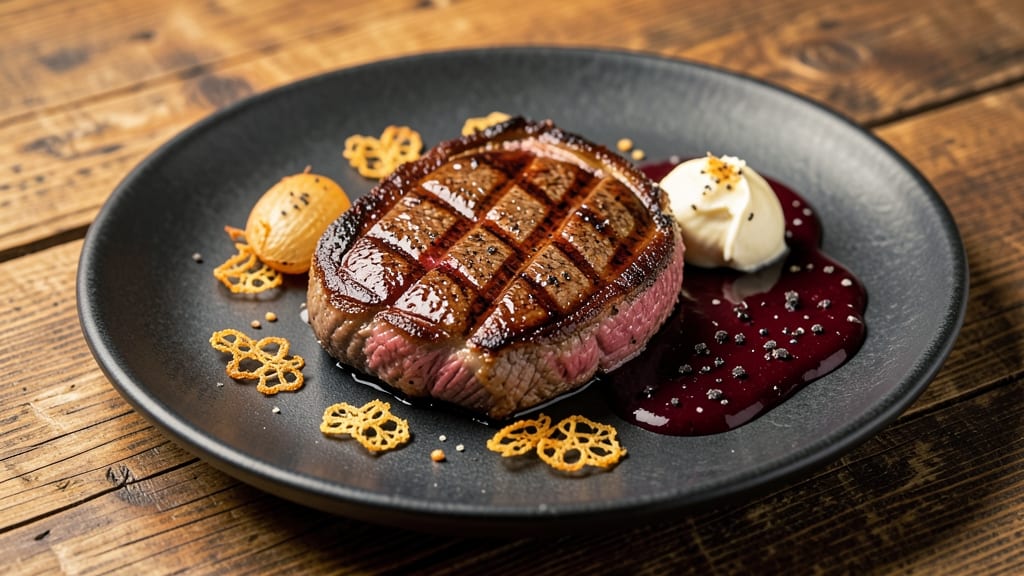
This steak de Burgo recipe delivers the perfect balance of a caramelized crust and a juicy, medium-rare center that steakhouse chefs swear by. The secret lies in a precise searing technique followed by a rich red wine reduction that transforms simple ingredients into a restaurant-worthy dish.
I’ve perfected this method after years of testing—no shortcuts, just professional results every time.
The beauty of steak de Burgo is in its simplicity: a well-marbled cut of beef, a splash of quality red wine, and a few pantry staples.
What sets this dish apart is the wine reduction, where the alcohol cooks off to leave behind deep, savory flavors that coat the steak in a glossy, velvety sauce. The process takes just 30 minutes from start to finish, making it ideal for a special weeknight dinner.
By the time you serve this steak, you’ll have a perfectly seared crust that gives way to tender, pink meat inside—every bite bursting with flavor. The wine sauce adds a touch of elegance without overpowering the natural taste of the beef.
Serve it alongside classic sides like creamy mashed potatoes or roasted vegetables for a complete, satisfying meal.
This recipe works best with ribeye or sirloin cuts, but any well-marbled steak will deliver exceptional results. The wine reduction can be made ahead and reheated, giving you flexibility for entertaining.
Whether you’re cooking for two or a crowd, this steak de Burgo recipe is designed to impress without sacrificing ease.
Ingredients for steak deburgo
Quality cuts, bold wine, and precise technique—this steak de Burgo delivers restaurant-level results at home.
| Ingredient | Amount | Notes |
|---|---|---|
| Ribeye Steak 🥩 | 1 ½ lb | Center-cut, 1-inch thick, well-marbled |
| Unsalted Butter 🧈 | ½ cup | Cold, cut into 8 equal pats |
| Diamond Crystal Kosher Salt 🧂 | 1 ½ tbsp | Coarse grain, for seasoning |
| Freshly Ground Black Pepper 🌶️ | 1 ½ tsp | Cracked over steaks |
| Dry Cabernet Sauvignon 🍷 | 1 cup | Bold, 12% ABV minimum |
| Beef Bone Marrow 🦴 | ¼ cup | Optional, for richness |
| Shallots 🧅 | 2 whole | Thinly sliced, 1/4-inch pieces |
| Garlic Cloves 🧄 | 4 cloves | Smashed, skin-on |
| Heavy Cream 🥛 | ¼ cup | Full-fat, for sauce finish |
| Extra-Virgin Olive Oil 🫒 | 1 tbsp | High smoke point, for searing |
| Fresh Thyme Sprigs 🌿 | 2 whole | Leaves only, for garnish |
| Fresh Rosemary 🌿 | 1 sprig | For aroma during searing |
The steak selection is non-negotiable. Center-cut ribeye with 1-inch thickness ensures even cooking and maximum tenderness. Look for marbling like a fine net—this fat renders during searing, creating the signature crust. Costco or Whole Foods carry excellent pre-portioned cuts, but if buying whole, ask your butcher for the center-cut section. The bone marrow, while optional, adds luxurious depth to the wine reduction. Trader Joe's sells it pre-packaged, or save the knuckle ends from your next roast. Fresh thyme and rosemary elevate the dish subtly—Penzeys or local farmers' markets offer the best quality, but grocery store bundles work in a pinch.
Substitutions must preserve the dish's integrity. Sirloin or strip steak can replace ribeye, but increase thickness to 1.25 inches to compensate for leaner cuts. No Cabernet? Merlot or Malbec work equally well—avoid Pinot Noir, which lacks the necessary body. Bone marrow unavailable? Substitute 1 tbsp unsalted butter, though the sauce won't be as velvety. Shallots can be swapped for 1 small yellow onion, finely minced, but their delicate sweetness is ideal. For the wine reduction, beef stock instead of bone marrow maintains savory depth, though texture differs slightly. The heavy cream finish is crucial—half-and-half at half the quantity lightens the sauce but sacrifices richness.
Steaks should rest at room temperature for 30 minutes before cooking—this ensures even doneness. Store leftover wine reduction in an airtight container with a thin layer of olive oil on top to preserve freshness. The sauce reheats beautifully, making it ideal for 3-4 days of meal prep. For the steaks, vacuum-seal or wrap tightly in parchment and foil to maintain moisture for 3 days. Freeze steaks for up to 3 months—thaw overnight in the fridge before cooking. The fresh herbs should be used within 2 days of purchase, stored in a damp paper towel-lined container.
Why You'll Love This Recipe
- Two-Ingredient Magic: That butter and Cabernet combo? It’s the secret weapon—no fancy marinades, just melt-in-your-mouth richness with every bite. Honestly, the wine reduces into a glossy glaze that clings to the steak like it’s been kissed by a chef.
- Weeknight Hero: Throw it on the grill or skillet while you toss a salad—done in 15 minutes flat. Between us, this is the steak I make when I don’t want to overthink dinner but still crave something special.
- Date Night Ready: No need for a fancy restaurant when this delivers the same wow factor. The deep, smoky-sweet flavor from the Cabernet and charred crust? Instant romance without the pretension.
- Leftovers That Don’t Suck: Slice it cold the next day for sandwiches or reheat in a pan—still tender, still packed with flavor. (Yes, even on a Tuesday night.) The butter keeps it from drying out, so it’s basically a free upgrade to any meal.
Step-by-step instructions for steak de Burgo
Master this French bistro classic with a perfect crust and tender interior using precise technique and quality ingredients.
Prepare the Steak and Sear to Crust Perfection
Remove the ribeye steak from the refrigerator and let it sit at room temperature for 30 minutes to ensure even cooking. Pat the steak dry thoroughly with paper towels—this critical step prevents steam from interfering with crust formation. Season both sides generously with 1.5 tablespoons diamond crystal kosher salt and 1.5 teaspoons freshly ground black pepper, pressing the salt crystals into the meat to maximize adhesion.
Heat a heavy skillet (cast iron works best) over medium-high heat until it's screaming hot. Add 1 tablespoon extra-virgin olive oil and let it shimmer for 30 seconds before placing the steak in the pan. Press down gently on the steak during the first minute to prevent curling, then let it sear undisturbed for 3-4 minutes until a deep golden-brown crust forms. Flip and repeat on the second side for another 3-4 minutes. The steak should reach an internal temperature of 125°F for medium-rare—use an instant-read thermometer for accuracy.
Build the Red Wine Reduction Sauce
Remove the steak from the pan and transfer it to a warm plate, tenting loosely with aluminum foil to retain heat. Reduce the heat to medium and add 2 whole shallots and 4 smashed garlic cloves to the same skillet, cooking for 2 minutes until the shallots soften and the garlic becomes fragrant. Deglaze the pan immediately with 1 cup dry cabernet sauvignon, scraping up all the browned bits from the bottom with a wooden spoon—this captures maximum flavor.
Simmer the wine reduction for 5-6 minutes until it reduces by half and coats the back of a spoon. Here's where the beef bone marrow comes into play: add 0.25 cup beef bone marrow and stir until it melts completely, creating a velvety texture. Remove the pan from heat and stir in 0.25 cup heavy cream, allowing the residual heat to gently emulsify the sauce without curdling. The sauce should now be glossy and rich, with a deep burgundy hue.
Infuse Aromatics and Finish the Sauce
Return the skillet to low heat and add the 1 sprig fresh rosemary, allowing it to steep for 1 minute to impart its piney aroma. Remove the rosemary sprig and discard it. Taste the sauce and adjust seasoning with additional diamond crystal kosher salt and freshly ground black pepper as needed—this is your final opportunity to balance flavors before plating.
The sauce should now be silky and perfectly seasoned, ready to coat the steak in a luxurious sheen. Here's the secret to maintaining that medium-rare core: let the steak rest for 5-7 minutes before slicing against the grain into 0.5-inch thick portions. Spoon the warm sauce over the steak and garnish with the leaves from 2 whole fresh thyme sprigs for a finishing touch that elevates the presentation.
Plate and Serve Immediately
Transfer the sliced steak to warm plates, fanning the slices slightly to showcase their texture. Ladle the red wine reduction sauce generously over the top, allowing it to cascade naturally. The contrast between the caramelized crust, tender interior, and velvety sauce creates the signature experience of steak de Burgo.
Serve immediately while the steak is still at its peak temperature. Each bite should deliver a symphony of textures—crisp crust, juicy interior, and a rich sauce that harmonizes with the beef's natural flavors. The wine reduction should cling to every slice, enhancing rather than overpowering the steak's inherent richness. This technique ensures your steak remains juicy throughout, delivering on the promise of a perfect medium-rare core with every serving.
Pro Tips For Making Steak Deburgo
- CRANK THE HEAT FIRST: High heat is your friend here—get your pan screaming hot before adding the ribeye. I learned this the hard way when my first attempt turned into a sad, greasy mess instead of a perfect crust. Let it sear for 2-3 minutes per side without moving it, or you’ll lose that golden crust.
- DRY THE STEAK LIKE IT’S SNOW DAY: Pat that ribeye thoroughly with paper towels—no wet spots, no excuses. The butter won’t brown properly if moisture is lurking, and you’ll end up with a steak that’s more steamed than seared. Trust me, I’ve cried over a soggy crust before.
- SALT THE BUTTER HEAVY: Diamond Crystal kosher salt is flaky, so don’t skimp—use about 1 teaspoon per 2 tablespoons of butter. The salt needs to dissolve into the butter to season the steak properly, not just sit on top like decorative confetti.
- REST IT UNDER FOIL: After cooking, tent that steak with foil and let it rest for 5-10 minutes. I know, I know—you want to cut into it immediately, but rushing this step means juices running out instead of staying inside where they belong. (Your future self will thank you.)
Serving suggestions for this steak deburgo
Classic Side Pairings
The rich, wine-infused flavors of steak de Burgo demand sides that complement rather than compete. Creamy garlic mashed potatoes are my go-to—use Yukon Gold potatoes boiled until tender, then mashed with ½ cup unsalted butter, ¼ cup heavy cream, and 2 roasted garlic cloves.
The buttery texture soaks up the wine sauce beautifully. 🥔
For a lighter option, roasted asparagus with lemon zest adds freshness. Toss 1 bunch asparagus with 1 tbsp olive oil, ½ tsp salt, and ¼ tsp black pepper, then roast at 400°F for 12-15 minutes until tender-crisp.
Finish with zest from 1 lemon for brightness that cuts through the richness.
Bread for Sauce Soaking
A crusty baguette is essential for mopping up every last drop of that velvety wine reduction. I recommend Boudin Bakery's sourdough baguette from the grocery store—its crisp crust and airy interior are perfect.
Warm it in the oven at 350°F for 5 minutes before serving. For an extra touch, brush slices with garlic-infused olive oil before baking.
Vegetable Medley
A sautéed green bean and carrot medley adds color and texture. Sauté 1 lb green beans and 2 medium carrots (julienned) in 1 tbsp butter with 1 minced shallot for 5-6 minutes until tender-crisp.
Finish with 1 tsp fresh thyme leaves and a pinch of salt—this dish balances the steak's richness without overpowering it.
Wine Pairing Perfection
Serve with the same Cabernet Sauvignon used in the recipe—its bold tannins and dark fruit notes mirror the wine reduction's flavors. For a white alternative, a Chardonnay with 12% ABV (like Kendall-Jackson Vintner's Reserve) offers creamy acidity that complements the dish.
Avoid high-acid wines that clash with the sauce's richness.
Cheese Course Option
For a refined finish, serve aged Gruyère or Comté cheese with the steak. The nutty, caramelized notes of these cheeses echo the wine reduction's depth. Pair with walnut bread or dried apricots for a sophisticated palate cleanser before dessert.
Nutrition facts
Frequently asked questions about steak de Burgo
What's the best steak cut for this recipe?
For steak de Burgo, use a center-cut ribeye with 1-inch thickness and good marbling. The fat content creates the signature crust, while the center cut ensures even cooking. Sirloin or strip steak work too, but increase thickness to 1.25 inches to compensate for leaner cuts.
Can I make the wine sauce ahead of time?
The wine reduction keeps well for 3-4 days in an airtight container with a thin layer of olive oil on top. Reheat gently on the stove until warm—it'll thicken slightly but remains velvety. Just add fresh thyme leaves before serving for maximum aroma.
Why does my steak turn out dry?
Overcooking is the #1 cause of dry steak. Use an instant-read thermometer and remove the steak when it hits 125°F for medium-rare. The internal temperature will rise to 130°F while resting. Also, never skip the 5-7 minute rest—this lets juices redistribute.
What wine should I use if I don't have Cabernet Sauvignon?
Merlot or Malbec work perfectly—they have enough body and tannins to complement the dish. Avoid Pinot Noir (too light) or Zinfandel (can be too bold). If using a different red, adjust the reduction time by 1-2 minutes—lighter wines reduce faster.
How do I fix a sauce that's too thin?
Simmer the sauce uncovered for 2-3 extra minutes to reduce further. If it's still too thin, mix 1 tsp cornstarch with 1 tbsp cold water, stir into the sauce, and cook for 1 minute until thickened. For a richer texture, whisk in 1 tbsp cold butter at the end.