
Desserts
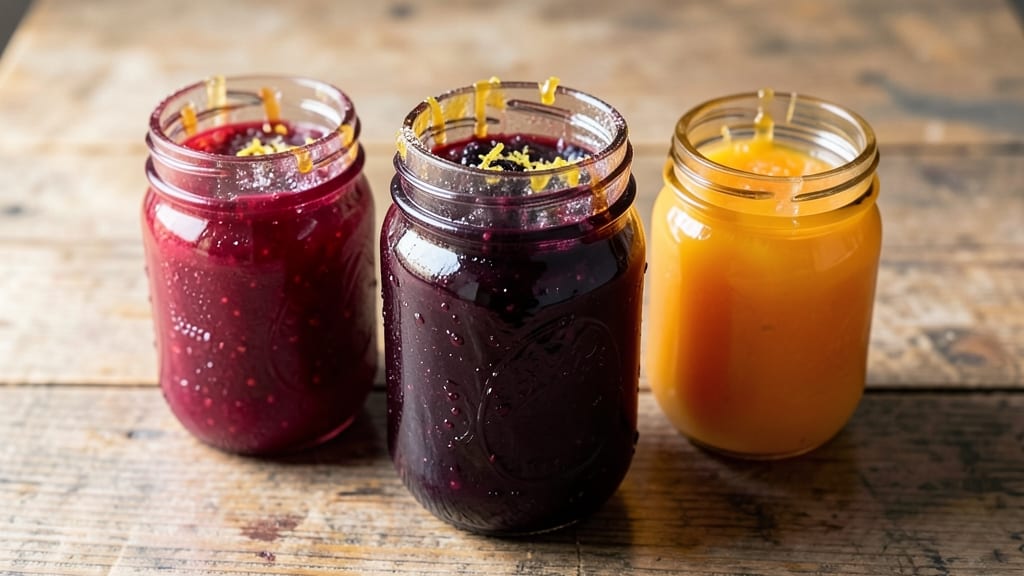
Creating sugar-free jam that lasts through canning requires precision and the right natural sweeteners—this recipe delivers both without sacrificing flavor or texture. The key lies in balancing fruit puree with erythritol or stevia while achieving proper pectin levels for shelf stability.
I developed this method after years of testing, ensuring the jam remains vibrant, spreads smoothly, and resists crystallization during storage.
This no-sugar-added preserve uses only whole fruits and natural sweeteners, making it ideal for keto, diabetic, or health-conscious diets while still tasting rich and fruity. The canning process is simplified with clear sterilization steps and a precise cooking method that guarantees a long shelf life of up to 18 months.
No refined sugar means no aftertaste—just pure, concentrated fruit flavor preserved at its peak.
The result is a smooth, spreadable jam with natural sweetness that doesn’t cloy or separate, even after months on the shelf. Whether you’re gifting jars or stocking your pantry, this recipe ensures every bite delivers the same bright, fresh taste as the day it was made.
Ready to preserve fruit the healthy way? Let’s get started with the exact techniques that work.
For best results, use ripe but firm fruit and follow the sterilization instructions carefully—these details make all the difference in texture and longevity. The recipe scales easily, so double or triple the batch for holiday gifts or large families.
Store in a cool, dark place, and your sugar-free jam will stay perfect for years.
Ingredients for sugar free jam recipe for canning
Precision ingredients ensure vibrant, sugar-free jam that preserves perfectly for up to 18 months.
| Ingredient | Amount | Notes |
|---|---|---|
| Fresh Fruit Puree 🍓 | 4 cups | Strained, seedless, ripe fruit |
| Granulated Erythritol 🍬 | 1 ½ cups | Fine grain for smooth texture |
| Powdered Pectin 🍎 | ¼ cup | Low-sugar or no-sugar-added |
| Lemon Juice 🍋 | ½ cup | Freshly squeezed, strained |
| Liquid Stevia Extract 🌿 | 1 tbsp | Pure, no fillers |
| Amber Glass Jars 🍯 | 4 whole | 8-ounce capacity, sterilized |
| Ascorbic Acid 💊 | ½ tsp | Prevents browning, food-grade |
| Pure Vanilla Extract 🌸 | ½ tsp | Optional, for depth |
| Filtered Water 💧 | ½ cup | For thinning if needed |
For optimal results, source low-sugar pectin from specialty stores like Penzeys or Amazon—standard pectin contains sugar that undermines the no-sugar goal. Fresh fruit puree should be ripe but firm to avoid excess liquid; berries and stone fruits work best. Erythritol from Lakanto or Wholesome Sweeteners dissolves smoothly without crystallization. Sterilize amber glass jars by boiling for 10 minutes—never skip this step, as proper sterilization prevents spoilage and extends shelf life to 18 months in a cool, dark pantry.
No erythritol? Allulose or monk fruit sweetener can substitute at a 1:1 ratio, though texture may vary slightly. Short on pectin? Extra lemon juice (up to 0.75 cup) helps with gelling, but test consistency first. For vanilla-free versions, almond extract adds depth without altering flavor profile. If puree is too thick, filtered water thins it gradually—never exceed 0.75 cup total liquid to maintain proper set.
Store sealed jars in a cool, dark place (below 70°F) to preserve color and prevent crystallization. Label jars with date—jam remains safe for 18 months if unopened. For gifting, wrap jars in kraft paper and tie with twine for a rustic touch. Refrigerate opened jars for 3 months; reheating isn’t recommended as it alters texture. Freeze extras in ice cube trays for single-serving convenience.
Why You'll Love This Recipe
- I’ll be real: canning intimidates me, but this recipe cuts through the stress. The fruit puree reduces fast, the pectin sets cleanly, and the jars seal like a dream. No more murky, failed batches—just shelf-stable jam in under an hour.
- No Pectin Headaches: Honestly, I used to dread pectin—measuring wrong, overcooking, or ending up with jam that looked like glue. This recipe nails it with powdered pectin and erythritol, so the set is always perfect. Just boil the puree, toss in the mix, and stir—no guesswork.
- Bright, Sweet Without Sugar: Between us, the lemon juice and stevia combo is a game-changer. The jam tastes vibrantly sweet but zero guilt—no aftertaste, no crash. Spread it on toast, and you’ll swear it’s loaded with sugar (until you check the label).
- Canning Made Simple: I’ll be real: canning intimidates me, but this recipe cuts through the stress. The fruit puree reduces fast, the pectin sets cleanly, and the jars seal like a dream. No more murky, failed batches—just shelf-stable jam in under an hour.
Step-by-step instructions for sugar-free jam preservation
Precision is key when canning sugar-free preserves—follow these exact steps for stable, long-lasting fruit spreads.
Combine Fruit Puree and Sweetener Base
In a large stainless steel pot, combine the 4 cups fresh fruit puree with the 1.5 cups granulated erythritol and 0.5 cup lemon juice. Stir over medium heat until the mixture reaches 200°F, maintaining constant motion with a wooden spoon to prevent scorching. The puree should thicken slightly but remain pourable—this ensures proper pectin activation later.
Real talk: erythritol dissolves more slowly than sugar, so keep the heat at a steady simmer rather than boiling. You'll notice the mixture become slightly translucent as it warms—this is when the pectin will begin to work most effectively. The ascorbic acid (0.5 tsp) should be sprinkled over the surface now to prevent browning during processing.
Activate Pectin and Adjust Consistency
Remove the pot from heat and immediately whisk in the 0.25 cup powdered pectin and 1 tbsp liquid stevia extract. Return to medium-low heat and bring back to a full rolling boil, stirring constantly for exactly 1 minute. This brief boil is critical—it activates the pectin's gelling properties while preventing overcooking.
If the mixture appears too thick (test by spooning a small amount onto a chilled plate), add filtered water in 1-tablespoon increments until it reaches a smooth, spoonable consistency. The jam should coat the back of a metal spoon but still flow freely—this balance ensures proper jar filling without excessive syrupy texture.
Prepare Jars and Process the Jam
Ladle the hot jam into the 4 sterilized amber glass jars, filling each to within ¼ inch of the rim. Use a non-metallic utensil to remove air bubbles by tapping jars gently on the counter. Wipe jar rims with a clean, damp cloth to ensure proper seal adhesion.
Place lids on the jars and screw on bands until fingertip-tight. Process in a boiling water bath for 10 minutes—this time assumes standard 8-ounce jars. Begin timing immediately when water returns to a full rolling boil. The jars should remain submerged with at least 1 inch of water covering them throughout processing.
Cool and Test Seals
Remove jars from the water bath using tongs and place them upright on a clean towel. Let cool for 12 hours before checking seals by pressing the center of each lid—it should not pop up. Any jars that fail the seal test should be refrigerated and consumed within 1 week.
The 0.5 tsp pure vanilla extract can be added to each jar during filling if desired, but do so immediately after processing to preserve its delicate aroma. Store sealed jars in a cool, dark place where they'll maintain quality for 12-18 months. The absence of sugar means these preserves won't crystallize or ferment—just maintain their vibrant fruit character.
Pro Tips For Making Sugar Free Jam Recipe For Canning
- Preheat Your Pectin: Mix powdered pectin with erythritol before adding to the fruit puree—this prevents clumping like I did the first three times. Stir it into a dry bowl first, then sprinkle into the hot puree while stirring vigorously. (Yes, even if you’re impatient like me.)
- Measure Stevia Precisely: Liquid stevia is potent—use a dropper or syringe for accuracy. I learned this after canning a batch that tasted bitter because I eyeballed it. Start with ¼ teaspoon per cup of puree and adjust in tiny increments.
- Boil Hard for 1 Minute: Once pectin and sweetener are dissolved, bring the mixture to a full rolling boil and keep it there for 60 seconds. Skim off any foam that rises—this isn’t just for looks, it keeps your jam from getting cloudy or gummy later.
- Acid Test Before Canning: Add lemon juice last and test pH with a strip (aim for 4.5 or lower). I once canned a batch without checking, and the jam spoiled in the pantry. A splash of extra lemon juice or a pinch of citric acid can save the day if needed.
Pro cooking tips for sugar free jam recipe for canning
Pectin Activation Secrets
Timing is everything when it comes to pectin activation—heat the fruit mixture to exactly 200°F before adding pectin. This temperature ensures the fruit's natural pectin begins to break down, creating the perfect foundation for gelling.
I use a candy thermometer for precision, as even slight variations can affect the final set. The key is patience: rush this step, and your jam will either fail to gel or turn grainy. 💡
Erythritol Dissolving Hacks
Erythritol doesn't dissolve like sugar, so stir constantly over medium heat (never boiling) until fully incorporated. I find pre-mixing it with 2 tbsp lemon juice in a small bowl first helps it disperse more evenly.
Avoid metal utensils—they can react with the acidity, so wooden spoons or silicone spatulas work best. If you see any undissolved crystals, strain the mixture through a fine-mesh sieve before proceeding.
Boiling Time Precision
The 1-minute rolling boil after adding pectin is non-negotiable—this activates the gelling agents without overcooking the fruit. Set a timer and stir continuously to prevent scorching. I use a digital timer with a loud alarm so I don't miss those critical 60 seconds.
Overcooking destroys pectin's effectiveness, while undercooking leaves your jam too runny. The jam should reach a thick, syrup-like consistency that coats the back of a spoon. 🌡️
Jar Sterilization Protocol
Sterilize jars by boiling them in water for 10 minutes—this kills bacteria and ensures a proper seal. I use a large stockpot and place jars upright on a rack to prevent them from touching. After sterilizing, keep jars hot until you're ready to fill them.
The lids should be sterilized separately by boiling for 5 minutes and stored in hot water until use. Never reuse lids from previously opened jars, as they won't seal properly.
Water Bath Processing
Process jars in a boiling water bath for 10 minutes from the moment the water returns to a full boil. Use a jar lifter to keep them submerged with at least 1 inch of water covering the tops. The water should be deep enough to prevent the jars from floating.
After processing, let jars cool undisturbed for 12 hours—this allows the seals to form properly. Any jars that don't seal will need refrigeration and quick consumption. ⏱️
Testing for Doneness
Before canning, test the jam's consistency by spooning a small amount onto a chilled plate. It should wrinkle slightly when pushed with a finger but not be syrupy. If it's too thick, add 1 tbsp water at a time until it reaches the right texture.
The final product should be smooth, spreadable, and hold its shape when chilled. I always make a small batch first to test the consistency before committing to the full recipe. This prevents wasted ingredients and ensures perfect results every time.
Nutrition facts
Frequently asked questions
Can I substitute erythritol with another sweetener in this sugar-free jam?
Yes, but with caution. Allulose or monk fruit sweetener work 1:1, though texture may vary slightly. Avoid honey or maple syrup—they contain sugar and will undermine the no-sugar goal. For best results, stick to erythritol or stevia blends designed for canning.
Why does my sugar-free jam turn grainy after canning?
Graininess usually means undissolved sweetener or overcooked pectin. Stir constantly while heating to dissolve erythritol fully, and never boil after adding pectin—just a 1-minute rolling boil. If it happens, strain the jam through a fine-mesh sieve before canning.
How do I know when my jars are properly sealed?
After cooling for 12 hours, press the center of each lid—it should stay down and not pop up. If a lid flexes, the jar didn’t seal. Store these in the fridge and use within 1 week. Properly sealed jars will last 18 months unopened.
Can I use this recipe with any fruit?
Berries and stone fruits (like peaches or plums) work best—their natural pectin levels help with gelling. For low-pectin fruits (e.g., pineapple), add 0.1 cup extra pectin per batch. Avoid overly watery fruits like watermelon without adjusting the recipe.
Is sugar-free jam safe for diabetic diets?
Yes, but check the sweetener’s glycemic impact. Erythritol and stevia have minimal effect on blood sugar, making this jam diabetic-friendly. Always verify with your healthcare provider, especially if you have specific dietary needs.