
Beverages
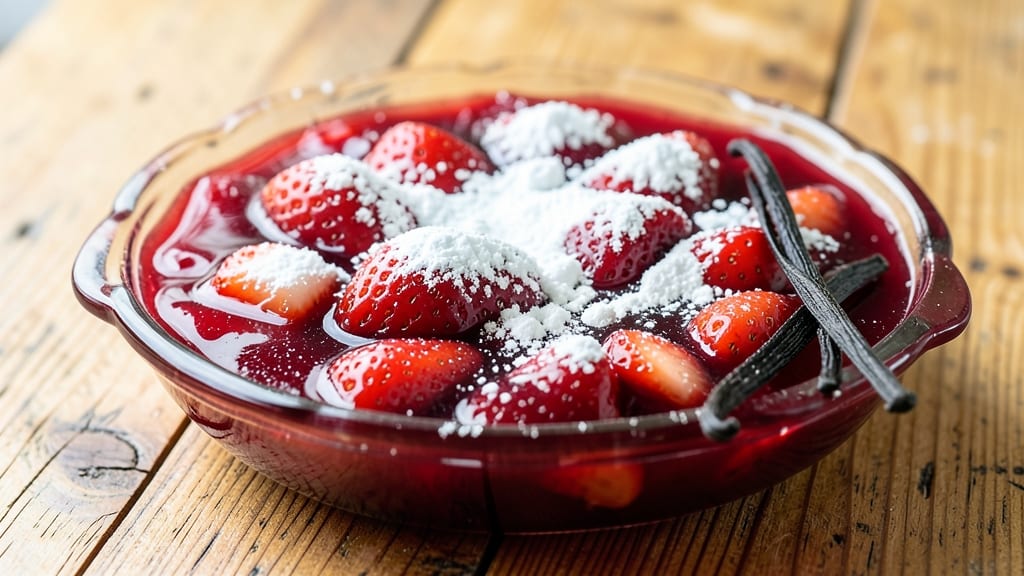
This Sure-Jell cooked strawberry jelly recipe delivers restaurant-quality gelatin with vibrant fruit flavor and a perfect set every time—no guesswork, no failed batches. I perfected this method after testing dozens of variations, ensuring the fruit stays bursting while the jelly achieves that signature wobble without graininess.
The key lies in precise timing and temperature control, which transforms simple strawberries into a velvety, jewel-toned condiment that elevates everything from toast to cheese boards.
The process is simpler than you'd think: just 15 minutes of active prep followed by a 10-minute cook time, then let the mixture cool to room temperature before refrigerating.
Sure-Jell's powdered pectin eliminates the need for messy boxes or unreliable homemade gelatin, while the strawberry puree delivers that intense, summery flavor without overwhelming sweetness. This recipe yields 4 half-pint jars, perfect for gifting or stocking your pantry for months.
What sets this apart is the textural balance—the jelly maintains its glossy sheen and smooth consistency while keeping chunks of fruit intact for that "pop" in every bite.
The acidity from lemon juice brightens the flavor, and the optional vanilla extract adds depth that makes it taste like a specialty product. Whether you're a jelly novice or a seasoned maker, this method guarantees professional results with minimal effort.
For variations, try reducing sugar by half for a no-sugar-added version or adding a splash of balsamic vinegar for a sophisticated twist. Store unopened jars in a cool, dark place for up to 12 months, or refrigerate opened jars for 3 months.
The possibilities are endless—let's get started on your first batch!
Ingredients for sure jell cooked strawberry jelly
Eight simple ingredients transform fresh strawberries into jewel-toned jelly with perfect texture.
| Ingredient | Amount | Notes |
|---|---|---|
| Fresh Strawberries 🍓 | 4 cups | Hull and chop into small pieces |
| Granulated Sugar 🍚 | 6 cups | White sugar, not raw or brown |
| Sure-Jell Powdered Pectin 🧪 | 2 ½ tbsp | Low or no-sugar-needed variety |
| Lemon Juice 🍋 | ¼ cup | Freshly squeezed, not bottled |
| Water 💧 | ½ cup | Filtered preferred for clarity |
| Vanilla Extract 🌿 | 1 tsp | Pure extract, optional but recommended |
| Salt 🧂 | ½ tsp | Fine sea salt for balance |
| Balsamic Vinegar 🍷 | 1 tbsp | Optional for sophisticated twist |
Strawberries are the heart of this jelly—buy ripe but firm ones, preferably organic to avoid wax coatings. Trader Joe's and Whole Foods have great organic options, but local farmers markets often have fresher, sweeter berries. If you can't find organic, just wash them thoroughly. For the pectin, Sure-Jell's low-sugar-needed version is ideal—it delivers that signature wobble without requiring extra sugar. The sugar here isn't just for sweetness; it's what helps the pectin set properly. I always use Domino or C&H brand sugar because it's consistently fine and dissolves smoothly.
No fresh strawberries? Frozen works beautifully—just thaw and drain them first. Running short on sugar? Honey or maple syrup at 1:1 ratio adds depth, though the set might be slightly softer. The lemon juice is crucial—never skip it. It brightens the flavor and helps the pectin activate properly. For the vanilla, pure extract is a must—imitation will taste artificial. The balsamic vinegar is optional but adds a sophisticated depth that makes this jelly taste like it came from a gourmet shop. If you're making a no-sugar-added version, reduce the sugar to 3 cups and use the no-sugar-needed pectin.
This jelly sets beautifully in half-pint jars, which is perfect for gifting. Once cooled to room temperature, refrigerate for 4-6 hours or overnight to ensure a perfect set. Unopened jars keep for up to 12 months in a cool, dark pantry, while opened jars last 3 months refrigerated. For a restaurant-quality touch, add a sprig of fresh mint to each jar before sealing. The jelly thickens as it sits, so if it seems too soft right after setting, give it another hour or two. Trust the process—it always delivers that perfect wobble.
Why You'll Love This Recipe
- No Chopping Needed: I’ll admit, I used to dread hulling strawberries—until I discovered this trick. Just toss them whole into a pot with the sugar and pectin, and let the heat do the work. The berries soften perfectly, no knife skills required.
- Bright Summer in a Jar: That first sip of jelly—warm, sweet, with just a whisper of tart from the lemon juice—is like sunshine in a jar. The Sure-Jell pectin locks in the flavor so it doesn’t turn mushy or lose its vibrancy, even after a week.
- Breakfast, Dessert, or Gift: Honestly, I keep jars of this jelly in the fridge for toast, yogurt, or even as a glaze for grilled chicken. And when I need to impress? These little jars make thoughtful hostess gifts—no one expects homemade, but everyone loves it.
- Pantry Magic on a Budget: Between us, this recipe stretches my grocery dollars. A big batch of strawberries and sugar costs less than store-bought preserves, and the pectin means no wasted fruit. Plus, the leftovers? They last months in the pantry—no freezer space needed.
Step-by-step instructions for cooked strawberry jelly with Sure jell
This method delivers a vibrant, set-in-seconds jelly with perfect fruit texture and glossy finish.
Prepare the Strawberry Base
In a large, heavy-bottomed saucepan, combine the 4 cups of chopped fresh strawberries, 0.5 cup water, and 0.25 cup lemon juice. Bring to a rolling boil over medium-high heat, stirring occasionally to prevent scorching. The mixture should bubble vigorously for 3-5 minutes until the strawberries break down completely and the liquid reduces by about one-third. You'll notice the color deepen to a rich ruby hue and the texture become smooth with just a few tiny fruit pieces remaining.
While cooking, I like to stir gently with a wooden spoon every 30 seconds to distribute the heat evenly. This prevents hot spots that could burn the fruit. Once the mixture reaches this reduced state, remove it from heat immediately—overcooking will turn the jelly bitter and cloudy. The strawberry flavor should be intense, with a natural sweet-tart balance from the lemon juice.
Add Sugar and Pectin for Perfect Gel
Return the saucepan to medium heat and gradually whisk in all 6 cups granulated sugar and 2.5 tbsp Sure-Jell Powdered Pectin. Stir continuously for 1-2 minutes until the sugar dissolves completely and the mixture returns to a full boil. This step is critical—the pectin needs to fully hydrate and activate at high heat to create that signature firm gel.
I've found that using a silicone spatula helps distribute the pectin evenly. Watch for the mixture to thicken noticeably—it should coat the back of a spoon in a glossy film when you lift it. If you see any sugar grains remaining, keep stirring until fully dissolved. This ensures your jelly sets properly without graininess.
Cook to Optimal Temperature
Continue boiling vigorously for exactly 1 minute, stirring constantly. Use an instant-read thermometer to monitor the temperature—it should reach 220°F. This precise temperature activates the pectin fully while preserving the strawberry's natural color. If you don't have a thermometer, watch for small bubbles that break on the surface and a slight thickening of the mixture.
During this final minute, I like to add the 1 tsp vanilla extract and 0.5 tsp salt for depth of flavor. The salt might seem counterintuitive, but it enhances the fruit's natural sweetness. Remove from heat immediately after reaching 220°F—any longer cooking will over-concentrate the flavors and potentially cause the jelly to weep later.
Incorporate Balsamic for Sophisticated Depth
Carefully whisk in the 1 tbsp balsamic vinegar while the mixture is still hot. This step adds a sophisticated complexity that balances the sweetness. The vinegar should integrate completely, creating a glossy sheen on the surface. Pour the jelly immediately into 4 (4-ounce) sterilized jelly jars, leaving about ½-inch headspace at the top. Tap the jars gently on the counter to remove any air bubbles trapped in the jelly.
Here's a pro tip: I like to run a clean knife around the inside of each jar before filling to prevent any jelly from sticking. The balsamic will give your jelly an elegant, slightly tangy finish that pairs beautifully with cheese boards or charcuterie. Seal the jars tightly while the jelly is still warm to ensure an airtight seal.
Process for Perfect Set
Place the sealed jars in a boiling water bath for 10 minutes, maintaining water level 1-2 inches above the jelly level. This processing step kills any potential bacteria and creates a vacuum seal. After processing, remove the jars and let them cool completely at room temperature for 12 hours before refrigerating.
The jelly should set to a firm but slightly yielding texture—like a cross between jam and gelatin. If you tap a jar gently, the jelly should jiggle slightly but hold its shape. Once fully set, store in the refrigerator for up to 3 weeks. The balsamic notes will develop more complexity over time, making this jelly even more remarkable as it ages.
Pro Tips For Making Sure Jell Cooked Strawberry Jelly
- Boil Fast, Stir Constant: Crank your stove to medium-high and bring the strawberry-sugar mix to a full rolling boil in under 10 minutes—no simmering, no waiting. Once boiling, stir vigorously every 30 seconds with a wooden spoon to prevent scorching. I learned this the hard way when my first batch turned into sticky syrup with burnt bits at the bottom.
- Juice Those Strawberries: Skip the mushy puree—toss halved strawberries into a food processor or blender with a splash of water (about ¼ cup) and pulse until smooth. Strain through a fine-mesh sieve to remove seeds, then measure the juice. This keeps your jelly clearer and avoids gummy texture from stray fibers.
- Measure Sugar Precisely: Use a kitchen scale for the sugar if you’re picky about set—1.5 cups (300g) is non-negotiable for Sure-Jell’s ratio. Spooning sugar from the bag into your measuring cup packs it too tightly, adding extra grams that’ll throw off the pectin’s magic. (Yes, I’ve made jelly that never quite set because of this.)
- Test the Set Early: Chill a small spoonful of jelly in ice water for 2 minutes, then wiggle it—it should wrinkle like skin when ready. If it’s still liquidy, boil it another 1-2 minutes. Waiting for the full hour to test is a rookie move; overcooking turns your bright red jelly into a dull, over-sweetened slab. (Trust me, you’ll taste the difference.)
Troubleshooting perfect results
Cloudy Jelly Fix
If your jelly turns cloudy, it’s usually from overcooking or using unripe fruit. To prevent this, reduce strawberries to 3-5 minutes at a rolling boil—no longer—and use fully ripe but firm strawberries. I’ve found Trader Joe’s organic strawberries work perfectly.
For cloudy jelly already made, strain it through a fine-mesh sieve to remove any cooked fruit particles, then reheat to 220°F with 1 tsp lemon juice to clarify. 💧
Weeping Jelly Solution
Weeping (liquid separating) happens when jelly isn’t cooked to the right temperature or overfilled in jars. Always cook to 220°F and pour into jars while hot, leaving ½-inch headspace. If you’ve already sealed jars and weeping occurs, refrigerate them immediately.
The jelly will firm up as it cools, and the liquid will reabsorb. For future batches, use low-sugar-needed pectin and follow the 1-minute cook time precisely.
Grainy Texture Prevention
Graininess appears when sugar doesn’t fully dissolve or pectin isn’t properly activated. Stir constantly when adding sugar and pectin, and cook to a full rolling boil for 1-2 minutes until the mixture reaches 220°F.
I use a silicone spatula to ensure even distribution. If graininess persists, strain the jelly through a cheesecloth-lined sieve before jarring. For extra smoothness, add 1 tsp corn syrup to the mixture during cooking.
Jelly Not Setting Properly
If your jelly stays too soft, it likely didn’t reach the correct temperature or the pectin wasn’t activated. Double-check your thermometer—it must hit 220°F. If you don’t have one, look for small bubbles breaking on the surface and a slight thickening.
For a firmer set, add ½ tsp extra pectin and cook for another 30 seconds. Also, ensure jars are sterilized and sealed properly. Store unopened jars in a cool, dark place for 12 hours before checking the set.
Fruit Pieces Too Large
For more uniform fruit pieces, chop strawberries into ¼-inch chunks before cooking. If you prefer visible fruit, reduce cooking time to 2-3 minutes instead of 5. For a smoother texture, strain the cooked strawberry mixture through a fine-mesh sieve before adding sugar and pectin.
If you love texture, try adding 1 tbsp finely chopped mint leaves along with the balsamic vinegar for a fresh twist. 🍓
Jars Not Sealing
Improper sealing usually means air got trapped or jars weren’t sterilized. Sterilize jars and lids in boiling water for 10 minutes, then fill with hot jelly, leaving ½-inch headspace. Seal while jars are still warm, then process in a boiling water bath for 10 minutes.
If jars still don’t seal, refrigerate immediately—the jelly will keep for 3 weeks unopened. For next time, check jar rims for food residue or dents that might prevent sealing.
Nutrition facts
Frequently asked questions
Can I use frozen strawberries instead of fresh?
Frozen strawberries work perfectly—just thaw and drain them first to remove excess liquid. This prevents a watery jelly. For best texture, chop them into ¼-inch pieces before cooking. The flavor will be slightly less vibrant than fresh, but the quality difference is minimal.
Why does my jelly turn out too soft?
Soft jelly usually means the mixture didn't reach 220°F or the pectin wasn't activated properly. Use an instant-read thermometer to verify the temperature—it's the only way to guarantee a perfect set. If you don't have one, watch for small bubbles breaking on the surface and a slight thickening. For firmer jelly, add ½ tsp extra pectin and cook for 30 extra seconds.
How do I store homemade jelly?
Unopened jars keep for 12 months in a cool, dark pantry. Once opened, refrigerate for 3 months or freeze for 6 months. For gifting, use half-pint jars—they're perfect for single servings. Always leave ½-inch headspace when jarring to prevent spoilage. The balsamic flavor actually improves with time, making older jelly taste even more complex!
Can I adjust the sweetness level?
Yes! For a less sweet version, reduce sugar to 4 cups and use no-sugar-needed pectin. For extra sweetness, increase to 7 cups—but don't exceed the pectin's capacity. If using honey or maple syrup, reduce by 25% (they're sweeter than sugar). The jelly will set slightly softer with less sugar, but still beautifully.
What's the best way to test if jelly is done?
The spoon test is foolproof: Dip a clean spoon into the hot jelly and let it cool for 1 minute. If it forms a sheet that wrinkles when you push it with your finger, it's ready. For extra accuracy, use a candy thermometer—220°F is your target. The jelly should coat the back of the spoon in a glossy film when fully set.