
Sauces & Condiments
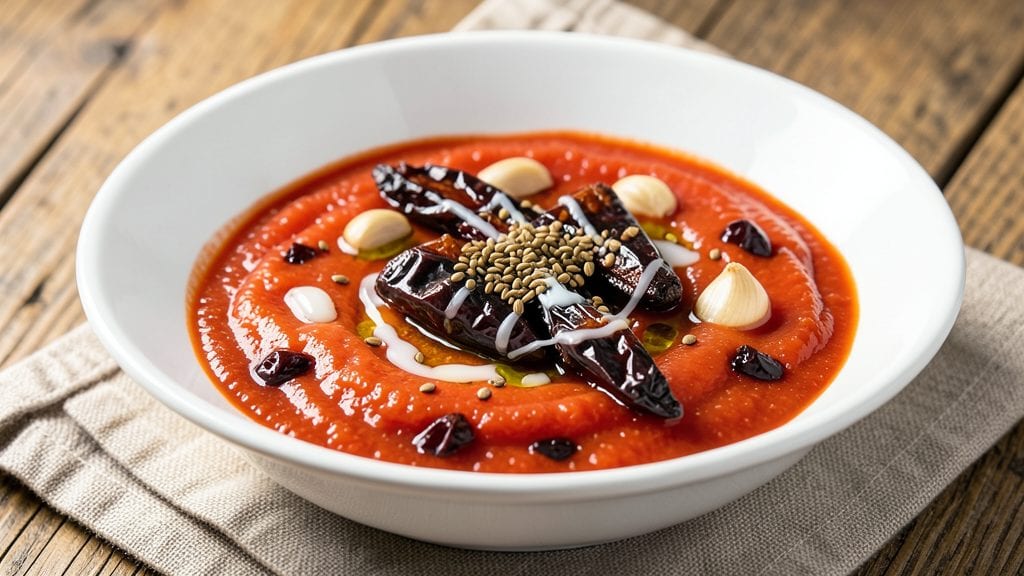
This Tapatío sauce recipe delivers the smoky, tangy heat that makes Mexican street tacos unforgettable—and it only takes 30 minutes to make. I first tasted it at a taquería in Oaxaca, where the sauce transformed simple tortillas into something extraordinary.
The secret lies in roasting the chipotle peppers to deepen their smoky flavor before blending them with tomatoes, garlic, and vinegar.
The process is straightforward but precise: roast the peppers until charred, then blend them with ripe tomatoes, white vinegar, and a touch of garlic for balance. A quick simmer reduces the sauce to a thick, glossy consistency that clings perfectly to tacos, grilled meats, or even eggs.
The result is a sauce that’s bold yet versatile, with just the right amount of heat to elevate any dish.
What sets this homemade version apart is the depth of flavor—no artificial colors or preservatives, just smoky chipotle, bright tomatoes, and a tangy finish. It keeps well in the fridge for up to 2 weeks, so you can make a batch and use it all season long.
Whether you’re drizzling it over tacos or mixing it into soups, this sauce will become your go-to for adding authentic smokiness.
For extra heat, add more chipotle peppers; for milder flavor, reduce them slightly. The key is balancing the smokiness with the acidity of the vinegar and tomatoes—once you taste the difference, store-bought sauce won’t compare. Let’s make this sauce!
Ingredients for tapatio sauce
Smoky chipotle, bright tomatoes, and vinegar—just eight ingredients for restaurant-quality sauce.
| Ingredient | Amount | Notes |
|---|---|---|
| Dried Chipotle Peppers in Adobo 🌶️ | 2 whole | Smoked, stems and seeds removed |
| Ripe Roma Tomatoes 🍅 | 2 cups | Diced, skin on for depth |
| White Vinegar 💧 | ½ cup | Distilled or apple cider |
| Garlic Cloves 🧄 | 3 cloves | Peeled, roughly chopped |
| Extra-Virgin Olive Oil 🫒 | ¼ cup | For richness and balance |
| Salt 🧂 | 1 tsp | Kosher or sea salt |
| Black Pepper 🌶️ | ¼ tsp | Freshly ground preferred |
| Sugar 🍯 | 1 tsp | Balances acidity slightly |
| Cumin Seeds 🌿 | ½ tsp | Toasted for aroma |
| Fresh Cilantro Leaves 🌿 | ¼ cup | Optional, for freshness |
The chipotle peppers are non-negotiable here. Look for dried chipotles in adobo sauce—they’re sold in cans at most Latin markets or the international aisle of Whole Foods. Remove the stems and seeds (they’re bitter) and toast them lightly in a dry skillet for 30 seconds to deepen the smokiness. Penzeys sells them pre-packaged if you want convenience. The tomatoes should be ripe but firm—Roma tomatoes are ideal, but vine-ripened ones work too. Avoid mealy or bruised tomatoes. For extra authenticity, grab San Marzano tomatoes from a specialty store—they’re sweeter and less acidic.
No chipotle peppers? Smoked paprika plus a pinch of cayenne gets you close, but it won’t have that deep, smoky complexity. Running out of vinegar? Lime juice at half the amount works in a pinch, but the flavor won’t be identical. The cilantro is totally optional—skip it if you’re sensitive to its flavor, but I always add it for that bright, fresh finish. Trader Joe’s has pre-chopped cilantro in those little containers if you’re short on time. The cumin seeds? Toast them in the same skillet as the chipotle peppers—they’ll release their aroma and make the sauce sing. If you’re in a hurry, pre-ground cumin works, but toasted seeds are worth the extra minute.
This sauce keeps beautifully—2 weeks in the fridge sealed in an airtight jar. The flavor actually improves over time as the smokiness mellows. For longer storage, freeze it in ice cube trays—perfect for adding to soups or tacos later. Portion into small jars if you’re gifting it—it’s always a hit. If the sauce thickens too much after refrigerating, just add a splash of water or vinegar to loosen it up. Trust me, you’ll make this again and again.
Why You'll Love This Recipe
- Five-Ingredient Magic: I swear, this sauce comes together with things you already have—no fancy shopping required. The adobo sauce from the chipotles? That’s the secret weapon here, and it turns a simple tomato blend into something smoky and deep.
- Smoky Garlic Kiss: That first bite of heat from the chipotles, then the bright punch of vinegar cutting through—it’s like a flavor hug. The garlic? Oh, it’s the cherry on top, mellowing everything into pure, addictive balance.
- Taco Night Every Night: Drizzle it on grilled chicken, toss it with rice, or slather it on nachos—this sauce doesn’t just work, it elevates. Honestly, I’ve used it for breakfast tacos (yes, really) and it still holds its own.
- Make-Ahead Miracle: Simmer it down, let it cool, and it keeps for weeks in the fridge. Between us, I’ve made a big batch on Sunday and used it all week—no stress, no last-minute scrambling. Budget-friendly? Absolutely. Time-saving? Even more so.
Step-by-step instructions for Tapatío sauce recipe
Here's how to make authentic, smoky Tapatío sauce with just 10 ingredients and simple techniques.
Toast the Cumin Seeds for Maximum Aroma
Heat a small dry skillet over medium heat. Add the 0.5 teaspoon cumin seeds and toast them for about 1 minute, stirring constantly. You'll see them darken slightly and release their warm, nutty aroma—this is crucial for building the sauce's depth of flavor. Once they're golden and fragrant, immediately transfer them to a small bowl to cool. Don't let them burn, or they'll turn bitter and ruin the sauce.
While the cumin cools, remove the stems and seeds from the 2 whole dried chipotle peppers in adobo. I like to use a small knife to carefully slice off the stems and then scrape out the seeds with the tip of the knife. The seeds contain most of the heat, so if you want a milder sauce, you can remove more seeds. The peppers should now be clean with just the smoky flesh remaining.
Char the Tomatoes and Garlic for Smoky Depth
Heat a large skillet over medium-high heat. Add the 2 cups diced ripe Roma tomatoes and cook them undisturbed for 5-7 minutes, stirring occasionally. You're looking for the tomatoes to develop charred spots and soften slightly—they should release their juices and begin to caramelize. This charring adds incredible depth to the sauce, almost like a smoky campfire flavor.
After the tomatoes have softened and darkened in spots, add the 3 peeled, roughly chopped garlic cloves. Cook them with the tomatoes for another 1-2 minutes until the garlic is golden and fragrant. Be careful not to burn the garlic—it should smell amazing but not bitter. Remove the skillet from heat and let the mixture cool slightly for 5 minutes. This resting period helps the flavors meld together before blending.
Blend All Ingredients for a Smooth Sauce
Transfer the charred tomato and garlic mixture to a blender. Add the toasted cumin seeds, 0.25 cup extra-virgin olive oil, 0.5 cup white vinegar, 1 teaspoon salt, 0.25 teaspoon black pepper, and 1 teaspoon sugar. The vinegar will help balance the smokiness while adding brightness, and the sugar just slightly rounds out the acidity. Blend everything together until completely smooth, scraping down the sides as needed to ensure all the ingredients are incorporated.
Taste the sauce at this point—you might find it needs more salt or vinegar to balance the flavors. Remember, you can always adjust the seasoning later, but it's better to get it right now. The sauce should have a perfect balance of smoky, tangy, and slightly sweet notes. If you're using the optional 0.25 cup fresh cilantro leaves, add them now and blend just until combined—this keeps the cilantro bright and fresh rather than turning it into a paste.
Simmer to Develop Flavor and Thicken
Pour the blended sauce back into the skillet and place it over medium-low heat. Let the sauce simmer gently for 10-15 minutes, stirring occasionally. You want the sauce to reduce slightly and thicken to a consistency that coats the back of a spoon. This simmering step is where all the flavors truly come together—you'll notice the smokiness deepens and the acidity mellows.
As the sauce thickens, taste it again and make any final adjustments. If it's too thick, you can thin it with a splash of water or more vinegar. If it needs more heat, add a pinch of salt or a tiny bit of sugar. The sauce should be vibrant red with a glossy sheen and a perfect balance of smoky, tangy, and slightly sweet flavors. Once it reaches your desired consistency, remove it from heat and let it cool to room temperature before serving or storing.
Pro Tips For Making Tapatio Sauce
- Simmer the Chipotles: After burning my first batch of sauce, I learned to blister the chipotles in a dry skillet for 30 seconds per side—just until they darken and smell smoky. Then toss them into the simmering tomatoes. This adds depth without turning your sauce into ash.
- Use Vinegar Late: Add the white vinegar in the last 5 minutes of cooking, not at the start. I used to dump it in early and end up with a tart, unbalanced sauce. The acid needs time to mellow and brighten the flavors, not overpower them.
- Strain the Garlic: Mince the garlic cloves, then press them through a fine-mesh strainer before adding to the sauce. Sounds odd, but it keeps the sauce silky smooth—no gritty bits. (Yes, even if you’re impatient like me.)
- Char the Tomatoes: Roast the Roma tomatoes under a broiler for 5-7 minutes until their skins blacken in spots. The smoky, concentrated flavor makes a real difference—skip this, and your sauce will taste flat. (Your future self will notice.)
Make-ahead tips for this tapatio sauce
Batch Prep Secrets
Make a double batch of this sauce—it’s perfect for gifting or stocking your pantry. I like to use a 3-quart saucepan for larger batches, scaling up the ingredients by 50%.
The extra sauce keeps beautifully in the fridge for 2 weeks or frozen for 3 months in airtight containers. 💛
Freezing Like a Pro
Freeze your sauce in ice cube trays for easy portion control—just pop out what you need for tacos, soups, or eggs. Once frozen, transfer the cubes to a ziplock bag and flatten to save space.
When reheating, thaw overnight in the fridge or warm in a saucepan over low heat for 2-3 minutes. Never microwave—it kills the smoky depth.
Storage Containers
Use glass jars with airtight lids for fridge storage—they preserve flavor better than plastic. I love Le Parfait 16-ounce jars for their wide mouths and durable seals.
For freezer storage, opt for quart-sized mason jars—they’re stackable and won’t crack under freezing temps. Always leave ½-inch headspace to prevent expansion cracks. ❄️
Reviving Thickened Sauce
If your sauce thickens after refrigeration, stir in 1 tablespoon water or vinegar at a time until it reaches your desired consistency. For extra smoothness, blend briefly with an immersion blender—no need to transfer to a separate blender.
If the sauce separates, just give it a good stir and reheat gently to recombine.
Sauce Stability Tips
Add a pinch of salt (about ¼ teaspoon) to each jar before sealing to prevent mold growth. Store in the coldest part of your fridge, away from strong-smelling foods like fish or onions.
The sauce’s acidity naturally preserves it, but proper storage extends its life to 3 weeks instead of 2. 🌡️
Gifting Guide
Pack sauce in small glass jars with a handwritten label: "Homemade Tapatío Sauce—Adds Smoky Heat to Everything!" Include a spoon and a note about storage instructions. For extra flair, tie a red ribbon around the jar lid. This sauce makes a thoughtful, restaurant-quality gift—way better than store-bought! 🎁
Nutrition facts
Frequently asked questions
What's the difference between Tapatío sauce and other smoky Mexican hot sauces?
Tapatío sauce stands out for its balanced smokiness—it's less fiery than chipotle sauce but more complex than plain salsa. The key lies in roasting chipotle peppers and blending them with tomatoes and vinegar, creating a sauce that's both tangy and rich. Unlike salsa verde (which uses tomatillos) or Valentina (which often contains artificial colors), Tapatío has a deeper, more nuanced flavor profile that works equally well on tacos or in marinades.
Can I make this sauce without chipotle peppers?
You can substitute with smoked paprika plus cayenne pepper, but the flavor won't be identical. For authenticity, use 1 tablespoon smoked paprika + ½ teaspoon cayenne per batch, but expect less smoky depth. Another option is ancho chiles (dried poblano peppers) soaked in hot water—blend 2 tablespoons of the soaked chiles with the other ingredients for a milder but still smoky result.
How do I adjust the heat level in this sauce?
For milder heat, remove more seeds from the chipotle peppers before blending. For extra spice, add ½ teaspoon cayenne pepper or blend in 1 extra chipotle pepper. Remember, the sauce's acidity (from vinegar) naturally balances heat—never reduce vinegar to compensate for spice. Always taste as you go!
What are the best ways to use this sauce beyond tacos?
This versatile sauce elevates grilled meats, eggs, soups, and even cocktails. Drizzle it over breakfast tacos or huevos rancheros for instant smoky depth. Mix 1 tablespoon into marinades for chicken or steak. Stir into black bean soup or chili for extra complexity. For drinks, add ½ teaspoon to margaritas or micheladas—the smokiness pairs perfectly with citrus.
Why did my sauce turn out too thin or too thick?
Thin sauce? You likely didn't simmer long enough. Return it to low heat and reduce for 5-10 more minutes, stirring often. Too thick? Thin with 1 tablespoon water or vinegar at a time. The ideal consistency coats the back of a spoon but still pours smoothly. For next time, simmer 15-20 minutes total to achieve perfect thickness.