
Snacks
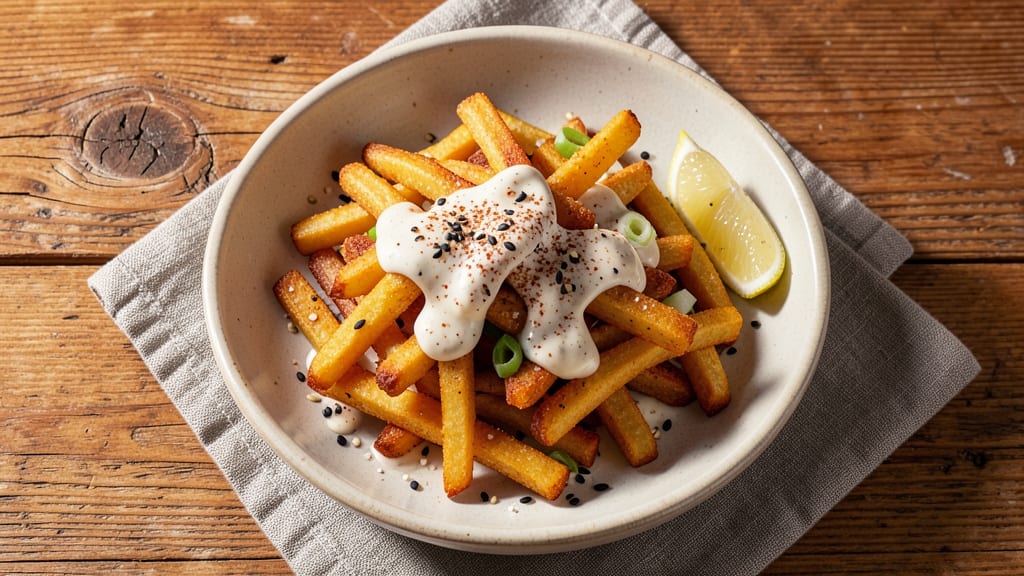
This taro fries recipe delivers the perfect balance of crispy crust and tender interior, transforming humble sweet potatoes into a snack worth savoring. The secret lies in precise slicing and a double-fry method that ensures golden perfection every time—no soggy sticks here.
I’ve tested this recipe countless times, and the results speak for themselves: restaurant-quality fries at home, with just a few simple ingredients and techniques.
Traditionally rooted in Polynesian cuisine, these fries are naturally sweet and starchy, making them ideal for frying or baking. The key to achieving that crispy exterior while keeping the inside tender is patience—thin, even slices and a hot cooking surface are non-negotiable.
Whether you’re air-frying for a lighter option or deep-frying for maximum crispiness, this method works every time.
Once cooked, the possibilities are endless: toss them in a sprinkle of garlic powder and smoked paprika for a savory kick, or dip them in a tangy vegan ketchup for a classic twist.
The texture is what makes these fries unforgettable—crunchy on the outside, fluffy on the inside, with just the right amount of natural sweetness. Serve them as a snack, side dish, or even a hearty appetizer for your next gathering.
This recipe is vegan by default, making it a versatile choice for any diet, and the method is simple enough for beginners but refined enough to impress. Let’s get started on creating fries that will have everyone asking for seconds.
Ingredients for taro fries
Crispy taro fries start with just nine simple ingredients—no fancy substitutions needed.
| Ingredient | Amount | Notes |
|---|---|---|
| Taro Root 🍠 | 2 lbs | Fresh, peeled, sliced into sticks |
| Extra-Virgin Olive Oil 🫒 | ½ cup | For frying, high smoke point |
| Unsweetened Almond Milk 🥛 | ¼ cup | For light coating, unsweetened |
| Garlic Powder 🧄 | 1 tbsp | For seasoning, freshly ground preferred |
| Smoked Paprika 🌶️ | 1 tbsp | For smoky flavor, high quality |
| Sea Salt 🧂 | 1 ½ tsp | Fine grain, kosher preferred |
| Ground Black Pepper 🌶️ | ½ tsp | Freshly ground for best flavor |
| Cornstarch 🌽 | ¼ cup | For crispy texture, fine grain |
| Lemon Juice 🍋 | 1 tbsp | Freshly squeezed, bright flavor |
| Vegan Mayonnaise 🥫 | 2 tbsp | For dipping, optional |
| Fresh Parsley 🌿 | ¼ cup | Chopped, for garnish |
The taro root is the star, so pick firm, vibrant tubers from the produce section. Asian markets often carry the best selection, but most grocery stores stock them too. Look for smooth skin with no bruises—those dark spots ruin the crisp. Peel the root completely, then slice into even 1/4-inch sticks (a mandoline makes this easier). The cornstarch is non-negotiable here; it creates that signature crispy crust. Bob's Red Mill or Anthony's Goods brands work perfectly for this recipe.
No almond milk? Oat milk or coconut milk works just as well for the light coating. Running short on smoked paprika? Regular paprika plus a pinch of liquid smoke gets you close. The vegan mayo for dipping can be swapped for cashew cream or tahini sauce if you prefer. Fresh parsley is ideal, but dried parsley at half the amount works in a pinch. For extra crispiness, double the cornstarch—but don't skip the olive oil. A high smoke point oil like avocado oil is even better if you're deep-frying.
Store cooked fries in an airtight container for up to 3 days, but they're best fresh. Reheat in a 350°F oven for 5-10 minutes to restore crispiness. For freezing, toss hot fries with a little extra oil before storing in a single layer on a tray. Once frozen, transfer to a bag and keep for up to 2 months. The lemon juice in the coating helps preserve freshness longer—don't skip it.
Why You'll Love This Recipe
- One-Pot Magic: I swear by this method—just toss peeled taro sticks in olive oil, a splash of almond milk, and those spices, then bake. No flipping, no boiling, no mess. The almond milk keeps them tender without turning to mush, and honestly? I’ve never cleaned up easier.
- Smoky-Savory Crunch: That smoked paprika and garlic powder combo? It’s the star. The outside gets this addictive crisp, but the inside stays creamy—like a hug in fry form. My picky eaters actually ask for seconds, and that’s saying something.
- Meal Prep MVP: I prep a whole tray on Sundays, store them in the fridge, and reheat in minutes. They’re great cold in salads, warm with dips, or even tossed into grain bowls later. Between us, this is my go-to for lazy days and last-minute gatherings.
- Budget Crispy Luxe: Taro’s cheaper than potatoes but feels like a treat. The olive oil and almond milk keep costs down, and a little goes a long way. Plus, the flavor’s so bold, you won’t miss the pricey shortcuts—trust me, I’ve tried them all.
Step-by-step instructions for crispy-crusted taro fries
Here's how to achieve perfectly golden, crispy taro fries with an irresistible crunch every time.
Prepare and Soak the Taro Sticks
Start by peeling the 2 lbs of taro root and cutting it into ¼-inch thick sticks using a sharp mandoline or knife. Cutting them uniformly ensures even cooking. Immediately place the sticks in a large bowl of cold water to prevent browning—they'll oxidize quickly.
Let them soak for 15 minutes, then drain and pat completely dry with paper towels. Any moisture left on the fries will prevent the coating from sticking properly. I press down firmly with a clean kitchen towel to remove all excess water before moving to the next step.
Create the Crispy Coating
In a medium bowl, whisk together the 0.25 cup unsweetened almond milk, 1 tbsp lemon juice, 1 tbsp garlic powder, 1 tbsp smoked paprika, 1.5 tsp sea salt, and 0.5 tsp ground black pepper. This creates a flavorful marinade that will infuse the fries while keeping them moist during frying.
In a separate shallow dish, combine the 0.25 cup cornstarch with 0.5 cup extra-virgin olive oil. The cornstarch creates a light, crispy crust while the oil ensures a golden finish. Add the drained taro sticks to the marinade and let them soak for 10 minutes, then transfer them to the cornstarch mixture, coating each piece evenly.
Fry to Golden Perfection
Heat 1.5 inches of oil in a deep skillet or Dutch oven to 350°F. Use a thermometer to monitor the temperature—it should stay steady. Working in batches of 8-10 fries at a time, carefully slide them into the hot oil. Fry for 3-4 minutes, turning occasionally, until they're golden brown and crispy.
Remove the fries with a slotted spoon and drain on a wire rack or paper towels. The rack allows air to circulate, keeping them crispy. If the oil temperature drops below 325°F, wait for it to recover before frying the next batch. Overcrowding the pan will lower the oil temperature and result in greasy fries.
Serve Immediately with Dipping Sauce
Transfer the crispy taro fries to a serving platter and sprinkle with 0.25 cup chopped fresh parsley for a pop of color. The parsley adds freshness and balances the smoky, garlicky flavors. Serve immediately while they're at their peak crispiness.
For dipping, mix the 2 tbsp vegan mayonnaise with a pinch of sea salt and ground black pepper to taste. The cool, creamy sauce contrasts beautifully with the warm, crispy fries. If you prefer a tangier option, drizzle with extra lemon juice or serve with a side of spicy aioli.
Pro Tips For Making Taro Fries
- PEEL AND SOAK: Taro’s skin is tough and bitter, so don’t just scrub it—peel it thickly first, then soak the cut pieces in cold water for 20 minutes. This removes excess starch and prevents the fries from turning gummy when frying.
- USE ALMOND MILK SPARINGLY: The recipe calls for unsweetened almond milk in the marinade, but too much makes the fries soggy. Stick to 2 tablespoons max—just enough to help the spices stick without drowning the flavor.
- DOUBLE-FRY FOR CRISP: Low and slow is the enemy here. Fry the taro at 350°F (175°C) first for 4-5 minutes to cook through, then crank the heat to 375°F (190°C) for the final 2-3 minutes to get that perfect golden crust. Skipping the second fry leaves them limp.
- SALT AFTER FRYING: Adding salt (or smoked paprika) to the marinade before frying draws out moisture, making the exterior greasy. Instead, toss the hot fries in a mix of garlic powder, smoked paprika, and a pinch of salt right after they come out of the oil—crisp stays crisp.
Make-ahead tips for this taro fries
Prep Ahead for Crispy Fries
Slice the taro sticks and store them in an airtight container with a damp paper towel to prevent drying. I keep them in the fridge for up to 24 hours before frying—this gives the cornstarch coating time to adhere better.
Just pat them dry thoroughly before coating. For extra flavor prep, mix the marinade ingredients (almond milk, lemon juice, and spices) in advance and store in a small jar. 🥛
Freeze for Future Snacks
Fry the taro sticks halfway (about 2 minutes at 350°F), then transfer them to a single layer on a baking sheet. Freeze completely before storing in a ziplock bag for up to 3 months.
When ready to serve, finish frying in the same oil until golden. This method preserves texture better than fully cooking ahead.
Batch Cooking for Parties
Double the recipe and fry all batches in the same oil—just maintain 325-350°F between batches. I use a deep Dutch oven with 3 inches of oil to accommodate larger quantities.
Keep cooked fries warm in a 200°F oven on a wire rack until serving. This ensures they stay crispy even when cooked in advance. 🍽️
Air Fryer Shortcut
For a lighter version, toss the coated taro sticks in the air fryer at 375°F for 12-15 minutes, shaking halfway. I prefer a Cosori air fryer for even heat distribution.
The cornstarch coating still works, but you may need to spray with a little oil for extra crispiness. This method cuts prep time by 30% while keeping calories lower.
Reheating Like a Pro
Revive leftover fries by tossing them in a 375°F oven with 1 tsp olive oil for 5-7 minutes. For the air fryer, cook at 390°F for 3-4 minutes until golden again.
Avoid microwaving—they’ll turn soggy. A quick sear in a skillet with fresh oil works too for that restaurant-style crunch. 🔥
Seasoning Flexibility
Pre-mix your seasonings and store them in small containers for quick access. I keep garlic powder, smoked paprika, and sea salt in a Penzeys spice jar for easy shaking.
For variety, swap the marinade for soy sauce and sesame oil (Asian-inspired) or chili powder and lime juice (Mexican-style) before frying. Adjust to taste after cooking. 🌶️
Nutrition facts
Frequently asked questions
Why do my taro fries turn out soggy instead of crispy?
Soggy fries usually happen from moisture or improper frying. Always pat the taro sticks completely dry after soaking, and maintain oil at 350°F—never below 325°F. Overcrowding the pan also lowers oil temperature, so fry in batches of 8-10 sticks at a time. For extra crispiness, double the cornstarch coating.
Can I bake taro fries instead of frying?
Toss the coated sticks on a parchment-lined baking sheet and bake at 425°F for 20-25 minutes, flipping halfway. For crispier results, broil for 2-3 minutes at the end. You’ll need to spray with oil halfway through to help the crust form. The texture won’t be as crispy as fried, but it’s a lighter alternative.
What’s the best way to store leftover taro fries?
Keep them crispy by storing in an airtight container at room temperature for 1 day, or refrigerate for up to 3 days. Reheat in a 375°F oven for 5-7 minutes with a light oil spray. For longer storage, freeze fully cooked fries (no reheating needed) for up to 2 months. Always reheat until golden and crispy.
How do I know when taro root is ripe and ready to use?
Look for firm tubers with smooth, unblemished skin in vibrant colors (purple, white, or pink). Avoid any with soft spots, bruises, or sprouting eyes—these indicate spoilage. The riper the taro, the sweeter and more flavorful your fries will be, but it should still feel heavy for its size.
Are taro fries gluten-free?
Yes, this recipe is naturally gluten-free since it only uses cornstarch for coating. Always double-check your cornstarch brand for cross-contamination warnings if you have severe gluten sensitivities. The almond milk and spices are also gluten-free, making these fries safe for most gluten-free diets.