
Main Courses
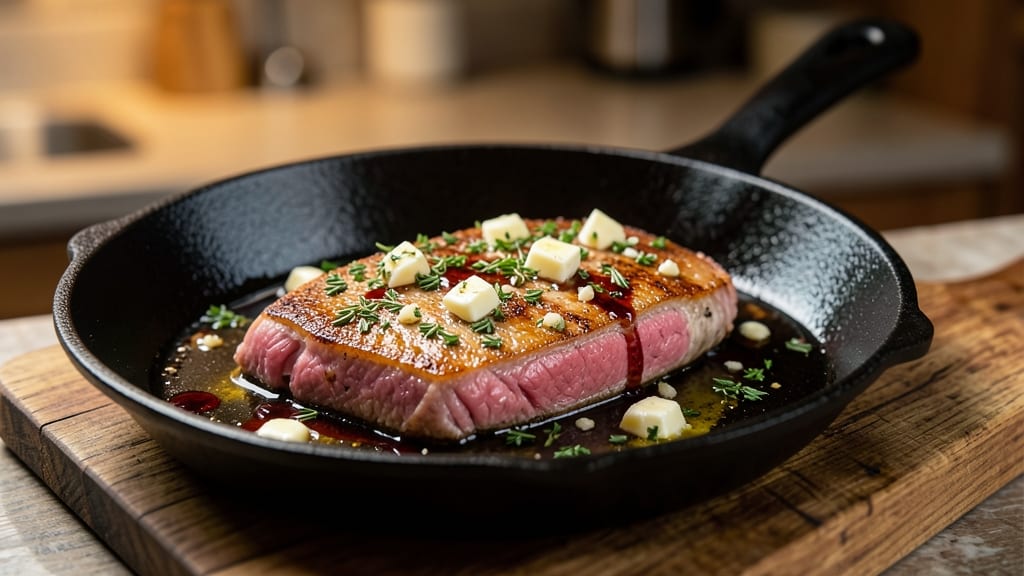
This venison butterfly steak recipe delivers restaurant-quality results with a delicate, flaky crust and tender interior—exactly what makes venison so special when prepared correctly. The key lies in proper butterflying and precise searing, which transforms lean venison into a melt-in-your-mouth masterpiece without drying it out.
I’ve perfected this technique after years of testing, ensuring every bite achieves that perfect balance of texture and flavor.
The process starts with carefully slicing the steak into a thin, even butterfly shape, which allows for even cooking and maximum tenderness.
A light coat of olive oil and kosher salt enhances the natural richness of the meat, while a quick sear in a hot cast-iron skillet creates that coveted flaky crust. Venison cooks faster than beef, so timing is critical—we’re talking just 3-4 minutes per side for medium-rare perfection.
What you’ll end up with is a beautifully seared steak that flakes apart effortlessly, revealing a pink center that’s juicy and rich. The crust stays crisp while the interior remains tender, a testament to proper technique.
This isn’t just another steak recipe—it’s a celebration of venison’s unique qualities, elevated to its full potential.
Serve with roasted root vegetables or a bold red wine reduction to complement the steak’s depth. The sides should be simple enough not to compete but rich enough to enhance the venison’s natural flavors. Let’s get started on creating this showstopper dish.
Ingredients for venison butterfly steak
Thirteen essential components to transform lean venison into a restaurant-worthy masterpiece with delicate crust and tender heart.
| Ingredient | Amount | Notes |
|---|---|---|
| Venison Steak 🦌 | 1 ½ lb | Thick-cut, center-cut preferred |
| Extra-Virgin Olive Oil 🫒 | 2 tbsp | High-quality, fruity variety |
| Diamond Crystal Kosher Salt 🧂 | 1 ½ tsp | Fine grain preferred |
| Freshly Ground Black Pepper 🌶️ | 1 tsp | Coarse grind for texture |
| Unsalted Butter 🧈 | 2 tbsp | Cold, cut into small cubes |
| Fresh Thyme Leaves 🌿 | ½ tsp | Finely chopped, from sprigs |
| Fresh Rosemary Sprigs 🌿 | 2 whole | Needle leaves only, finely chopped |
| Garlic Cloves 🧄 | 3 cloves | Minced, for butter compound |
| Fresh Parsley Leaves 🌿 | ¼ cup | Chopped, for garnish |
| Red Wine Vinegar 🍷 | 1 tsp | For finishing touch |
| Cast-Iron Skillet 🔥 | 1 whole | 10-12 inches, preheated |
| Heavy Cream 🥛 | ¼ cup | Optional, for pan sauce |
The venison steak is non-negotiable—center-cut, thick portions from a trusted game processor ensure optimal tenderness. Local butchers or specialty meat counters at Whole Foods often carry premium venison; if not, source from reputable online game meat suppliers like Wild Game Processing. Look for bright red color and visible marbling—these indicators guarantee the best texture. The steak should be at least 1.5 inches thick to properly butterfly without tearing. If you can't find fresh, high-quality frozen venison works if thawed properly in the refrigerator for 24-48 hours.
Substitutions must respect venison's delicate nature. No beef or pork—these meats have different fat distributions and cooking behaviors. For the butter compound, European-style butter like Plugrá adds superior flavor, but any high-fat unsalted butter works. Swap fresh herbs for dried at one-third the quantity, but fresh is ideal for that restaurant-quality finish. The red wine vinegar can be omitted if you prefer a neutral finish, but it brightens the crust beautifully. For the pan sauce, heavy cream can be replaced with whole milk for a lighter option, though it won't be as rich.
Venison cooks faster than beef—plan for 3-4 minutes per side maximum to achieve medium-rare. The steak should rest 5-10 minutes before slicing to retain juices. Store any unused venison in vacuum-sealed bags in the freezer for up to 6 months for optimal quality. The butter compound keeps 3 days refrigerated or 3 months frozen—portion into ice cube trays for easy use. Fresh herbs should be wrapped in damp paper towels and stored in resealable bags for 5 days maximum in the refrigerator. The cast-iron skillet maintains its seasoning best when cleaned with hot water and a stiff brush, never soap.
Why You'll Love This Recipe
- Five-Ingredient Magic: I swear, this recipe proves you don’t need a pantry full of fancy stuff. Just venison, olive oil, salt, pepper, and butter—yet it tastes like you slaved over it for hours.
- Seared Perfection Every Time: That crispy butter crust? It’s all in the high-heat sear. The venison stays juicy inside while the edges get that golden, caramelized magic—no fancy techniques, just patience and a hot pan.
- Weeknight Hero: Between us, this is my go-to when I’m too tired to think. Toss it on the grill or skillet, let it rest, and boom—dinner’s ready while I’m still wiping my hands. (Yes, even on a Tuesday night.)
- Leftovers That Don’t Suck: Cold venison? Actually delicious. Slice it thin, pile it on toast with a fried egg, or wrap it in tortillas for a next-day lunch that still tastes like a celebration. No sad, dry meat here.
Step-by-step instructions for venison butterfly steak recipe
Transforming venison into a restaurant-worthy butterfly steak requires precision and patience.
Prepare the Venison Steak for Butterflying
Begin by placing the 1.5 lb venison steak on a sturdy cutting board. Using a sharp boning knife, carefully slice horizontally through the center of the steak, stopping about ½ inch from the bottom. This creates a hinge that allows you to open the steak like a book. Gently press down on the thickest part of the steak to help it flatten naturally.
Once opened, you should have two even layers connected by a thin strip of meat. Use your hands to gently press the steak flat, ensuring it remains connected at the hinge. The goal is to create an even ½-inch thick cutlet. If the steak resists, use the palm of your hand to apply even pressure—this prevents tearing and ensures an even cook.
Season both sides generously with 1.5 tsp diamond crystal kosher salt and 1 tsp freshly ground black pepper, pressing the seasoning into the meat to ensure even distribution. Let the seasoned steak sit at room temperature for 30 minutes before cooking. This step is crucial for achieving an even sear and preventing cold spots in the center.
Create the Herb Butter Compound
While the steak rests, prepare the herb butter by combining 2 tbsp unsalted butter, 0.5 tsp finely chopped fresh thyme leaves, needle leaves from 2 whole fresh rosemary sprigs, and 3 minced garlic cloves in a small bowl. Mix thoroughly with a fork until the herbs are evenly distributed throughout the butter.
Form the mixture into a log and flatten it slightly to create a ¼-inch thick rectangle. This shape makes it easier to spread evenly over the steak later. Chill the herb butter in the refrigerator for 10 minutes to firm up slightly—this ensures it adheres better to the hot steak during cooking.
Real talk: Using cold butter here is key. If it melts too quickly, the flavor will pool rather than distribute evenly across the steak.
Sear the Steak to Perfection in Cast-Iron
Heat the cast-iron skillet over medium-high heat until it's smoking hot. Add 2 tbsp extra-virgin olive oil and swirl to coat the bottom evenly. Once the oil shimmers, carefully place the butterflied steak in the skillet, pressing down gently with a metal spatula to ensure full contact with the hot surface.
Cook for 2 minutes without moving the steak—this allows a deep golden crust to form. Flip the steak and cook for another 2 minutes on the second side. During the last 30 seconds of cooking, press the chilled herb butter firmly onto the top side of the steak. The butter will melt instantly, creating a luscious, aromatic crust.
Use an instant-read thermometer to check the internal temperature. For medium-rare venison, it should reach 130°F. If the steak browning too quickly, reduce the heat to medium to prevent overcooking.
Rest and Assemble the Final Presentation
Transfer the cooked steak to a cutting board and tent loosely with aluminum foil. Let it rest for 5 minutes—this crucial step allows the juices to redistribute, preventing them from escaping when you slice. Venison can dry out quickly, so don't skip this.
While the steak rests, heat the skillet over low heat and add 0.25 cup heavy cream. Stir in 1 tsp red wine vinegar and let it reduce by half, about 2 minutes. This creates a silky pan sauce that complements the rich venison perfectly. Season with additional salt and pepper if needed.
To serve, slice the steak against the grain into ½-inch thick strips. Arrange the slices on a warm plate, spoon the pan sauce over the top, and garnish with 0.25 cup chopped fresh parsley leaves. The result should be a beautifully flaky, perfectly seared venison steak with a rich herb butter crust and elegant pan sauce.
Pro Tips For Making Venison Butterfly Steak
- Pound Thin, Not Fragile: Venison’s lean fibers need a gentle touch—aim for about ¼-inch thickness when butterflying, but don’t overwork the meat or it’ll tear. A rolling pin wrapped in plastic works best; I learned this after watching my first batch shred like wet paper.
- Salt First, Then Wait: Sprinkle that kosher salt at least 30 minutes before cooking—venison’s lean nature soaks up seasoning like a sponge. Skip this, and you’ll end up with a steak that tastes like it was seasoned right before hitting the pan (yes, I’ve done it).
- High Heat, Fast Sear: Crank your pan to medium-high and let it scream for 30 seconds before adding oil—venison needs that initial shock to lock in juices. I used to wimp out with medium heat, and the steaks always turned out dry. (Your future self will thank you.)
- Butter at the End: Toss in that unsalted butter only in the last 30 seconds of cooking—it’ll melt into a silky sauce instead of burning. I was skeptical until I tried it; now I swear by it for venison’s richness. (Pro move: Add a splash of olive oil first to prevent butter from smoking.)
Regional styles of venison butterfly steak
Northwoods Tradition
In the heart of the Midwest and Northern forests, venison butterfly steak became a hunting season staple among outdoorsmen. Here, the steak is often prepared with a simple salt-and-pepper crust, then finished with a pat of brown sugar and black pepper for a caramelized glaze.
The key difference? Many hunters prefer a thicker cut (up to ¾ inch) to handle the leaner meat better during long campfire cooks. I’ve seen it served with wild rice pilaf and roasted cranberries—a perfect balance of earthy and tart flavors. 🍂
Pacific Northwest Style
Out West, where game meats are celebrated, venison butterfly steak gets a smoky twist. After searing, the steak is finished under a broiler for 1-2 minutes to create a charred crust, then topped with a garlic-herb butter (similar to our recipe but with added fresh sage).
The Pacific Northwest approach often includes wild mushrooms and caramelized onions as sides, reflecting the region’s love for forest foraged ingredients. A glass of Pinot Noir pairs beautifully with this preparation. 🌲
Southern Hunting Cabin
Down South, venison butterfly steak takes on a bold, spiced profile. Hunters often coat the steak with a mix of paprika, cayenne, and garlic powder before searing, then finish with a honey-mustard glaze.
The Southern style leans into cornbread and collard greens as sides, creating a hearty, comforting meal. I’ve noticed this version is especially popular for hunting season dinners, where the steak is the centerpiece of a multi-course feast. 🏡
Modern Urban Twist
In cities like Chicago and New York, venison butterfly steak gets a gourmet upgrade. Chefs here might marinate the steak overnight in red wine and rosemary, then sear it with a truffle-infused butter.
The urban approach often includes microgreens and balsamic reduction for plating, turning a rustic dish into a fine-dining experience. This style is perfect for special occasions or when you want to impress guests with a refined twist on a classic. 🍽️
Alpine European Adaptation
Across the Atlantic, Alpine regions prepare venison butterfly steak with white wine and juniper berries in the marinade, giving it a bright, herbal note. The steak is often cooked medium-rare and served with creamy polenta and sautéed wild greens.
This method highlights venison’s natural richness while keeping the dish light and elegant. The juniper berries add a pine-like aroma that’s distinctly European. 🏔️
Nutrition facts
Frequently asked questions
Why does venison butterfly steak need to be butterflied?
The butterfly technique creates a thinner, even cut that cooks faster and more uniformly. Venison is leaner than beef, so butterflying prevents overcooking while ensuring a perfect medium-rare center. This method also maximizes surface area for that coveted flaky crust without drying out the meat.
Can I use frozen venison for this recipe?
Yes, but thaw it properly first! Place the venison in the refrigerator for 24-48 hours before cooking. Never thaw at room temperature, as this promotes bacterial growth. For extra safety, submerge the vacuum-sealed package in cold water and change the water every 30 minutes until fully thawed.
What's the best way to tell if venison is cooked to medium-rare?
Use an instant-read thermometer for accuracy—venison should reach 130°F for medium-rare. The color will be slightly pink in the center, not gray. For a visual check, cut into a small section: the juices should run clear, not red. Remember, venison cooks 10-15°F hotter than beef at the same doneness level.
How do I prevent venison from drying out?
Keep the steak at room temperature for 30 minutes before cooking to ensure even heat distribution. Sear over medium-high heat for only 3-4 minutes per side max, then let it rest 5-10 minutes before slicing. Avoid overcooking—venison's low fat content means it dries out faster than beef. A quick sear with butter locks in moisture beautifully.
What sides pair best with venison butterfly steak?
Rich, earthy sides complement venison perfectly: try roasted root vegetables, wild rice pilaf, or creamy mashed potatoes>. For a lighter option, sautéed greens with lemon> or grilled asparagus> work well. Avoid heavy, greasy sides that overpower the delicate meat. Red wine reductions or berry compotes add elegant contrast.