
Sauces & Condiments
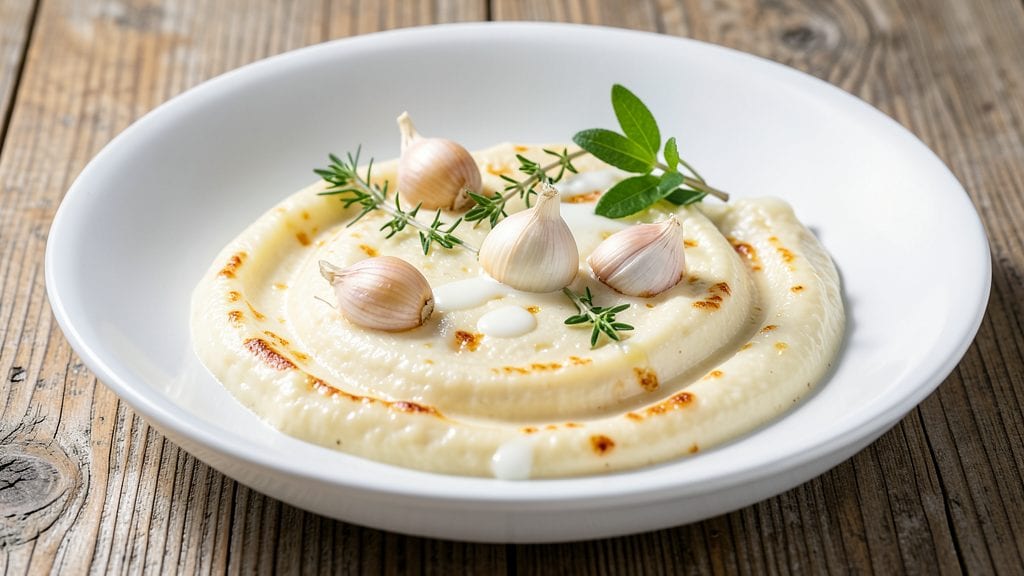
This white cheese recipe—where sharp cheddar meets cream cheese—transforms ordinary dishes into something extraordinary, creamy yet tangy, rich yet balanced, with a velvety texture that clings perfectly to pasta, meats, or vegetables.
The secret lies in blending sharp cheddar for depth with cream cheese for smoothness, creating a sauce that’s both comforting and sophisticated. I developed this after years of experimenting with white cheese bases, and it’s become my go-to for elevating weeknight dinners without sacrificing flavor or complexity.
The beauty of this recipe is its versatility—it works as a one-pot pasta sauce, a dipping sauce for grilled chicken, or even a spread for sandwiches. The preparation is straightforward: melt the cheeses together, simmer until silky, and adjust seasonings to taste.
No fancy techniques required, just precise timing and quality ingredients. What you’ll end up with is a sauce that’s restaurant-quality but achievable at home, with a perfect balance of creaminess and sharpness that lingers on the palate.
This fusion sauce is ideal for those who love the richness of white cheeses but crave the boldness of sharp cheddar. The combination delivers a creamy, velvety texture with a subtle tang that cuts through richness, making it perfect for hearty dishes or lighter applications.
Whether you’re serving it over fettuccine, drizzling it on steak, or using it as a dip, the result is consistently impressive. Let’s get started on creating this versatile, crowd-pleasing sauce.
For added depth, consider incorporating herbs like thyme or basil, or a touch of garlic for extra flavor. The sauce also reheats beautifully, making it a great option for meal prep.
Pair it with crusty bread, roasted vegetables, or grilled proteins to create a well-rounded meal. This isn’t just a sauce—it’s a flavor multiplier that turns simple ingredients into something extraordinary.
Ingredients for white cheese
Sharp cheddar meets velvety cream cheese in this restaurant-quality fusion sauce—where tangy depth meets luxurious creaminess.
| Ingredient | Amount | Notes |
|---|---|---|
| Sharp White Cheddar Cheese 🧀 | 1 ½ cups | Block cheese, freshly grated |
| Cream Cheese 🧈 | 8 oz | Full-fat, room temperature |
| Heavy Cream 🥛 | ½ cup | 36% fat for richness |
| Unsalted Butter 🧈 | 2 tbsp | European-style preferred |
| Fresh Garlic Cloves 🧄 | 3 cloves | Minced, for aromatic depth |
| Fresh Thyme Leaves 🌿 | ¼ cup | Chopped, stems removed |
| Diamond Crystal Kosher Salt 🧂 | ¾ tsp | Adjust to taste |
| Freshly Ground Black Pepper 🌶️ | ½ tsp | Coarse grind preferred |
| Extra-Virgin Olive Oil 🫒 | 1 tbsp | For finishing, fruity variety |
| All-Purpose Flour 🌾 | 1 tbsp | For thickening if needed |
| Lemon Zest 🍋 | 1 tsp | Brightens flavor profile |
| Dried Mustard Powder 🌶️ | ¼ tsp | Adds subtle complexity |
| Fresh Basil Leaves 🌿 | ⅛ cup | Optional, for fresh finish |
The sharp white chedddar is non-negotiable here—Cabot or Tillamook deliver that perfect balance of sharpness and creaminess. Opt for block cheese and freshly grate it; pre-shredded contains anti-caking agents that alter texture. Whole Foods or specialty cheese shops carry the best quality, but most grocery stores stock reliable brands. For the cream cheese, Philadelphia Original is the gold standard, though any full-fat variety works. Room temperature cheeses blend more smoothly—microwave for 10 seconds if needed. The heavy cream should be 36% fat minimum for that signature richness; lighter versions dilute the sauce's luxurious mouthfeel.
No sharp white cheddar? Extra-sharp cheddar plus a pinch of white wine vinegar mimics the tang. Substituting cream cheese? Gouda or Gruyère add depth, though texture will differ slightly. Fresh herbs unavailable? Dried thyme at one-third the amount works, but fresh basil or thyme adds that restaurant-quality finish. The European-style butter matters—it contains more fat and less water, creating a silkier sauce. For extra tang, add a splash of lemon juice instead of zest. The flour is a backup thickening agent; if the sauce is too thin, whisk in a bit of the cold butter to temper before adding flour to avoid curdling.
This sauce reheats beautifully—simmer gently until smooth, about 2-3 minutes, stirring constantly. For meal prep, store in airtight containers for up to 5 days in the fridge or 3 months frozen. To reheat from frozen, thaw overnight in the fridge, then warm on low heat with a splash of heavy cream. The sauce thickens as it cools, so adjust consistency with additional cream or a splash of milk if needed. Garnish with fresh herbs or a drizzle of extra-virgin olive oil just before serving to maintain vibrant flavors.
Why You'll Love This Recipe
- No Chopping Needed: I swear by this one—just grate the cheddar, mix it with softened cream cheese and butter, then fold in minced garlic. No knife skills required, and the result? Creamy, tangy perfection every time.
- Garlic Butter Magic: That sharp white cheddar and fresh garlic? It’s like a flavor explosion in your mouth. The butter ties it all together—rich, smooth, and just salty enough to make you crave seconds.
- Game for Any Meal: Slather it on toast for breakfast, melt it over steak for dinner, or stuff it in baked potatoes for a lazy Sunday. Honestly, I’ve used it in everything from dips to pasta—it’s my go-to for when I’m not feeling fancy.
- Leftovers That Don’t Suck: Make a big batch, store it in the fridge, and it keeps for days. Between us, I’ve reheated this stuff cold straight from the fridge and still loved it—no waste, no fuss, just pure convenience.
Step-by-step instructions for sharp cheddar and cream cheese fusion sauce
Master this velvety fusion sauce where sharp cheddar meets creamy richness for versatile applications.
Create the Cheese Base
In a medium saucepan, combine the 1.5 cups sharp white cheddar cheese and 8 oz cream cheese. Place over low heat and stir constantly with a silicone spatula until the mixture reaches 160°F and becomes completely smooth. This gradual melting prevents scorching while ensuring all cheese integrates fully.
Here's the thing—don't rush this step. The cheese should melt into a thick, homogeneous paste with no visible lumps. If you see any dry spots, add 1 tablespoon of heavy cream at a time until fully incorporated. The sauce should coat the back of a spoon without being overly liquid.
Build Depth with Aromatics
Reduce heat to medium-low and add the 2 tablespoons unsalted butter, 3 minced fresh garlic cloves, 0.25 cup chopped fresh thyme leaves, 0.75 teaspoon diamond crystal kosher salt, and 0.5 teaspoon freshly ground black pepper. Stir continuously for 3-4 minutes until the garlic becomes fragrant but doesn't brown—this ensures aromatic complexity without bitterness.
I always taste at this stage to adjust seasoning. The sharp cheddar dominates initially, so I add a pinch more salt if needed. The thyme should perfume the air noticeably, and the butter should create a glossy sheen on the sauce surface. This is where the sauce's character develops.
Develop Body with Cream and Finishing Touches
Increase heat to medium and pour in the 0.5 cup heavy cream. Bring to a gentle simmer while whisking constantly for 2-3 minutes until the sauce thickens slightly. For added brightness, stir in the 1 teaspoon lemon zest and 0.25 teaspoon dried mustard powder—these ingredients elevate the cheese's natural flavors without overpowering them.
The sauce should now coat a spoon with a velvety texture. If it's too thick, thin with 1 tablespoon water at a time. For extra richness, whisk in the 1 tablespoon extra-virgin olive oil off the heat—this adds a subtle fruity note that balances the cheddar's sharpness.
Optional Fresh Herb Finish
Remove the sauce from heat and stir in the 0.125 cup fresh basil leaves using a fork to create ribbons. This step is optional but adds a vibrant contrast to the creamy, cheesy base. The basil should wilt slightly but remain visible, adding both color and freshness to each spoonful.
For immediate use, keep the sauce warm over low heat with occasional stirring. For storage, transfer to an airtight container and refrigerate for up to 5 days, or freeze for 3 months. When reheating, warm gently over low heat while stirring constantly to prevent graininess.
Pro Tips For Making White Cheese
- Melt Cheese Slowly: If you blast heat on sharp white cheddar, it’ll seize up like a stubborn mule. Start over medium-low, stir every 30 seconds, and let it soften into a smooth ribbon before adding cream cheese—this prevents grainy lumps. (Yes, it takes patience, but your sauce will thank you.)
- Grate, Don’t Chop: Cream cheese and sharp cheddar play better when finely grated—no big chunks. Pulse them in a food processor for 10 seconds or use a box grater. This ensures a silky texture instead of a chewy surprise. (I learned this after serving a bite with a cheddar nugget in it.)
- Roast Garlic First: Skip the raw garlic’s sharp bite by roasting 3-4 cloves at 400°F for 20 minutes, wrapped in foil. Mash them into the sauce for a mellow, caramelized depth. (Your future self will wonder why you ever used raw garlic.)
- Temper the Cream: Warm the heavy cream to room temp before mixing it into the cheese—cold cream shocks the heat and curdles like a bad milkshake. Stir a spoonful of the melted cheese into the cream first, then blend. (This is the thing that actually changes the outcome.)
Essential equipment for great white cheese
Cheese Melting Essentials
Your first priority is a high-quality saucepan—I recommend a 3-quart stainless steel saucepan like the All-Clad Stainless for even heat distribution. The flat bottom prevents hot spots that can scorch your cheese.
A silicone spatula (I use OXO Good Grips) is non-reactive and flexible enough to scrape every last bit of sauce from the pan. For precision temperature control, a thermometer like the Thermoworks Thermapen ensures you hit that 160°F melting point without guessing. 🌡️
Immersion Blender Advantage
If you want ultra-smooth texture without lumps, an immersion blender (like the Ninja Foodi Power Blender) is a game-changer. After melting the cheeses, blend directly in the pan for 10-15 seconds on medium speed. This eliminates the need for flour as a thickener while creating a silky consistency.
For those without an immersion blender, a high-speed blender (like Vitamix) works too—just blend the melted cheese mixture briefly before returning it to the pan.
Precision Tools for Finishing
A microplane (like MikroMatic) is perfect for fresh lemon zest and garlic mincing—it creates fine, even particles that distribute flavor evenly. For herbs, a sharp chef's knife and cutting board ensure clean cuts.
I also keep a small whisk (like OXO Stainless Steel) handy for incorporating the heavy cream and olive oil at the end. A fine-mesh strainer (like OXO Good Grips) catches any herb stems if you prefer a smoother finish.
Storage Containers
For leftovers, glass airtight containers (like Pyrex Simply Store) are ideal—they maintain flavor and prevent absorption of fridge odors. If freezing, use silicone molds (like Nordic Ware) for easy portioning.
Label containers with dates since this sauce thickens upon reheating. A small ladle (like OXO Good Grips) helps portion reheated sauce evenly without overfilling bowls.
Budget-Friendly Swaps
No need for high-end tools—start with a heavy-bottomed saucepan (like Farberware Classic) and a wooden spoon for stirring. A handheld grater works for cheese, and a garlic press speeds up mincing.
For blending, a handheld immersion stick blender (like Hamilton Beach) is affordable and effective. The key is maintaining constant motion while melting to prevent scorching, regardless of your equipment level.
Nutrition facts
Frequently asked questions
Can I substitute cream cheese with another white cheese?
For a tangier profile, try ricotta (mix with 1/4 cup heavy cream to thin) or mascarpone (use equal parts). For a sharper kick, swap 1/4 of the cream cheese with fresh goat cheese or feta. Just remember—ricotta and mascarpone are softer and may require more butter to stabilize. Always melt slowly over low heat to prevent graininess.
Why did my sauce turn grainy?
Graininess usually happens from overheating or uneven melting. Keep the heat at low-medium and stir constantly with a silicone spatula. If lumps form, whisk in 1 tablespoon cold butter to temper, then blend briefly with an immersion blender. For extra insurance, strain the melted cheese through a fine-mesh sieve before adding other ingredients.
How can I make this sauce dairy-free?
Replace the cheeses with cashew cream (soak 1 cup cashews overnight, then blend with 1 cup water) and nutritional yeast (1/4 cup) for cheesy flavor. Use coconut milk instead of heavy cream, and add 1 tsp apple cider vinegar for tang. Simmer until thickened, then blend until smooth. The texture will be lighter but still rich and velvety.
Can I use this sauce on vegetables instead of pasta?
Perfect for roasted or grilled vegetables! Toss zucchini, asparagus, or Brussels sprouts with the sauce after cooking, then broil for 2-3 minutes until bubbly. It also works as a dip for crudités or a glaze for portobello mushrooms. For extra flavor, add 1 tsp smoked paprika or 1/2 tsp red pepper flakes to the sauce before serving.
Will this sauce work for stuffed chicken or fish?
Yes! Spread a thin layer on chicken breasts or white fish fillets (like cod or halibut), then roll or fold before baking. For stuffed applications, mix the sauce with breadcrumbs and grated Parmesan to create a filling for shrimp or chicken. Bake at 375°F for 15-20 minutes until golden. The sauce will melt into a creamy, flavorful center.