
Main Courses
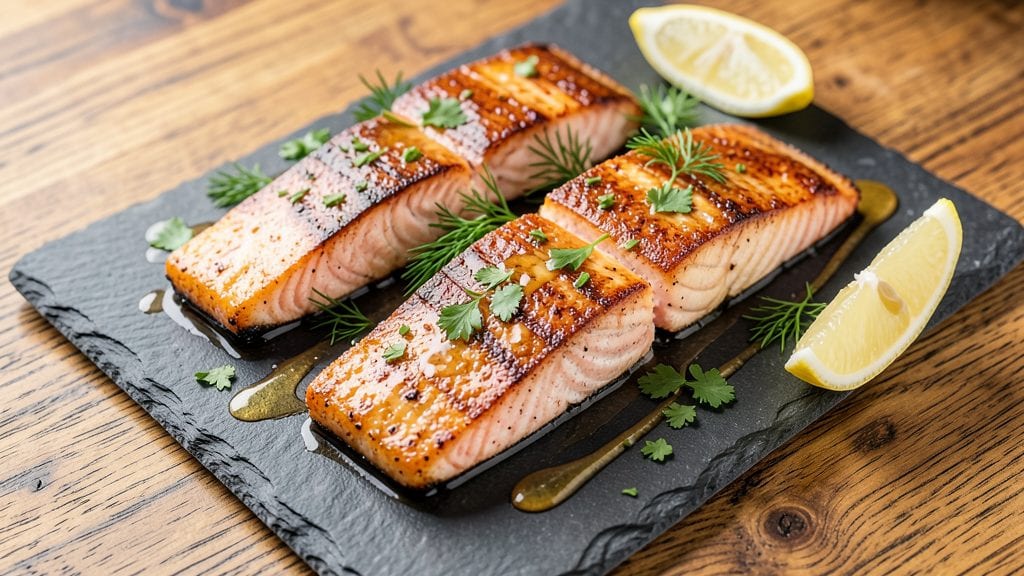
This world’s best salmon recipe delivers the perfect balance of crispy skin and tender, buttery flesh—what makes it truly exceptional is the golden herb glaze that locks in moisture while adding depth.
After testing countless methods, I discovered the secret lies in a precise searing technique and a simple glaze that transforms ordinary salmon into a restaurant-worthy centerpiece. The result is a dish that looks elegant but requires minimal effort, making it ideal for weeknight dinners or special occasions.
The key to achieving this world-class texture starts with skin-on fillets, seared in a cold pan to render the fat slowly before building heat for that coveted crisp.
A light coating of butter and fresh herbs infuses every bite with aromatic richness, while a touch of honey in the glaze adds just enough sweetness to complement the natural oiliness of the fish.
This method ensures your salmon stays juicy inside while developing a golden crust that holds its shape beautifully.
What sets this recipe apart is how effortlessly it delivers professional results—no special equipment or advanced skills required. The buttery herb glaze not only enhances flavor but also creates a glossy finish that makes plating simple yet impressive.
Whether you're cooking for two or hosting a dinner party, this technique guarantees salmon that tastes like it came straight from a Michelin-starred kitchen.
Pair with roasted vegetables or a fresh salad to complete the meal—every component will shine alongside this standout protein. The method is foolproof, the flavors are balanced, and the presentation is undeniably elegant. Ready to elevate your salmon game?
Ingredients for world's best salmon
Skin-on fillets, butter, and fresh herbs—this is your golden ticket to restaurant-quality salmon at home.
| Ingredient | Amount | Notes |
|---|---|---|
| Skin-On Salmon Fillets 🐟 | 4 whole | Center-cut, 6-8 oz each, skin on |
| Unsalted Butter 🧈 | ½ cup | Cold, cut into 8 pieces |
| Fresh Lemon Juice 🍋 | 2 tbsp | From 1 small lemon |
| Honey 🍯 | 1 tbsp | Light or wildflower preferred |
| Fresh Dill 🌿 | ¼ cup | Finely chopped, stems removed |
| Fresh Parsley 🌿 | ¼ cup | Finely chopped, flat-leaf preferred |
| Garlic Cloves 🧄 | 2 cloves | Minced, fresh preferred |
| Extra-Virgin Olive Oil 🫒 | 2 tbsp | High-quality, fruity |
| Kosher Salt 🧂 | 1 ½ tsp | Fine grain preferred |
| Ground Black Pepper 🌶️ | ½ tsp | Freshly ground |
| All-Purpose Flour 🌾 | 1 tbsp | For dredging skin |
The salmon is non-negotiable—center-cut fillets with skin intact are key for that perfect crisp. Whole Foods or your local fishmonger usually carry them fresh, but if you're buying frozen, thaw overnight in the fridge. Look for fillets with a vibrant color and minimal bruising. I always grab wild-caught Alaskan when possible, but farmed works too. The skin should be smooth and unbroken—no cracks or tears. For the butter, Plugrá or Land O'Lakes unsalted are my go-tos (the good stuff, not the pre-packaged tubs).
No fresh dill? Dried dill at half the amount works in a pinch, but fresh is absolutely essential for that bright, herby flavor. The honey can be swapped for maple syrup if you're avoiding it, but local raw honey adds depth. No minced garlic? Garlic powder at 1/4 tsp gets you close, though fresh is always better. The olive oil matters here—California avocado oil works too, but stick with something fruity and high-quality. For the flour, King Arthur all-purpose dredges beautifully, but any flour will do in a pinch.
This glaze keeps beautifully—store any leftovers in an airtight container in the fridge for up to 3 days. The salmon itself reheats poorly, so cook only what you need. If you're prepping ahead, cook the salmon, then assemble the glaze fresh before serving. The butter pieces will melt perfectly when reheated gently. For presentation, serve on a platter with lemon wedges and fresh herbs—instant restaurant vibes.
Why You'll Love This Recipe
- Five-Ingredient Magic: I swear by this combo—salmon, butter, lemon, honey, and dill. That’s it. No fancy prep, no stress, just flavor that hits every time the pan gets hot.
- Crispy Skin, Melty Center: The secret? Don’t skip the skin. It crisps up golden while the inside stays tender, and that honey-butter glaze? Chef’s kiss. Honestly, the first time I nailed it, I called my mom just to say it out loud.
- Weeknight to Dinner Party: Same recipe, different vibes. Serve it with roasted potatoes for a lazy Tuesday or drizzle extra honey over seared scallops for a fancy date night. The dill keeps it bright, the honey adds richness—it’s the chameleon of fish dishes.
- Leftovers That Don’t Suck: Most salmon recipes turn into sad, dry rubber the next day. Not this one. The butter keeps it moist, and I’ve reheated slices straight from the fridge for breakfast wraps—yes, really. Even my picky teenager doesn’t complain.
Step-by-step instructions for world's best salmon recipe
Here's the method that delivers restaurant-quality salmon with crispy skin and a luscious herb butter glaze every time.
Prepare the Salmon and Seasoning
Pat the 4 whole skin-on salmon fillets completely dry with paper towels—this is critical for crispy skin. Place them skin-side down on a cutting board and sprinkle each fillet evenly with 1.5 teaspoons kosher salt and 0.5 teaspoon ground black pepper. Let them sit at room temperature for 15 minutes while you prepare the glaze.
While the salmon seasons, finely chop the 0.25 cup fresh dill and 0.25 cup fresh parsley, removing any stems. In a small bowl, combine the chopped herbs with the 2 cloves minced garlic, 2 tablespoons fresh lemon juice, and 1 tablespoon honey. This herb mixture will infuse the butter with incredible flavor—don't skip the fresh herbs, as dried won't give the same brightness.
Create the Buttery Herb Glaze
In a small saucepan, melt the 0.5 cup cold unsalted butter over low heat until it becomes completely liquid but not browned. Remove from heat and stir in the herb mixture you just prepared. Let it steep for 5 minutes to allow the flavors to meld together. This infusion transforms ordinary butter into a luxurious glaze that will make your salmon shine.
While the butter infuses, heat 2 tablespoons extra-virgin olive oil in a large skillet over medium-high heat until it shimmers but doesn't smoke. Lightly dredge both sides of each salmon fillet with 1 tablespoon all-purpose flour, shaking off any excess. The flour creates a delicate crust that helps the skin crisp beautifully.
Sear the Salmon to Perfect Crispiness
Carefully place the floured salmon fillets skin-side down in the hot skillet. Press down gently on each fillet with a spatula for 10 seconds to ensure good contact with the pan—this prevents curling. Cook undisturbed for 4-5 minutes until the skin is deep golden brown and crispy. You'll smell that amazing aroma when it's ready to flip.
Using a thin fish spatula, carefully flip each fillet and cook for another 3-4 minutes until the salmon reaches 130-135°F internally. The skin should be perfectly crisp while the flesh remains tender and moist. If any fillets cook faster than others, remove them to a plate and keep warm while finishing the remaining ones.
Finish with the Herb Butter Glaze
Reduce the heat to medium-low and remove the salmon from the skillet, leaving the rendered butter and oil in the pan. Pour the herb-infused butter over the salmon, spooning it generously over each fillet. Let the salmon rest on a warm plate for 2-3 minutes while the butter melts and creates that gorgeous glaze.
The salmon is ready when the butter has completely melted and coated the fillets. Garnish each piece with a sprinkle of extra chopped parsley and dill for a pop of color. Serve immediately with lemon wedges on the side—this dish tastes best when enjoyed fresh while the skin is still crisp and the butter glaze is warm and luxurious.
Pro Tips For Making World'S Best Salmon
- CRACK THE SKIN FIRST: Use kitchen shears to snip the skin halfway down the fillet before cooking—this prevents it from curling up like a sushi roll mid-sear. I learned this the hard way after watching my first batch of "perfect" salmon skin flip into a sad, puckered mess.
- MELT BUTTER LOW AND SLOW: Warm the butter over medium-low heat until it’s just melted but not browned—you want it silky, not nutty. After burning three batches, I finally figured out that high heat turns butter into flavorless grease, and that honey-lemon glaze loses its brightness when cooked too fast.
- SALT THE SKIN: Sprinkle a pinch of flaky salt directly on the skin side before searing—it crisps beautifully and seasons the flesh as it cooks. My grandmother swore by this, and she was right: the skin becomes a shatteringly crisp shell instead of a sad, limp wrapper.
- REST IT WRAPPED: After cooking, tent the salmon with foil and let it sit for 5-10 minutes—this keeps the flesh moist while the juices redistribute. I skip this when I’m lazy, but the dish is noticeably better when I don’t: the butter stays glistening, and the dill doesn’t turn to mush from steam.
Essential equipment for this dish
Skillet Essentials
For this recipe, your skillet is the star—I use a 10-inch cast iron pan like the Lodge Pre-Seasoned because it retains heat evenly and develops that perfect crisp.
If you don’t have cast iron, a stainless steel pan (like All-Clad) works well too, but avoid nonstick—it won’t get crispy enough. Preheat your pan for 5 minutes on medium-high before adding oil to ensure even heat distribution. 🔥
Butter Infusion Tools
A small saucepan with a lid (like Le Creuset’s 1-quart version) is ideal for melting the butter and infusing it with herbs. The lid traps steam, helping the flavors meld faster.
If you’re short on time, a microwave-safe bowl works in a pinch—just melt the butter in 20-second bursts, stirring between each, then add the herbs and steep for 3 minutes. The key is patience here—rushing leads to uneven flavor infusion.
Precision Thermometer
Invest in a meat thermometer (I swear by ThermoWorks Thermapen ONE) to nail the 130-135°F internal temp for perfect doneness. Salmon cooks fast, and overcooking turns it rubbery. Place the probe into the thickest part of the fillet—not the skin or bone—to get an accurate reading.
If your thermometer lacks a fish probe, a thin instant-read thermometer works just as well. 🌡️
Fish-Safe Utensils
Use a thin, flexible fish spatula (like OXO Good Grips) to flip the salmon without tearing the skin. A regular spatula or tongs will damage the delicate crust.
For pressing down on the fillets, a small metal spatula (or even the back of a wooden spoon) works—just avoid plastic, which can melt in the hot pan. Pro tip: Keep your utensils nearby while cooking to avoid overcrowding the pan.
Resting Plates
Warm your serving plates in the oven at 200°F for 5 minutes before transferring the salmon. This keeps the fillets hot and prevents the butter glaze from setting too quickly. I like to use stoneware plates (like Le Creuset’s 8-inch rounds) because they hold heat well and look elegant.
Line them with a paper towel to absorb any excess moisture while the salmon rests.
Nutrition facts
Frequently asked questions
Why does this recipe use skin-on salmon fillets?
The skin creates that coveted crispy texture that makes this dish truly special. When seared properly, it becomes a delicate golden crust that contrasts beautifully with the buttery, tender flesh inside. Removing the skin also risks losing moisture, so leaving it on ensures your salmon stays juicy while achieving that restaurant-worthy finish.
Can I substitute butter with another fat for the glaze?
While butter is ideal for its rich flavor and ability to create the glaze, you can use ghee or olive oil in a pinch. For best results, combine 2 tablespoons olive oil with 0.25 cup melted butter** (or ghee) to mimic the texture. The herbs will still infuse beautifully, though the flavor profile will differ slightly.
How do I fix salmon that's overcooked and rubbery?
Unfortunately, overcooked salmon can't be fully revived, but you can salvage it by shredding or chopping it finely and using it in a pasta dish, salad, or grain bowl. For future attempts, use a meat thermometer to monitor the internal temperature—never exceed 135°F. The secret is quick cooking over high heat to lock in moisture.
What's the best way to reheat leftover salmon?
This recipe isn't ideal for leftovers since the skin loses crispiness when reheated. However, if you must, wrap the salmon in foil and warm it in a 200°F oven for 5-8 minutes with a splash of water or broth to keep it moist. For best results, cook fresh and enjoy immediately while the glaze is warm and luxurious.
Can I make this recipe with frozen salmon?
Yes, but thaw it properly first! Place the frozen fillets in the refrigerator overnight for even thawing. Never thaw at room temperature, as this promotes bacterial growth. Pat the skin completely dry before cooking to ensure crispiness. The texture and flavor will be just as excellent as with fresh salmon.