
Desserts
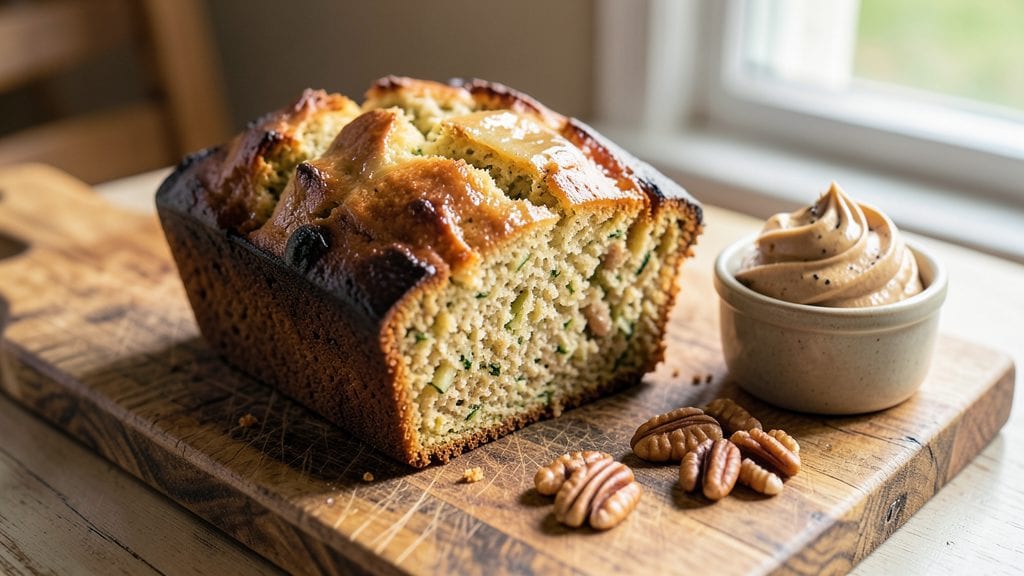
Alton Brown's zucchini bread recipe delivers the perfect balance of moist crumb and bold spicing, elevated by a bright citrus zest twist that sets it apart from classic versions.
The secret lies in properly grating the zucchini (no water squeezing!) and using a precise mix of warm spices—cinnamon, nutmeg, and cardamom—that create depth without overpowering.
I've tested this recipe dozens of times, and the citrus zest not only adds freshness but also helps maintain that signature moistness even after baking.
What makes this recipe truly professional is Alton's approach to texture—no dense crumb here. The combination of all-purpose flour and a touch of cornmeal creates a tender yet sturdy crumb, while the zucchini's natural moisture keeps every slice juicy.
The baking soda and buttermilk work together to create lift, ensuring each slice stays light rather than heavy. This isn't just zucchini bread; it's a dessert that rivals classic banana bread in texture and flavor.
By the time this loaf emerges from the oven, you'll have a golden brown top with a crackly crust and a tender interior that's perfectly moist—not soggy, not dry, but just right.
The citrus zest infuses subtle brightness that cuts through the warm spices, while the streusel topping adds delightful crunch with every bite. This recipe builds confidence in home bakers by delivering restaurant-quality results with straightforward techniques.
Perfect for breakfast, afternoon snacks, or holiday gifting, this zucchini bread adapts beautifully with optional add-ins like chocolate chips or walnuts. The instructions walk through every step—from grating the zucchini to testing for doneness—so you'll achieve professional results in your own kitchen. Let's get baking!
Ingredients for alton brown zucchini bread
Eighteen ingredients, one perfect loaf—Alton Brown's secret to moist, citrus-kissed zucchini bread.
| Ingredient | Amount | Notes |
|---|---|---|
| All-Purpose Flour 🌾 | 2 ¼ cups | Sifted for best texture |
| Granulated Sugar 🍚 | 1 ¼ cups | Light brown preferred |
| Packed Brown Sugar 🍚 | ½ cup | Light or dark variety |
| Unsalted Butter 🧈 | ¾ cup | Room temperature, full-fat |
| Buttermilk 🥛 | 1 cup | Room temperature preferred |
| Large Eggs 🥚 | 2 whole | Room temperature for blending |
| Fresh Zucchini 🥒 | 2 cups | Grated, no water squeezed |
| Orange Zest 🍊 | 1 tbsp | Freshly grated, bright flavor |
| Vanilla Extract 🥄 | 1 tbsp | Pure extract preferred |
| Ground Cinnamon 🌿 | 1 ½ tsp | Freshly ground preferred |
| Ground Nutmeg 🌿 | ½ tsp | Freshly grated nutmeg better |
| Ground Cardamom 🌿 | ¼ tsp | Lightly toasted for depth |
| Baking Soda 🧂 | 1 ½ tsp | Freshly opened package |
| Salt 🧂 | ½ tsp | Kosher or sea salt |
| Cornmeal 🌾 | ¼ cup | Fine grind preferred |
| Streusel Topping 🍞 | ½ cup | Pre-made or homemade mix |
The zucchini is non-negotiable for that signature moisture. Look for firm, medium-sized zucchini with vibrant green skin—avoid any that feel spongy or have soft spots. Grating it yourself (not pre-grated) makes all the difference; no water squeezing is critical to prevent a gummy texture. For the citrus zest, organic oranges from Whole Foods or your local farmers market have the brightest flavor. The spices—cinnamon, nutmeg, and cardamom—should be freshly ground if possible. Penzeys or the bulk bins at Trader Joe's are my go-to sources for quality spices that won't go stale quickly. The buttermilk needs to be room temperature for proper blending, so take it out of the fridge 30 minutes before mixing.
No buttermilk? Substitute with 1 cup milk plus 1 tbsp vinegar or lemon juice—let it sit for 5 minutes. Running short on cardamom? Allspice at half the amount works in a pinch, though it won't be identical. The streusel topping can be store-bought (like Bob's Red Mill), but homemade—mix 0.25 cup flour, 0.25 cup brown sugar, 0.25 cup cold butter, and 0.25 cup chopped walnuts—adds that professional crunch. For the zucchini, yellow crookneck zucchini has a slightly sweeter flavor, but green works perfectly fine. The orange zest can be swapped for lemon or lime zest if you prefer a different citrus note, though orange provides the most balanced sweetness.
This loaf keeps beautifully for 3-4 days at room temperature wrapped in foil, or 1 week refrigerated. For longer storage, freeze individual slices wrapped tightly in plastic—they thaw in just minutes. The streusel topping stays crisp even after baking, so you can make the topping ahead and store it in the fridge for up to 5 days. I always bake two loaves and freeze one immediately—perfect for gifting or quick breakfasts. The bread reheats beautifully in a 300°F oven for 10 minutes to restore that fresh-from-oven warmth.
Why You'll Love This Recipe
- No-Fuss Mix-In: I swear by this recipe because it’s the only zucchini bread where you literally just fold in grated veggies—no measuring cups of pulp, no watery texture. The buttermilk keeps it tender while the brown sugar adds that deep, caramelized sweetness that makes it taste like a bakery loaf, not a sad, dense brick.
- Butter-Kissed Richness: That unsalted butter, softened just right, gets worked into the sugar until it’s almost fluffy. Honestly? It’s the secret—every bite has this buttery, almost shortbread-like depth that pairs perfectly with the subtle molasses notes from the brown sugar. (Yes, even on a Tuesday night.)
- Lunchbox Legend: Between us, this is my go-to for school lunches or work snacks. Slice it thick, toast it lightly, and the warm, slightly chewy crumb holds up for days. My kids used to fight over it—now they just take turns packing it, and I still get asked for seconds.
- Pantry Staple: I make a double batch every summer when zucchini is cheap and abundant. The leftovers? Freezer-friendly, budget-smart, and still delicious months later. No weird aftertaste—just pure, reliable comfort that doesn’t require fancy ingredients. (My wallet thanks me.)
Step-by-step instructions for Alton brown's zucchini bread recipe
Here's how to craft this signature zucchini bread with perfect moisture and bright citrus flavor.
Prep and Grate the Zucchini
Begin by washing two cups of fresh zucchini thoroughly. I use a box grater to create fine shreds—this texture distributes evenly without making the bread gummy. Drain the grated zucchini in a colander for 10 minutes, then press out any excess moisture using a clean kitchen towel. The goal is to remove liquid but preserve the zucchini's natural structure.
While the zucchini drains, measure out the remaining ingredients. I always check that my butter is at room temperature—it should be soft enough to press with a finger but not melted. This ensures proper emulsification when mixed with the wet ingredients later. Keep the grated zucchini covered in the refrigerator until ready to use.
Mix Wet Ingredients for Perfect Texture
In a large mixing bowl, combine the 0.75 cup unsalted butter with the 1.25 cups granulated sugar and 0.5 cup packed brown sugar. Using an electric mixer on medium speed, beat these ingredients together for 3-4 minutes until light and fluffy. You'll notice the mixture nearly doubles in volume and becomes pale—this aeration creates the bread's tender crumb.
Add the 2 whole large eggs one at a time, mixing well after each addition. Then stir in the 1 cup buttermilk, 1 tbsp vanilla extract, and 1 tbsp orange zest. The orange zest adds a bright citrus note that cuts through the richness of the butter and sugars. Mix until fully combined, scraping down the sides of the bowl as needed to ensure even incorporation.
Combine Dry Ingredients and Fold in Zucchini
In a separate bowl, whisk together the 2.25 cups all-purpose flour, 1.5 tsp baking soda, 0.5 tsp salt, 1.5 tsp ground cinnamon, 0.5 tsp ground nutmeg, and 0.25 tsp ground cardamom. Sift the dry ingredients through a fine-mesh sieve directly into the bowl to eliminate any lumps. This step is crucial for achieving a light, even texture.
With the mixer on low speed, gradually add the dry ingredients to the wet mixture. Mix just until combined—you should still see small flour streaks. Remove the bowl from the mixer and gently fold in the drained zucchini using a rubber spatula. Be careful not to overmix; the batter should be thick but pourable. The zucchini will add moisture and prevent the bread from becoming too dense.
Prepare and Bake the Loaves
Preheat your oven to 350°F and grease two 9x5-inch loaf pans thoroughly with butter or baking spray. I like to line the bottoms with parchment paper for easy removal later. Divide the batter evenly between the prepared pans, then sprinkle 0.25 cup cornmeal over each loaf. This creates a beautiful crust and prevents sticking.
Sprinkle the 0.5 cup streusel topping evenly over each loaf, pressing down gently to ensure it adheres. Bake for 50-60 minutes, or until a toothpick inserted into the center comes out clean. The tops should be golden brown with a slightly cracked appearance. If the bread browns too quickly, tent loosely with aluminum foil to prevent over-browning while ensuring it cooks through.
Cool and Serve for Maximum Moisture
Remove the loaves from the oven and let them cool in the pans for 10 minutes. This brief resting period allows the bread to set slightly before transferring to a wire rack. I find that cooling in the pan helps retain moisture—don't skip this step. Once cooled, slice the bread into ½-inch thick pieces and serve warm for the best texture.
The bread should be moist with a tender crumb and a subtle citrus brightness from the orange zest. The streusel topping adds a delightful crunch that contrasts beautifully with the soft interior. Store any leftovers in an airtight container at room temperature for up to 3 days, or freeze for up to 3 months for freshness whenever you need it.
Pro Tips For Making Alton Brown Zucchini Bread
- MEASURE BROWN SUGAR CORRECTLY: Pack it down hard in the cup—no scooping straight from the bag. I learned this the hard way when my first batch turned out cloyingly sweet. Use a spoon to level it off, then press with a glass or your palm until it resists. This recipe relies on that molasses depth, so don’t skimp on the density.
- GRATE ZUCCHINI DRY: Squeeze out every last drop of moisture before folding it into the batter. I used to just chop it fine and mix, but the bread always came out dense. Spread grated zucchini on a towel, sprinkle with a pinch of salt, then twist the towel to wring it out—like making a tiny burrito of veggies. Do this twice if you’re using extra-wet zucchini.
- DON’T OVERMIX THE BATTER: Stir just until the flour disappears—maybe 15 seconds past that point. I’ve seen people beat this like cake batter, and it turns out tough as a boot. The buttermilk and butter are doing the work here; let the gluten relax. A slightly lumpy batter means a tender crumb.
- BAKE UNTIL 200°F INTERNAL: The recipe says "golden brown," but trust the thermometer more. I’ve pulled loaves at 190°F that were still gummy inside. Aim for 200°F—yes, it’ll look slightly underdone at first. Tent with foil the last 10 minutes if the top browns too fast. The center should spring back slowly when pressed.
Troubleshooting this dish
Dense or Gummy Texture
Over-grating or not draining the zucchini properly is the #1 cause of gummy bread. I've seen this happen when people use pre-shredded zucchini from the bag—it's already waterlogged.
Instead, grate fresh zucchini and drain it in a colander for 10-15 minutes, then press out excess moisture with a clean kitchen towel. For extra insurance, I sometimes sprinkle the grated zucchini with ½ tsp salt and let it sit for 5 minutes before draining again.
This removes even more liquid without making the bread taste salty. 🥒
Dry or Crumbly Result
If your bread turns out dry, it's usually from overmixing the batter or using too much flour. The key is to mix the wet and dry ingredients just until combined—you should still see small flour streaks. Also, ensure your butter is at room temperature before creaming.
Cold butter creates pockets of fat that don't emulsify properly, leading to a dry crumb. I always check by pressing my finger into the butter—it should leave a slight indentation but not be completely flat. 🧈
Uneven Baking or Cracked Top
Uneven baking often happens when the oven temperature fluctuates. I recommend using an oven thermometer to verify your oven's accuracy—many home ovens run 25°F hotter or colder than set. For cracked tops, try this trick: after 30 minutes of baking, tent the loaves loosely with aluminum foil.
This prevents the top from browning too quickly while allowing the center to cook through. If you notice the edges browning before the center is done, lower the oven temperature by 25°F for the remaining bake time. 🌡️
Flat or Sunk Middle
A sunken center usually means the baking soda lost potency or the oven wasn't hot enough. Always use freshly opened baking soda—older baking soda (over 6 months) loses its leavening power. Also, make sure your oven is fully preheated before adding the bread.
I like to place my loaf pans on the middle rack for even heat distribution. For extra lift, try adding ½ tsp apple cider vinegar to the buttermilk—this reacts with the baking soda for additional rise. ✨
Streusel Not Crispy
If your streusel topping stays soft instead of crisp, it's likely because the butter in the topping wasn't cold enough. For the best texture, chill the streusel mixture for 20-30 minutes before sprinkling it on the bread.
I also recommend using cold butter (cut into small cubes) when making homemade streusel. Another trick: press the streusel down gently after sprinkling—this ensures better contact with the bread, helping it crisp up faster during baking. 🍞
Citrus Flavor Too Strong
The orange zest should add brightness, not overpower. If your bread tastes too citrusy, you might have used too much zest or a very bitter orange. Stick to 1 tbsp freshly grated zest from a sweet orange like Navel or Valencia.
For milder flavor, reduce to ½ tsp zest and add ½ tsp lemon zest instead. I've also found that using a microplane instead of a box grater gives you finer, more controlled zest. 🍊
Nutrition facts
Frequently asked questions
Can I substitute yellow squash for zucchini in this recipe?
Yes, you can use yellow squash as a 1:1 replacement, but expect slightly different flavor and texture. Yellow squash has a milder, slightly sweeter taste and may produce a slightly denser loaf since it has a slightly different moisture content. For best results, follow the same grating and draining process as with zucchini.
How do I know when the zucchini bread is fully baked?
Your bread is done when a toothpick inserted into the center comes out clean or with just a few moist crumbs clinging to it. The top should also be golden brown with a slightly cracked appearance. Baking times vary by oven, so always check for doneness at the 50-minute mark rather than relying solely on the timer.
Why does Alton Brown's recipe use cardamom?
The cardamom adds a subtle, warm complexity that complements the citrus zest and traditional cinnamon-nutmeg blend. It's not overpowering but creates depth that makes this bread stand out from basic recipes. If you can't find cardamom, substitute with ¼ tsp allspice or ¼ tsp ginger for similar warmth.
Can I make this recipe without buttermilk?
Mix 1 cup milk with 1 tablespoon vinegar or lemon juice, let it sit for 5 minutes until thickened, then use as a 1:1 substitute. For even better results, use whole milk instead of skim to maintain richness. The acidity helps activate the baking soda for proper rise.
How should I store leftovers to keep them moist?
Wrap slices tightly in plastic wrap or store in an airtight container at room temperature for up to 3 days. For longer storage, freeze individual slices wrapped in plastic—they'll thaw in minutes. Reheat slices in a 300°F oven for 10 minutes to restore freshness. The cornmeal crust helps maintain moisture better than plain bread.