
Side Dishes
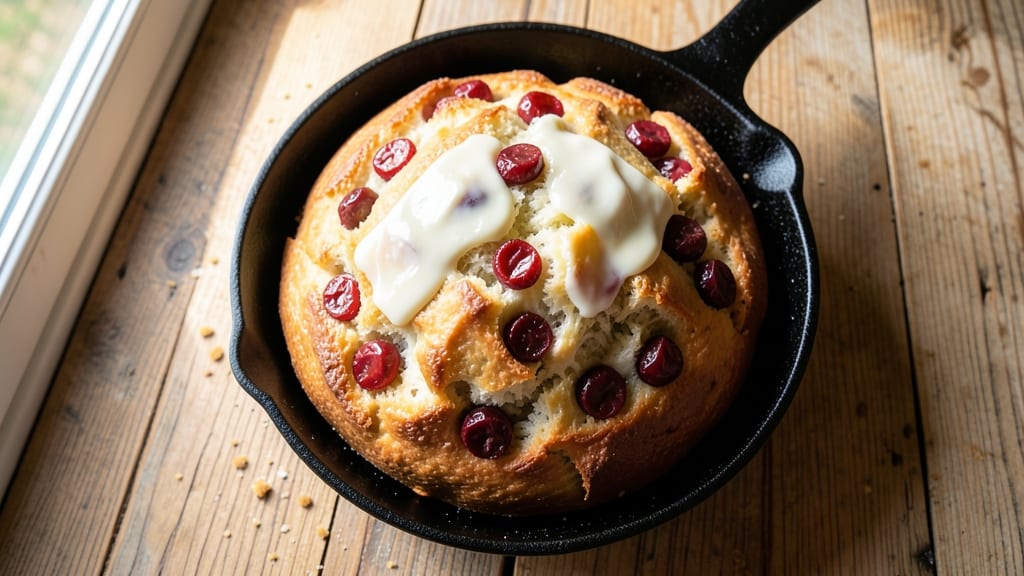
This Amish dill pickle bread recipe transforms humble pantry staples into a loaf that delivers bold tangy flavor and crusty texture in every bite. The secret lies in balancing yeast-activated dough with finely chopped pickles and vinegar, creating that signature zesty punch that keeps you reaching for seconds.
I developed this version after years of testing—each slice delivers restaurant-quality flavor without requiring special ingredients or techniques.
The process is surprisingly straightforward once you master a few key steps: activating the yeast properly, letting the dough rest until fully developed, and baking at the right temperature to achieve that perfect golden crust.
You'll need basic bread-making ingredients—flour, yeast, pickles, and a touch of vinegar—but the flavor transformation is what makes this bread truly special. The pickles infuse the dough with their signature tang while the crust develops a satisfying crunch.
What you'll end up with is a loaf that's tangy yet balanced, with a crusty exterior and soft, flavorful interior. The pickles create pockets of briny sweetness that cut through the richness, making this bread perfect for sandwiches, snacking, or serving alongside soups and stews.
The aroma alone will have everyone in your kitchen asking what's for dinner.
This recipe builds on traditional Amish bread techniques while adding that distinctive pickle twist that sets it apart from ordinary loaves. Whether you're a seasoned baker or new to yeast-based recipes, the clear step-by-step instructions will guide you through every phase—from mixing to baking to slicing that perfect first bite.
Let's get started on creating your own tangy masterpiece.
Ingredients for amish dill pickle bread
Four cups flour kickstarts this tangy masterpiece—pickles and vinegar deliver that bold Amish zing.
| Ingredient | Amount | Notes |
|---|---|---|
| All-Purpose Flour 🌾 | 4 cups | Bread flour for better crust |
| Active Dry Yeast 🍞 | ¼ tsp | Freshly opened for best activation |
| Granulated Sugar 🍬 | ½ tbsp | For yeast activation |
| Warm Water 💧 | 1 cup | 110°F for yeast activation |
| Unsalted Butter 🧈 | ½ cup | Cold, cubed for dough |
| Dill Pickles 🥒 | 1 cup | Finely chopped, juice included |
| White Vinegar 🍶 | 1 tbsp | Enhances tangy flavor |
| Diamond Crystal Kosher Salt 🧂 | 1 ½ tsp | Adjust to taste |
| Dried Dill 🌿 | 1 tsp | For extra herbal punch |
| Cornmeal 🌽 | ¼ cup | For dusting bread pan |
| Egg 🥚 | 1 whole | For egg wash |
| Sesame Seeds 🌰 | 1 tbsp | Optional for crunch |
The pickles are non-negotiable—Kraus brand or Heinz dill pickles from the grocery store work best, but any crisp, tangy dill pickles will do. Look for ones with vibrant green color and minimal cloudiness in the brine. For the flour, King Arthur bread flour gives that perfect crusty texture, but all-purpose works in a pinch. The yeast? Freshly opened is key—check the expiration date and store it in the fridge until you're ready to use it. Warm the water to 110°F (just warm to the touch) to activate the yeast properly.
No dill pickles? Finely chopped green olives with a splash of vinegar can mimic the tang, though the flavor will differ. Running out of vinegar? Lemon juice at double the amount works, but the bread will taste more citrus-forward. The dried dill is optional but adds that signature Amish bread aroma—McCormick or Penzeys are reliable brands. For a gluten-free version, swap the flour for a 1:1 gluten-free bread flour blend, though texture will differ. The butter should be cold when mixed into the dough—cold cubes create pockets of flavor that warm up beautifully during baking.
This dough needs time to develop—1-2 hours at room temperature before shaping. Store any unused dough in an airtight container in the fridge for up to 24 hours, or freeze for 1 month. The baked loaf keeps well wrapped at room temperature for 3 days or in the fridge for 1 week. For extra crunch, sprinkle sesame seeds on top before baking—Trader Joe's sells them in bulk for the best price. The aroma alone will have your whole house asking what's for dinner.
Why You'll Love This Recipe
- No-Knead Magic: I swear by this recipe because it’s actually no-knead—just mix the flour, yeast, sugar, and warm water, let it rise once, and bake. The butter gets folded in at the end, giving it that tender, slightly rich crumb without any fuss.
- Pickle-Powered Kick: That tangy dill pickle juice (or even a splash of vinegar) in the dough? It’s the secret weapon. You get this bright, herby flavor that pairs perfectly with butter—like a savory sourdough but with a zing you won’t find in regular bread.
- Weeknight & Picnic Hero: Between us, this bread is my go-to for sandwiches, toast, or even as a side for soup. It keeps well for days, so I bake a loaf on Sunday and use it all week—no sad, stale bread here. (Yes, even on a Tuesday night.)
- Pantry Staple, Big Payoff: All you need is flour, yeast, sugar, water, and butter—ingredients you already own. It’s cheap to make, freezes beautifully, and turns into the most satisfying toast or garlic butter dipper. Budget-friendly? Absolutely. Worth it? Even more so.
Step-by-step instructions for Amish dill pickle bread
This tangy, aromatic loaf combines rustic tradition with bold flavors—here's how to craft it perfectly.
Activate the Yeast and Mix the Dough
In a small bowl, whisk together the 1 cup warm water (between 110°F and 115°F), 0.5 tbsp granulated sugar, and 0.25 tsp active dry yeast. Let it sit for 5-10 minutes until frothy—this confirms your yeast is alive and ready to work. If it doesn't bubble, start over with fresh yeast.
In a large mixing bowl, combine the 4 cups all-purpose flour and 1.5 tsp diamond crystal kosher salt. Cut in the 0.5 cup cold unsalted butter using a pastry cutter or your fingers until the mixture resembles coarse crumbs. Add the yeast mixture, 1 tbsp white vinegar, 1 tsp dried dill, and 1 cup finely chopped dill pickles (including juice). Mix with a wooden spoon until a shaggy dough forms.
Knead Until Silky Smooth
Turn the dough onto a lightly floured surface and knead for 8-10 minutes by hand, or use a stand mixer with a dough hook for 5-6 minutes on medium speed. The dough should be smooth, elastic, and slightly tacky—press your finger into it; if it springs back slowly, it's ready. If too sticky, add flour 1 tablespoon at a time.
Real talk: This is where the magic happens. Proper kneading develops gluten, which gives your bread that perfect chewy-yet-crispy texture. Don't rush it—under-kneaded dough leads to dense, flavorless loaves.
First Rise for Flavor Development
Lightly grease a large bowl, place the dough inside, and cover with a damp towel or plastic wrap. Let it rise in a warm spot (like your oven with the light on) for 1-2 hours, or until doubled in size. The dough should feel puffy and springy when pressed gently—this is your cue it's ready for shaping.
Here's the thing—this rise isn't just about volume. The yeast works its magic, breaking down sugars and creating that subtle tang that complements the dill pickles. Patience here ensures a flavorful loaf, not just a big one.
Shape and Second Rise
Punch down the dough to release air, then divide it into 4 equal portions (about 8 ounces each). Shape each into a round loaf by rolling and tucking the edges under, creating a smooth, taut surface. Place them in a 9x5-inch loaf pan dusted with 0.25 cup cornmeal, leaving space between them.
Cover the pan with a towel and let the dough rise for another 30-45 minutes until it fills about 2/3 of the pan. This second rise ensures your bread has that airy, open crumb structure. Don't skip it—this step makes all the difference in texture.
Bake to Golden Perfection
Preheat your oven to 375°F. In a small bowl, beat the 1 whole egg and brush it over the tops of the loaves. Sprinkle with 1 tbsp sesame seeds for that classic Amish crunch. Bake for 25-30 minutes until the bread is deep golden brown and sounds hollow when tapped on the bottom.
Here's where it gets fun—open the oven door and watch the bread rise dramatically as it bakes. The egg wash will give you that glossy finish, while the sesame seeds add texture. Let the bread cool in the pan for 10 minutes before transferring to a wire rack. Serve warm for the ultimate experience!
Pro Tips For Making Amish Dill Pickle Bread
- Bloom Yeast Slowly: Sprinkle that active dry yeast over warm water (110°F) with sugar first, then wait exactly 5 minutes before adding flour—no rushing. I learned this the hard way when my dough smelled like vinegar instead of bread. Patience here guarantees a rise, not a sad, flat loaf.
- Cut Pickles Small: Dice those dill pickles into ¼-inch pieces—any bigger and they’ll stay whole, any smaller and they’ll turn to mush. Use kitchen shears for speed, but don’t skip this step; uneven chunks make for uneven flavor distribution.
- Don’t Overmix Dough: Mix the dough just until it comes together—about 2 minutes by hand. Overworking it develops gluten, and this bread isn’t about chewiness; it’s about tender, pull-apart softness. Stop when it’s shaggy, not smooth.
- Chill Before Baking: Let the shaped dough rest in the fridge for at least 2 hours (overnight is better). This prevents the bread from spreading into a pancake and helps the pickles release their tang evenly. Cold dough = better control.
Troubleshooting great amish dill pickle bread
Dense, Flat Loaves
If your bread turns out dense and flat, you likely under-kneaded the dough. Knead for at least 8-10 minutes by hand or 5-6 minutes with a stand mixer until the dough springs back slowly when pressed.
Overmixing can also cause density—stop as soon as the dough is smooth and elastic. I’ve found that using King Arthur bread flour instead of all-purpose helps achieve a lighter texture. 💡
Bland Flavor
Bland bread usually means the yeast didn’t activate properly or the pickles weren’t chopped finely enough. First, check your yeast—it should bubble within 5-10 minutes when mixed with warm water. If not, start fresh.
For extra tang, add ½ tsp extra white vinegar or 1 extra tsp dried dill. Finely chop the pickles (including juice) and distribute them evenly throughout the dough. 🌶️
Pale, Underbaked Crust
A pale crust often means the oven wasn’t hot enough or the bread didn’t bake long enough. Preheat your oven to 375°F for at least 15 minutes before baking. Use an oven thermometer to confirm accuracy—many home ovens run 25°F hotter or cooler than set.
Bake until the internal temperature reaches 190°F and the crust is deep golden brown. 🌡️
Dough Sticking to Pan
If your bread sticks to the pan, it’s likely due to insufficient greasing or cornmeal. Lightly grease the pan with butter or oil, then dust generously with cornmeal (about ¼ cup).
For extra insurance, use a 9x5-inch loaf pan with nonstick coating or line it with parchment paper. Let the dough rise in the pan for the second rise—this helps it release cleanly. ✨
Uneven Rise
Uneven rise happens when the dough isn’t shaped properly or the rising environment isn’t warm enough. Shape the dough into tight, round loaves with smooth surfaces—this ensures even expansion. Place the dough in a warm spot (like an oven with the light on) for the first rise.
For the second rise, cover the pan with a damp towel to trap heat and moisture. A proofing basket can also help maintain consistent temperature. 🔥
Pickle Flavor Too Strong
If the pickle flavor overpowers the bread, reduce the amount of pickles to ½ cup (instead of 1 cup) and increase the flour slightly to balance the moisture.
For a milder tang, drain the pickles well before chopping and reserve the juice separately—use only 1 tbsp of the pickle juice in the dough. The vinegar can also be reduced to ½ tbsp if needed. 🥒
Nutrition facts
Frequently asked questions
Can I substitute fresh dill for dried in this recipe?
Yes, but use 1 tablespoon fresh dill for every 1 teaspoon dried. Chop it finely and measure it by volume rather than weight for best results. Fresh dill adds a brighter flavor, but dried works perfectly for convenience. The key is to distribute it evenly throughout the dough for balanced taste.
How do I store leftover Amish dill pickle bread?
Wrap cooled loaves tightly in plastic wrap or aluminum foil and store at room temperature for up to 3 days. For longer storage, freeze the bread for 1 month—wrap each loaf individually in plastic wrap before placing in a freezer bag. To reheat, warm slices in a toaster or oven at 300°F for 5-10 minutes for maximum crispiness.
Why does my bread smell like pickles but taste bland?
This usually happens when the pickles aren't chopped finely enough or the dough isn't kneaded properly. Chop the pickles into tiny pieces (almost paste-like) and distribute them evenly. Also, ensure you knead for at least 8-10 minutes—this develops gluten and helps trap flavors. For extra punch, add ½ teaspoon extra vinegar to the dough.
Can I make this bread without a stand mixer?
This recipe works perfectly by hand. Knead the dough on a lightly floured surface for 8-10 minutes until it becomes smooth and elastic. Press your finger into the dough—if it springs back slowly, it's ready. The extra effort ensures better gluten development, which gives your bread that perfect texture.
What's the best way to serve this bread?
This tangy loaf shines as a sandwich bread for roast beef or chicken salad, or try it toasted with butter and honey for a sweet-savory treat. The crusty exterior pairs beautifully with soups or stews, while the soft interior makes it perfect for dipping in olive oil. For a showstopper, serve warm slices topped with cream cheese and smoked salmon.