
Side Dishes
This Amish rye bread recipe delivers the perfect balance of hearty crust and tangy sweetness that defines traditional Amish baking. The secret lies in a precise blend of rye flour and wheat flour, combined with a touch of honey and molasses for that signature depth of flavor.
After years of perfecting the technique, I can confidently say this bread rivals any you'd find at a Pennsylvania farmhouse.
The process requires patience—kneading by hand, allowing ample fermentation time, and baking until the crust achieves that beautiful golden-brown hue. Each step builds layers of flavor that make this bread irresistible with butter or jam.
What sets this recipe apart is the authentic texture: dense yet tender, with a slightly crisp crust that gives way to a moist interior.
What you'll end up with is a loaf that smells like nostalgia and tastes like comfort—ideal for sandwiches, toast, or serving alongside soups. The fermentation process not only enhances flavor but also makes the bread easier to digest, a hallmark of traditional Amish recipes.
This is bread that feels like a hug in every slice.
Whether you're baking for a family gathering or simply craving a taste of Amish tradition, this recipe delivers restaurant-quality results at home. Let's get started on creating a loaf that will become a staple in your kitchen.
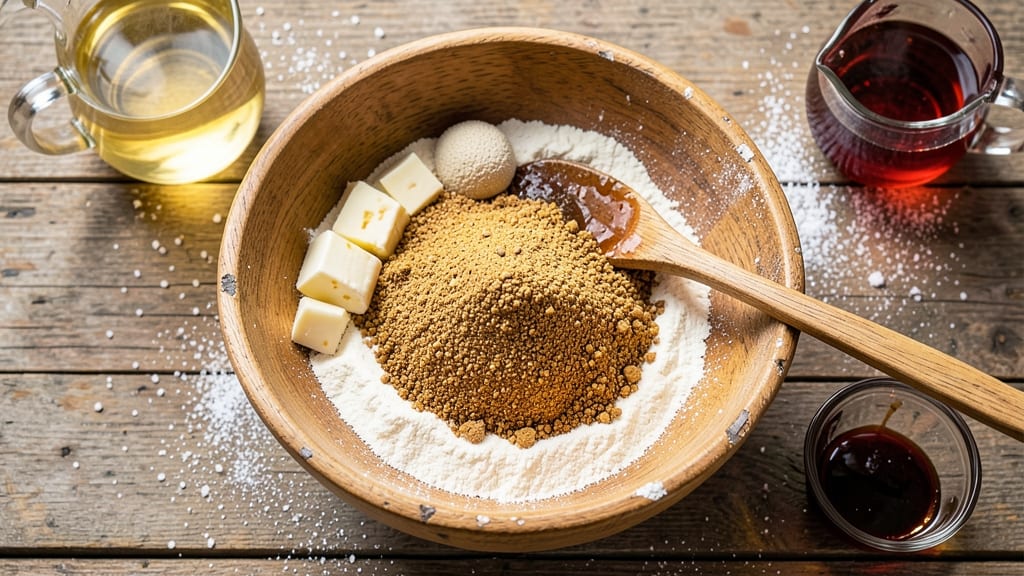
Ingredients for amish rye bread
Four loaves of nostalgia in one batch—just these ingredients transform your kitchen into a Pennsylvania farmhouse.
| Ingredient | Amount | Notes |
|---|---|---|
| Rye Flour 🌾 | 2 ½ cups | Dark rye for authentic Amish flavor |
| All-Purpose Flour 🌾 | 1 ½ cups | White flour for lighter texture |
| Active Dry Yeast 🍞 | ¼ oz | 1 packet (2.25 tsp) |
| Granulated Sugar 🍚 | ¼ cup | For yeast activation |
| Unsalted Butter 🧈 | ½ cup | Softened, not melted |
| Molasses 🍯 | ½ cup | Unsulphured for best flavor |
| Honey 🍯 | ¼ cup | Wildflower preferred |
| Large Eggs 🥚 | 2 whole | Room temperature |
| Warm Water 💧 | 1 ¼ cups | 110°F for yeast activation |
| Salt 🧂 | 1 tsp | Kosher or sea salt |
| Cinnamon 🌿 | 1 tsp | Ground, for warmth |
| Milk 🥛 | ¼ cup | For brushing crust |
| Coarse Cornmeal 🌽 | ¼ cup | For dusting loaf pan |
Rye flour is non-negotiable here. Bob's Red Mill dark rye or King Arthur are my go-tos—they've got that deep, earthy flavor that makes this bread taste like tradition. If you can only find light rye, mix it with 1 extra cup of whole wheat flour for better texture. The yeast? Fresh is best, but if you're using a jar, check the expiration date—old yeast means weak rise. For the molasses, unsulphured is key—it won't give that metallic aftertaste. I grab mine from Whole Foods or the bulk bins at Trader Joe's—both keep it fresh longer than the regular grocery store stuff.
No dark rye flour? Substitute 1 extra cup of whole wheat flour plus 1 tbsp of caraway seeds (optional but traditional). Short on honey? Maple syrup works 1:1, but it'll skew the flavor slightly sweeter. The butter must be softened—not melted, not cold. If you're in a rush, microwave it for 40 seconds to just melt it, then let it cool until you can press your finger into it. For the cinnamon, Penzeys has the best quality, but regular grocery store stuff is fine. The milk for brushing? Whole milk gives the best crust, but any kind works in a pinch. Just don't skip it—the crust is what makes this bread sing.
This dough needs time—at least 2 hours of rising, but I usually let it go overnight in the fridge. The longer it ferments, the better it tastes. Once baked, let it cool on a wire rack for at least 1 hour—cutting into it too soon makes it gummy. Wrap leftovers in a clean kitchen towel and store in an airtight bag for 5-6 days. Freezes beautifully for up to 3 months—just thaw at room temperature. The crust gets staler faster than the interior, so slice it fresh when you're ready to eat. Trust me, the first slice out of the oven is worth the wait.
Why You'll Love This Recipe
- No-Knead Magic: I swear by this—just mix the rye flour, all-purpose flour, and yeast with warm water, let it rise overnight, and bake. The dough barely needs handling, and the crust turns golden without a lick of effort. (Yes, even on a Tuesday night.)
- Earthy Butter Crust: That rye flour gives it a deep, nutty bite, but the cold butter slathered on top? It melts into a caramelized crust so rich, you’ll want to eat it straight from the pan. Honestly, the smell alone makes my kitchen feel like a bakery.
- Weeknight Workhorse: Toss it in a lunchbox for school or work—it stays fresh for days. Or slice it for sandwiches, toast it with jam, or even crumble it into soups. I’ve used it for everything from breakfast to dinner, and it never lets me down.
- Budget-Friendly Staple: Rye flour and basic yeast stretch my grocery dollars, and one loaf feeds my family for days. Freeze extras for later, and you’ve got a cheap, filling side that’s always ready. Between us, this bread is my secret weapon for frugal meals.
Step-by-step instructions for Amish rye bread
Here's how to craft this classic loaf with a perfect balance of tangy sweetness and hearty texture.
Activate the Yeast and Mix the Dough
In a large bowl, combine the 1.25 cups warm water, 0.25 cup granulated sugar, and 0.25 oz active dry yeast. Let it sit for 5-10 minutes until frothy—this confirms your yeast is alive. If nothing happens after 10 minutes, your yeast is dead and you'll need to start over.
Add the 2.5 cups rye flour, 1.5 cups all-purpose flour, 1 tsp salt, and 1 tsp cinnamon to the bowl. Mix just until combined, then stir in the 0.5 cup molasses and 0.25 cup honey. The dough will be sticky but shouldn't be runny. If it's too thick, add 1 tablespoon warm water at a time until it reaches a soft, pliable consistency.
Incorporate Wet Ingredients and Knead
Make a well in the center of the dough and add the 2 whole large eggs and 0.5 cup softened unsalted butter. Mix everything together with a wooden spoon until the butter is fully incorporated. The dough should come together into a shaggy mass that pulls away from the sides of the bowl.
Turn the dough out onto a lightly floured surface and knead for 8-10 minutes until smooth and elastic. You'll know it's ready when it springs back slowly when poked. If the dough feels too sticky, wet your hands slightly while kneading. The rye flour makes this dough particularly dense, so don't worry if it doesn't look like traditional bread dough.
First Rise and Prepare the Loaf Pan
Lightly grease a 9x5-inch loaf pan and sprinkle the bottom with 0.25 cup coarse cornmeal. This prevents sticking and adds a nice texture to the crust. Place the dough in the prepared pan, shaping it gently to fill the corners without pressing too hard.
Cover the pan loosely with plastic wrap or a damp towel and let the dough rise in a warm place for 1-1.5 hours, or until it has nearly doubled in size. The dough should feel light when pressed gently with one finger—it should leave a slight indentation but not collapse completely. If your kitchen isn't warm, place the pan near a turned-off oven with the light on to create warmth.
Shape, Second Rise, and Bake
Preheat your oven to 375°F. Brush the risen dough with the 0.25 cup milk to create a golden crust. Make a few shallow slashes across the top with a sharp knife to control expansion and add visual appeal. These cuts should be about ¼-inch deep—don't cut too deep or you'll lose steam and weaken the structure.
Bake for 45-50 minutes until the bread is deep golden brown and sounds hollow when tapped on the bottom. The internal temperature should reach 190°F at the center. If the top browns too quickly, tent the pan with aluminum foil during the last 15 minutes of baking to prevent over-browning while still allowing the bread to cook through.
Cool and Enjoy
Remove the bread from the pan immediately and place it on a wire rack to cool completely. This prevents sogginess and lets the flavors develop fully. While it's tempting to slice into that warm loaf right away, waiting at least 1 hour makes all the difference in texture.
Once cooled, slice the bread into ¼-inch thick pieces. Each slice should have a dense yet tender crumb with a crisp crust that's slightly sweet from the honey and tangy from the molasses. Serve warm with butter or jam for the ultimate Amish-style experience. This bread keeps well at room temperature for 3-4 days or can be frozen for up to 3 months for freshness whenever you need it.
Pro Tips For Making Amish Rye Bread
- Bloom the Yeast Warm: Dump that yeast into warm water (105–110°F) with sugar first—it should bubble within 5 minutes. If it’s sluggish, your bread will take forever to rise, and the flavor won’t develop that deep Amish tang you’re after.
- Soften the Butter Slowly: Cut the unsalted butter into small cubes and let it sit at room temp for 30–45 minutes before mixing—just until it’s pliable, not melted. Over-soft butter makes the dough greasy and hard to handle, and the crust won’t crisp up right.
- Skip the Over-Kneading: Rye dough is dense and stubborn; knead just until the flour comes together (about 5–7 minutes by hand). Overworking it activates too much gluten, and your bread will turn out dense instead of light and chewy—like a brick, not a loaf.
- Steam the Pan First: Before baking, pour a cup of hot water into the Dutch oven and let it steam for 2–3 minutes. This creates a crackling crust and prevents the bread from drying out—trust me, it’s the difference between "homemade" and "restaurant-worthy."
Serving suggestions for this dish
Classic Sandwich Style
This bread shines in Amish-style sandwiches with thick slices holding up to hearty fillings. I love pairing it with turkey and Swiss cheese plus a smear of Dijon mustard—the rye's tang cuts through the richness perfectly.
For a vegetarian option, try avocado, tomato, and sprouts with a drizzle of honey-mustard dressing. The dense texture prevents sogginess, even with wet ingredients like sauerkraut or coleslaw. 🥪
Breakfast Toast Variations
Toast thick slices until golden and crisp, then top with cream cheese and smoked salmon for a brunch favorite. I also enjoy peanut butter and banana or scrambled eggs with hot sauce—the rye's caramelized crust adds depth to every bite.
For extra indulgence, brush warm toast with garlic butter and sprinkle with flaky sea salt. The molasses and honey flavors make it taste like dessert. 🍳
Soup and Stew Companion
Serve warm slices alongside beef stew or chicken noodle soup—the bread soaks up broth beautifully without falling apart. I often toast slices lightly and place them on the rim of my bowl for dipping.
For a rustic touch, tear the bread into chunks and add it directly to lentil soup during the last 5 minutes of cooking. The rye's hearty texture holds up perfectly. 🍲
Sweet Serving Ideas
Dip warm slices in melted butter and sprinkle with cinnamon sugar for a simple dessert. I also love pairing it with apple butter or blueberry jam—the molasses and honey flavors create a perfect sweet-tangy balance.
For a festive touch, brush slices with honey and top with pecans before baking at 350°F for 5 minutes until crisp. 🍯
Garnishes and Toppings
Elevate any serving with a sprinkle of flaky sea salt or coarse black pepper right before eating. Fresh chopped parsley adds brightness, while crushed caraway seeds enhance the rye's traditional flavor.
For a savory twist, drizzle with olive oil and balsamic glaze—the contrast is amazing. The key is to add garnishes just before serving to preserve freshness. 🌿
Meal Prep Friendly
Slice the bread and store in an airtight container with a paper towel to maintain crispness. Toast slices before serving to restore freshness—this works perfectly for lunchbox sandwiches or quick breakfasts.
For extra convenience, freeze slices in a ziplock bag and toast directly from frozen. The rye's dense texture reheats beautifully without drying out. ❄️
Nutrition facts
Frequently asked questions
Why does Amish rye bread use both rye and all-purpose flour?
The combination creates the perfect balance—rye flour delivers that signature tangy, hearty flavor and dense texture, while all-purpose flour adds lightness and structure. Traditional Amish recipes often include this mix to prevent the bread from becoming too heavy or crumbly. Too much rye can make it dense, while too little loses that authentic taste.
Can I substitute molasses with something else?
Yes, but expect slight flavor differences. Unsulphured molasses is ideal, but blackstrap molasses works in a pinch (though it's stronger). For a sweeter option, use maple syrup or brown sugar mixed with water (reduce other liquids slightly). The molasses adds depth—without it, the bread will taste less complex.
How do I know when the dough is properly kneaded?
The dough is ready when it's smooth, elastic, and springs back slowly when poked. With rye flour, it won't be as stretchy as wheat dough—think of it as dense and slightly tacky. Knead for 8-10 minutes until it pulls away from your hands without sticking excessively. If it feels too sticky, wet your hands slightly while working.
Why does my Amish rye bread taste bland?
Bland flavor usually means underproofed dough or weak yeast. Let the dough rise at least 2 hours (overnight in the fridge is even better). Check your yeast—it should foam within 5-10 minutes when mixed with warm water. Also, ensure you're using dark rye flour (not light) and don't skip the molasses or honey—they're key for that signature tangy-sweet balance.
Can I make this bread without a loaf pan?
Shape the dough into a round or oval loaf on a baking sheet lined with parchment paper. Brush with milk and bake at 375°F for 40-45 minutes, rotating halfway for even browning. For extra crust, sprinkle with coarse cornmeal before baking. The texture will be slightly different but still delicious—just expect a denser crumb without the pan's structure.