
Side Dishes
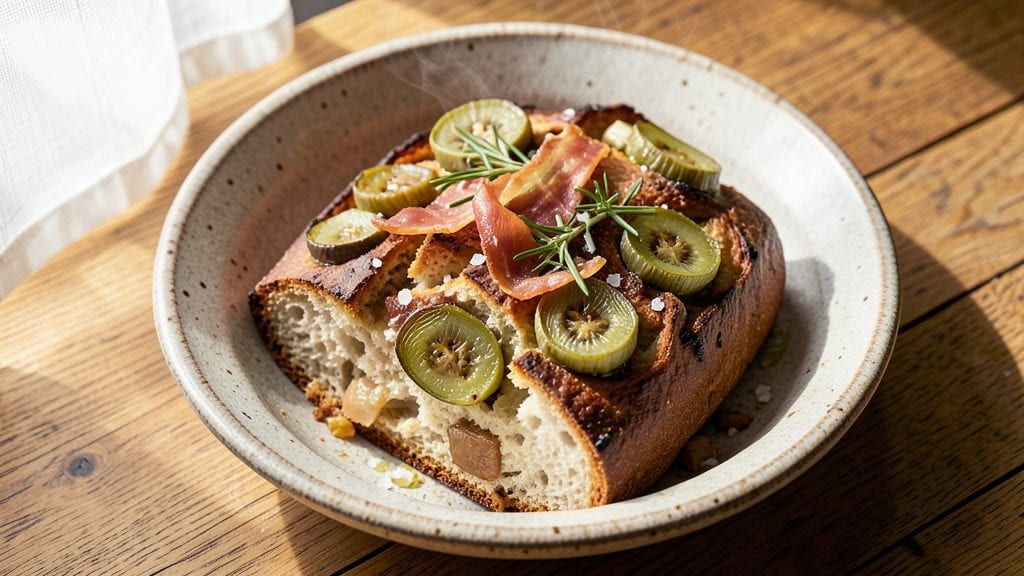
This artichoke bread Pescadero recipe transforms a classic Italian favorite into crispy, herb-crusted bites with a coastal twist inspired by California's Pescadero region. The secret lies in a perfectly balanced dough—tender yet sturdy—topped with a golden crust of melted cheese, fresh herbs, and optional seafood for a briny contrast.
My version keeps the traditional heart of artichoke and garlic while adding a local touch that feels like a beachside escape.
The dough comes together with simple ingredients—flour, yeast, and artichoke hearts—but the magic happens in the baking. A high-heat oven creates that coveted crispy exterior while keeping the interior soft and pillowy.
For the Pescadero twist, I recommend topping with flaked white fish or crushed anchovies before baking, adding a salty depth that complements the herby crust. It’s the kind of dish that feels both comforting and special, perfect for holidays or weeknight dinners.
What you’ll end up with is golden, aromatic bread with a crackling crust that gives way to tender, flavorful layers inside. The artichoke adds a subtle earthiness, while the cheese melts into a creamy blanket over every bite.
This recipe delivers restaurant-quality results with minimal effort—ideal for feeding a crowd or enjoying as a side that steals the show. Let’s get baking!
The best part? This bread reheats beautifully, making it perfect for meal prep or taking to gatherings. Serve warm with a simple olive oil dip or alongside grilled seafood for a complete coastal-inspired meal. The combination of textures—crispy, chewy, and melty—makes every bite irresistible. Ready to try it?
Ingredients for artichoke bread pescadero
Twelve simple ingredients transform into golden, herb-crusted artichoke bread with a Pescadero-inspired coastal flair.
| Ingredient | Amount | Notes |
|---|---|---|
| All-Purpose Flour 🌾 | 4 cups | Sifted for light texture |
| Active Dry Yeast 🍞 | 1 tbsp | Fresh yeast preferred |
| Warm Water 💧 | 1 ¼ cups | 110°F for yeast activation |
| Granulated Sugar 🍚 | 1 tbsp | For yeast activation |
| Extra-Virgin Olive Oil 🫒 | ½ cup | High-quality, fruity |
| Marinated Artichoke Hearts 🍃 | 1 cup | Chopped, drained well |
| Garlic Cloves 🧄 | 4 cloves | Minced, fresh preferred |
| Sea Salt 🧂 | 1 ½ tsp | Diamond Crystal preferred |
| Fresh Rosemary 🌿 | ¼ cup | Finely chopped, stems removed |
| Fresh Thyme 🌿 | ¼ cup | Leaves only, chopped |
| Shredded Mozzarella Cheese 🧀 | 2 cups | Low-moisture, fresh preferred |
| Parmesan Cheese 🧀 | ½ cup | Freshly grated, block |
| Flaked White Fish 🐟 | ½ cup | Optional, for Pescadero twist |
| Crushed Anchovies 🦞 | 1 tbsp | Optional, for briny depth |
| Egg Wash 🥚 | 1 whole | Beaten with 1 tbsp water |
The artichoke hearts are the star—look for marinated hearts in olive oil at Whole Foods or well-stocked grocery stores like Safeway. They should be plump, not mushy, and packed in quality oil. Fresh herbs make all the difference: rosemary and thyme from the farmers market have more aroma than grocery store bundles. For the yeast, Fresh & Easy or Bob’s Red Mill active dry yeast is reliable, but if you’ve got fresh yeast, use half the amount. The olive oil? California-grown brands like Corto elevate the flavor. Don’t skip the chopping—finely minced garlic and herbs distribute evenly in the dough.
No fresh herbs? Dried rosemary and thyme at half the amount work in a pinch, but the flavor won’t be as vibrant. Substituting artichoke hearts? Sun-dried tomatoes, chopped add a similar depth, though the texture will differ. For the Pescadero twist, flaked white fish like cod or halibut is ideal—Trader Joe’s has pre-flaked options, or grab fresh and flake it yourself. No fish? Crushed anchovies add that briny punch without the texture. The cheese is non-negotiable—low-moisture mozzarella melts best, and Parmigiano-Reggiano should be freshly grated for that nutty kick.
This dough keeps for 24 hours in the fridge, covered—let it come to room temp before shaping. For the best crust, bake immediately after proofing. Leftovers? Wrap tightly and freeze for up to 3 months, thawing overnight in the fridge. Reheat at 350°F for 5-10 minutes until crispy again. Pro tip: Spritz with olive oil before reheating for extra crispiness. The bread is best served warm, but the magic happens when it’s fresh out of the oven—crispy, chewy, and packed with herby, melty goodness.
Why You'll Love This Recipe
- No-Knead Magic: I mix the dough in 5 minutes flat—just flour, yeast, water, and olive oil. The artichoke paste (yes, it’s that easy) folds right in, and you let the yeast do the work while you sip coffee. Honestly, the hardest part is waiting for it to rise.
- Olive Oil Luxury: That splash of extra-virgin olive oil in the dough? It keeps the bread tender without being greasy, and the artichoke paste adds a briny, herby depth that’s ridiculously satisfying. Not fancy, just good—like a hug from a Mediterranean bakery.
- Weeknight Workhorse: Slice it fresh for bruschetta with leftover roasted veggies, or freeze half the loaf for toast later. Between us, I’ve served it at picnics, as a side for grilled fish, and even as a very fancy charcuterie base. It’s the one bread that does it all.
- Budget Bakery Win: Five ingredients, zero specialty items, and it costs me pennies per serving. The artichoke paste (store-bought or homemade) stretches the flavor without breaking the bank, and a single batch feeds my family for days. My wallet and my taste buds thank me.
Step-by-step instructions for artichoke bread Pescadero recipe
Here's how to craft golden, crispy herb-crusted bites with melty cheese and artichoke goodness.
Activate the Yeast and Prepare the Dough
In a large mixing bowl, combine the 1.25 cups warm water (about 110°F) with 1 tbsp granulated sugar and 1 tbsp active dry yeast. Let this sit for 5-7 minutes until frothy—this confirms your yeast is active. If it doesn't bubble, your bread won't rise properly.
Add the 4 cups sifted all-purpose flour and 1.5 tsp sea salt to the bowl. Mix with a wooden spoon until a shaggy dough forms. Then, drizzle in the 0.5 cup extra-virgin olive oil and stir until the dough begins to come together. This step builds the foundation for that signature crispy crust and tender crumb.
Knead and Incorporate the Artichoke Mixture
Turn the dough onto a lightly floured surface and knead for 8-10 minutes until smooth and elastic. This develops gluten, which gives your bread structure. While kneading, keep an eye out for small air bubbles forming—this is your sign of proper gluten development.
In a separate bowl, combine the 1 cup chopped marinated artichoke hearts, 4 minced garlic cloves, 0.25 cup chopped fresh rosemary, 0.25 cup chopped fresh thyme, 0.5 cup flaked white fish, 1 tbsp crushed anchovies, 2 cups shredded mozzarella cheese, and 0.5 cup freshly grated parmesan cheese. Mix well to distribute the flavors evenly. This artichoke-cheese blend is the heart of your bread's distinctive taste.
Make a well in the center of your kneaded dough and pour in the artichoke mixture. Gently fold the dough over itself until fully incorporated, being careful not to overwork it. The dough will be sticky, but this ensures every bite packs that briny, herby artichoke flavor.
First Rise and Shape the Dough
Lightly oil a large bowl, place the dough inside, and cover with a damp towel. Let it rise in a warm place for 1-1.5 hours, or until doubled in size. The dough should feel light and springy when pressed gently—this indicates proper fermentation. If it doesn't rise, your yeast may not have been active or the environment wasn't warm enough.
Once risen, punch down the dough to release air and divide it into 12 equal portions. Roll each portion into a ball, then flatten slightly into oval shapes. This shaping creates those classic Pescadero-style bites with a crispy exterior and soft interior. Arrange them on a parchment-lined baking sheet, leaving 1 inch between each piece to allow for expansion.
Apply the Egg Wash and Second Rise
Beat 1 whole egg with 1 tbsp water to make the egg wash. Brush this generously over each shaped dough piece, focusing on the tops. This creates that signature golden, crispy crust we're after. Sprinkle with additional 0.25 cup chopped fresh rosemary and 0.25 cup chopped fresh thyme for extra herbaceous flavor and visual appeal.
Let the bread rise again for 30-45 minutes until puffy and slightly domed. The egg wash will bubble slightly—this is normal and indicates the dough is ready. Preheat your oven to 375°F while the bread rises. This high temperature ensures that crispy exterior we're all about.
Bake to Crispy Perfection
Bake the bread for 20-25 minutes until deep golden brown and crispy. The edges should be slightly charred, and you should hear a hollow sound when tapping the bottom. If they brown too quickly, tent with foil to prevent over-browning while ensuring the centers cook through.
Remove from the oven and let cool on a wire rack for 10 minutes before serving. The internal temperature should reach 190°F—this ensures they're fully baked inside while maintaining that crispy exterior. Serve warm with your favorite dipping sauce or enjoy as-is for that perfect balance of herby, cheesy, artichoke goodness.
Pro Tips For Making Artichoke Bread Pescadero
- Bloom the Yeast First: Skip mixing yeast into flour—dissolve it in warm water with a pinch of sugar first, then wait 5-10 minutes for frothy bubbles. I learned this the hard way after baking dough that never rose properly; now my artichoke bread has that light, airy texture it deserves.
- Chop Artichokes Small: Roughly chop the artichokes into ½-inch pieces—no need for uniformity. Too big? They’ll stay tough; too small? They’ll turn to mush. Aim for bite-sized chunks that’ll soften but still hold shape.
- Oil the Loaf Pan: Brush the pan with extra-virgin olive oil and sprinkle a little flour inside before shaping the dough. This keeps the bread from sticking like glue when you pull it out—trust me, your future self will thank you.
- Bake Until Golden: Don’t pull it out at 350°F just because the timer dings. Wait until the crust is deep golden brown, not just pale. I used to rush this, and the bread tasted underdone—now I let it bake 5-10 minutes past the recipe’s time.
Common mistakes when making this recipe
Over-Kneading the Dough
I’ve learned the hard way that over-kneading this artichoke bread dough can turn your golden, crispy bites into dense, chewy bricks. The dough should be smooth and elastic after 8-10 minutes of kneading—no longer. Overworking it activates too much gluten, which makes the texture tough instead of tender.
If your dough starts to feel resistant or shrink back when poked, stop immediately. The artichoke and cheese mixture is heavy enough to need gentle handling. 💪
Skipping the Proofing Time
Rushing the proofing stage is a surefire way to end up with flat, dense bread. The dough needs that 1-1.5 hour first rise to develop flavor and structure.
I’ve seen home bakers skip this step because they’re eager to bake, but trust me—skipping it means missing out on that light, airy texture. Place your bowl in a warm spot (like a turned-off oven with a cup of hot water) to help the yeast work its magic.
A cold kitchen slows everything down, so give it the time it needs.
Uneven Cheese Distribution
The artichoke-cheese blend is the soul of this bread, so don’t just sprinkle it on top—fold it in evenly. I’ve had batches where the cheese clustered in one spot, leaving some bites bland and others overwhelmingly cheesy.
After kneading, make sure the mixture is fully incorporated by gently folding the dough over itself 3-4 times. This ensures every bite has that perfect balance of herby artichoke, melty cheese, and briny seafood notes.
Baking at the Wrong Temperature
This bread needs 375°F for that signature crispy crust, but I’ve seen people bake it at 350°F and end up with soggy bottoms. The higher heat creates a Maillard reaction that gives the crust its golden color and crunch.
If your oven runs hot, reduce the temperature by 25°F and keep an eye on them. And for the love of bread, don’t skip the egg wash—it’s what seals in that crispiness and adds that glossy finish.
Ignoring the Second Rise
The second rise is just as critical as the first. After shaping and applying the egg wash, let the dough puff up for 30-45 minutes—this ensures they bake up light and airy, not dense.
I’ve had batches where I rushed straight to the oven, and the result was flat, sad little bites. The egg wash will bubble slightly during this time, which is your cue that it’s ready. Patience here pays off with that perfect rise and crackly crust. 🌟
Overcrowding the Baking Sheet
Leaving less than 1 inch between each piece means they’ll steam instead of crisp up. I’ve had to pull out batches that looked like they were hugging each other too tightly, resulting in soft, unevenly browned tops.
Arrange them with space to breathe—this is what gives them room to expand and develop that beautiful golden crust. If you’re making a big batch, bake in two rounds rather than overcrowding the pan.
Nutrition facts
Frequently asked questions
Can I make this artichoke bread without the seafood toppings?
The recipe works beautifully without fish or anchovies! Simply omit the 0.5 cup flaked white fish and 1 tbsp crushed anchovies, and focus on the artichoke, garlic, and herb flavors. The bread will still have rich, herby depth with a melty cheese crust. For a vegetarian version, add 1 tbsp capers or 2 tbsp chopped sun-dried tomatoes for a briny contrast.
How do I store leftover artichoke bread?
Store in an airtight container at room temperature for 2-3 days—it reheats wonderfully! For longer storage, freeze individual portions wrapped in plastic for up to 3 months. To revive, thaw overnight in the fridge, then reheat at 350°F for 5-10 minutes until crispy. Spritz with olive oil before reheating for extra crunch.
Why did my bread turn out dense instead of crispy?
Density usually comes from over-kneading (more than 8-10 minutes) or skipping proofing time. The dough needs 1-1.5 hours to rise properly—place it in a warm spot (like an oven with a cup of hot water) to help yeast activate. Also, ensure your oven reaches 375°F and don’t skip the egg wash—it’s key for that signature crispy crust.
Can I use dried herbs instead of fresh?
Yes, but reduce the amount to half (e.g., 1.5 tsp dried rosemary instead of 0.25 cup fresh). Dried herbs are more concentrated, so they pack stronger flavor. For best results, use a mix of dried thyme and rosemary—just remember they won’t have the same vibrant aroma as fresh. Toast the dried herbs lightly in a dry pan for 30 seconds to enhance their flavor.
What’s the best way to serve this bread?
Serve warm with a simple olive oil dip (mix 0.25 cup EVOO with 1 tbsp lemon juice and a pinch of sea salt). It pairs perfectly with grilled seafood, roasted vegetables, or even as a side for pasta. For a Pescadero-inspired meal, pair it with garlic shrimp skewers or a light white wine and herb salad. The crispy crust holds up well for up to 2 hours after baking.