
Side Dishes
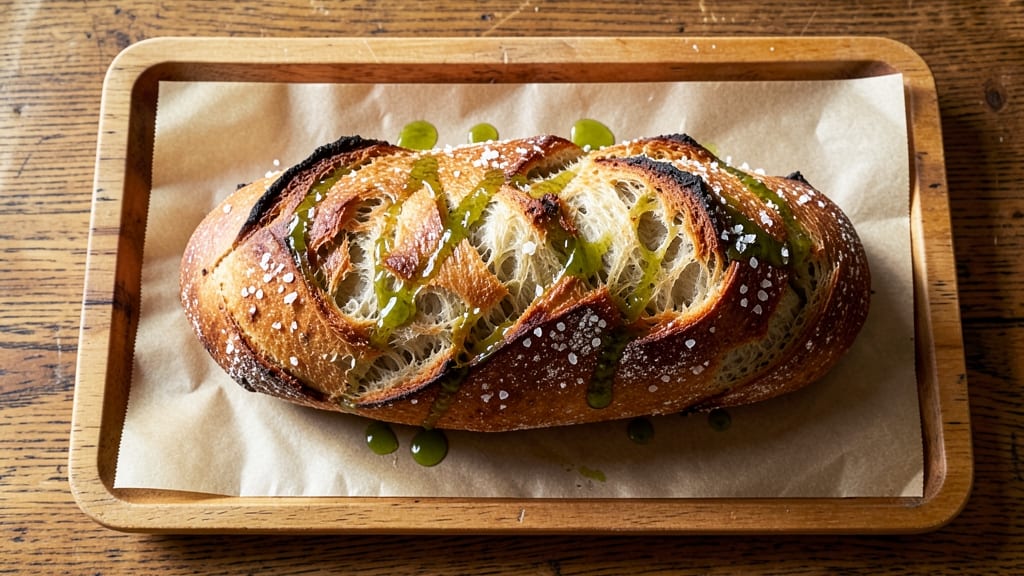
This authentic ciabatta bread recipe delivers the signature airy pockets and crispy crust that make it a staple in Italian bakeries—right in your own kitchen. The secret lies in a high-hydration dough that develops slowly, creating those signature open crumbs and chewy texture.
I’ve perfected this method over years of baking, ensuring every loaf turns out rustic and professional-quality.
Traditional ciabatta relies on slow fermentation and steam during baking to achieve its distinctive character. You’ll work with a minimalist ingredient list—just flour, water, yeast, and salt—but the technique is what transforms simple components into something extraordinary.
The dough requires minimal handling, yet the results speak for themselves: a loaf with crispy edges and a soft, airy interior.
What sets this recipe apart is the focus on authenticity without sacrificing simplicity. No special equipment is needed beyond a Dutch oven for baking, which creates the ideal steam environment. The dough proofing can be done overnight in the refrigerator, making it a perfect project for those with busy schedules.
By the time you pull it from the oven, you’ll have a loaf that rivals anything you’d find in a bakery.
For those who want to experiment, variations like rosemary-infused oil or garlic can elevate the flavor further. But the classic version—just flour, water, and yeast—is where the magic truly lies. Let’s get started on your first loaf of authentic ciabatta.
Ingredients for authentic ciabatta bread
Four simple ingredients transform into rustic Italian perfection with minimal effort.
| Ingredient | Amount | Notes |
|---|---|---|
| Bread Flour 🌾 | 3 ½ cups | High-protein for chewy texture |
| Active Dry Yeast 🍞 | ¼ tsp | Instant yeast works too |
| Granulated Sugar 🍚 | ½ tsp | Feeds yeast for faster rise |
| Diamond Crystal Kosher Salt 🧂 | 1 ½ tsp | Adjust to taste |
| Warm Water 💧 | 2 ¼ cups | 105°F for ideal yeast activation |
| Extra-Virgin Olive Oil 🫒 | ¼ cup | For dough handling |
| Semolina Flour 🌾 | ¼ cup | For dusting dough |
| Cornmeal 🌽 | ¼ cup | For baking surface |
The bread flour is non-negotiable here—King Arthur or Caputo are my go-tos, but any high-protein flour (12-13%) will work. King Arthur sells it pre-sifted, which saves time, but sift your own if using other brands. For the yeast, Saf-Instant is my secret weapon—it activates faster and doesn't need proofing in water first. Store your flour in the freezer to preserve freshness, and always check the yeast's expiration date. The water should be warm but not hot—105°F is ideal, but if you don't have a thermometer, test it with your wrist (should feel like bathwater).
No bread flour? All-purpose plus 1 tbsp vital wheat gluten mimics the high protein content. Running out of semolina? Fine cornmeal or all-purpose flour works in a pinch, though it won't crisp as nicely. The olive oil matters—California avocado oil is a great neutral alternative if you prefer. For a flavor twist, add 1 tsp dried rosemary or garlic powder to the dough, but keep the classic version pure for that authentic taste. If your kitchen is cold, proof the dough in a slightly warm spot (like the oven with the light on) to help it rise properly.
This dough keeps beautifully—shape and refrigerate for up to 24 hours if you need to bake later. For best texture, bake within 4 hours of shaping. Store cooled loaves wrapped in a clean kitchen towel for 3-4 days. Freeze shaped dough (before baking) for up to 3 months)—thaw overnight in the fridge before baking. The crust stays crisp for 2 days if stored in a paper bag, but the interior softens quickly, so enjoy within a day or two.
Why You'll Love This Recipe
- Five-Ingredient Magic: The pantry staples you already own—yeast, flour, salt, sugar, and water—make this feel like cheating. No fancy starters or obscure imports, just pure, no-fuss dough that rises while you make dinner.
- Crust That Cracks: That golden, shatteringly crisp exterior with a pillowy soft center? It’s all thanks to the high hydration dough and a hot bake. Honestly, I’ve never met a bread with this much texture contrast—it’s like biting into a cloud with a crunchy shell.
- Weeknight Workhorse: Toss it with olive oil and herbs for a quick bruschetta, or use it to soak up marinara like a sponge. Between us, I’ve fed a crowd of six with one loaf—just slice it thin and let everyone pile on their own toppings. (Yes, even on a Tuesday night.)
- Stays Fresh for Days: Unlike most bread, this holds up for ages—five days in a bread box, or frozen for a month if you’re planning ahead. The crust stays crisp, the interior stays soft, and you’ll never waste another loaf. Budget win: one batch feeds my family for a week.
Step-by-step instructions for authentic ciabatta bread
Here's how to craft traditional Italian ciabatta with its signature airy pockets and crispy crust.
Activate the Yeast for Maximum Rise
In a large mixing bowl, combine the 2.25 cups warm water (about 105°F) with the 0.5 tsp granulated sugar and 0.25 tsp active dry yeast. Let this mixture sit for 5-10 minutes until you see frothy bubbles forming on the surface. This indicates the yeast is active and ready to work.
I always test the water temperature first—too hot and you'll kill the yeast; too cold and it won't activate properly. The sugar helps feed the yeast immediately, giving your dough a strong fermentation start. If you don't see bubbles within 10 minutes, your yeast may be old or the water temperature incorrect.
Mix the Dough with Minimal Handling
Add the 3.5 cups bread flour and 1.5 tsp diamond crystal kosher salt to the yeast mixture. Using a wooden spoon or dough whisk, gently combine the ingredients until a shaggy dough forms. Then add the 0.25 cup extra-virgin olive oil and mix just until incorporated.
Here's the key: don't overmix. Ciabatta's signature texture comes from its open crumb, which requires minimal gluten development. You'll end up with a sticky, uneven dough—this is normal and desirable. The high protein content in bread flour will create enough structure while maintaining that airy quality.
Knead Just Enough to Develop Structure
Lightly dust a clean surface with 0.25 cup semolina flour and turn out the dough. Using your hands, gently knead for 2-3 minutes—just until the dough comes together and forms a smooth, slightly tacky ball. You're not looking for a silky, elastic dough like with baguettes; ciabatta should remain soft and slightly irregular.
This brief kneading develops enough gluten to hold the dough together during fermentation while preserving those signature air pockets. If the dough feels too sticky to handle, add just enough semolina flour to make it workable—about 1-2 tablespoons at most. Too much flour will tighten the crumb.
Bulk Ferment for Optimal Flavor Development
Place the dough in a lightly oiled bowl, cover with a damp kitchen towel, and let it rise at room temperature for 1-2 hours until it has nearly doubled in size. You'll know it's ready when the dough feels light and springs back slowly when poked with your finger.
This longer fermentation is what gives ciabatta its complex flavor. I like to do this on the counter rather than the oven for better temperature control. If your kitchen is cold, you might need to extend this to 2.5 hours. The dough should be noticeably puffier but still maintain some of its irregular shape—this indicates proper fermentation.
Shape and Final Proof for Signature Texture
Turn the dough onto a surface dusted with 0.25 cup cornmeal and gently shape it into a loose log about 12 inches long. The dough will be sticky—this is normal. Fold the ends toward the center and tuck them under slightly to help maintain the shape during baking.
Place the shaped loaf on a parchment-lined baking sheet, cover with a damp towel, and let it proof for 30-45 minutes until it has risen about 50%. The surface should look slightly domed and feel firm to the touch. This final proof is crucial—it creates those signature air pockets that make ciabatta so distinctive.
Bake for Crispy Crust and Airy Interior
Preheat your oven to 425°F with a baking stone or inverted baking sheet inside. Once hot, score the top of the loaf diagonally about ½ inch deep using a sharp razor blade or serrated knife. This helps control the expansion and creates that beautiful open crumb.
Bake for 20-25 minutes until the crust is deep golden brown and sounds hollow when tapped on the bottom. The interior should register 190-200°F on an instant-read thermometer. For that authentic wood-fired flavor, you can also finish under the broiler for 1-2 minutes if you prefer a darker crust.
Let the bread cool on a wire rack for at least 30 minutes before slicing. The interior should be light and airy with those characteristic holes, while the crust remains crispy. This cooling period is essential—it allows the steam to escape and prevents a gummy interior. Serve warm with olive oil for dipping or use for sandwiches within 2 days for the best texture.
Pro Tips For Making Authentic Ciabatta Bread
- Hydrate the Yeast First: Skip mixing yeast with flour—it dies faster. Instead, bloom it in warm water (110°F) with sugar for 5–10 minutes until frothy. This guarantees a stronger rise and saves you from dough that’s sluggish or underproofed.
- Knead Just Enough: Ciabatta’s signature holes come from not overworking the dough. Mix until shaggy, then do 3–4 sets of stretch-and-folds (30 seconds each) during bulk fermentation—no need for a stand mixer. Over-kneading turns it into dense, sad bread.
- Salt the Water Hard: Diamond Crystal kosher salt measures differently—use 2 teaspoons per cup of water (not 1). The extra salt tightens gluten, improves oven spring, and cuts the risk of a gummy crumb. (Yes, it’ll taste weird at first, but trust me.)
- Steam the First 10 Minutes: Place a metal bowl of boiling water on the oven floor when baking. The steam mimics a professional deck oven and gives ciabatta its signature crisp crust and airy interior. Skip this, and you’ll end up with a dry, flat loaf.
Wine and beer pairings for this dish
Italian White Wine
Ciabatta’s light, airy texture and mild flavor pair beautifully with crisp Italian whites like Pinot Grigio from Alto Adige. Its bright acidity and citrus notes cut through the bread’s richness without overpowering it.
I recommend chilling a bottle of Santa Margherita Pinot Grigio to 45-50°F—the cool temperature enhances its refreshing qualities. For a more robust option, try Vermentino from Sardinia, which offers a touch of minerality that complements the bread’s crusty edges. 🍷
Light Lager Pairing
A crisp Italian lager like Peroni or Moretti balances ciabatta’s chewiness with its effervescence and subtle malt sweetness. The carbonation helps cleanse your palate between bites of the bread’s soft interior.
For a craft beer twist, opt for a Belgian witbier—brands like Hoegaarden bring floral notes and a hint of spice that elevate the bread’s rustic charm. Serve both beer and bread at room temperature to highlight their complementary textures. 🍺
Dry Rosé for Versatility
If you’re serving ciabatta with antipasto or charcuterie, a dry Provençal rosé bridges the gap between the bread and cured meats like prosciutto. Look for Whispering Angel or Miraval—their strawberry and citrus undertones harmonize with the bread’s olive oil finish.
The rosé’s acidity also helps cut through any richness from toppings like burrata or sun-dried tomatoes. Chill to 48-52°F for optimal balance. 🍹
Red Wine for Heartier Spreads
For ciabatta used as a sandwich base with hearty toppings (think roasted vegetables or grilled meats), a Chianti Classico or Montepulciano d’Abruzzo delivers enough structure to stand up to bold flavors.
The medium-bodied reds provide tannins that contrast the bread’s softness while complementing savory fillings. Decant for 30 minutes to soften tannins and serve at 65°F to enhance its earthy notes. ⚡
Non-Alcoholic Options
Skip the alcohol? A sparkling blood orange soda like San Pellegrino Aranciata Rossa mimics wine’s acidity and adds a refreshing citrus twist. For a more savory option, try Italian mineral water with a splash of lemon juice—the effervescence enhances the bread’s airy texture.
I also love hibiscus tea (chilled) for its tartness, which pairs surprisingly well with ciabatta’s olive oil finish. 💧
Nutrition facts
Frequently asked questions
Why does authentic ciabatta have those big air holes?
The signature air pockets come from a high-hydration dough with minimal gluten development. The long fermentation and gentle shaping create steam pockets that expand during baking, giving ciabatta its distinctive open crumb structure. This texture is what sets it apart from denser breads like baguettes.
Can I make ciabatta without a Dutch oven?
Yes! Use a baking sheet with a metal bowl inverted over the loaf during the first 10 minutes of baking to create steam. For extra crustiness, place a tray of boiling water in the oven below the bread. The result won't be identical but will still be delicious.
How do I fix dense ciabatta?
Dense ciabatta usually means over-kneading or insufficient proofing. For future batches, handle the dough minimally during shaping and ensure it doubles in size during bulk fermentation. If your current loaf is dense, try slicing it thinly and toasting - the texture improves when heated.
What's the best way to store homemade ciabatta?
Wrap cooled loaves in a clean kitchen towel and store at room temperature for 2-3 days. For longer storage, freeze shaped dough (before baking) for up to 3 months. To revive, thaw overnight in the fridge and bake as directed. The crust stays crisp for 2 days if kept in a paper bag.
Can I add herbs or cheese to the dough?
While traditional ciabatta uses just flour, water, yeast, and salt, you can add 1 tsp dried rosemary or ½ cup grated Parmesan for flavor variations. For best results, distribute these evenly throughout the dough during the initial mixing. Just remember - the classic version's simplicity is what makes it special!