
Side Dishes
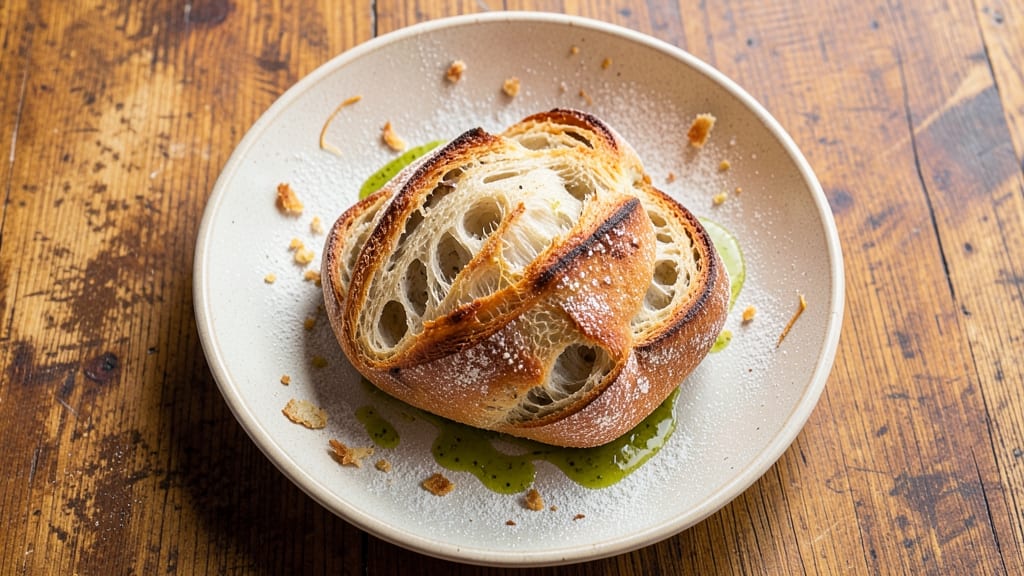
This traditional ciabatta bread recipe delivers the signature airy pockets and crispy crust that make Italian bakeries famous—no fancy equipment required. The secret lies in a high-hydration dough that relies on time, not labor, to develop its signature texture.
I've perfected this method after years of testing, and it consistently produces bread that rivals artisanal loaves.
The beauty of ciabatta lies in its simplicity: just flour, water, yeast, and salt, but with a technique that transforms basic ingredients into something extraordinary. Unlike dense breads, ciabatta's structure comes from its long fermentation and minimal shaping—think of it as baking with patience rather than force.
The result? A loaf with massive, irregular holes and a satisfying crunch that gives way to a soft, chewy interior.
What sets this recipe apart is its foolproof approach to achieving that classic ciabatta texture without the guesswork. We'll cover everything from proper dough hydration to the critical proofing stages that create those signature pockets.
The crust develops a deep golden color with just the right amount of crispness, while the interior remains light and tender.
Once baked, this bread is incredibly versatile—perfect for dipping in olive oil, pairing with soups, or serving alongside antipasto platters. The recipe includes troubleshooting tips for common issues like dense bread, ensuring your first attempt will be successful. Let's get started on mastering this Italian classic.
Ingredients for traditional ciabatta bread
Four essential ingredients transform into Italian bakery-style ciabatta with signature airy pockets.
| Ingredient | Amount | Notes |
|---|---|---|
| Bread Flour 🌾 | 4 cups | High-protein for optimal gluten development |
| Active Dry Yeast 🍞 | ¼ tsp | Freshly purchased for viability |
| Diamond Crystal Kosher Salt 🧂 | 1 ½ tsp | Fine grain preferred for even dispersion |
| Lukewarm Water 💧 | 3 ¼ cups | 105-110°F for optimal yeast activation |
| Extra-Virgin Olive Oil 🫒 | 2 tsp | High-quality for dough elasticity |
| Semolina Flour 🌾 | ½ cup | For dusting and crust enhancement |
| Cornmeal 🌽 | ¼ cup | For baking surface texture |
The bread flour is non-negotiable—King Arthur or Caputo Tipo 00 deliver the high-protein structure needed for ciabatta's signature texture. Bulk bins at Whole Foods or specialty Italian markets offer the freshest options, but standard bread flour works in a pinch. Active dry yeast must be tested for viability by proofing in warm water before use. For the water, lukewarm temperature is critical—too hot kills yeast, too cold prevents activation. Olive oil should be fruity and peppery; California Avocado or Colavita brands excel. Semolina and cornmeal provide the crisp crust—Bob's Red Mill offers reliable quality for both.
No bread flour? All-purpose plus 1 tbsp vital wheat gluten mimics the protein content. Yeast expired? Fresh yeast from the refrigerated section works better than ancient packets. Olive oil shortages? Vegetable oil at half the amount maintains dough elasticity. Semolina unavailable? Rice flour substitutes, though texture differs slightly. The dough's hydration ratio (150%) creates those signature pockets—do not adjust unless you're comfortable with dense results. For proofing, a warm oven with a bowl of boiling water creates the perfect environment.
Freshly mixed dough keeps 24 hours in an airtight container in the fridge, developing deeper flavor. For longer storage, freeze shaped loaves for up to 3 months—thaw at room temperature before baking. Semolina and cornmeal should be stored in cool, dark cabinets to prevent rancidity. Baked ciabatta stays fresh 3-4 days at room temperature when wrapped in a clean kitchen towel. Toasting revives stale bread—2 minutes at 350°F restores crispness.
Why You'll Love This Recipe
- No-Knead Magic: I’ll be real—this dough takes zero effort. Just mix bread flour, yeast, and water, let it sit, then stretch it like taffy. No stand mixer, no arm workout, just that satisfying pull-and-fold magic.
- Crispy-Creamy Obsession: That olive oil-infused crust? Chef’s kiss. The outside shatters with a crack, while inside it’s pillowy—like biting into a cloud with a little crunch. Honestly, I’ve torn through a whole loaf in one sitting.
- Weeknight Workhorse: Toss it with garlic butter for toast, tear it over salads, or use it to soak up marinara. Freezes like a dream, too—just reheat slices in a skillet until golden. My lazy Sunday brunch secret weapon.
- Pantry Staple Savior: Five ingredients, all budget-friendly. That kosher salt? It makes the flavor pop without breaking the bank. Plus, one batch feeds a family for days—no sad, stale bread here.
Step-by-step instructions for traditional ciabatta bread
Mastering ciabatta requires patience and precision—here’s how to achieve its signature airy pockets and crisp exterior.
Activate the Yeast and Develop the Dough
In a large mixing bowl, combine the 3.25 cups lukewarm water with the 0.25 tsp active dry yeast and 1.5 tsp diamond crystal kosher salt. Let the mixture sit for 5-10 minutes until the yeast begins to foam and bubble—this confirms it’s active. If no activity occurs, your water may be too hot or the yeast inactive; discard and start fresh.
Add the 4 cups bread flour to the bowl and stir with a wooden spoon until a shaggy dough forms. The high-protein flour is essential here; it develops the gluten necessary for ciabatta’s signature texture. Once combined, add the 2 tsp extra-virgin olive oil and mix until fully incorporated. The dough will be sticky but manageable—this is normal for ciabatta.
Knead and Rest for Optimal Gluten Development
Turn the dough onto a lightly floured surface and knead for 8-10 minutes by hand, or use a stand mixer with a dough hook on medium speed for 5-6 minutes. You’re aiming for a smooth, elastic dough that springs back when poked. The olive oil prevents excessive dryness, allowing the gluten to stretch without tearing.
Shape the dough into a loose ball, place it back in the bowl, and cover with a damp towel. Let it rest at room temperature for 1 hour. This initial rest allows the gluten to relax and redistribute, setting the stage for the dough’s dramatic expansion later. Avoid skipping this step—rushing leads to dense, pocketless bread.
Shape and Proof for Dramatic Rise
After the rest, divide the dough into 4 equal portions (about 1 cup each). Gently shape each into a rough oval, then place them on a baking sheet lined with parchment paper. Cover loosely with the damp towel and let them proof at room temperature for 1.5-2 hours, or until nearly doubled in size. The dough should feel light and springy when pressed gently.
Here’s the key: resist the urge to overhandle the dough during shaping. Ciabatta relies on irregular, airy pockets, not tight, smooth surfaces. If the dough doesn’t rise sufficiently, it may be too cold or the yeast inactive—check your water temperature next time (it should be 105-110°F).
Prepare for Baking and Create Texture
Preheat your oven to 425°F with a baking stone or inverted baking sheet inside. While the oven heats, dust a baking sheet with 0.25 cup cornmeal and another with 0.5 cup semolina flour. The cornmeal creates a crisp, golden crust, while the semolina adds texture and prevents sticking.
Once the dough has proofed, stretch each piece gently into an irregular oval shape—think of a slightly flattened football. Place them on the cornmeal-dusted sheet, then score the top with a sharp razor or lame in a crosshatch pattern. This encourages even expansion and adds to the rustic appeal. Bake for 20-25 minutes until deep golden brown.
Cool and Serve for Maximum Flavor
Remove the ciabatta from the oven and immediately brush the tops with a light coating of extra-virgin olive oil (reserved from the dough). This step enhances the crust’s crispness and adds a subtle richness. Let the bread cool on a wire rack for at least 1 hour before slicing—this ensures clean cuts and prevents a gummy texture.
The result should be a loaf with an irresistibly crisp exterior, airy pockets inside, and a delicate, slightly chewy crumb. Serve warm with olive oil for dipping or toasted with garlic and herbs. For best flavor, enjoy within 2-3 days—ciabatta’s texture softens as it cools, but its rustic charm remains timeless.
Pro Tips For Making Traditional Ciabatta Bread
- TEST YEAST FIRST: Skip the guesswork—mix 1 teaspoon yeast with ¼ cup warm water and 1 teaspoon sugar, then wait 10 minutes for foamy action before starting. I learned this the hard way after baking a dense brick because my yeast was old or cold.
- STRETCH DON’T FOLD: When shaping ciabatta, resist the urge to fold the dough—gently stretch and fold in thirds, then let it rest 20 minutes between folds. Folding too soon makes it tough; stretching builds those signature holes.
- SALT THE WATER: Dissolve the kosher salt directly into the lukewarm water before mixing with flour—it distributes evenly and prevents clumpy dough. I used to sprinkle it later, and the flavor was uneven.
- BAKE UNTIL 200°: Pull the bread out when the internal temp hits 200°F (not 190°), even if the crust looks pale—it’ll keep rising in the pan. My first batch was gummy because I pulled it too soon.
Best sauces and condiments for this traditional ciabatta bread
Olive Oil Drizzle
Nothing elevates ciabatta like a drizzle of extra-virgin olive oil—preferably California Avocado or Colavita brands with fruity, peppery notes. Warm the bread slightly before serving, then drizzle generously. Add a sprinkle of flaky sea salt (like Maldon) and freshly cracked black pepper for a classic Italian touch. 🫒
Garlic Confit
Infuse the bread with rich garlic flavor by mixing 2 minced garlic cloves into ¼ cup melted butter and brushing it onto warm ciabatta. For extra depth, roast the garlic in olive oil at 350°F for 20 minutes before mincing.
This method creates a mellow, sweet garlic that pairs perfectly with the bread’s crisp crust.
Herb-Infused Compounds
Create a vibrant compound by blending 2 tbsp chopped fresh rosemary, 1 tbsp chopped thyme, and 3 tbsp olive oil. Let it sit for 10 minutes to infuse flavors, then drizzle over toasted ciabatta.
For a brighter option, swap herbs for lemon zest and fresh basil. This adds a fragrant, aromatic layer that complements the bread’s rustic texture.
Whole-Grain Mustard Dip
Mix 2 tbsp Dijon mustard, 3 tbsp olive oil, and 1 tsp honey for a tangy-sweet dip. Thin with a splash of warm water if needed. This pairing balances ciabatta’s heartiness with a sharp, slightly sweet contrast.
Serve alongside antipasto platters or as a quick appetizer. For extra richness, add 1 tsp minced shallot to the mixture.
Tomato Basil Spread
Blend ½ cup sun-dried tomatoes, ¼ cup basil leaves, 2 tbsp olive oil, and 1 tsp balsamic vinegar until smooth. Spread generously on ciabatta slices for a Mediterranean-inspired twist. This spread works especially well when the bread is still warm, allowing the flavors to meld beautifully. 🍅
Spicy Chili Oil
For heat lovers, drizzle ciabatta with chili oil made by infusing 1 cup olive oil with 2 tbsp dried chili flakes and 1 tsp crushed red pepper at low heat for 10 minutes.
Strain and cool before serving. The oil’s heat cuts through the bread’s richness, creating a bold flavor profile. Garnish with toasted sesame seeds for texture.
Nutrition facts
Frequently asked questions about traditional ciabatta bread
Why does ciabatta have such big holes?
The signature airy pockets come from a high hydration ratio (150%) and minimal shaping. The dough's gluten structure creates these irregular cavities during proofing and baking. Overworking the dough collapses these pockets, so handle it gently when shaping.
Can I make ciabatta without a baking stone?
Use a preheated inverted baking sheet or a thick metal pan. For extra crispiness, place your dough directly on the hot surface. The key is ensuring your oven reaches 425°F before baking to create that perfect crust.
What's the best way to store homemade ciabatta?
Wrap cooled loaves in a clean kitchen towel (not plastic) to maintain moisture. Store at room temperature for 3-4 days or freeze shaped loaves for up to 3 months. For fresher-tasting bread, reheat slices in a 350°F oven for 3-5 minutes.
Why did my ciabatta turn out dense?
This usually happens from over-kneading, underproofing, or cold dough. Let the dough rest properly between stages and avoid handling it too much. Also verify your yeast is active and water temperature is 105-110°F.
Can I add rosemary or other herbs to the dough?
Yes! Mix 1 tbsp chopped fresh rosemary or 1 tsp dried herbs with the flour before adding water. For best results, use high-quality dried herbs like thyme or oregano. The herbs will infuse flavor without altering the bread's signature texture.