
Side Dishes
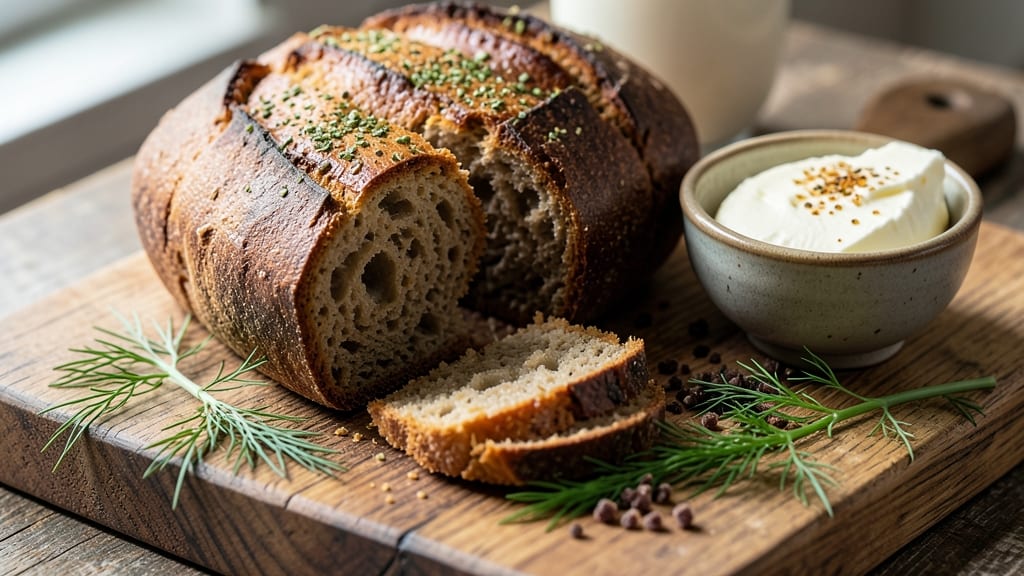
This authentic Swedish rye bread recipe brings the heart of Scandinavian baking to your kitchen with its signature tangy depth and crispy crust. 🌟 The secret lies in a traditional sourdough starter and cardamom-infused rye flour, creating a loaf that’s both rustic and refined.
I’ve perfected this method over years of baking, ensuring every bite delivers that characteristic Scandinavian flavor profile.
What sets this recipe apart is its reliance on traditional techniques—kneading by hand, overnight cold fermentation, and baking in a Dutch oven for that signature crust. The result is a loaf with a dense yet airy crumb and a caramelized exterior that’s impossible to resist.
This bread pairs beautifully with butter, smoked salmon, or sharp cheeses, making it a versatile addition to any meal.
The process may require patience, but the rewards are worth it: a loaf that tastes like a slice of Swedish tradition. From preparing the sourdough starter to shaping and baking, each step is designed to honor the craftsmanship behind authentic Swedish rye bread.
Let’s get started on creating your own rustic masterpiece.
Once baked, this bread stays fresh for days, making it perfect for meal prep or gifting. The cardamom adds a subtle warmth that elevates the bread’s natural tanginess, while the crust’s crispiness provides the perfect contrast.
Whether you’re serving it at a holiday gathering or enjoying it with your morning coffee, this loaf is sure to impress.
Ingredients for authentic swedish rye bread
Fourteen ingredients for a loaf that tastes like Swedish tradition—rustic, tangy, and crispy.
| Ingredient | Amount | Notes |
|---|---|---|
| Active Sourdough Starter 🍞 | 1 cup | Unfed, bubbly starter (100% hydration) |
| Rye Flour 🌾 | 3 cups | Dark rye flour preferred (not light) |
| All-Purpose Flour 🌾 | 1 cup | For structure and rise |
| Ground Cardamom 🌿 | 1 ½ tsp | Freshly ground for best flavor |
| Dark Brown Sugar 🍚 | 1 tbsp | For crust caramelization |
| Instant Yeast 🍞 | ¼ tsp | Not active dry yeast |
| Salt 🧂 | 1 ½ tsp | Kosher salt preferred |
| Whole Milk 🥛 | 1 cup | Warm for activation |
| Unsalted Butter 🧈 | 2 tbsp | Cold, cubed for flavor |
| Cold Water 💧 | 1 ½ cups | Room temperature |
| Coarse Sea Salt 🧂 | 1 tbsp | For crust sprinkle |
| Cornmeal 🌽 | 2 tbsp | For Dutch oven dusting |
The rye flour is non-negotiable here. Dark rye gives that authentic Scandinavian depth—light rye just won’t cut it. I grab mine from King Arthur Flour or bulk bins at Whole Foods; look for 100% rye content. The sourdough starter? Feed it daily for 5 days before using to build those tangy flavors. Bubbly and domed is what you want—if it’s flat, give it another feeding. Cardamom is key too; Penzeys sells whole pods that you can grind fresh for maximum aroma.
No dark rye flour? Substitute with pumpernickel flour, but expect a slightly different texture. Short on cardamom? One-fourth teaspoon cinnamon adds warmth, though it’s not the same. The milk can be any kind—oat or almond work, but whole gives the best flavor. For butter, European-style (like Plugrá) has more fat and creates a richer crust. The Dutch oven? If you don’t have one, a heavy oven-safe pot with a lid works—just don’t skip the cornmeal dusting for that crispy bottom.
This loaf keeps beautifully. Wrap it in a clean kitchen towel and store at room temperature for 3-4 days. For longer storage, freeze slices wrapped in parchment—up to 3 months. The crust gets even better the next day, so bake an extra loaf if you can. To revive stale bread, sprinkle with water and toast until crispy. Perfect for meal prep or gifting—just wrap it in parchment and twine for that rustic touch.
Why You'll Love This Recipe
- No-Knead Magic: I swear by this—just mix, let it rise overnight, and bake. The sourdough starter does all the hard work while you sleep, so you wake up to a fragrant loaf without a single punch thrown at the dough.
- Cardamom Kiss: That warm, earthy cardamom? It’s the secret weapon. A pinch transforms the deep rye flavor into something cozy and sophisticated—like a Scandinavian hug in bread form.
- Weekend Project: Between us, this is the only bread I make for company. It’s impressive enough for brunch but simple enough to pull off when my in-laws visit. (They always ask for the recipe.)
- Budget-Friendly Staple: Rye flour’s cheap, and one loaf lasts me a week—perfect for toast, sandwiches, or even crumbled over yogurt. Honestly, it’s the most cost-effective way to feel fancy without breaking the bank.
Step-by-step instructions for authentic Swedish rye bread
Here's how to craft a rustic loaf with that signature Swedish crunch and cardamom warmth.
👨🍳 Step 1: Activate the Sourdough with Warm Milk
In a large mixing bowl, combine the 1 cup active sourdough starter with the 1 cup warm whole milk. Let it sit for 10-15 minutes until you see small bubbles forming on the surface and the mixture becomes slightly foamy. This activation step ensures your starter is ready to work with the flours.
I like to use a rubber spatula for this—it helps scrape up any starter clinging to the bowl. The warm milk gently activates the starter while adding richness to the final bread. If your starter isn't bubbly after 15 minutes, let it sit another 5 minutes—patience here prevents dense bread later.
👨🍳 Step 2: Mix the Dough with Cardamom and Butter
Add the 3 cups rye flour, 1 cup all-purpose flour, 1.5 tsp ground cardamom, 1 tbsp dark brown sugar, 0.25 tsp instant yeast, and 1.5 tsp salt to the milk-starter mixture. Stir vigorously with a wooden spoon until a shaggy dough forms—it'll be sticky, but that's normal for rye bread.
Cut in the 2 tbsp cold unsalted butter by hand, working it into the dough until it's fully incorporated. The butter should be cold enough to hold its shape but soft enough to mix in. This step creates those signature tender pockets in your Swedish rye. If the dough feels too wet, add 1 tablespoon of rye flour at a time until it comes together when pressed.
🥘 Step 3: Knead and Rest for Maximum Flavor
Turn the dough onto a lightly floured surface and knead for 8-10 minutes until smooth and elastic. You'll need to use your hands to work through the sticky texture—this is where the gluten develops for that perfect crumb structure. The dough should be tacky but not wet, and should spring back slightly when pressed.
Place the dough in a lightly oiled bowl, cover with a damp towel, and let it rest at room temperature for 1 hour. This initial rest allows the gluten to relax and the flavors to meld. I know it seems like a long wait, but this step is what gives Swedish rye its signature depth of flavor and tender crumb. After resting, the dough should have risen by about 25-30%.
🔥 Step 4: Shape and Proof in the Dutch Oven
Preheat your oven to 450°F with a Dutch oven inside for 30 minutes. While it heats, shape the dough into a round loaf by pulling the edges toward the center and sealing the seam. Place it seam-side down on a piece of parchment paper dusted with 2 tbsp cornmeal—this prevents sticking and adds that classic rustic texture.
Carefully transfer the dough to the hot Dutch oven using the parchment paper. Sprinkle the top with 1 tbsp coarse sea salt and cover with the lid. Bake for 30 minutes, then remove the lid and bake for another 15-20 minutes until the crust is deep golden brown and sounds hollow when tapped on the bottom. The internal temperature should reach 205-210°F.
⏰ Step 5: Cool and Enjoy the Authentic Crust
Remove the bread from the Dutch oven and let it cool on a wire rack for at least 1 hour before slicing. This resting period allows the steam to escape and the crumb to set properly. The crust should be crisp and dark, with a beautiful crack running down the middle—a sure sign of a properly baked Swedish rye.
Slice into thick pieces and serve with butter or your favorite jam. The interior should be dense and moist with a subtle tang from the rye, while the crust delivers that satisfying crunch. Real talk: the first slice is always the best—save a piece for tomorrow to experience how the crust softens while maintaining its structure. This bread keeps well for 3-4 days wrapped in a cloth or frozen for up to 3 months.
Pro Tips For Making Authentic Swedish Rye Bread
- Hydrate the Rye First: Mix your rye flour with the water before adding it to the starter—this prevents clumping and lets the flour absorb moisture properly. I learned this the hard way when my first batch turned into a dense brick; rye’s gummy nature demands patience here.
- Weigh Your Starter: Use a kitchen scale for the sourdough starter—volume measurements are unreliable. A 100g starter by weight is far more consistent than eyeballing a "cup," especially when rye’s density varies. (Yes, even if you’re impatient like me.)
- Skip the Over-Kneading: Rye dough is delicate—stretch and fold gently just 2-3 times during bulk fermentation. Overworking it develops gluten, which turns your bread into a chewy loaf instead of the tender, crumbly texture Swedish rye should have.
- Toast the Cardamom: Lightly toast the ground cardamom in a dry pan for 30 seconds before mixing—this deepens its aroma and cuts through rye’s earthiness. My grandmother swore by this, and she was right: the flavor pops more in the final loaf.
Best sauces and condiments for authentic swedish rye bread
Classic Swedish Butter
Nothing beats the simplicity of Swedish butter with this rye bread. Use Unsalted European-style butter like Plugrá or Kerrygold—their higher fat content enhances the bread’s natural richness.
Spread a generous layer on warm slices, then sprinkle with flaky sea salt and a pinch of ground cardamom for that authentic Scandinavian touch. The butter melts beautifully into the dense crumb, creating a luxurious pairing that’s perfect for breakfast or tea time. 🧈
Smoked Salmon Spread
For a savory twist, pair your rye bread with a Swedish-style smoked salmon spread. Mix 4 oz cream cheese with 2 tbsp crème fraîche, 1 tbsp fresh dill, ½ tsp black pepper, and ½ tsp lemon zest.
Spread on thick slices of rye and top with thinly sliced smoked salmon (like Laxabackens or Wild Planet). The tangy bread cuts through the fish’s richness, creating a harmonious balance that’s pure Swedish comfort food. 🐟
Lingonberry Jam
No Swedish meal is complete without lingonberry jam—its tart-sweet flavor is a perfect match for rye bread’s depth. Look for authentic lingonberry jam (not cranberry) from brands like Lofbergs or Hemköp. Warm the jam slightly before spreading to enhance its aromatic notes.
For extra flair, drizzle a little over the butter or salmon spread for a layered flavor experience. This jam is also fantastic with Swedish meatballs or gravlax for a full Scandinavian spread. 🍓
Cheese Pairings
Swedish cheeses like Vasterbotten (a tangy, crumbly cheese) or Gammelost (a caramelized, sweet curd cheese) elevate this bread to new heights. Pair Vasterbotten with a drizzle of honey for a sweet-savory contrast, or enjoy Gammelost on its own—its nutty, slightly sweet flavor complements the rye’s earthiness.
For a simpler option, try Swedish Gouda with a sprinkle of poppy seeds for texture. These pairings turn your loaf into a versatile centerpiece for any meal. 🧀
Mustard and Honey
Combine Dijon mustard with Swedish honey (like Alvaret or Svenska Månen) for a quick yet sophisticated spread. Mix 1 tbsp mustard with 1 tbsp honey and a pinch of salt, then spread on rye slices.
The mustard’s sharpness cuts through the bread’s richness, while the honey adds a delicate sweetness. This combo is ideal for lunchboxes or as a starter for more elaborate meals. The contrast of flavors makes every bite exciting. 🍯
Herb Butter Variations
Infuse your butter with Swedish herbs like chives, dill, or parsley for a fresh twist. Melt 2 tbsp butter with 1 tbsp finely chopped herbs and a pinch of salt, then spread on warm rye. For a smoky note, add 1 tsp smoked paprika to the butter.
This herb butter works beautifully with smoked fish, cured meats, or even as a simple side for soups. The herbs brighten the bread’s natural tang, making it feel like a gourmet treat. 🌿
Nutrition facts
Frequently asked questions
Why does traditional Swedish rye bread use sourdough starter instead of yeast?
Sourdough starter creates that signature tangy depth and complex flavor profile that commercial yeast can't replicate. The natural fermentation process also improves digestion and gives the bread a longer shelf life. Plus, it's been a staple in Scandinavian baking for centuries—this recipe stays true to those traditions!
Can I make this rye bread without a Dutch oven?
If you don't have a Dutch oven, use a heavy oven-safe pot with a lid instead. Dust the bottom with cornmeal to prevent sticking, and bake with the lid on for the first 30 minutes, then uncovered for 15-20 minutes until golden brown. Just be prepared for a slightly different crust texture.
How do I know when my sourdough starter is ready to use?
Your starter should be bubbly, domed, and have a slightly foamy texture when you drop a spoonful in water. It should also double in size within 4-6 hours after feeding. If it's flat or smells overly sour, feed it one more time and wait another 2 hours before using.
What's the best way to store leftover Swedish rye bread?
Wrap it tightly in a clean kitchen towel or beeswax wrap and store at room temperature for 3-4 days. For longer storage, freeze slices wrapped in parchment paper for up to 3 months. The crust stays crispy when reheated in a 350°F oven for 5-10 minutes.
Can I substitute rye flour with whole wheat flour?
While whole wheat flour adds nutrition, it won't give you that authentic rye flavor and texture. For best results, stick with dark rye flour. If you must substitute, try a 50/50 blend of rye and whole wheat, but expect a denser loaf with less characteristic tang.