
Sauces & Condiments
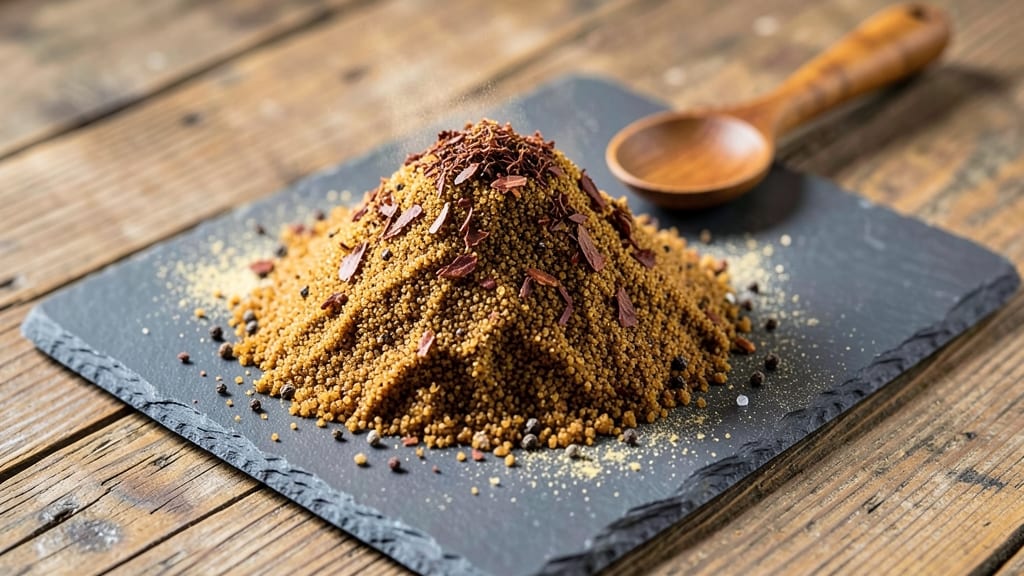
Creating a Longhorn Steakhouse seasoning recipe at home means unlocking that signature smoky-sweet flavor profile that makes every bite unforgettable. This dry rub transforms ordinary grilled meats and roasted vegetables into restaurant-quality masterpieces with just a sprinkle.
My first cookbook taught me how small spice blends can elevate entire dishes—this one delivers that same magic in a jar.
The secret lies in balancing bold spices: coarse black pepper for heat, smoked paprika for depth, and garlic powder for that unmistakable steakhouse aroma. I developed this blend after testing dozens of variations, ensuring each component works together to create a harmonious, flavor-packed seasoning.
The result? A versatile dry rub that works equally well on steaks, chicken, or even roasted potatoes.
With just six simple ingredients, this seasoning mix creates a flavor profile that's both authentic and approachable. The blend stays potent for months when stored properly, making it perfect for stocking your pantry.
Whether you're grilling a summer steak or roasting winter vegetables, this seasoning transforms ordinary dishes into something extraordinary.
Use it as a dry rub for meats, a seasoning for roasted vegetables, or even as a finishing touch for popcorn. My kids Emma and Jack are my toughest critics—and they always ask for seconds when I use this blend.
Let's create this flavor-packed seasoning that'll make your kitchen taste like a Texas steakhouse.
Ingredients for longhorn steakhouse seasoning
Six spices blend perfectly to recreate that iconic Texas steakhouse flavor in your own kitchen.
| Ingredient | Amount | Notes |
|---|---|---|
| Smoked Paprika 🌶️ | 2 tbsp | High-quality smoked for authentic depth |
| Coarse Ground Black Pepper 🌶️ | 1 ½ tbsp | Freshly cracked for maximum bite |
| Garlic Powder 🧄 | 1 ½ tbsp | Non-iodized preferred for purity |
| Onion Powder 🧅 | 1 tbsp | Finely milled for even distribution |
| Granulated Brown Sugar 🍚 | 1 tbsp | Lightly packed for consistent sweetness |
| Diamond Crystal Kosher Salt 🧂 | 1 tbsp | Coarse grain for proper seasoning balance |
| Ground Cumin 🌿 | ½ tbsp | Toasted for enhanced earthy aroma |
| Ground Cayenne Pepper 🔥 | ¼ tbsp | Adjust to taste for heat preference |
The smoked paprika is your flavor anchor—Penzeys or McCormick Gourmet are my go-tos for that authentic smokiness. Bulk bins at Whole Foods often have higher-quality versions too, but the regular grocery store stuff works if it's fresh. Look for vibrant color and no clumping. The coarse black pepper? Freshly cracked makes all the difference—if you've got a pepper grinder, use it. For garlic powder, I always opt for non-iodized since we're using it purely for flavor, not nutrition. The brown sugar adds that signature sweetness without overpowering the smoky notes, and Light Muscovado from Trader Joe's gives the best depth if you want to splurge. The cumin is subtle but crucial—it rounds out the heat from the cayenne and adds that earthy layer you'd expect from a Texas steakhouse.
No smoked paprika? Substitute 1 tbsp regular paprika plus 1/4 tsp liquid smoke—it's not identical, but close. Running low on coarse pepper? Regular ground pepper works at double the amount, but you'll lose that satisfying crunch. For a sweeter profile, turbinado sugar at half the amount gives a slightly different texture but similar flavor. The cayenne can be swapped for red pepper flakes at the same quantity, but you'll get a finer heat. If you're avoiding sugar entirely, 1/2 tsp molasses adds depth without sweetness. The blend works best when all spices are uniformly ground—if you've got whole spices, toast and grind them first for maximum impact.
Store in an airtight container in a cool, dark place—glass jars with tight-sealing lids are ideal. This blend stays potent for up to 6 months if kept away from light and moisture. I make a triple batch every time—one for immediate use, two to gift to friends. The kids love using it on popcorn, and honestly, it's one of the best ways to test if your seasoning is working. For best results, let the spices sit in the container for 10 minutes after mixing—this helps the flavors meld together before your first use.
Why You'll Love This Recipe
- Five-Ingredient Magic: I swear by this blend—just measure, mix, and store. No fancy tools, no second-guessing, just pure convenience that still tastes like a restaurant secret.
- Smoky Sweet Crunch: That brown sugar caramelizes on the edges while the smoked paprika adds depth—like a Texas sunset in your mouth. Honestly, my kids ask for seconds before I even finish seasoning.
- Game-Day Go-To: Tailgating? BBQ? Weeknight steaks? This seasoning handles it all—dry rub, marinade, or even sprinkled on roasted potatoes. (Yes, even on a Tuesday night.)
- Budget Boost: A single batch stretches for weeks, and you’re not sacrificing flavor. Between us, this is how I keep my grocery bill low without skimping on taste.
Step-by-step instructions for longhorn steakhouse seasoning
Here's how to blend this smoky-sweet masterpiece that transforms grilled meats into restaurant-quality perfection.
Measure All Ingredients Precisely
Gather all your ingredients and measure them with exact precision. I use a digital scale for accuracy, especially with the smaller quantities like the ground cumin and cayenne pepper. The 2 tablespoons of smoked paprika should be your base—this is what gives that authentic Longhorn Steakhouse depth. For the 1.5 tablespoons of coarse ground black pepper, I recommend freshly cracked peppercorns for maximum bite and aroma. The 1.5 tablespoons of garlic powder and 1 tablespoon of onion powder should be finely milled to ensure even distribution throughout your seasoning.
Don't skip measuring the 1 tablespoon of granulated brown sugar—this creates that signature caramelized crust when seared. The 1 tablespoon of Diamond Crystal kosher salt provides the proper seasoning balance, while the 0.5 tablespoon of ground cumin adds earthy warmth. Finally, the 0.25 tablespoon of ground cayenne pepper delivers subtle heat that enhances all the other flavors. Remember, these quantities make enough seasoning for about 4 servings—perfect for a family meal or small gathering.
Combine Dry Ingredients in a Mixing Bowl
Transfer all measured ingredients to a medium-sized mixing bowl. I prefer using a stainless steel bowl for its non-reactive surface, but glass works well too. Start by adding the 2 tablespoons of smoked paprika and 1.5 tablespoons of coarse ground black pepper to the center of the bowl. Create a small well in the center and add the remaining ingredients: 1.5 tablespoons of garlic powder, 1 tablespoon of onion powder, 1 tablespoon of granulated brown sugar, 1 tablespoon of Diamond Crystal kosher salt, 0.5 tablespoon of ground cumin, and finally the 0.25 tablespoon of ground cayenne pepper.
This arrangement helps prevent the cayenne from clumping and ensures even distribution when we mix. The visual contrast between the dark smoked paprika and the lighter spices creates a beautiful color gradient that's almost as satisfying to watch as it is to use. Take a moment to appreciate how these simple ingredients will come together to create something extraordinary.
Whisk Until Uniformly Blended
Using a whisk or small wire whisk, gently stir the ingredients together in a circular motion. Start at the center of the bowl and work your way outward to incorporate all the spices evenly. You'll notice the mixture starts to take on a more cohesive appearance as the darker paprika and cayenne blend with the lighter garlic and onion powders. Keep whisking for about 1-2 minutes until the color appears uniform throughout and you can no longer see distinct piles of individual spices.
This step is crucial for ensuring every application of your seasoning delivers consistent flavor. The granulated brown sugar will begin to dissolve slightly into the other dry ingredients, creating a subtle sweetness that will caramelize beautifully when exposed to heat. Pay special attention to the corners of the bowl—those are where spices often hide. Give the bowl a gentle tap to loosen any settled spices before your final whisking pass.
Transfer to an Airtight Container
Once thoroughly mixed, transfer your Longhorn Steakhouse seasoning to an airtight container. I recommend a small glass jar with a tight-sealing lid for both visibility and preservation. The glass allows you to admire your creation while protecting it from moisture and light, which can degrade the quality of spices over time. Fill the jar no more than three-quarters full to allow for proper shaking and mixing later.
Before sealing, give the container a gentle shake to ensure all ingredients are well distributed. The seasoning should now have a rich, complex color with visible specks of all the individual spices. This visual cue tells you the blending was successful. Store your seasoning in a cool, dark place—like your pantry or spice cabinet—and it will maintain its peak flavor for up to 6 months. For best results, I suggest using it within 3 months to experience the freshest possible flavor profile.
Shake Well Before Each Use
Each time you're ready to use your seasoning, give the container a vigorous shake for about 10-15 seconds. This ensures the spices remain evenly distributed and prevents settling. The ground cayenne pepper tends to be the heaviest and will settle to the bottom if not properly mixed. When applying to meats, I recommend using about 1-2 teaspoons per pound of protein, adjusting to taste based on your personal preference for heat and sweetness.
For optimal results, apply the seasoning generously to all sides of your meat, including the cavity if using whole cuts like chicken or pork. Let the seasoned meat sit at room temperature for about 30 minutes before cooking to allow the spices to penetrate the surface. This pre-seasoning step creates that signature crust that makes Longhorn Steakhouse meats so irresistible. The combination of smoky paprika, sweet brown sugar, and aromatic spices will transform your home-cooked meals into restaurant-quality experiences every time.
Pro Tips For Making Longhorn Steakhouse Seasoning
- Toast Your Spices: Smoked paprika loses its depth if it’s straight from the jar. Heat it dry in a skillet over medium-low for 30 seconds—just until you smell that smoky aroma—then cool before mixing. I learned this the hard way when my first batch tasted flat.
- Measure Sugar Precisely: Brown sugar clumps like a stubborn guest at a party. Spoon it directly from the bag into a scale (not the cup) and tap the container sharply to settle it. A 1-gram difference in that 2-tablespoon measure changes how sweet—and balanced—the seasoning tastes.
- Pulse, Don’t Grind: Skip the food processor for the black pepper. Use a mortar and pestle or a microplane to coarsely grind it—you want visible flecks, not powder. Fine pepper burns off too fast when cooking, and this seasoning needs that sharp bite to linger.
- Store in an Airtight Jar: This isn’t just about keeping bugs out. Moisture turns your seasoning into a gloppy mess in days. Press the spices tightly into the jar before sealing—no gaps—and store it in a cool, dark place. I used to ignore this, and my first batch lost flavor in under a week.
Essential equipment for longhorn steakhouse seasoning
Precision Measuring Tools
For this seasoning, exact measurements matter—especially with the smaller quantities like ground cumin and cayenne pepper.
I use a digital kitchen scale (like the OXO Good Grips) for accuracy, but if you prefer measuring spoons, opt for stainless steel spoons—they're non-reactive and won't rust like cheap plastic ones.
For the smoked paprika, I recommend using a small scoop or spoon to avoid overpacking, which can lead to uneven flavor distribution. The brown sugar should be packed lightly—don't press down too hard, or you'll end up with a clumpy mess. 🌶️
Mixing Essentials
A whisk or small wire whisk is your best friend here—it ensures the spices blend evenly without creating clumps. I keep a stainless steel mixing bowl (like the Le Creuset 2-quart) on hand for all my spice blends because it's non-reactive and easy to clean.
If you're tight on space, a glass jar with a tight lid (like Ball Mason jars) works perfectly for both mixing and storage. The key is to avoid plastic containers, which can absorb odors and flavors over time.
For extra precision, I like to use a small sifter to break up any clumps in the spices before mixing. ✨
Storage Containers
Once your seasoning is mixed, transfer it to an airtight glass jar—I swear by Kilner jars for their tight seals and durability. The glass lets you admire your creation while protecting it from light and moisture, which degrade spices faster.
Avoid metal containers, as they can react with the spices over time. Label your jar with the date and contents—trust me, you'll thank yourself later when you're rummaging through your spice collection. Store in a cool, dark pantry (not above the stove!) to preserve freshness.
Pro tip: If you make a big batch, divide it into smaller jars for easier access. 💡
Optional Extras
For a mortar and pestle, I recommend a granite or marble version (like KitchenAid's) if you're grinding whole spices from scratch. It's worth the investment for that fresh, aromatic flavor.
If you're using whole spices, toast them first in a dry skillet over medium heat for 1-2 minutes to deepen their flavors before grinding. For a spice grinder, the Black+Decker is a budget-friendly option that gets the job done.
And if you're gifting your seasoning, consider mini mason jars with custom labels—David always gets a kick out of the ones I make for friends. 🎁
Heat Tools
While not strictly necessary for mixing, having a small saucepan or skillet on hand comes in handy if you're toasting whole spices. A cast-iron skillet (like Lodge) is ideal for this—it retains heat well and adds a subtle smoky note if you're toasting spices directly.
For precision, a candy thermometer helps monitor temperature when toasting, keeping spices from burning. And if you're planning to use this seasoning on the grill, keep a grill brush nearby to clean up any residue from previous cooks. 🔥
Nutrition facts
Frequently asked questions
Can I adjust the heat level in this seasoning?
The recipe includes 0.25 tbsp of cayenne pepper for subtle heat, but you can reduce it to 0.125 tbsp for mild flavor or increase to 0.5 tbsp for a spicier kick. For extra heat without changing the recipe, add 1/4 tsp of crushed red pepper flakes after mixing. My kids Emma and Jack love the mild version, while David prefers a little more kick!
How long should I let meat sit after seasoning?
For best results, let seasoned meat rest at room temperature for 30 minutes before cooking. This allows the spices to penetrate the surface and develop that signature crust. For thicker cuts like steaks, 1 hour works even better. Pro tip: Pat the meat dry first—this helps the seasoning adhere better and creates a better sear.
Can I use this seasoning on vegetables or tofu?
Yes! This blend works beautifully on roasted vegetables like potatoes, Brussels sprouts, or carrots. For tofu, toss cubes in 1 tbsp of oil and 1 tsp of seasoning, then pan-fry until crispy. The smoky-sweet profile enhances savory dishes perfectly. Just reduce the cayenne to 0.125 tbsp if you're sensitive to heat.
Why does my homemade seasoning taste different?
Freshness matters! If your blend tastes weaker, check your spices—ground spices lose potency after 3-6 months. Toasting whole spices before grinding can also make a difference. Another common issue is uneven mixing—always whisk thoroughly and shake before each use. For extra depth, add 1/4 tsp of liquid smoke to the finished blend.
What’s the best way to store extra seasoning?
Keep your seasoning in an airtight glass jar in a cool, dark pantry for up to 6 months. For longer storage, freeze portions in ice cube trays—just thaw in the fridge before use. Avoid plastic containers, as they can absorb odors. I always make a double batch: one jar for immediate use and one to gift to friends!