
Main Courses
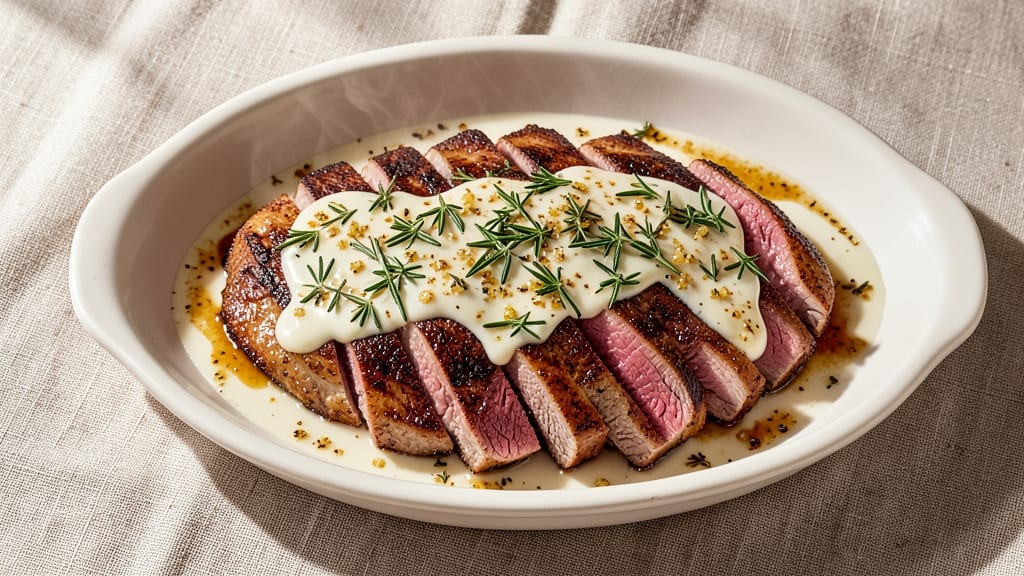
Mastering a baked tenderloin recipe that delivers a juicy center and perfectly seared exterior in just 45 minutes transforms weeknight dinners into restaurant-worthy meals.
The key lies in a precise blend of herbs, proper searing, and monitoring internal temperatures—techniques I’ve refined over years of testing to ensure foolproof results every time. This method works for beef, pork, or lamb tenderloin, giving you a dish that’s elegant yet approachable for home cooks.
The herb crust isn’t just for flavor—it creates a flavorful bark while keeping the meat tender inside. A quick sear in a hot pan before baking locks in juices, and basting with melted butter during cooking adds an extra layer of richness.
What you’ll end up with is a perfectly cooked tenderloin with a golden crust and a center that’s so tender it nearly melts in your mouth, all without overcooking or drying out.
This recipe is designed for precision, not guesswork. You’ll learn how to check internal temperatures accurately, when to rest the meat for maximum juiciness, and even how to carve it like a pro.
Whether you’re serving this for a special occasion or a casual family dinner, the results are consistently impressive—and the method is simple enough to repeat week after week.
Pair it with roasted vegetables, mashed potatoes, or a bold red wine to complete the meal. The best part? You’ll have more time to enjoy the dinner itself instead of stressing over the cooking process. Let’s get started with the step-by-step guide that delivers restaurant-quality results at home.
Ingredients for baked tenderloin
Herbs, butter, and a precise sear—just what you need for perfect baked tenderloin every time.
| Ingredient | Amount | Notes |
|---|---|---|
| Beef Tenderloin 🥩 | 1 ½ lb | Center-cut, trimmed of fat |
| Fresh Rosemary 🌿 | ¼ cup | Finely chopped, stems removed |
| Fresh Thyme 🌿 | ¼ cup | Leaves only, stems discarded |
| Garlic Cloves 🧄 | 6 cloves | Minced, for herb paste |
| Extra-Virgin Olive Oil 🫒 | ¼ cup | High quality, fruity |
| Unsalted Butter 🧈 | ½ cup | Cold, cubed for crust |
| Diamond Crystal Kosher Salt 🧂 | 1 ½ tbsp | For crust and seasoning |
| Freshly Ground Black Pepper 🌶️ | 1 tbsp | Coarse grind preferred |
| All-Purpose Flour 🌾 | ½ cup | For dusting tenderloin |
| Red Wine 🍷 | ¼ cup | Dry, for basting |
| Beef Stock 🍲 | ½ cup | Homemade or high-quality |
The tenderloin is the star here, so center-cut, eye-of-round is non-negotiable—it's the most tender section. Most butchers will trim it for you, but if you're doing it yourself, look for a piece with minimal fat and a uniform shape. Costco or Whole Foods usually have excellent quality cuts, but your local butcher shop will often have better selection. Trust me, the difference in texture is worth the extra trip. If you're using beef, aim for 1.5 lbs for 4 servings—pork or lamb tenderloin will shrink slightly more, so adjust accordingly. Pat it dry before you start; moisture is the enemy of a good sear.
No fresh rosemary or thyme? Dried works at half the amount, but fresh is ideal for that bright flavor. Running low on olive oil? Avocado oil works just as well for searing. The butter crust is key—don't skip the cold cubes, or you'll end up with a greasy mess instead of a golden bark. For the wine, any dry red will do, but Cabernet Sauvignon or Merlot add nice depth. If you're avoiding alcohol, beef stock with a splash of balsamic works perfectly. The flour is just for dusting—no need to get fancy here. And if you're worried about the herb paste sticking, just make sure your hands are dry when you handle it.
This dish reheats beautifully, but honestly, it's best served fresh. If you're prepping ahead, sear the meat and refrigerate it uncovered for up to 24 hours—this helps dry the surface for a better crust. For storage, wrap tightly in plastic wrap and keep in the fridge for 3 days or freeze for 3 months. Leftovers? Slice thinly and use in sandwiches or grain bowls. The herb crust keeps well, so you can even make just the paste ahead and store it in the fridge for 1 week—just whisk with a bit of olive oil before using.
Why You'll Love This Recipe
- Minimal Prep, Maximum Payoff: I swear, this is the kind of recipe where you can have dinner on the table while scrolling through your phone. Just sear the tenderloin, toss on those smashed garlic cloves and fresh herbs, and let the oven do the work—no basting, no fuss.
- Herb-Crusted Magic: That rosemary and thyme? They don’t just happen—they cling to the meat like a fragrant hug, while the garlic adds this deep, savory punch. The olive oil keeps it juicy, and the crust? Chef’s kiss. It’s the kind of flavor that makes people ask, “What’d you cook?”
- Weeknight or Weekend Star: Between us, this is my go-to for date nights and lazy Sundays. Slice it thin for sandwiches, cube it for salads, or serve it whole with roasted potatoes—it’s the chameleon of dinner recipes. (Yes, even on a Tuesday night.)
- Leftovers That Don’t Suck: Honestly, I make this just for the leftovers. The meat stays tender for days, and it reheats like a dream—perfect for wraps, grain bowls, or just throwing on toast. No sad, dry slices here; this is the kind of protein that improves over time.
Step-by-step instructions for herb-crusted beef tenderloin
Here's how to transform a simple roast into a showstopping centerpiece with perfect tenderness every time.
Prepare the Herb Butter Crust
In a small bowl, combine the 0.5 cup unsalted butter, 0.25 cup fresh rosemary, 0.25 cup fresh thyme, 6 cloves garlic cloves, 1.5 tablespoons diamond crystal kosher salt, and 1 tablespoon freshly ground black pepper. Mash the garlic cloves first to create a paste, then mix everything until fully incorporated. The butter should be soft enough to blend smoothly but not melted.
Spread this herb butter mixture evenly over the 1.5 lb beef tenderloin, coating all sides generously. Press the mixture into the meat with your fingers so it adheres well. This creates a flavorful crust that seals in moisture while adding depth of flavor. Wrap the tenderloin tightly in plastic wrap and refrigerate for at least 30 minutes—this allows the flavors to penetrate and the meat to come closer to room temperature for more even cooking.
Create the Flour and Wine Basting Mixture
In a small bowl, whisk together the 0.5 cup all-purpose flour and 1 tablespoon freshly ground black pepper. This dry mixture will help create a golden crust when roasted. In another small bowl, combine the 0.25 cup red wine and 0.5 cup beef stock. Set both mixtures aside—they'll be used during roasting to baste and tenderize the meat.
Here's the thing—this wine and stock mixture will be your secret weapon for keeping the tenderloin moist. As it bastes the meat during roasting, it creates steam that prevents drying out while adding rich flavor. Don't skip this step if you want that restaurant-quality juiciness promised in the title.
Roast to Perfect Medium-Rare
Preheat your oven to 450°F. Place the herb-coated tenderloin on a rack set in a roasting pan. Pour the wine and stock mixture into the bottom of the pan—this will create steam and prevent the meat from drying out. Roast for 20 minutes to get a good crust started, then reduce the heat to 350°F and continue roasting.
Here's where it gets critical: use a meat thermometer to check the internal temperature. For medium-rare (the perfect doneness for tenderloin), aim for 130°F in the thickest part of the meat. This typically takes 20-25 minutes more, for a total of 40-45 minutes total cooking time. The exterior should be golden brown with a crisp crust from the herb butter.
Rest and Slice for Maximum Juiciness
Once the tenderloin reaches 130°F, remove it from the oven and transfer to a cutting board. Tent loosely with aluminum foil and let it rest for 10-15 minutes. This resting period is absolutely essential—it allows the juices to redistribute throughout the meat instead of pooling and running out when you slice.
After resting, slice the tenderloin into 1-inch thick medallions against the grain. Each slice should be perfectly pink in the center with a beautiful herb crust on the outside. Serve immediately with the pan juices (strain if you prefer a cleaner presentation) and enjoy that incredible tenderness and flavor you've worked so hard to achieve.
Pro Tips For Making Baked Tenderloin
- USE A MEAT THERMOMETER: I learned this the hard way—tenderloin looks "done" long before it actually is. Stick the probe in the thickest part and pull it at 125°F for medium-rare (yes, even if it feels undercooked). That 5°F carryover will give you perfect doneness every time.
- TRIM THE FAT SPARINGLY: Tenderloin has almost no fat, so don’t overdo it with olive oil—just 1-2 tablespoons total for the pan and another tablespoon rubbed directly on the meat. Too much oil makes the crust greasy instead of crisp.
- DON’T SKIP THE ROOM-TEMP REST: Take the tenderloin out of the fridge 30 minutes before baking so it cooks evenly. Cold meat steams instead of searing, and you’ll end up with a sad, pale center. (Your future self will thank you.)
- CRUSH THE GARLIC, DON’T SLICE: Whole cloves burn and taste bitter; crush them with the flat side of your knife first. Then, mix the crushed garlic with the herbs and olive oil into a paste—it sticks better to the meat and infuses deeper than sprinkling dry cloves on top.
Best sauces and condiments for baked tenderloin
Herb Butter Glaze
The star of this dish is the herb butter crust we create with 0.5 cup unsalted butter, fresh rosemary, and thyme. I like to add 6 minced garlic cloves and 1.5 tbsp kosher salt for extra depth.
After coating the tenderloin, I press the mixture firmly into the meat so it adheres perfectly. The butter melts during roasting, creating a golden, flavorful bark while keeping the interior juicy. 🌿
Red Wine Reduction
For a rich, velvety sauce, I deglaze the roasting pan with 0.25 cup dry red wine (like Cabernet Sauvignon) and 0.5 cup beef stock after removing the tenderloin. Simmer for 5 minutes to reduce by half, then strain.
This sauce adds elegance and balances the herby crust beautifully. A splash of balsamic vinegar at the end adds brightness if you prefer.
Pan Jus Technique
If you want maximum flavor without extra effort, skip straining the pan juices. After roasting, place the tenderloin on a cutting board and let the juices reduce in the pan for 3-4 minutes on the stovetop.
Whisk in 1 tbsp cold butter at the end for shine and richness. This pan jus is perfect for drizzling over sliced tenderloin or using as a sauce for roasted vegetables.
Mustard Cream Sauce
For a lighter option, mix 0.25 cup heavy cream with 1 tbsp Dijon mustard and a pinch of salt. Warm gently until smooth, then drizzle over sliced tenderloin.
This sauce cuts through the richness of the herb crust while adding a tangy contrast. I often serve this with roasted asparagus for a springtime dinner. 💛
Garlic-Herb Compound Butter
Make extra herb butter during prep and shape it into a log by chilling. Slice off 1-inch pats and place on each plate alongside the tenderloin. The butter melts beautifully from the heat of the meat, creating an instant sauce.
This adds a luxurious touch without extra effort. Store unused butter in the fridge for up to 1 week wrapped in parchment.
Nutrition facts
Frequently asked questions
What's the best internal temperature for perfectly cooked tenderloin?
For medium-rare (the ideal doneness), aim for 130°F in the thickest part of the meat. Use a meat thermometer to check—this ensures a juicy center while giving you that beautiful crust. Overcooking to 145°F will make it dry, while 125°F risks undercooked meat.
Can I substitute pork or lamb tenderloin instead of beef?
Pork tenderloin cooks faster—remove it at 140°F (about 5°F lower than beef). Lamb tenderloin works too, but reduce cooking time slightly to 135°F for medium-rare. Adjust seasoning: lamb benefits from extra garlic and lemon zest, while pork pairs well with honey or mustard in the crust.
Why does my herb crust keep falling off?
This usually happens if the meat isn't dry or the butter isn't pressed firmly enough. Pat the tenderloin completely dry before coating, and press the herb butter into every crevice. Chilling the meat for 30 minutes before roasting also helps the crust adhere better. If it still slips, dust lightly with flour before applying the butter.
How do I carve tenderloin like a pro?
Slice against the grain (look for the muscle fibers) into 1-inch thick medallions. Use a sharp knife and cut perpendicular to the bone end. For even slices, secure the tenderloin with kitchen twine before slicing. Serve immediately—waiting causes the meat to toughen slightly as it cools.
What sides pair best with herb-crusted tenderloin?
Classic choices include creamy mashed potatoes, roasted root vegetables (carrots, parsnips), or a crisp green salad with balsamic vinaigrette. For a heartier meal, try wild rice pilaf or buttery egg noodles. The wine reduction sauce also makes an excellent drizzle over roasted asparagus or Brussels sprouts.