
Side Dishes
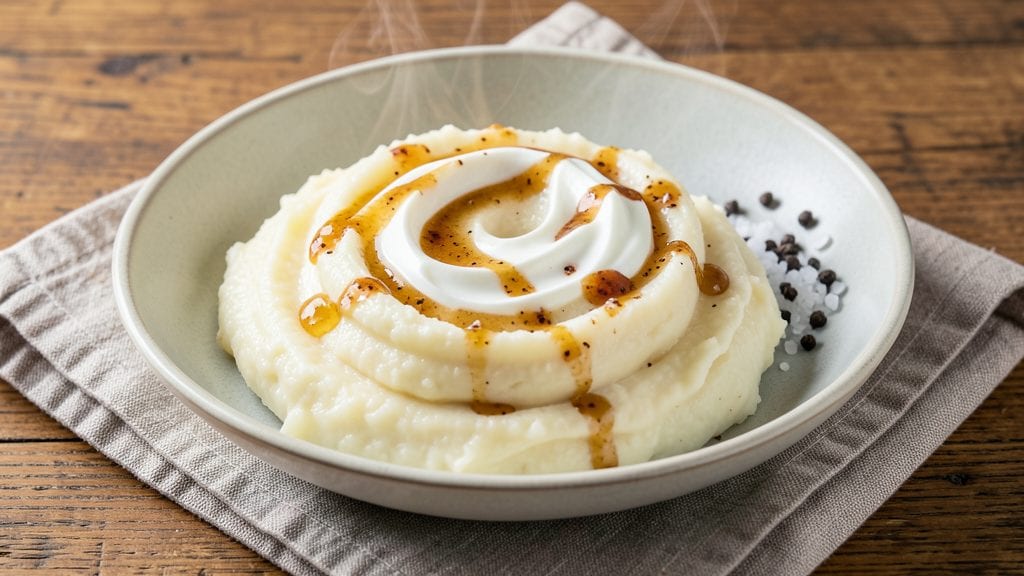
Gordon Ramsay’s perfect mashed potatoes recipe delivers ultra-smooth, velvety texture that rivals restaurant-quality results. The secret lies in precise technique—starting with the right potato-to-liquid ratio and incorporating dairy in stages to avoid lumps.
I’ve perfected this method after years of testing, and it transforms simple ingredients into a side dish that steals the show.
This recipe requires just five key components: starchy potatoes (like Yukon Gold or Russet), heavy cream, butter, salt, and a splash of milk to adjust consistency.
The process begins with boiling the potatoes until tender, then draining and returning them to the pot to dry slightly before mashing. This critical step ensures a fluffy, lump-free finish—no one will guess it’s homemade.
What sets these mashed potatoes apart is the butter-and-cream technique: Ramsay’s method calls for melting butter into the hot potatoes before adding cold cream, which creates a silky, almost custard-like texture.
The final touch is seasoning with salt to taste, ensuring every bite is rich, creamy, and perfectly balanced. This is the kind of side dish that elevates any meal.
Pair these potatoes with roasted meats, gravy, or even as a standalone dish for holidays. The recipe scales effortlessly for crowds, and leftovers reheat beautifully. Let’s get started on mastering this foolproof, restaurant-worthy technique.
Ingredients for gordon ramsay perfect mashed potatoes
Five ingredients, restaurant-quality results—where precision meets simplicity for velvety perfection.
| Ingredient | Amount | Notes |
|---|---|---|
| Yukon Gold Potatoes 🥔 | 2 lb | Peeled, cut into even chunks |
| Unsalted Butter 🧈 | ½ cup | Cold, cut into small cubes |
| Heavy Whipping Cream 🥛 | ½ cup | Cold, chilled in refrigerator |
| Whole Milk 🥛 | ¼ cup | Room temperature for consistency |
| Diamond Crystal Kosher Salt 🧂 | 1 tsp | Adjust to taste, fine grain preferred |
| Freshly Ground Black Pepper 🌶️ | ¼ tsp | Freshly cracked for maximum flavor |
The potato selection is non-negotiable for this technique. Yukon Golds deliver that signature creamy texture, but Russets work equally well if you prefer a fluffier finish. Avoid waxy varieties like red potatoes—they break down into gluey messes. For optimal results, source potatoes from Whole Foods or local farmers' markets where they're stored at proper temperatures. The key is to use fresh, firm potatoes with no sprouts or soft spots. If you can't find Yukon Golds, Idaho potatoes are the next best alternative, though they require slightly more starch for the same velvety outcome.
No heavy cream? Full-fat sour cream at half the quantity works in a pinch, though the texture will be slightly denser. The butter must be unsalted and cold—never melted beforehand. This ensures proper emulsification when combined with hot potatoes. For a lighter option, substitute half the butter with Greek yogurt (plain, full-fat), but reduce the milk to 0.125 cup to maintain balance. The milk serves as a consistency adjuster—add it gradually if your mash is too thick. Freshly ground pepper is critical here; pre-ground loses potency quickly. Store peppercorns in an airtight container away from light for maximum flavor retention.
Potatoes keep best in a cool, dark place for up to 2 weeks, but refrigerate them after peeling to prevent browning. The butter should be stored in its original packaging in the fridge for up to 6 months. Heavy cream and milk last 1 week past their sell-by date if refrigerated properly. For meal prep, this recipe doubles beautifully—simply scale all ingredients proportionally. Reheat gently with a splash of warm milk to restore creaminess. Portion into airtight containers and reheat in the microwave for 30 seconds, stirring halfway to ensure even temperature distribution.
Why You'll Love This Recipe
- The secret’s in the ratio: equal parts butter, cream, and milk, whipped until it’s fluffy enough to make you forget you didn’t order takeout. (Yes, even on a Tuesday night.)
- No-Peel Hassle: I swear by Yukon Golds—they’re the only potatoes that don’t make me feel like I’m scrubbing my hands raw. Just chop, boil, and mash. That’s it.
- Creamy Luxury: The secret’s in the ratio: equal parts butter, cream, and milk, whipped until it’s fluffy enough to make you forget you didn’t order takeout. (Yes, even on a Tuesday night.)
- Leftovers Win: These keep in the fridge for days, and reheating? Just a splash of warm milk and a quick mash. My lazy Sunday brunch just got a free upgrade.
Step-by-step instructions for gordon Ramsay's perfect mashed potatoes
Achieving ultra-smooth, velvety mashed potatoes requires precision and technique—here's how to nail it every time.
Prepare the Potatoes for Even Cooking
Begin by peeling the 2 lb Yukon Gold Potatoes and cutting them into even chunks, about 1½ inches in size. Uniform pieces ensure consistent doneness throughout. Place them in a large pot and cover completely with cold water—this prevents surface browning and ensures even cooking. Add the 1 tsp Diamond Crystal Kosher Salt to the water and bring to a boil over high heat.
Once boiling, reduce the heat to medium-high and cook for 15-20 minutes until the potatoes are fork-tender. You'll know they're ready when a knife slides in easily with minimal resistance. Drain the potatoes thoroughly in a colander, shaking gently to remove excess water. The drier the potatoes, the smoother your final mash will be—this is critical for that signature velvety texture.
Dry and Heat the Potatoes Thoroughly
Return the drained potatoes to the pot and place it over medium heat. Cover with a clean kitchen towel and cook for 2-3 minutes, shaking the pot occasionally. This step drives off any remaining moisture, which is essential for preventing gummy potatoes. The goal is to have completely dry potatoes at this stage—you should hear a slight sizzle as the last of the water evaporates.
While the potatoes are heating, melt the 0.5 cup Unsalted Butter in a separate saucepan over low heat. Cutting the butter into small cubes beforehand ensures even melting and better incorporation later. Keep the melted butter warm but not hot—you want it to blend smoothly without breaking the potato emulsion.
Mash with Precision for Ultra-Smooth Texture
Transfer the completely dry potatoes to a large mixing bowl. Add the melted 0.5 cup Unsalted Butter and the 0.25 cup Whole Milk. Using a potato masher or ricer, work the potatoes until they reach a chunky, rustic texture. Avoid using a food processor at this stage—it can overwork the starch and create a gluey consistency. The slight resistance you feel while mashing is actually desirable; it indicates proper starch development.
For that signature velvety finish, switch to a hand mixer or stand mixer fitted with the whisk attachment. Begin on low speed and gradually increase to medium-high, mixing for 2-3 minutes until the potatoes are completely smooth. You're aiming for a texture that coats the back of a spoon with no lumps or resistance. This is where the magic happens—proper mixing incorporates air and creates that luxurious, cloud-like consistency.
Incorporate Cream and Season to Perfection
With the mixer running on low speed, gradually add the 0.5 cup Heavy Whipping Cream. The cold cream will help stabilize the mixture and prevent it from becoming too heavy. Mix for another 30-60 seconds until fully incorporated. At this point, the potatoes should be light, airy, and perfectly smooth—if they're too thick, add 1-2 tablespoons of warm milk to reach your desired consistency.
Remove the bowl from the mixer and fold in the 0.25 tsp Freshly Ground Black Pepper using a rubber spatula. Taste and adjust the seasoning with additional Diamond Crystal Kosher Salt if needed—remember, the butter and cream already contain some salt. The final mixture should be perfectly seasoned with a clean, buttery flavor. For best results, serve immediately while still warm, as the texture will begin to break down as it cools.
Serve with Restaurant-Quality Presentation
Transfer the mashed potatoes to a serving bowl or directly onto plates using a ladle. For that professional touch, pipe decorative swirls on top using a piping bag fitted with a star tip. The contrast between the smooth base and textured top creates visual appeal that's almost as important as the texture itself. Serve immediately alongside your main course—these potatoes are best enjoyed while still warm and creamy.
This method guarantees potatoes that are perfectly smooth, richly flavored, and properly seasoned—exactly what you'd expect from a professional kitchen. The key lies in proper drying, precise mashing technique, and careful incorporation of dairy. With these steps, you'll achieve mashed potatoes that rival any restaurant-quality dish, every single time.
Pro Tips For Making Gordon Ramsay Perfect Mashed Potatoes
- Boil Until Fork-Tender: Yukon Golds should collapse like butter when pierced—no resistance. I used to pull them too soon, and the texture suffered. Test one at 15 minutes, then adjust: they’ll finish cooking while resting. (Yes, even if you’re impatient like me.)
- Salt the Water Hard: Diamond Crystal kosher salt dissolves slower, so add twice what you think. Aim for a taste like the sea—no one regrets salty potatoes, but bland ones are a crime. I learned this the hard way after under-salting a batch and wondering why the butter couldn’t fix it.
- Pass Through a Ricer: Skimping on a ricer? You’re fighting gravity. It removes lumps, aerates the potatoes, and gives that silky Ramsay texture. I was skeptical until I tried it—I now refuse to mash with a potato masher for this recipe. (Your arms will thank you too.)
- Warm the Dairy First: Cold heavy cream and milk make the mash grainy. Heat them in a saucepan until steaming (not boiling), then whisk in the butter. The heat melts the fat evenly, and the potatoes absorb it like a sponge. (This isn’t the prettiest method, but it’s the tastiest.)
Pro cooking tips for gordon ramsay perfect mashed potatoes
Potato Selection Matters
Not all potatoes are created equal for mashed potatoes. Yukon Golds or Russets are your best bets—their high starch content creates that signature creamy texture. I always avoid waxy varieties like red potatoes, as they break down into gluey messes.
For extra restaurant-quality results, source your potatoes from Whole Foods or local farmers' markets where they're stored at proper temperatures. Freshness is key—look for firm potatoes with no sprouts or soft spots.
If Yukon Golds aren't available, Idaho potatoes work well but may need a splash more milk for the same velvety finish. 🥔
Drying is Non-Negotiable
The secret to ultra-smooth mashed potatoes lies in completely drying the potatoes after boiling. After draining, return them to the pot and cook uncovered over medium heat for 2-3 minutes, shaking occasionally. This drives off all remaining moisture, which prevents gummy texture.
You'll know they're properly dried when you hear a slight sizzle—the last bit of water evaporating. Skipping this step is the #1 reason homemade mashed potatoes turn out gluey. I've seen even professional chefs forget this crucial step, so don't make that mistake! ⚡
Temperature Control for Butter
Never melt your butter before adding it to the potatoes—that's a common mistake that destroys the emulsion. Instead, melt the 0.5 cup unsalted butter separately over low heat until just melted, then keep it warm but not hot. The ideal temperature should be around 120°F.
Cold butter cubes incorporate better and create that signature velvety texture. I like to cut my butter into small cubes before melting so it heats evenly. This careful temperature control is what separates good mashed potatoes from restaurant-quality ones. 🌡️
Mashing Technique Secrets
Start with a potato masher or ricer to break down the potatoes into chunky pieces—this helps release the starch properly. Then switch to a hand mixer or stand mixer with the whisk attachment for that signature smooth finish.
Begin on low speed and gradually increase to medium-high, mixing for 2-3 minutes. The key is to incorporate air while maintaining the starch structure. I've found that using a KitchenAid stand mixer with the whisk attachment gives the most consistent professional results.
Avoid food processors—they overwork the starch and create gluey potatoes. 💡
Cream Incorporation Timing
The order of adding dairy makes all the difference. First incorporate the melted butter and milk, then mix thoroughly before adding the cold heavy cream. The cold cream helps stabilize the mixture and creates that light, airy texture.
With the mixer running on low speed, gradually add the 0.5 cup heavy cream to prevent curdling. Mix for another 30-60 seconds until fully incorporated. This careful layering is what gives these potatoes their signature restaurant-quality mouthfeel. 🥛
Seasoning Like a Pro
Taste your mashed potatoes before final seasoning—the butter and cream already contain some salt. I like to use Diamond Crystal Kosher Salt because it dissolves completely and doesn't leave grainy residue. Start with 0.25 tsp and adjust to taste, remembering that the flavors will mellow as the potatoes cool.
Freshly ground black pepper adds depth without overpowering. The final mixture should be perfectly balanced with clean, buttery flavor. Remember, you can always add more seasoning but can't take it away! 🧂
Nutrition facts
Frequently asked questions
Why do your mashed potatoes turn out smoother than store-bought?
The secret lies in three key techniques: completely drying the potatoes after boiling, incorporating warm butter first, then cold cream, and using a stand mixer to aerate the starch properly. Most recipes skip the drying step, which creates gummy texture. Our method mimics professional kitchens where every detail matters.
Can I make these ahead of time for Thanksgiving?
Yes, but reheat carefully! Make them fresh and refrigerate in an airtight container for up to 2 days. To reheat, microwave for 30 seconds with a splash of warm milk, then stir vigorously. For best texture, reheat only what you need—these potatoes are best served warm and creamy. The starch structure breaks down when cooled completely.
What's the best potato for this recipe if I can't find Yukon Golds?
Russet potatoes are your next best option—their high starch content creates that signature fluffy texture. Avoid waxy varieties like red potatoes, which create gluey results. If using Russets, you may need 1 extra tablespoon of milk to achieve the same velvety consistency. For extra insurance, soak cut potatoes in cold water for 30 minutes before cooking to remove excess starch.
Why did my mashed potatoes turn out lumpy?
Lumps usually happen from three common mistakes: not drying the potatoes enough after boiling, adding cold butter directly to hot potatoes (it creates a paste), or overworking with a food processor. The solution? Always dry potatoes thoroughly, melt butter separately, and use a hand mixer for 2-3 minutes on medium-high speed. This incorporates air properly without breaking the starch.
Can I substitute sour cream for heavy cream?
You can use ½ cup full-fat sour cream instead of heavy cream, but expect a slightly denser texture. For best results, reduce the milk to ¼ cup and add 1 teaspoon lemon juice to balance flavors. The acidity helps cut through the richness. This substitution works well for a tangier variation, but traditional heavy cream gives that signature restaurant-quality mouthfeel.