
Sauces & Condiments
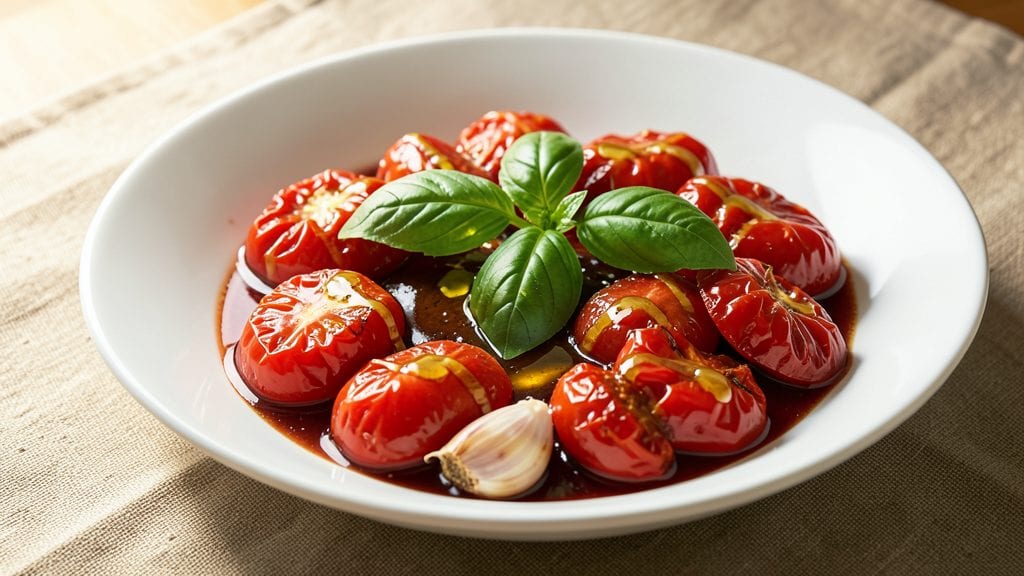
Transforming simple tomatoes into a rich, sweetened balsamic glaze is one of those kitchen techniques that elevates everything it touches—pasta, meats, even grilled vegetables. This recipe delivers a deeply caramelized sauce with just the right balance of tangy vinegar and natural tomato sweetness, all achieved through precise simmering and reduction.
I developed it after years of experimenting with balsamic reductions, and this version guarantees restaurant-quality results without requiring special ingredients.
The foundation of this glaze lies in slow simmering—letting the tomatoes break down naturally while the balsamic vinegar transforms from sharp to velvety sweet. Olive oil adds richness, while garlic and basil infuse subtle depth, though you can easily adjust these to taste.
The process takes about 30 minutes but requires minimal hands-on time, making it perfect for weeknight prep or meal prep ahead.
What you’ll end up with is a glossy, syrupy sauce that clings beautifully to pasta, drizzles effortlessly over grilled chicken, or enhances roasted vegetables with its complex sweet-tangy flavor.
The texture is thick enough to coat but still pours smoothly, and the aroma alone will have everyone at the table asking for seconds. This isn’t just a condiment—it’s a flavor multiplier that turns ordinary dishes into standouts.
Store it in the refrigerator for up to 10 days or freeze for longer shelf life, making it a versatile pantry staple. Whether you’re prepping for a dinner party or simply want to add depth to a weeknight meal, this glaze is your secret weapon.
Let’s get started on creating it.
Ingredients for balsamic tomatoes
Eight simple ingredients transform into a restaurant-quality balsamic glaze that's perfect for pasta, meats, and vegetables.
| Ingredient | Amount | Notes |
|---|---|---|
| San Marzano Tomato Cans 🍅 | 2 cans | Whole peeled tomatoes, no salt added |
| Balsamic Vinegar 🍷 | ½ cup | Aged 10+ years for depth |
| Extra-Virgin Olive Oil 🫒 | ¼ cup | Fruity, peppery variety |
| Garlic Cloves 🧄 | 4 cloves | Freshly minced, not pre-minced |
| Fresh Basil Leaves 🌿 | ¼ cup | Packed, stems removed |
| Granulated Sugar 🍯 | 2 tbsp | Light brown sugar for caramel notes |
| Diamond Crystal Kosher Salt 🧂 | ½ tsp | Adjust to taste |
| Red Wine 🍷 | ¼ cup | Dry, medium-bodied like Chianti |
San Marzano tomatoes are the secret weapon here—their natural sweetness and low acidity make all the difference. Trader Joe's and Whole Foods carry them, but any high-quality canned tomatoes work in a pinch. The balsamic vinegar should be aged 10+ years for that rich, caramelized depth (Balsamic Vinegar of Modena is my go-to). Fresh basil is ideal, but dried oregano at half the amount works if you're short on time. The garlic? Freshly minced—pre-minced has a metallic aftertaste that ruins the sauce. For the olive oil, grab something fruity and peppery from California Olive Ranch or Colavita—cheap oil here will make the whole glaze taste flat.
No balsamic vinegar? Substitute with 2 tbsp balsamic glaze plus 1 tbsp red wine vinegar—it won't be identical, but it'll get you close. Running out of red wine? Dry sherry or even extra balsamic vinegar works in a bind. The sugar is key for caramelization, but if you're watching carbs, reduce it to 1 tbsp and add 1 tsp honey instead. For a deeper flavor, toast the garlic in the olive oil for 30 seconds before adding it to the tomatoes—worth the extra minute. And if you're making this ahead, the sauce actually improves overnight as the flavors meld.
This glaze keeps beautifully in the fridge for up to 10 days, though it's best used within 5-7 days for peak flavor. For longer storage, freeze in ice cube trays—just thaw in the fridge before using. The texture thickens as it cools, so give it a quick whisk or stir with a fork before drizzling. I like to portion mine into small jars so I can grab just what I need for a meal. If it thickens too much, a splash of warm water or red wine thins it right out. Leftovers? Toss them back into the saucepan with a splash of water and simmer for 5 minutes to restore consistency.
Why You'll Love This Recipe
- Pantry Magic Ready: I swear by this recipe when I’m staring at my fridge thinking, "What’s for dinner?" Three cans of San Marzano tomatoes, a splash of balsamic, and a quick simmer—no fresh ingredients needed. Honestly, it’s my lazy-day hero.
- Sweet-Savory Balance: That first bite where the tangy balsamic hits the sweet, juicy tomatoes? It’s like a flavor hug. The garlic and basil tie it all together—simple, but somehow more complex than anything I’ve ever made.
- Weeknight to Party: Slap this on toast for a quick lunch, drizzle it over pasta for dinner, or serve it chilled with bruschetta at a summer BBQ. Between us, it’s the one sauce that works everywhere—no stress, no fuss.
- Leftovers That Beg: I always make too much because it reheats like a dream. The flavors deepen overnight, and the next day, it’s even better—perfect for sandwiches, soups, or just eating straight from the jar with a spoon. (Yes, even on a Tuesday night.)
Step-by-step instructions for balsamic tomatoes recipe
Here's how to transform simple ingredients into a rich, balanced glaze that elevates pasta and meats alike.
Prepare the Tomatoes and Aromatics
Open the 2 cans of San Marzano tomato cans and transfer the whole peeled tomatoes to a large saucepan. I use a slotted spoon to remove any liquid that might dilute our final glaze. Add the 0.25 cup of extra-virgin olive oil to the pan and place it over medium heat.
While the tomatoes warm, mince the 4 cloves of garlic cloves finely—you want them almost paste-like at this stage. This ensures they dissolve completely into the sauce rather than creating distinct texture. The garlic should sizzle gently in the oil for about 1 minute before the tomatoes begin to break down.
Simmer and Sweeten the Base
Crush the tomatoes gently with your hands or a wooden spoon, breaking them into rough chunks but leaving some texture. Add the 2 tablespoons of granulated sugar and the 0.5 teaspoon of diamond crystal kosher salt. Stir well to distribute the sugar evenly—this helps balance the acidity of the balsamic vinegar later.
Bring the mixture to a gentle simmer, then reduce the heat to low. Let it cook uncovered for 20-25 minutes, stirring occasionally. You're looking for the tomatoes to soften and begin to break down into a chunky, jam-like consistency. The sugar will caramelize slightly, deepening the flavor profile.
Build Depth with Wine and Vinegar
Once the tomatoes have softened, pour in the 0.25 cup of red wine. The alcohol will initially cause a slight hissing, but it will evaporate as the mixture simmers. Let it cook for another 5 minutes to allow the wine to integrate fully.
Next, add the 0.5 cup of balsamic vinegar. Here's where the magic happens—the vinegar's acidity will react with the sugar, creating a complex balance of sweet and tangy flavors. Simmer the mixture for 15-20 minutes, stirring occasionally, until it thickens to a glaze-like consistency. You want it to coat the back of a spoon but still be pourable.
Finish with Fresh Basil and Adjust Seasoning
Remove the pan from heat and stir in the 0.25 cup of fresh basil leaves. Let the basil steep in the warm glaze for 5 minutes, then use a fork to fish out any large stems. The basil will infuse the glaze with its bright, aromatic flavor without overpowering the other ingredients.
Taste the glaze and adjust the seasoning if needed. If it's too acidic, add a pinch more sugar. If it's too sweet, a tiny bit more salt will help balance it. The finished glaze should be vibrant, glossy, and perfectly harmonized—sweet enough to complement rich meats but acidic enough to cut through creamy pasta.
Rest and Serve
Transfer the glaze to a clean jar or bowl and let it cool to room temperature. This resting period allows the flavors to meld even further. The glaze will thicken slightly as it cools, so you can thin it with a splash of water or a bit of pasta water if needed before serving.
Use the balsamic glaze immediately over grilled meats, drizzled on fresh pasta, or spooned over creamy polenta. It keeps well in the refrigerator for up to 1 week, making it a versatile pantry staple for quick meals. The balance of sweet, tangy, and herbal notes will elevate even the simplest dishes to restaurant quality.
Pro Tips For Making Balsamic Tomatoes
- Sear the Garlic: DESCRIPTION:
- Reduce the Vinegar: DESCRIPTION:
- Crush, Don’t Chop, the Basil: DESCRIPTION:
- Simmer Low and Slow: DESCRIPTION:
Flavor customization for this balsamic tomatoes
Sweet-Tart Balance
Adjust the sugar-to-vinegar ratio to control sweetness. For a more balanced glaze, use 1:1 sugar to balsamic vinegar (e.g., 2 tbsp sugar with 0.5 cup vinegar).
For extra tang, reduce sugar to 1 tbsp and add 1 tsp lemon juice—this brightens the flavor while keeping it bright and acidic. 🍯
Herb Variations
Swap basil for fresh rosemary or thyme for a Mediterranean twist. For a herbaceous depth, add 1 tsp dried oregano or 1 sprig fresh thyme during the final 5 minutes of simmering.
If you prefer heat, stir in ½ tsp red pepper flakes with the vinegar—it caramelizes beautifully into the glaze.
Umami Boost
Add 1 tbsp soy sauce or 1 tsp fish sauce when combining the wine and vinegar for a savory depth. This works especially well with grilled meats or tofu.
For a richer texture, stir in 1 tbsp tomato paste with the sugar at the start—it thickens the glaze naturally without extra reduction time.
Spiced Glaze
Infuse the glaze with warmth by adding ½ tsp ground cinnamon or ¼ tsp smoked paprika with the sugar. For a winter-friendly version, simmer 1 star anise pod and 1 cinnamon stick in the olive oil before adding tomatoes—remove them before the final reduction.
This adds subtle warmth without overpowering the tomatoes. 🌶️
Smoky Depth
For a grilled or smoky flavor profile, replace ½ cup balsamic vinegar with ¼ cup balsamic vinegar and ¼ cup smoked balsamic reduction. Alternatively, add 1 tbsp liquid smoke (like La Choy) when combining the wine and vinegar—just ½ tsp goes a long way.
This works amazingly with BBQ ribs or smoked chicken.
Citrus Zing
Finish with 1 tbsp orange zest and 1 tsp orange juice when adding the basil. The citrus cuts through the richness and adds a bright, refreshing note. For a tropical twist, substitute orange with lime zest and juice—this pairs beautifully with seafood or grilled shrimp. 🍊
Nutrition facts
Frequently asked questions
Can I make this glaze without red wine?
Replace the 0.25 cup of red wine with an equal amount of dry white wine or apple cider for a similar depth of flavor. If you're avoiding alcohol entirely, use extra balsamic vinegar (0.25 cup) or tomato juice (0.25 cup)—just reduce the simmering time by 5 minutes since these liquids won't evaporate. The glaze will still develop rich caramel notes, though the wine adds a subtle complexity that's hard to replicate.
How do I prevent the glaze from getting too thick or too thin?
For a thicker glaze, simmer uncovered for an extra 5-10 minutes or reduce the liquid slightly by 1 tbsp at the start. If it thickens too much, whisk in 1 tsp warm water or pasta water to loosen. For a thinner, pourable sauce, add 1-2 tbsp water or broth during the final 5 minutes of simmering. The key is patience—low heat prevents burning, which can make the glaze grainy.
Can I use this glaze on non-Italian dishes?
This versatile glaze works beautifully beyond Italian cuisine! Drizzle it over Asian stir-fries (add a touch of ginger), Mexican tacos (swap basil for cilantro), or Middle Eastern grilled meats (add a pinch of cumin). For vegetarian dishes, pair it with roasted eggplant or portobello mushrooms. The sweet-tangy balance cuts through rich, creamy, or fatty foods—think cheesy polenta, fried chicken, or even avocado toast.
Why did my glaze turn cloudy or separate?
Cloudiness or separation usually happens from too much stirring (which breaks down the tomatoes prematurely) or adding cold liquids (like vinegar) to a hot pan. To fix it, whisk vigorously while reheating on low heat for 3-5 minutes. For prevention, always add vinegar/wine to the simmering (not boiling) mixture and stir gently. If the texture is still off, blend briefly with an immersion blender for a smoother consistency.
How can I make this glaze spicier?
For heat, add ½ tsp red pepper flakes with the vinegar or 1 tsp hot sauce (like Sriracha) during the final 5 minutes of simmering. For a smoky-spicy twist, mix ½ tsp smoked paprika with the sugar at the start. If you love chili heat, stir in 1 chopped fresh chili (like jalapeño) with the garlic—remove it before the final reduction. Always taste as you go to control the intensity!